

Turf vacuums can be very effective on sports fields when matched to the field and used properly.
I’ve managed and maintained sports turf for years, and I’ll walk you through whether Do turf vacuums work on sports fields? I will explain how they work, when they help, when they don’t, real-world tips, and how to choose the right machine. Read on to learn practical guidance from hands-on experience and clear, evidence-based recommendations that help you make smart maintenance choices.

How turf vacuums work on sports fields
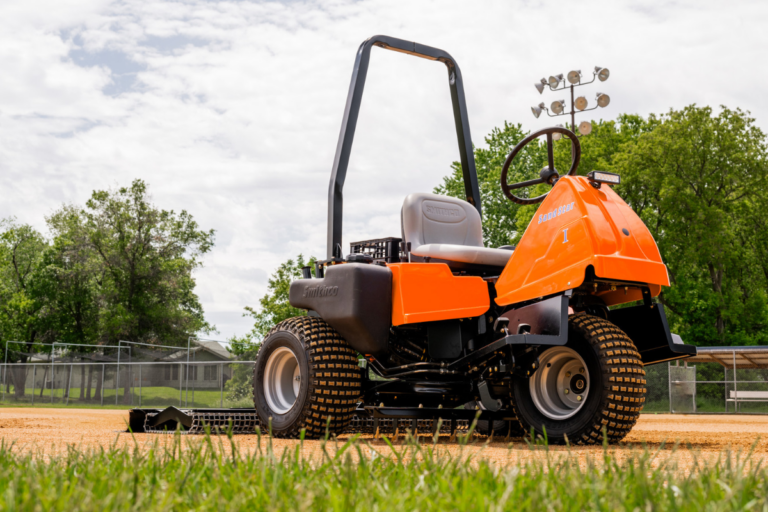
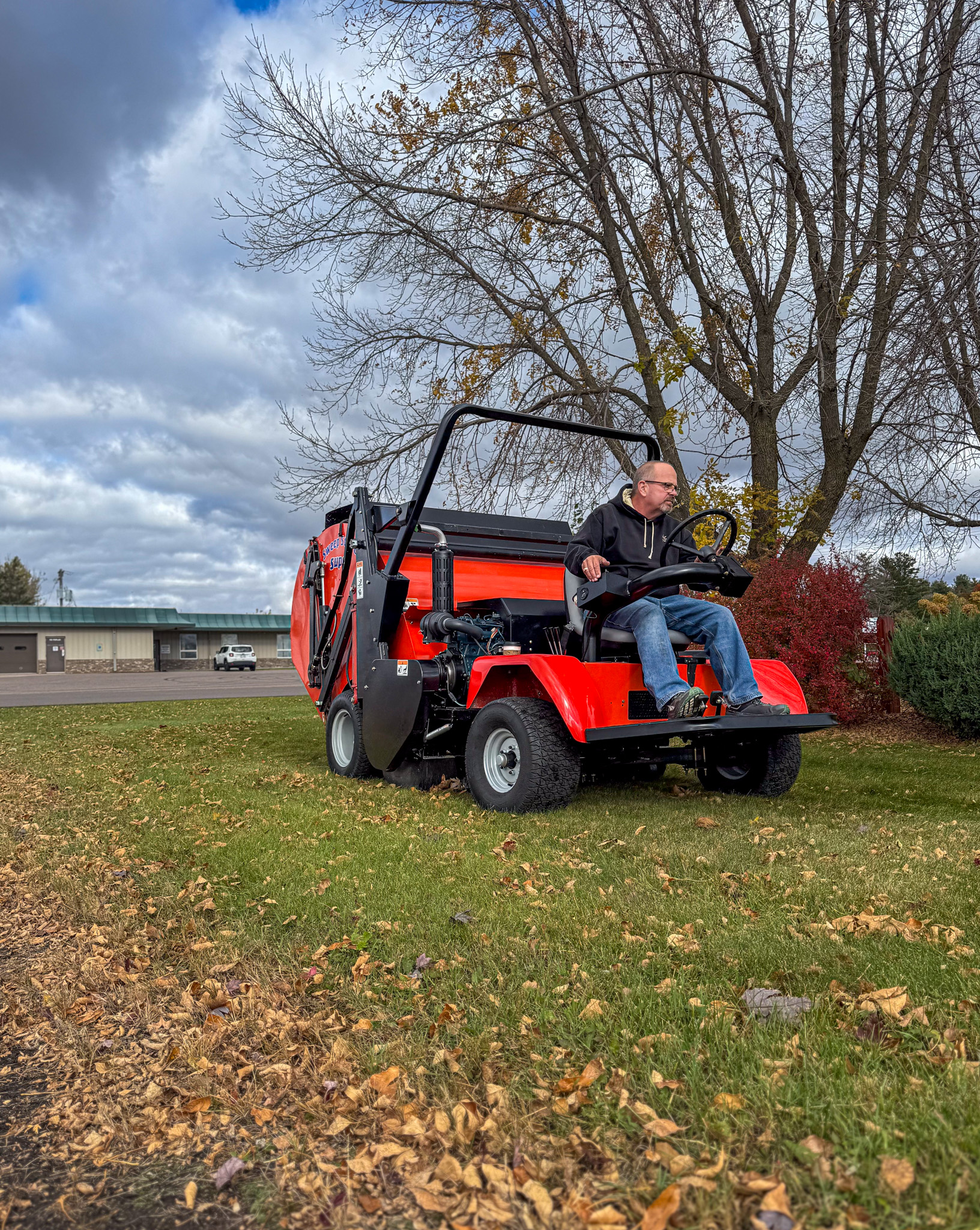
Do turf vacuums work on sports fields? Yes — they use suction and brushing to lift and collect surface debris and loose infill from turf. Machines range from walk-behind units to ride-on models. They pull up leaves, litter, organic matter, and loose rubber or sand infill into a hopper or bag. Many models have adjustable pickup heads and variable suction. That lets operators tune the machine to the turf and infill depth.
Key mechanics
- Suction head picks up loose particles and lightweight debris.
- Brush or agitator loosens compacted debris and moves it to the intake.
- Collection hopper stores removed material for disposal or sieving.
- Some models include filters to reduce dust and fine particles.
When they work best
- On dry to slightly damp turf surfaces.
- For routine cleanup of leaves, trash, and loose infill.
- After heavy use events to remove organic trash and reduce compaction.
- When used as part of a maintenance plan with grooming and infill top-ups.
Common limits
- They are not a substitute for deep decompaction or professional sanding.
- Excessive suction can remove too much infill if not adjusted.
Benefits of using turf vacuums on sports fields
Do turf vacuums work on sports fields? They can improve safety, playability, and turf health when applied correctly.
Main benefits
- Improve surface consistency by removing debris that interferes with ball roll and footing.
- Reduce organic buildup that holds moisture and encourages microbial growth.
- Help restore drainage by removing litter and clogs from turf fibers.
- Cut labor time versus hand raking or blower-only methods.
- Preserve turf aesthetics for broadcast and spectator satisfaction.
Performance gains seen in practice
- Faster ball roll and more consistent bounce after debris removal.
- Reduced slip hazards from wet leaves or fruit.
- Easier inspection and repair of damaged turf areas once surface debris is cleared.

Limitations and challenges to expect
Do turf vacuums work on sports fields? They do, but there are limits you must know.
Practical limitations
- Can pull out infill if set too deep or used on thin turf areas.
- Not effective on heavily compacted or embedded debris without prior loosening.
- Less effective on very wet fields—clogs and poor pickup occur.
- Cost of equipment and training can be high for small operations.
How to avoid common problems
- Test settings on a small area before full runs.
- Pair vacuuming with grooming, brushing, and decompaction.
- Avoid vacuuming immediately after rain or irrigation.
Best practices for using turf vacuums on sports fields
Do turf vacuums work on sports fields? Yes, when used with the right process and frequency.
Recommended routine
- Inspect the field visually and mark thin or worn patches.
- Run a light grooming pass to loosen compacted debris.
- Use the turf vacuum on low suction and shallow depth on first pass.
- Collect and measure removed infill; top up areas as needed.
- Schedule regular vacuuming depending on usage: weekly for heavy use, monthly for light use.
Operator tips
- Train operators on settings and turf types.
- Keep a log of infill removed so you can track material loss.
- Calibrate machines seasonally and after maintenance.

My experience and real-world examples
Do turf vacuums work on sports fields? From my years in field care, the short answer is that they can be a game changer if matched to needs.
A few real cases
- High school soccer field: Vacuuming after autumn reduced leaf buildup and improved drainage within two weeks.
- Artificial turf stadium: Ride-on vacuums removed rubber migration after a tournament and restored surface consistency quickly.
- Mistake to avoid: At one site we used excessive suction and lost infill in goal mouths; we then had to re-top those areas.
Lessons learned
- Always test a new machine on a small area.
- Use data: measure before and after to justify the expense.
- Combine vacuuming with brushing and infill replacement for best results.

Choosing the right turf vacuum for your field
Do turf vacuums work on sports fields? Choosing the right model makes that question a confident yes.
Selection checklist
- Field type: artificial, hybrid, or natural turf with infill.
- Collection capacity: bigger fields need larger hoppers.
- Adjustable suction and pickup depth.
- Brush types and exchangeable heads.
- Ease of maintenance and parts availability.
- Noise levels and emissions for community use.
Tip: Rent a unit first. Short-term trials let you test performance and prevent costly mismatches.
Maintenance, cost, and return on investment
Do turf vacuums work on sports fields? They provide ROI when they reduce repair costs and improve field availability.
Cost factors
- Purchase price or rental fees.
- Fuel or electric power costs.
- Filters, brushes, and replacement parts.
- Labor for operation and cleanup.
Maintenance tasks
- Empty and clean hopper daily.
- Replace or clean filters regularly.
- Inspect brushes and belts before each season.
- Schedule annual professional servicing.
ROI signals
- Fewer emergency repairs from debris-related damage.
- Longer life for infill and turf fibers when debris is removed.
- Better player safety and fewer cancellations.

Safety, environmental, and regulatory considerations
Do turf vacuums work on sports fields? They can be safe and eco-friendly if managed responsibly.
Environmental practices
- Sort and recycle rubber and sand infill where possible.
- Avoid vacuuming wet, muddy material that creates disposal challenges.
- Control dust with water suppression or filters.
Safety and compliance
- Use hearing protection and PPE for operators.
- Check manufacturer guidance to avoid voiding turf warranties.
- Follow local rules on disposal of organic or synthetic infill.
Frequently Asked Questions of Do turf vacuums work on sports fields?
Do turf vacuums remove rubber infill efficiently?
Most turf vacuums can pick up loose rubber infill if settings are correct, but they may struggle with embedded rubber without prior agitation.
How often should I vacuum an artificial turf field?
Vacuum frequency depends on use; heavy-use fields often benefit from weekly or biweekly passes, while low-use fields may need monthly maintenance.
Can turf vacuums damage turf fibers?
They can if suction or pickup depth is too high, so always test settings and use gentle passes on thin or worn areas.
Are turf vacuums better than blowers?
They are complementary; vacuums collect debris while blowers move it. Vacuums are better for removing small particles and infill.
Is renting a turf vacuum a good idea?
Yes, renting lets you trial machines and avoid large upfront costs while you evaluate real performance and ROI.
Conclusion
Turf vacuums work on sports fields when you choose the right machine, set it properly, and integrate it into a broader maintenance program. They reduce debris, improve playability, and can extend turf life when used responsibly. Start with a test area, train operators, and track results to make data-driven decisions. Try a short-term rental or demonstration, note the improvements, and then commit to the toolset that best fits your budget and field needs. Share your experience or questions below, or subscribe for more turf care tips.

