

Use the right blower, nozzle, speed, and stance to move debris quickly and safely.
I’ve used leaf blowers for years on small yards and large properties. This guide shows you how to use a leaf blower effectively with clear steps, safety tips, and real-world tricks I learned from hands-on work. Read on to learn practical techniques, pick the right tool, and get cleaner yards faster with less effort.
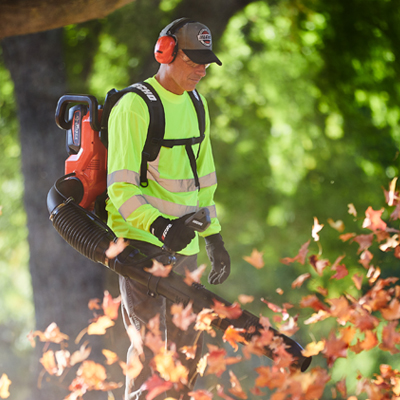
Why and when to use a leaf blower
Leaf blowers are fast tools for moving leaves, grass clippings, and light debris. They save time compared with raking, especially on large lawns, driveways, and paved areas.
Knowing when to use a leaf blower helps you avoid damage to plants and prevents wasting time on poor conditions. Use a leaf blower effectively when leaves are dry, on flat surfaces, or when cleaning hardscape and gutters.
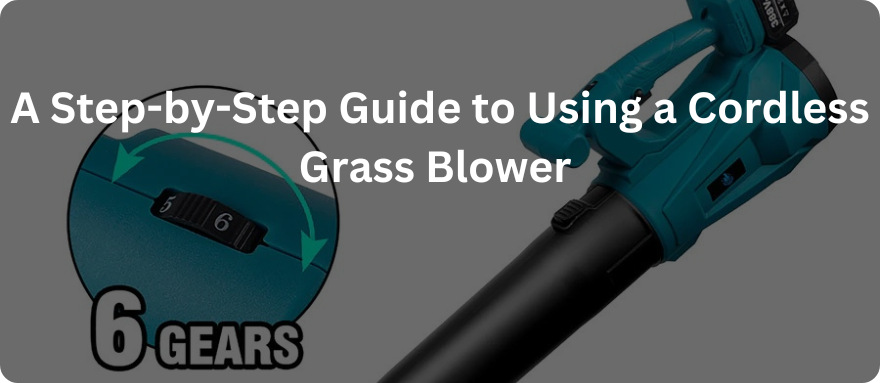
Types of leaf blowers and how to choose one
There are three main types of leaf blowers: corded electric, battery (cordless) electric, and gas. Each type has pros and cons for power, runtime, weight, and noise.
- Corded electric: Lighter and quiet. Best for small yards near power outlets.
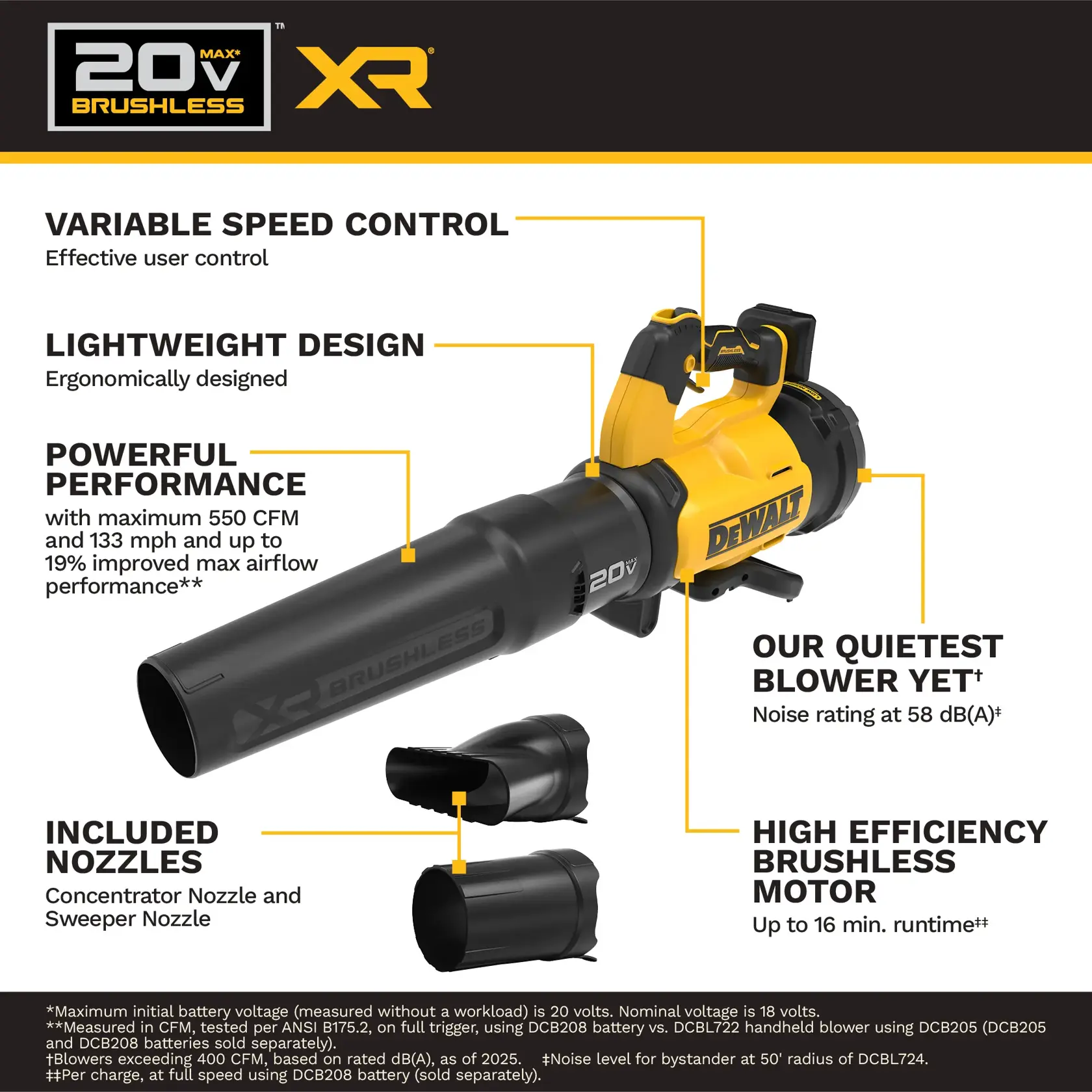
- Battery electric: Portable and quiet. Good balance of power and convenience for medium yards.
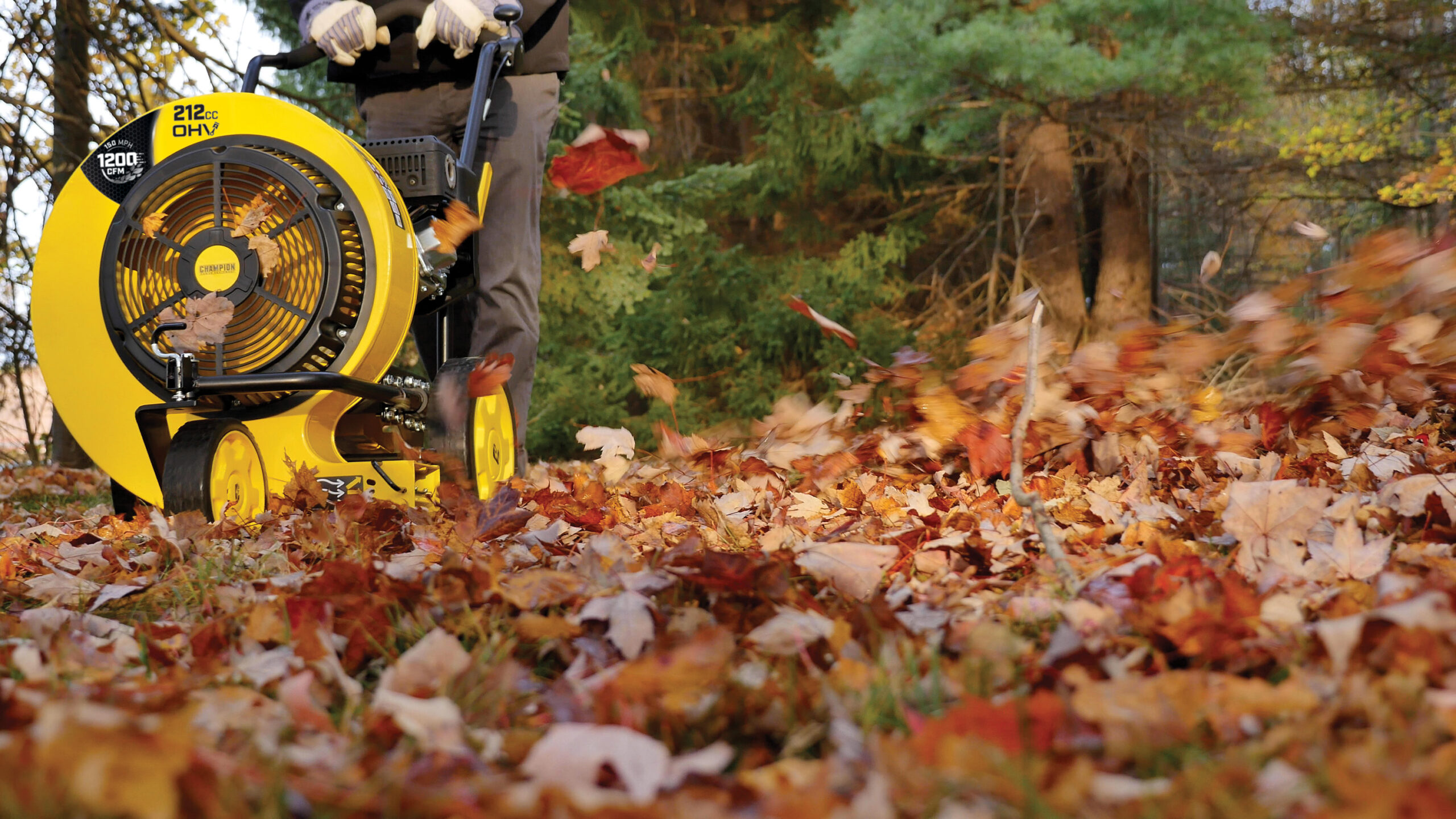
- Gas: Most powerful but heavy and noisy. Good for large properties or wet, compacted leaves.
Choose based on yard size, budget, and noise limits. To use a leaf blower effectively, match the blower’s power and nozzle options to the tasks you do most.
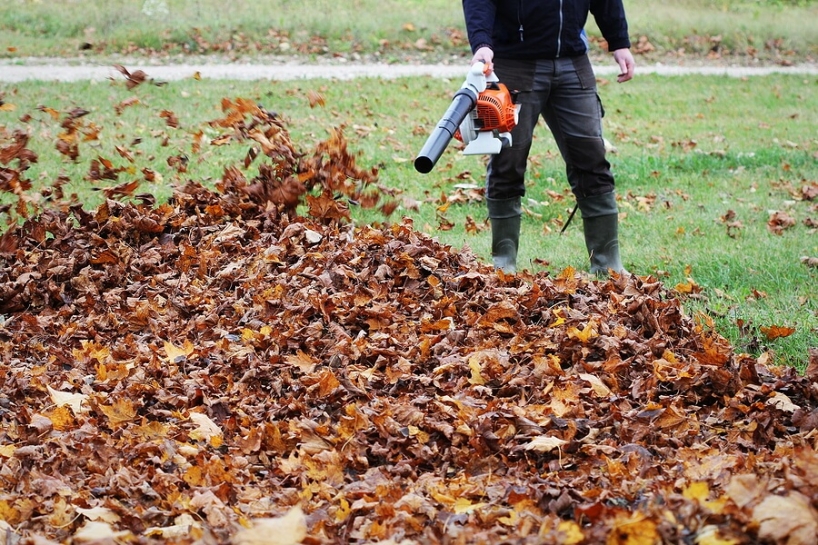
Safety and personal protective equipment
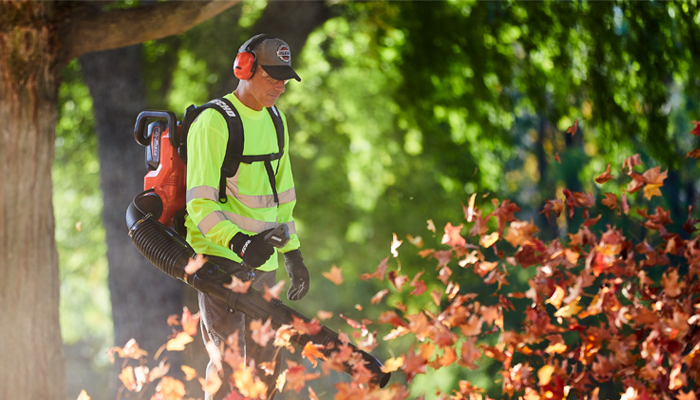
Safety protects you and others while you use a leaf blower. Always wear hearing protection, eye protection, and sturdy shoes. Use gloves and long pants when dealing with debris that can cut or irritate skin.
Follow local noise ordinances and avoid running a blower in early morning or late evening. Keep bystanders and pets well away when using a leaf blower. These simple steps help you use a leaf blower effectively without accidents.
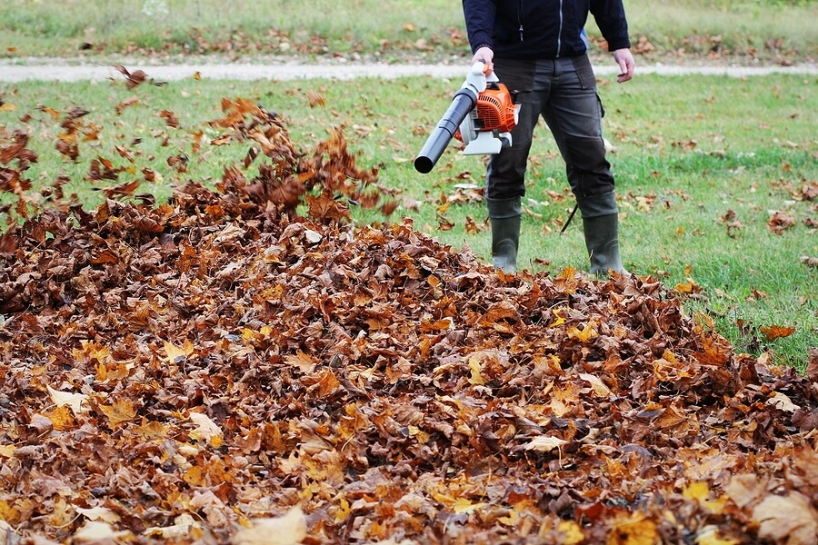
Preparation and planning before you start
Preparation makes work faster and cleaner. Clear fragile items like pots and toys from the area. Close windows and cover vents to limit dust entering your home.
Plan the work pattern. Choose a path that moves leaves toward a single collection point. Set speed and nozzle to match the task. Good planning is one of the easiest ways to use a leaf blower effectively.
Can I blow wet leaves?
Yes, but wet leaves are heavier and may need higher power or multiple passes. A gas blower or a high-power battery model works better on damp debris.
Is it better to rake or blow?
Blow on hard surfaces and large open lawns. Rake near delicate plants and tight areas where you need precision.
How close should I hold the blower?
Hold the nozzle 6 to 12 inches from the surface for most tasks. For stubborn debris, increase distance to avoid digging into the soil.
Techniques for different surfaces
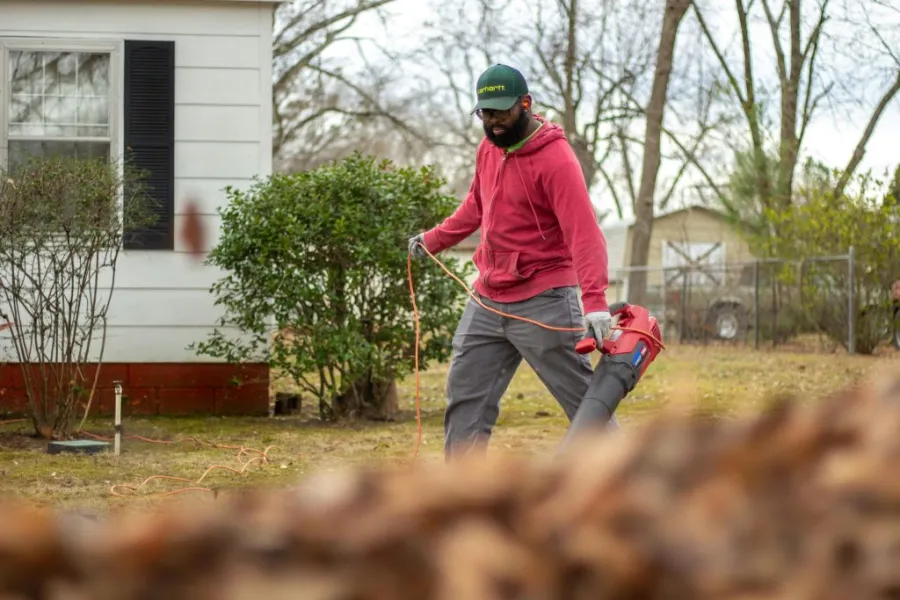
Different surfaces need different techniques. Adjust nozzle, speed, and angle to avoid damage and get the best results.
- Lawns: Use low to medium speed. Sweep leaves into light piles to avoid stripping mulch or wetting soil.
- Driveways and sidewalks: Use medium to high speed. Work in straight lines, pushing debris toward the curb or a collection area.
- Mulch and garden beds: Use low speed and a wider nozzle. Work gently to avoid blowing away mulch and soil.
- Gravel: Use a wide, low-speed sweeping motion to avoid throwing stones. Consider sweeping by hand for polish.
- Gutters: Use a narrow nozzle extension and short bursts to clear clogs. Work from the downspout toward the gutter end.
Use steady, overlapping passes and keep the nozzle moving. Practicing these moves helps you reliably use a leaf blower effectively in every area of your yard.
Maintenance and storage tips
Good maintenance keeps a blower working well and lasts longer. For electric models, keep batteries charged and stored properly. For gas models, check spark plugs, air filters, and fuel mix.
Clean the blower’s intake and nozzle after use. Store equipment in a dry, cool place. Regular checks reduce downtime and help you use a leaf blower effectively season after season.
Environmental, noise, and legal considerations
Leaf blowers affect neighbors and wildlife. Gas blowers produce emissions and more noise than electric models. Many cities restrict the hours or types of blowers allowed.
Choose quieter, battery or corded models where noise ordinances exist. Use low speed when possible to reduce dust and disturbance. Responsible use ensures you can use a leaf blower effectively while respecting rules and neighbors.

Troubleshooting and common mistakes to avoid
Small errors slow you down. Common mistakes include using full power on delicate areas, holding the nozzle too close to plants, and ignoring safety gear.
If leaves blow everywhere, change your angle or lower speed. If the blower stalls, check the fuel or battery and clean air filters. Learning from these small fixes helps you use a leaf blower effectively with fewer headaches.
Frequently Asked Questions of How to use a leaf blower effectively
What is the best blower for a medium-sized yard?
A mid-range battery electric blower often balances power, runtime, and low noise. It handles most medium-yard tasks without the fuss of gas engines.
How do I avoid damaging plants with a leaf blower?
Keep speed low around plants, hold the nozzle farther back, and use sweeping motions rather than blasting directly at foliage.
How long should I run a battery leaf blower before recharging?
Most jobs take 20 to 40 minutes on a single charge for mid-range batteries. Carry a spare battery for longer or larger jobs.
Can I use a leaf blower to clear gutters safely?
Yes, with a nozzle extension and steady, short bursts. Use a ladder safely and avoid leaning too far; consider a gutter-cleaning kit attachment.
Is blowing leaves into the street allowed?
Rules vary. Many towns restrict blowing leaves into streets because it can clog drains. Check local regulations and use a compost or collection point instead.
How do I reduce dust when blowing leaves?
Use lower speed, work when leaves are slightly damp, and sweep slowly to limit airborne dust. Wearing a dust mask helps protect you.
When should I hire a pro instead of doing it myself?
Hire a pro for large properties, heavy wet debris, or complex landscaping. Professionals have high-power gear and experience to finish quickly.
Conclusion
You can use a leaf blower effectively by choosing the right type, preparing carefully, using safe techniques, and practicing good maintenance. Start with a plan, use the right power and nozzle, and work in steady passes toward a single collection point. Try one new technique each time you work, and you’ll see faster, cleaner results. Ready to try these tips? Put them into practice on your next yard day, share your experience, or subscribe for more practical outdoor-care guides.

