

Vacuum artificial turf every 1–3 months for most yards; vacuum more often with pets or heavy traffic.
I’ve worked on dozens of synthetic lawns and commercial turf projects, so I know the common issues owners face. This article answers the central question: How often should you vacuum artificial turf? I explain simple schedules, show signs that your turf needs attention, recommend tools and techniques, and share real-life tips from my experience. Read on to learn a clear, practical plan that keeps your synthetic grass clean, safe, and long-lasting.
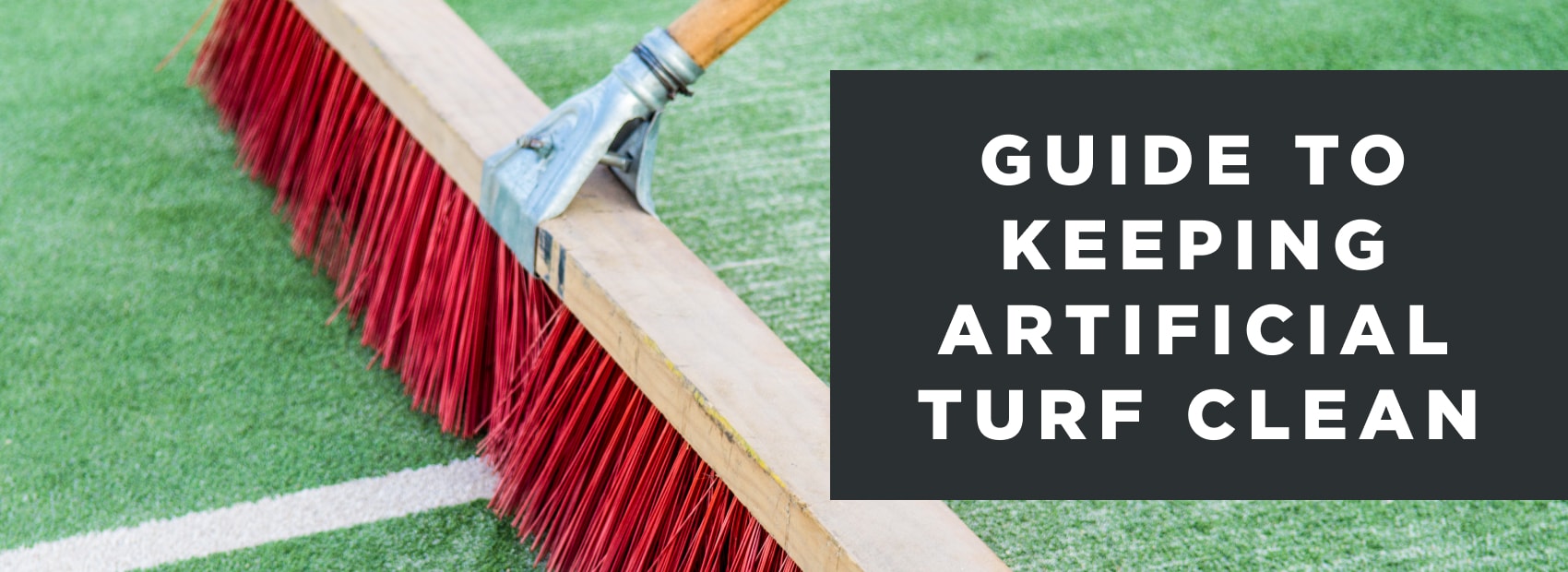
Why vacuum artificial turf?
Vacuuming removes loose debris, pet hair, and small particles that brushing alone can’t clear. Many people ask, "How often should you vacuum artificial turf?" The right schedule prevents odors, keeps drainage working, and helps infill settle evenly. Regular vacuuming reduces wear and extends the turf’s life. From my work, the yards that vacuum routinely look fresher and resist matting.
Common benefits of vacuuming
- Removes fine debris that hampers appearance
- Cuts down on allergens and pet odors
- Helps prevent clumping of infill
- Keeps fibers standing upright and looking natural
When vacuuming matters most
- After heavy leaf fall or storms
- In homes with multiple pets
- On high-traffic play or sports areas

Recommended vacuuming frequency by use case
How often should you vacuum artificial turf? Frequency depends on use. Here are practical schedules I recommend based on real-world use.
Low use — residential with minimal foot traffic
- Vacuum every 3 months to remove dust and light debris.
Moderate use — typical family yard with occasional pets
- Vacuum every 1–2 months, plus quick spot cleanings.
High use — heavy foot traffic, sports fields, or dog runs
- Vacuum weekly to biweekly to control hair, grit, and spills.
Seasonal adjustments
- Spring: vacuum after pollen and winter debris — roughly once in early spring.
- Fall: increase vacuuming during leaf drop.
- Summer: more frequent in drier, dusty climates.
How often should you vacuum artificial turf? Use these ranges and adjust for your yard’s specific needs.

How to vacuum artificial turf: tools and techniques
Choosing the right tools matters. A lightweight turf vacuum or a specialized debris extractor works best. You can also use low-suction shop vacuums with a wide nozzle on a low setting. Strong rotating brushes or high-power vacuums can damage fibers or pull out infill, so avoid them.
Step-by-step vacuum method
- Remove large debris by hand so the vacuum doesn’t clog.
- Set the vacuum to low or gentle suction.
- Run in the direction of the turf fibers for even results.
- Focus on pet areas and near gates where dirt collects.
- Finish with a soft-bristled brush to lift fibers if needed.
Tools and alternatives
- Lightweight turf vacuums designed for synthetic grass
- Low-suction shop vac with a wide, flat head
- Leaf blower for light, dry debris (use with care)
- Power rakes only if manufacturer approves
From experience, gentle and consistent vacuuming beats infrequent aggressive cleaning.

Signs your artificial turf needs vacuuming
You don’t always need a schedule to act. Look for these signs so you can vacuum when needed.
Common warning signs
- Persistent pet odor or visible pet hair
- Compacted or flattened turf fibers
- Slower drainage after rain
- Visible grit, sand, or small debris embedded in the pile
- Uneven infill or clumping
If you notice any of these, ask yourself, "How often should you vacuum artificial turf?" and then vacuum promptly. Catching problems early prevents costly repairs.

Common mistakes and maintenance tips
Avoid these frequent errors I’ve seen on sites. They can shorten turf life or void warranties.
Mistakes to avoid
- Using high-powered vacuums that lift infill or fray fibers
- Skipping spot cleaning for pet messes
- Relying only on leaf blowers for sticky or wet debris
- Over-vacuuming delicate areas — vacuum gently and only as needed
Smart maintenance tips
- Combine vacuuming with regular brushing to keep fibers upright
- Rinse occasional pet areas with water after vacuuming to reduce odors
- Replenish infill if you see low spots after vacuuming or heavy use
- Follow manufacturer cleaning guidelines to preserve warranty
How often should you vacuum artificial turf? Use these tips to tailor your routine so you don’t under- or over-clean.
Cost, time, and frequency adjustments
Time and budget matter. A small residential vacuum session often takes 15–30 minutes. Larger yards or commercial fields need equipment and more labor. Factor this into frequency decisions.
Estimated time and cost
- Small yard: 15–30 minutes per session, minimal cost if you own a vacuum.
- Medium yard: 30–60 minutes; may need rented turf vacuum every few months.
- Large fields: hourly labor or professional cleaning; scheduled weekly or monthly.
Adjust frequency by considering these factors
- Budget for equipment or professional service
- Weather and seasonal debris
- Number of pets and intensity of use
If you still wonder, "How often should you vacuum artificial turf?" balance cost and need. More use equals more cleaning.

Frequently Asked Questions of How often should you vacuum artificial turf?
How often should you vacuum artificial turf if you have pets?
Vacuum pet areas every 1–2 weeks for heavy shedding and at least monthly otherwise. Combine vacuuming with rinsing and spot treatment to control odor and bacteria.
Can a regular home vacuum damage synthetic grass?
High-powered upright vacuums and rotating brush heads can pull infill and fray fibers. Use a low-suction shop vac or a turf-specific vacuum to be safe.
Is vacuuming better than brushing for artificial turf?
They serve different roles. Brushing lifts fibers and evens infill, while vacuuming removes fine debris and hair. Use both on a complementary schedule.
Will vacuuming remove stains or spills on artificial turf?
Vacuuming helps remove loose particles but does not remove stains. For spills, blot and rinse, then follow with vacuuming once the area dries to pick up residue.
Do I need professional cleaning for artificial turf?
Professionals help for large areas, heavy soiling, or deep cleaning needs. Many homeowners can maintain turf with basic vacuuming and occasional professional service.
Conclusion
Regular vacuuming keeps synthetic lawns clean, safe, and longer-lasting. How often should you vacuum artificial turf? Start with a 1–3 month baseline for typical yards, vacuum more often for pets or heavy use, and follow the signs listed here to adjust. Small, consistent efforts prevent big problems later. Try a simple schedule this month: assess your turf, pick one of the recommended frequencies, and set a reminder. If this guide helped, subscribe for more turf care tips or leave a comment with your turf questions.

