

A turf vacuum removes debris, reduces infill compaction, and keeps artificial turf healthy longer.
I’ve spent years maintaining sports fields and residential lawns, and I’ve used turf vacuum machines on dozens of projects. This article explains what a turf vacuum does, why the benefits of using a turf vacuum matter, and how to choose and use one to get the best results for artificial turf, playgrounds, and landscaping. Read on for clear, practical guidance from hands-on experience and industry best practice.

What is a turf vacuum and how it works
A turf vacuum is a powered machine that suctions loose debris, pet hair, leaves, sand, and rubber infill from artificial turf. It uses a mouth or nozzle, a vacuum fan, and a collection hopper or bag. Some models also have brushes or agitation tools to lift debris from the turf fibers first.
The turf vacuum removes surface and near-surface debris without damaging the turf fibers. It can be walk-behind, ride-on, or truck-mounted, which makes it flexible for small yards and large sports fields. Knowing how a turf vacuum works helps you pick the right model for your job.

Top benefits of using a turf vacuum
Using a turf vacuum brings many clear benefits. Below are the main advantages and simple explanations for each.
-
Keeps turf clean and safe
- A turf vacuum quickly removes leaves, trash, and pet waste. Cleaner turf reduces slipping hazards and makes play areas safer.
-
Improves drainage and reduces puddles
- By removing compacted infill and fine debris, a turf vacuum helps water pass through the turf. Better drainage cuts down on standing water and plant growth.
-
Prolongs turf lifespan
- Debris and compacted infill wear fibers over time. Regular vacuuming reduces friction and helps the turf last longer.
-
Restores turf appearance and playability
- A turf vacuum lifts fibers, evens out infill, and restores a fresh, uniform look. Fields play better and look professional after vacuuming.
-
Reduces odors and bacteria
- Removing pet hair, food scraps, and organic matter helps cut foul smells and reduces bacteria growth on turf surfaces.
-
Lowers long-term maintenance costs
- Regular use of a turf vacuum reduces the need for costly repairs and full infill replacement. It is an investment that pays off over seasons.
-
Speeds up cleanup time
- A turf vacuum cleans large areas faster than rakes or hand picking. This saves labor time and gets fields back into use quickly.
-
Helps with allergen control
- Removing pollen, dust, and debris reduces airborne allergens around artificial turf. This improves comfort for players and spectators.
-
Supports turf infill management
- Turf vacuums can remove excess or contaminated infill so you can add clean infill as needed. This keeps the fiber-to-infill ratio balanced.
-
Versatile for multiple surfaces
- You can use a turf vacuum on sports fields, playgrounds, rooftops, and landscaping areas. Its versatility is a major practical benefit.
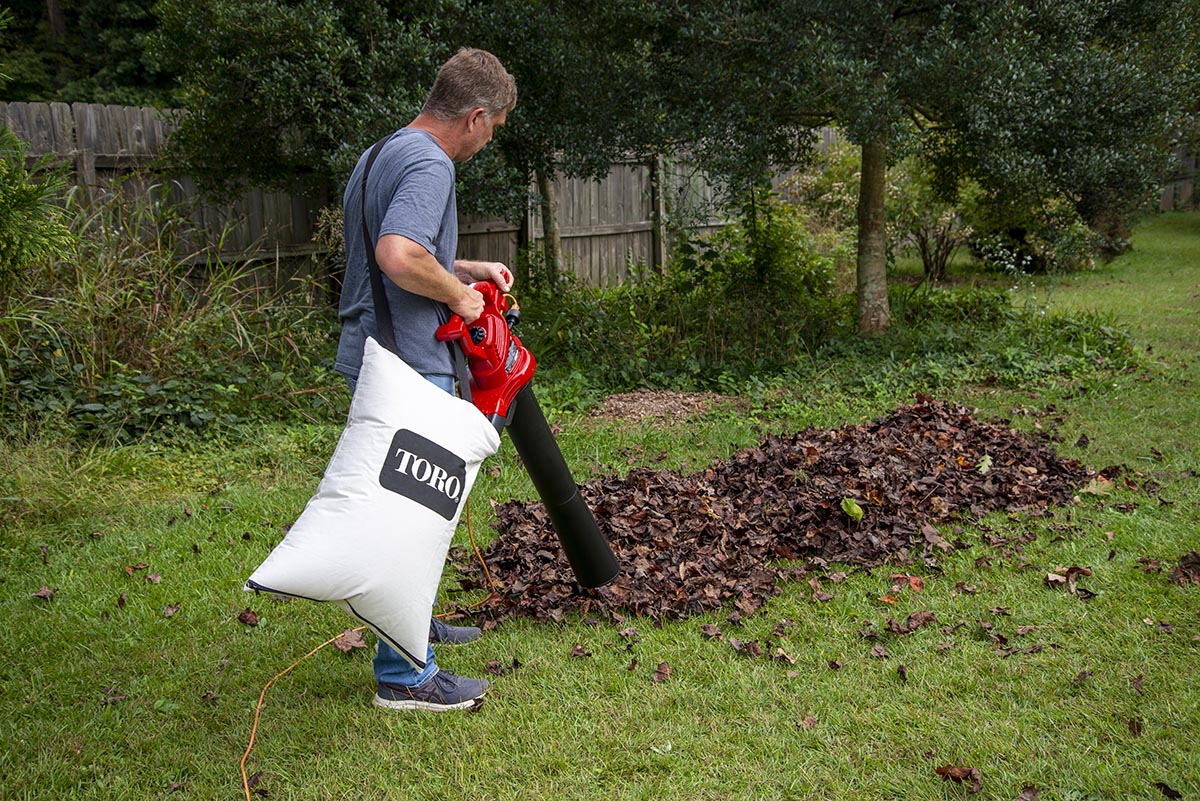
Real-world examples and use cases
Sports field manager
I worked with a university field crew that used a ride-on turf vacuum after each season. The turf vacuum removed debris and reduced rubber infill compaction. The field stayed playable longer and needed fewer major repairs.
Residential landscaper
A client with a backyard turf and a dog used a compact turf vacuum once a month. The vacuum removed pet hair and food scraps. The yard stayed cleaner and the dog smelled fresher.
Park and playground maintenance
Parks that use turf vacuum equipment report fewer slips and less organic buildup in playground areas. They also saw less weed growth around turf edges.
Contractors and installers
After installation, contractors use a turf vacuum to remove fine sand, loose fibers, and debris. This step improves the final look and helps the new surface settle evenly.
These examples show how the benefits of using a turf vacuum apply in real settings. Regular use changes maintenance from reactive to proactive.
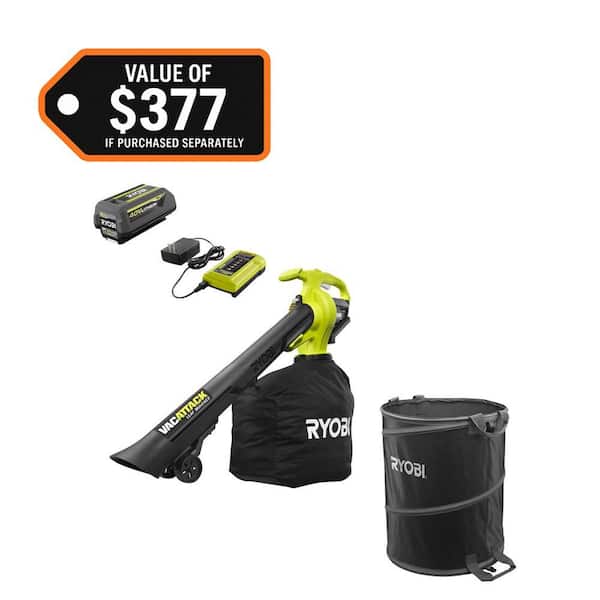
How to choose and maintain a turf vacuum
Choosing the right turf vacuum depends on size, debris type, and budget. Here are practical tips.
-
Match machine size to area
- Small yards do well with handheld or walk-behind units. Large fields need ride-on or truck-mounted systems.
-
Consider suction power and agitation
- Strong suction and a gentle brush system work best for trapped debris. Avoid overly aggressive brushes that can harm fibers.
-
Check collection capacity
- Larger hoppers mean fewer stops on big jobs. For pet-heavy areas, choose a model that contains hair well.
-
Look for adjustable height and nozzle options
- Adjustable settings let you tune the turf vacuum for different pile heights and infill depths.
-
Budget for maintenance
- Replace filters and belts and clean the fan and hopper regularly. A well-maintained turf vacuum lasts longer and performs better.
Maintenance routine I follow
I clean the hopper and check the fan after each job. I inspect brushes monthly and replace worn parts early. These small steps keep performance high and protect the turf.

Limitations and when a turf vacuum may not be ideal
A turf vacuum is a powerful tool, but it has limits. Know these before you buy.
-
Not a substitute for deep cleaning
- A turf vacuum removes loose debris and some infill, but it won't replace deep cleaning methods for embedded stains or mold.
-
Less effective on wet turf
- Wet debris clumps and can clog a turf vacuum. Wait until turf is dry for best results.
-
Initial cost can be high
- Commercial-grade turf vacuum systems can cost several thousand dollars. Factor in long-term savings versus upfront price.
-
Noise and power needs
- Turf vacuums can be loud and may require a generator for large cordless models. Consider noise limits in residential areas.
-
Potential fiber wear with misuse
- Over-aggressive settings or using the wrong nozzle can damage fibers. Always test on a small patch first.
These limits help set realistic expectations about the benefits of using a turf vacuum. Proper use and maintenance reduce many downsides.
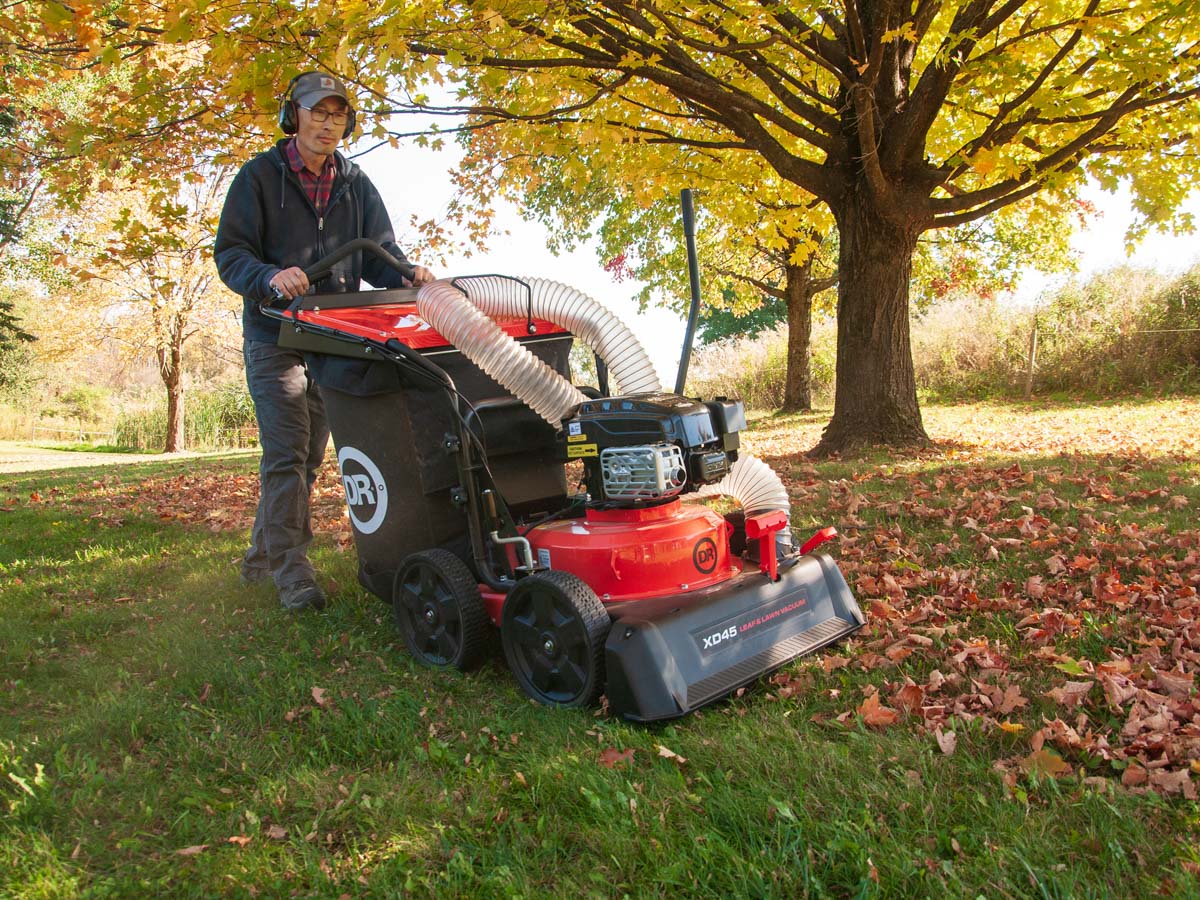
Frequently Asked Questions
What does a turf vacuum remove from artificial turf?
A turf vacuum removes leaves, trash, pet hair, and loose infill from the turf surface and just below the fibers. It helps keep the turf clean and ready for use.
How often should I use a turf vacuum on my field?
For heavy-use fields, weekly or biweekly vacuuming works best. For residential lawns, once a month or after heavy shedding events is usually enough.
Can a turf vacuum damage artificial turf?
When used correctly, a turf vacuum does not damage turf. Use gentle agitation settings and appropriate nozzles to avoid fiber wear.
Is a turf vacuum worth the cost for homeowners?
Yes, for pet owners or small yards with heavy debris, a compact turf vacuum can save time and help turf last longer. Evaluate cost against how often you need cleaning.
Does a turf vacuum help with drainage issues?
A turf vacuum can improve drainage by removing compacted fine debris and contaminated infill. It helps water flow through the turf more effectively.
Can I use a turf vacuum on natural grass?
Turf vacuums are designed for synthetic turf but some models can be used on certain natural grass tasks like leaf removal. Check the manufacturer’s guidance before using on natural grass.
How do I dispose of the debris collected by a turf vacuum?
Sort and dispose of debris according to local rules. Organic materials can go to compost where allowed, and non-organic trash should go to the proper waste stream.
Conclusion
Using a turf vacuum offers clear, practical benefits: cleaner surfaces, better drainage, longer turf life, and lower long-term costs. From sports fields to backyard lawns, the benefits of using a turf vacuum make maintenance faster and more effective. Start small if you need to, test settings, and keep a routine maintenance plan for the machine. Try a turf vacuum on a small area this month and see the difference—then decide if a larger investment makes sense for your situation. Share your results, ask questions, or subscribe for more turf care tips.

