

Yes — lawn sweepers can work on artificial turf, but choice and care matter for good results.
I have installed, maintained, and tested artificial turf for yards and sports fields for over a decade. In this guide I explain exactly how lawn sweepers interact with synthetic grass, which machines work best, what to avoid, and simple steps to keep your turf clean without damage. Read on to learn practical tips, safety checks, and my hands-on lessons so you can decide if a lawn sweeper fits your artificial turf care routine.

How lawn sweepers work and why it matters for turf
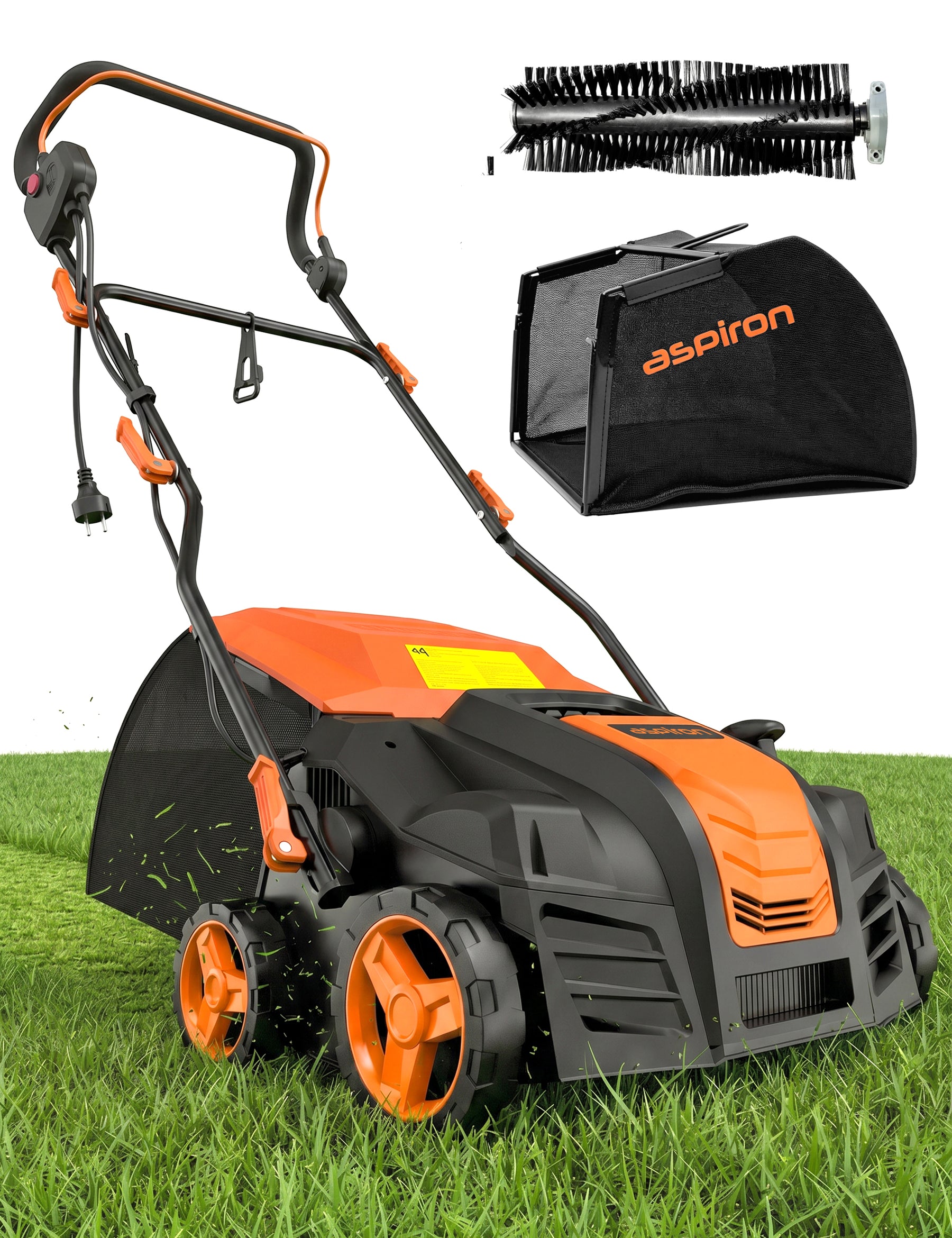
Lawn sweepers pull debris into a hopper using rotating brushes or tines. They were built for real grass, pulling leaves, grass clippings, and small sticks from the surface. On artificial turf, the brushes meet synthetic fibers and infill, so the action can help remove loose debris but may also shift infill or rub fibers.
Do lawn sweepers work on artificial turf? Yes, they can remove surface debris fast. But the cleaner must match the turf type and the sweeper settings must be gentle to avoid damage.

Types of lawn sweepers and suitability for artificial turf
Push sweepers use hand power and light brushes. They usually have less force and can be fine for small artificial turf areas.
Tow-behind sweepers are stronger and use larger brushes. High power can displace crumb rubber or sand infill and may fray fibers on sensitive turf.
Powered sweepers and vacuum sweepers often pull debris and infill. These can be too aggressive unless set to low suction. Battery sweepers with soft rollers can be a good middle ground.
Do lawn sweepers work on artificial turf? Soft-brush or adjustable sweepers work best. Choose low-impact models and test on a small patch first.
Benefits of using a lawn sweeper on artificial turf
Removes leaves, twigs, and pollen quickly. This prevents organic debris from breaking down and staining the turf.
Saves time and labor versus hand raking or picking. For low-maintenance yards, sweepers speed routine cleaning.
Helps prepare turf for deep cleaning or deodorizing treatments. Sweeping clears the top layer before rinsing or disinfection.
Do lawn sweepers work on artificial turf? When used right, they keep turf tidy and reduce microbial growth by removing wet debris.

Risks, damage modes, and how to avoid them
Brush abrasion can fray synthetic fibers if brushes are too stiff. Constant heavy contact will wear down pile over time.
Infill displacement happens when brushes or suction pull sand or crumb rubber out of the tuft. Low infill reduces cushioning and makes the turf look uneven.
Wheel scuffs or track marks may show from heavy sweepers on soft base. This can compact the backing or show lines.
To reduce risk:
- Do a spot test in an unseen area first.
- Use soft-bristle or foam brushes only.
- Run sweepers at low speed or low brush height.
- Avoid sweepers that dig into the turf backing.
Do lawn sweepers work on artificial turf? Yes, but only if you manage brush stiffness, speed, and infill movement.
How to choose a lawn sweeper for artificial turf
Match the brush type to turf:
- Soft nylon brushes or foam rollers for pile protection.
- Adjustable-height brushes to avoid bottoming out.
Look for features:
- Brush speed control or variable RPM.
- Light weight or easy lift design.
- Detachable hopper for fast emptying.
- Wheels with soft tread to avoid marks.
Test and compare:
- Try the sweeper on a small area.
- Check for infill loss, fiber fraying, or backing exposure.
- Measure debris pickup versus turf disturbance.
Do lawn sweepers work on artificial turf? Select a model with gentle action and adjustable settings for best outcomes.

Alternatives and complementary tools for artificial turf cleaning
Leaf blowers work well for loose dry debris without contact. They avoid fiber wear but can scatter infill if too close.
Hand rakes with wide plastic tines are safe for detail work and small jobs. They let you control pressure and avoid infill loss.
Power brooms and synthetic turf brushes are made for turf. They restore pile and redistribute infill while removing debris.
Wet cleaning: hose, mild detergent, and soft brush remove stains and pet messes. Use low-pressure water to rinse.
Do lawn sweepers work on artificial turf? They can be part of a toolkit that also includes blowers, soft rakes, and turf-specific brushes.

Best practices and routine maintenance
Create a cleaning schedule:
- Weekly for leafy seasons and heavy use.
- Monthly for light-use yards.
Before sweeping:
- Remove large branches by hand.
- Brush the turf to lift pile and redistribute infill.
While sweeping:
- Use low brush height and slow speed.
- Sweep with the grain of the turf fibers if visible.
After sweeping:
- Check the infill level and add if areas look low.
- Rinse if pollen or dust remains.
- Inspect for wear and report any damage early.
Do lawn sweepers work on artificial turf? With regular, gentle care, they extend turf life and keep it attractive.

Personal experience: what I learned on the job
I used a soft-brush tow sweeper on several home turf installs. It cleared leaves fast and saved hours compared to hand raking. Early on I tried a heavy garden sweeper and saw infill loss after a month. I switched to soft rollers and lower speed. The turf looked better and needed less releveling.
Lesson learned:
- Test before wide use.
- Track infill depth monthly.
- Combine sweeping with a monthly soft brush and rinse.
Do lawn sweepers work on artificial turf? From my experience, yes — when you match tool to turf and watch infill closely.

Cost, time savings, and ROI
A push sweeper costs less than power brooms and can pay off quickly if you maintain a mid-size lawn. Time saved on weekly upkeep adds to value. Avoiding premature turf replacement by using gentle tools also improves long-term ROI.
Do lawn sweepers work on artificial turf? They often save time and money if chosen and used properly.
Troubleshooting common problems
If you see infill loss after sweeping:
- Stop using the sweeper immediately.
- Re-distribute infill with a soft brush.
- Add more infill as needed.
If fibers look frayed:
- Reduce brush stiffness and speed.
- Limit sweeper use to light-duty tasks.
If debris still sticks:
- Try a light rinse before sweeping.
- Use a leaf blower first for dry debris.
Do lawn sweepers work on artificial turf? Troubleshooting and quick fixes keep them safe and effective.
Frequently Asked Questions of Do lawn sweepers work on artificial turf?
Are lawn sweepers safe for all types of artificial turf?
Most lawn sweepers are safe if they use soft brushes and low settings. Turf with loose infill or delicate fibers needs extra care and gentler equipment.
How often should I use a lawn sweeper on artificial turf?
Use a lawn sweeper weekly during heavy leaf fall and every few weeks for normal use. Check infill levels monthly to ensure no steady loss.
Will a sweeper remove pet hair and small debris?
Soft-brush sweepers can remove surface pet hair and small debris, but sticky or wet messes may need a rinse or a turf vacuum. Combine methods for best results.
Can a lawn sweeper remove infill from my turf?
Yes, aggressive sweepers can displace infill if brushes or suction are too strong. Use adjustable, soft-bristle sweepers and test on a small area first.
What should I do if sweeping damages my turf?
Stop using the sweeper and assess the damage. Repair minor wear by redistributing infill and brushing up fibers; consult a pro for backing or major issues.
Conclusion
Lawn sweepers work on artificial turf when you pick the right machine and use it with care. Choose soft brushes, run at low speed, and always test in a small area before full use. Pair sweepers with blowers, soft rakes, and occasional rinses to keep turf healthy and looking its best. Try a gentle sweeper, monitor infill, and adjust your routine as needed to protect your investment. If this guide helped, try one of the suggested methods, leave a comment about your experience, or subscribe for more turf care tips.

