

A push sweeper is hand-pushed and light; a tow-behind sweeper is larger and towed by a mower.
I’ve spent years testing lawn tools and fixing yard gear. This guide explains the difference between a push and tow-behind lawn sweeper in plain terms. You’ll learn how each works, when to pick one, the pros and cons, maintenance tips, and real-world advice from my experience. Read on to make the right choice for your yard and budget.
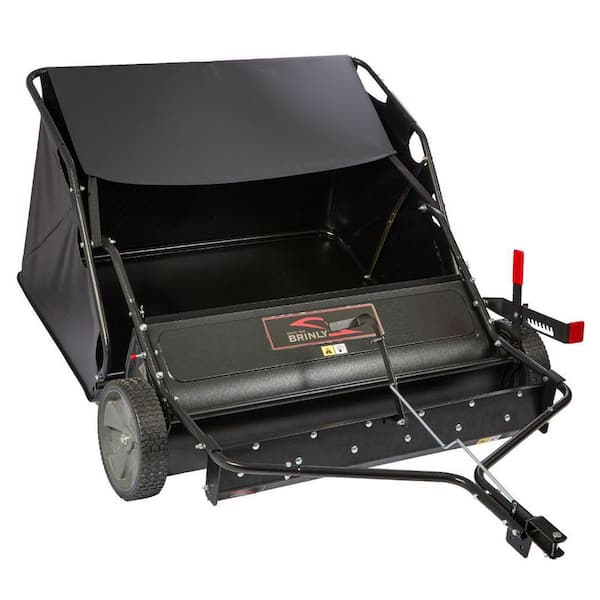 sweepers work”
style=”max-width: 100%; height: auto; border: 2px solid black; border-radius: 10px; display: block; margin: 0 auto;”
loading=”lazy”
/>
How push and tow-behind lawn sweepers work
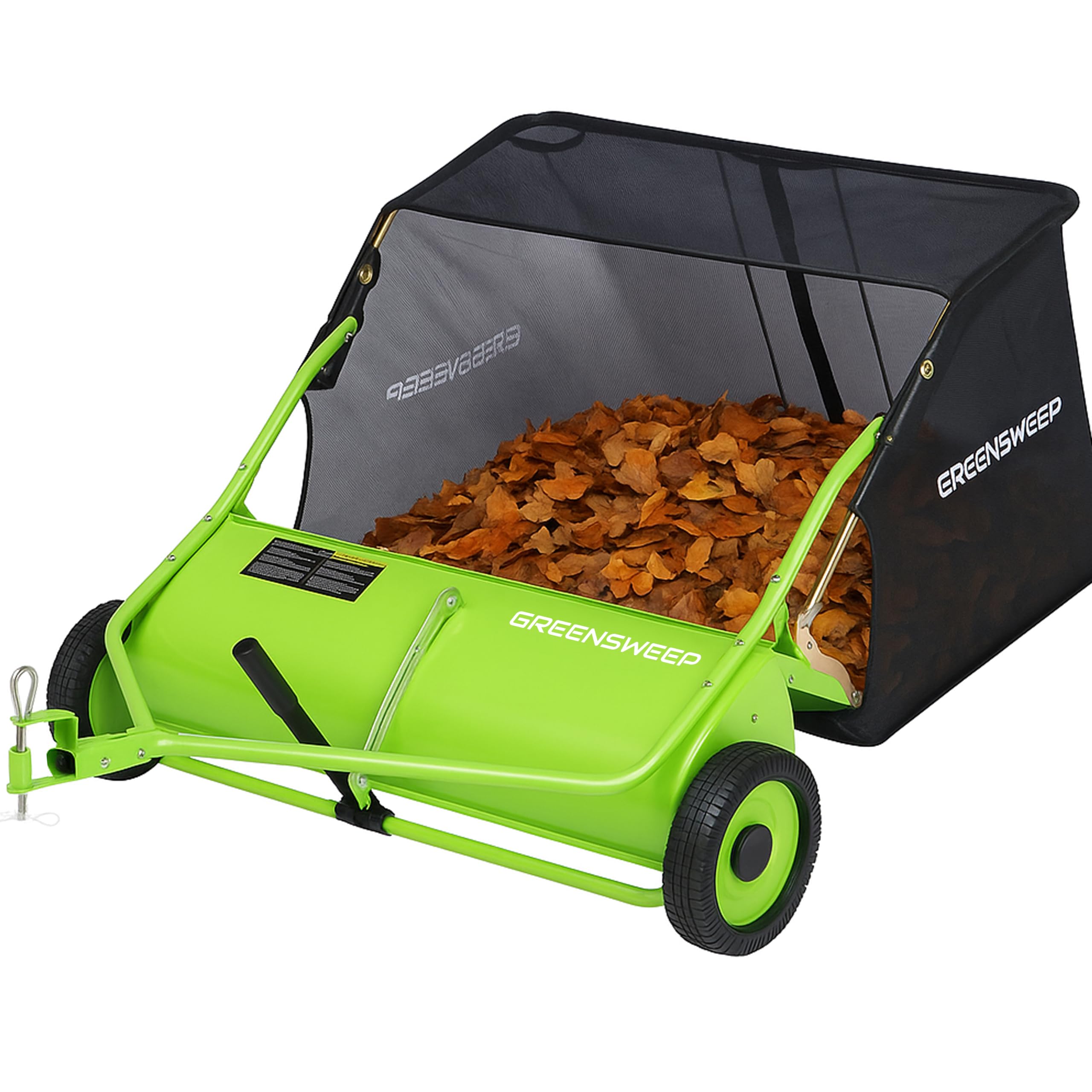
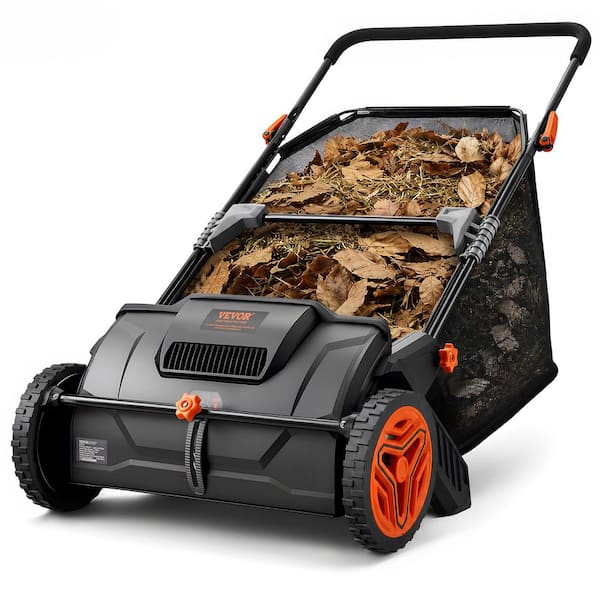
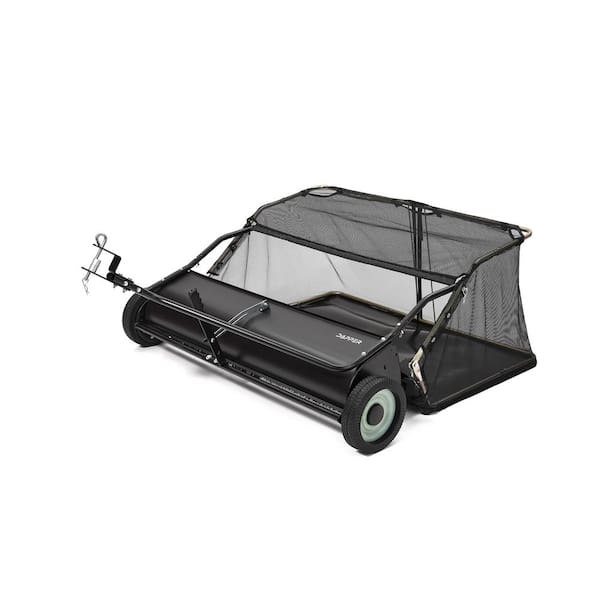
A push sweeper uses you as the power source. You walk and the brushes spin to lift leaves and debris into a hopper. A tow-behind sweeper connects to a mower or ATV and uses ground speed to spin larger brushes and fill a bigger hopper. Understanding the difference between a push and tow-behind lawn sweeper helps you match tool power to yard size and debris type.
Key differences at a glance
Here are the most important ways the difference between a push and tow-behind lawn sweeper shows up:
- Operation and power. Push sweepers rely on human power. Tow-behind sweepers use a vehicle for drive and coverage.
- Hopper capacity. Push units have small bags. Tow-behind models hold far more debris.
- Coverage and speed. Push sweepers are slow and ideal for tight areas. Tow-behind sweepers clean large lawns quickly.
- Weight and storage. Push sweepers are light and easy to store. Tow-behind sweepers require more space and a hitch.
- Cost and complexity. Push sweepers cost less and are simple. Tow-behind sweepers cost more and need a mower or tractor.
Pros and cons: push vs tow-behind
Push sweeper pros:
- Low cost and simple design.
- Easy storage and low maintenance.
- Great for small lawns, patios, and tight spots.
Push sweeper cons:
- Slow work on big yards.
- Limited hopper capacity.
- Can be tiring on slopes or heavy debris.
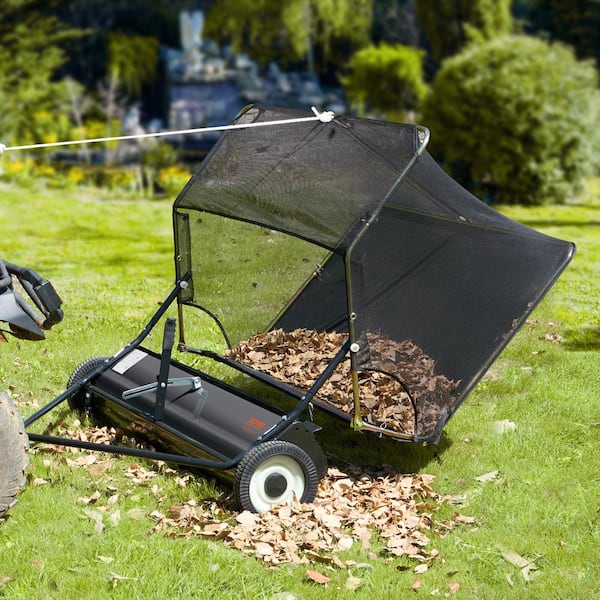
Tow-behind sweeper pros:
- Fast coverage for medium to large lawns.
- Large hopper reduces frequent emptying.
- Often better at picking up heavier debris and pine cones.
Tow-behind sweeper cons:
- Must use a mower, ATV, or tractor.
- Higher initial cost and more maintenance.
- Bulkier to store and transport.
When you weigh the difference between a push and tow-behind lawn sweeper, think about how much time you want to spend and whether you already own towing equipment.

Which to choose: yard size, debris type, and use case
Match the difference between a push and tow-behind lawn sweeper to your yard needs:
- Small yards under one-quarter acre. Pick a push sweeper for light leaf work and tight spaces.
- Medium yards one-quarter to one acre. A tow-behind or a high-capacity push model can work, depending on how often you clean.
- Large yards over one acre. Tow-behind sweepers usually save time and effort.
Debris type matters too. Light leaves and grass clippings are fine for push sweepers. Heavy debris like acorns, sticks, or large volumes favors a tow-behind sweeper. If you mow frequently and already use a mower, the tow-behind option often gives the best return on time.
Maintenance, storage, and lifespan
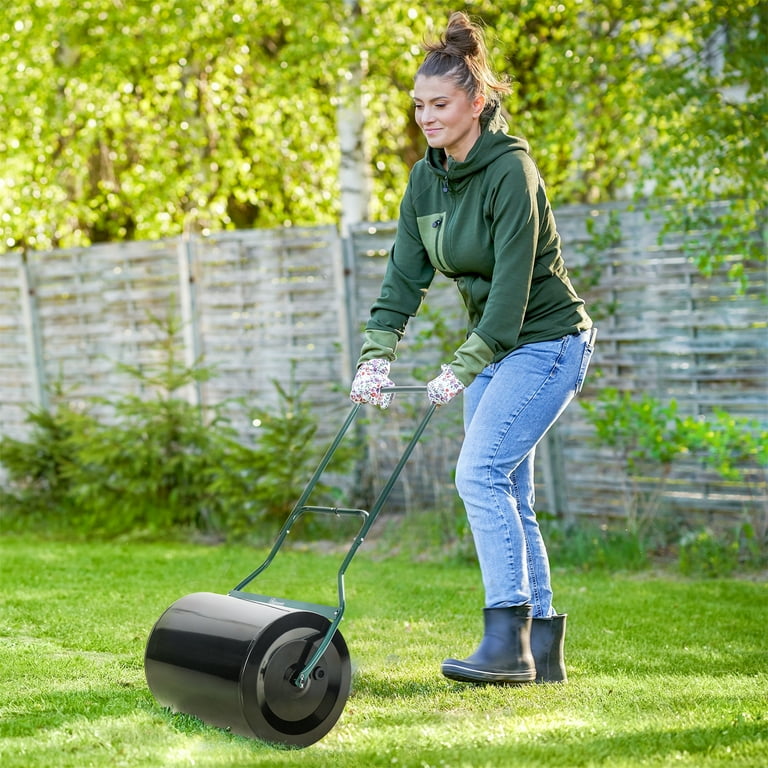
Care keeps any sweeper working well. For push sweepers, check brushes, empty the hopper, and store dry to avoid rust. For tow-behind sweepers, inspect the hitch, drive system, brushes, and bearings. Regular cleaning and seasonal storage under cover extend life. The difference between a push and tow-behind lawn sweeper also shows in parts: tow-behind models may need occasional gearbox or belt checks, while push sweepers usually need only brush replacements.
Cost, value, and where you save
Upfront cost:
- Push sweepers are cheap and simple to buy.
- Tow-behind sweepers cost more but save time on large properties.
Long-term value:
- If you have a small yard, a push sweeper is cost-effective.
- If you mow large areas often, a tow-behind sweeper pays back in saved hours.
Factor in hopper bags, replacement brushes, and any hitch or mounting costs. The real difference between a push and tow-behind lawn sweeper is often measured in hours saved versus dollars spent.

My experience testing push and tow-behind lawn sweepers
I tested both types on lawns with oak leaves, pine needles, and small twigs. Push sweepers won in narrow beds and around flower borders. Tow-behind sweepers finished a half-acre lawn in a fraction of the time. I learned to:
- Match brush height to the grass and debris for better pick-up.
- Empty hoppers before they overfill to avoid clogging.
- Store sweepers indoors in winter to protect bearings.
A key mistake I made early on was buying a tow-behind without checking mower hitch compatibility. That cost time and money. Confirm fit before you buy.
Practical buying checklist and tips
Use this quick checklist before you buy:
- Confirm yard size and typical debris type.
- Check hopper capacity and brush width.
- Verify hitch compatibility for tow-behind models.
- Look for easily replaceable brushes and parts.
- Read user reviews for real-world reliability.
PAA-style questions:
- How big a hopper do I need? Aim for larger hoppers if you clean often or have many trees.
- Do brushes wear out quickly? Brushes do wear and are easy to replace; frequency depends on use and surface roughness.

Frequently Asked Questions
What is a push sweeper best used for?
A push sweeper is best for small lawns, patios, and light leaf cleanup. It works well where maneuverability and low cost matter.
Can a tow-behind sweeper pick up heavy debris?
Yes. A tow-behind sweeper with larger brushes and higher ground speed can handle heavier debris like acorns and twigs. It fills a bigger hopper so you empty less often.
Do I need a special hitch for a tow-behind sweeper?
Most tow-behind sweepers use a standard lawn mower hitch or universal pin. Check your mower’s manual and the sweeper’s specs before buying.
How often should I replace brushes?
Replace brushes when they look worn or stop picking up debris effectively. For regular users, expect to change brushes once a season or every few years, depending on use.
Which sweeper saves more time?
For large properties, a tow-behind sweeper saves significant time. For small yards, a push sweeper is usually fast enough and easier to use.
Conclusion
Choosing between a push and tow-behind lawn sweeper comes down to yard size, debris type, time, and budget. Push sweepers are simple, cheap, and ideal for small spaces. Tow-behind sweepers cost more but handle big jobs fast and reduce labor. Consider where you store gear, whether you have a mower to tow with, and how often you clean. Try one of these steps: measure your yard, list typical debris, and compare hopper sizes before you buy. If this helped, leave a comment with your yard size or subscribe for more practical lawn tool advice.

