

Adjust height by changing wheel stops, cam settings, or crank so brushes just skim the turf.
I’ve adjusted dozens of lawn sweepers for homeowners and pro crews. This guide explains exactly how do you adjust a lawn sweeper height? It covers the tools, steps, settings for different debris, and troubleshooting tips so you get clean results without damaging grass.
Why mower and sweeper height matters
A good sweep height keeps brushes touching debris but not the soil. Too low and you scar the lawn. Too high and the sweeper misses leaves and clippings.
Proper height saves time. It also protects roots and turf health. Knowing how do you adjust a lawn sweeper height? helps you tune performance for turf type and season.
Types of lawn sweepers and their height mechanisms
Most sweepers fall into two groups: tow-behind and push models. Each uses different height controls.
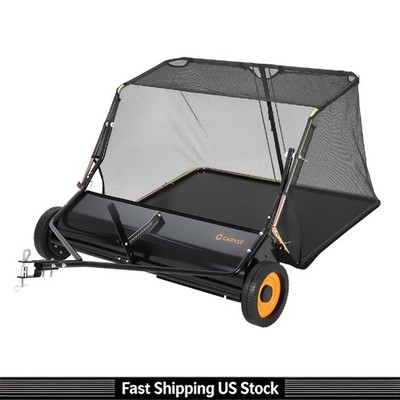
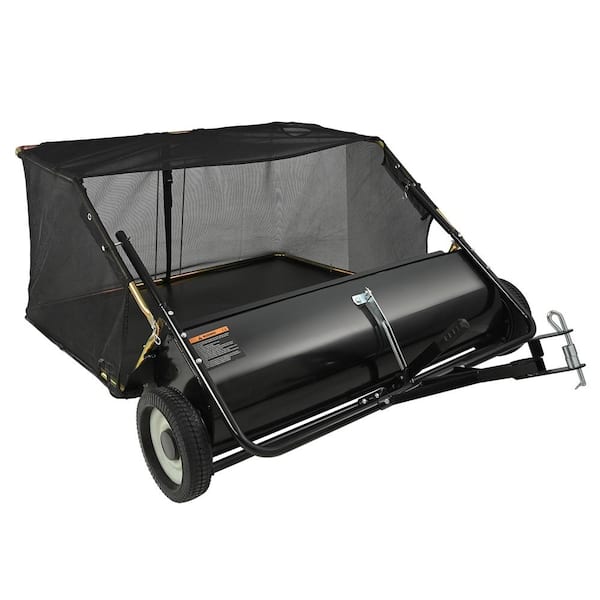
- Tow-behind sweepers
- Use axle collars, cam plates, or crank handles to set brush height.
- Mount to a tractor or lawn tractor hitch.
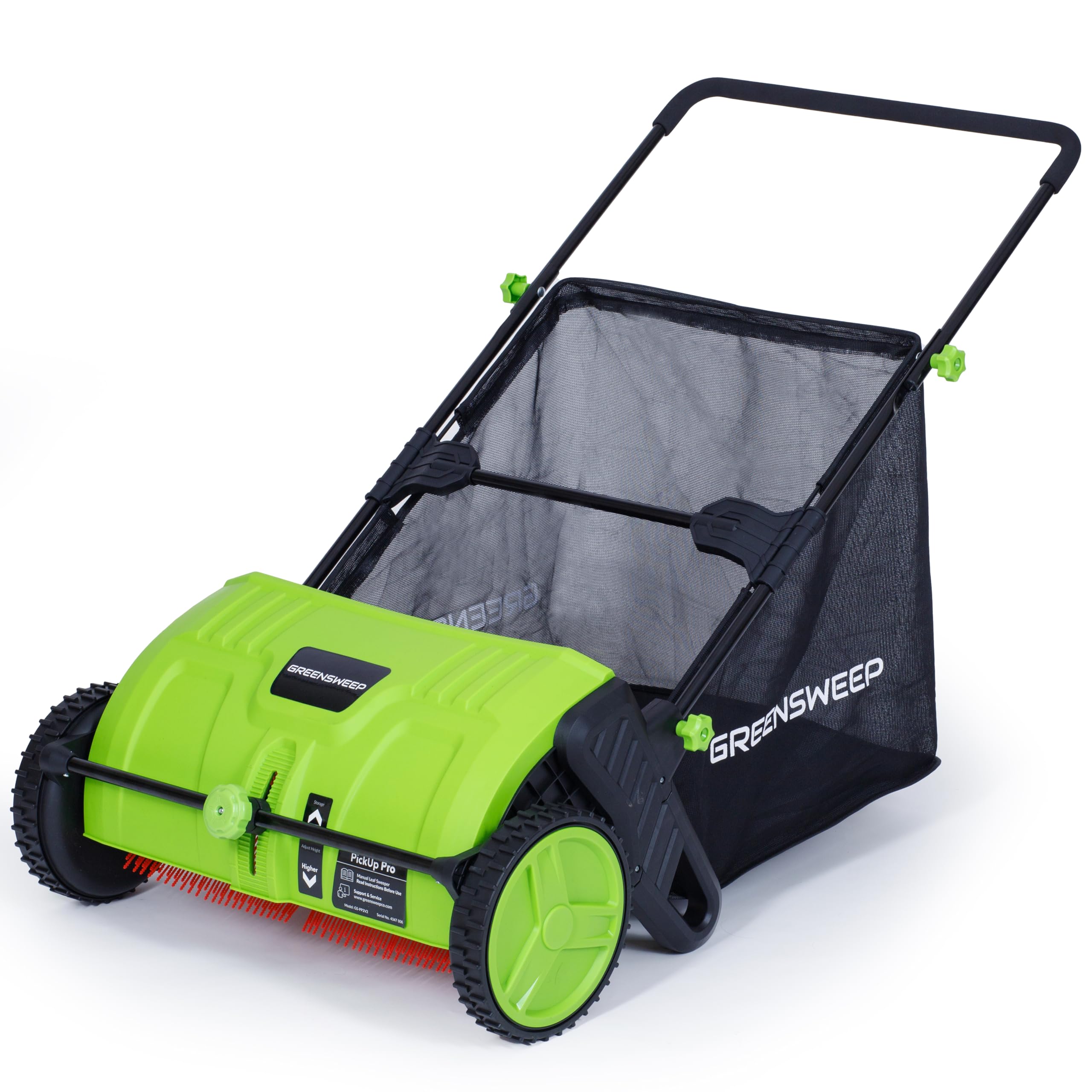
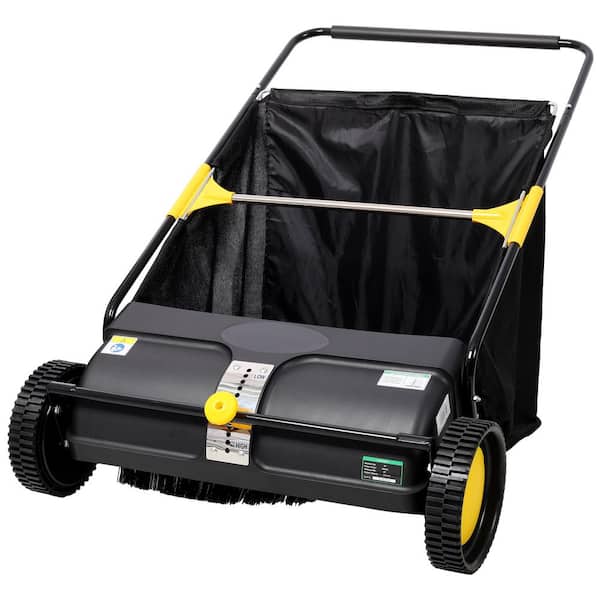
- Push sweepers
- Often use a simple knob or lever to raise or lower the brush axle.
- Best for small yards and light debris.
Common height mechanisms
- Wheel collars that slide along the axle.
- Notched cams with multiple positions.
- Threaded crank posts that raise or lower the hopper and brush.
Understanding the mechanism on your machine makes the adjustment quick. If you ask how do you adjust a lawn sweeper height? first check the manual and then the type of mechanism.
Step-by-step: How do you adjust a lawn sweeper height?
Here’s a simple, safe method you can follow. I use this routine every spring when tuning sweepers for clients.
- Prepare the machine
- Park on level ground.
- Turn off and disconnect any power or tractor PTO.
- Empty the hopper so the sweeper sits at normal weight.
- Inspect the brush and wheels
- Check for worn bristles or bent shafts.
- Replace damaged parts before fine-tuning height.
- Set a baseline
- Lower the brush until it lightly touches a flat board placed on the ground.
- This gives a repeatable reference point.
- Adjust using your mechanism
- For wheel collars: loosen the retaining bolts, slide collars to desired slot, and retighten.
- For cam plates: rotate to a higher or lower notch and secure the lock.
- For crank posts: turn the crank until the brush reaches the baseline.
- Test on turf
- Run the sweeper at walking speed on a narrow strip.
- Check pickup and look for turf scuffing.
- Final tweak
- Raise the brush one notch if you see scuffing.
- Lower one notch if pickup is poor.
If you still wonder how do you adjust a lawn sweeper height? follow these steps again and adjust incrementally. Small moves give better results than large shifts.
PAA-style quick Q
- How close should the brushes be to the grass?
- Brushes should skim debris without digging into the soil. A hair’s width above ground often works.

Best height settings by debris type and grass
Different debris and turf call for different settings. Use these quick guides.
- Fresh grass clippings
- Slightly higher setting to avoid packing the hopper.
- Dry leaves and pine needles
- Lower setting to ensure the brushes pick up light material.
- Small twigs and seed pods
- Mid-low setting and slower ground speed for better capture.
- Uneven or thin turf
- Raise the brush to prevent damage and avoid aggressive contact.
If you’re still asking how do you adjust a lawn sweeper height? focus first on turf health. Start high and lower until pickup improves.

Troubleshooting and tips from real use
I’ve made mistakes tuning sweepers. Here are lessons I learned and tips I share with clients.
Common problems and fixes
- Sweeper leaves streaks or gouges
- Cause: brush too low.
- Fix: raise one notch and retest.
- Hopper fills slowly
- Cause: brush too high or worn bristles.
- Fix: lower slightly or replace brushes.
- Machine bounces or skips
- Cause: uneven wheel collars or loose hardware.
- Fix: check wheel alignment and tighten bolts.
Practical tips
- Mark a preferred notch with paint or tape after you find the right height. This saves time later.
- Check height after you change tires or hitch position. Changes alter brush clearance.
- Adjust by small amounts. One notch often makes a big difference.
If you want to know how do you adjust a lawn sweeper height? use these rapid fixes to get back to work.

Maintenance and calibration to keep height consistent
Routine care keeps your settings stable. I calibrate sweepers twice a season for my clients.
Daily and seasonal checks
- Clean debris from brush, axle, and cams.
- Inspect for worn or missing bristles.
- Lubricate pivot points and threads.
Calibration steps
- Use a flat board to set the baseline again.
- Check both sides of the axle for equal height.
- Tighten all locking hardware after adjustment.
Keep a simple log of settings for different tasks. When you ask how do you adjust a lawn sweeper height? a log speeds repeatability.
Frequently Asked Questions of How do you adjust a lawn sweeper height?
How low should I set my lawn sweeper for leaves?
Set the brush low enough to pick leaves but not low enough to touch soil. If you see turf marks, raise one notch and retest.
Can I adjust height without tools?
Some models have hand knobs or levers. Others need wrenches for collars and bolts. Check your owner’s manual for the exact method.
How often should I recheck the sweep height?
Recheck after every major job, and at least monthly during heavy use. Tires, hitch changes, and worn parts can shift height.
Will lowering the brush damage artificial turf?
Yes. Lower brushes can abrade synthetic fibers. Keep sweepers raised and use a soft brush attachment on artificial turf.
What if my sweeper still misses debris after adjustment?
Try lowering slightly, slow your ground speed, and inspect bristles for wear. Worn brushes often cause poor pickup even at correct height.
Conclusion
Mastering how do you adjust a lawn sweeper height? makes yard work faster and safer. Start with small changes, use a flat board for a baseline, and test on a narrow strip before doing the whole lawn. Keep parts clean, mark your favorite settings, and recheck after heavy use or equipment changes.
Try these steps on your next cleanup. Share what worked for you or ask a question below to get tailored tips.

