

Most lawn sweepers clog or underperform due to worn brushes, wrong settings, or debris buildup.
I have repaired and tuned many tow-behind and push lawn sweepers. This guide walks you through practical lawn sweeper troubleshooting. You will learn how to diagnose common faults, fix them with simple tools, and prevent future problems. Read on for clear steps, real tips from my experience, and a checklist you can use on your next yard day.

Common lawn sweeper troubleshooting issues and quick fixes
Most problems are simple and have fast fixes. I will list symptoms, likely causes, and quick remedies. Follow these steps to get your sweeper picking up leaves, grass, and debris again.
- Clogs and poor pickup: Brushes worn or packed with debris. Clean brushes and replace if bristles are flattened.
- Hopper not filling: Discharge or chute jammed, or hopper setting too low. Clear the chute and raise the hopper height slightly.
- Wheels spinning or skipping: Low tire pressure, seized hub, or worn drive gears. Inflate tires and lubricate hubs.
- Uneven pickup stripe: Worn brush segments or wrong brush height. Replace brush sections and set height uniformly.
- Handle or frame wobble: Loose bolts or bent frame tube. Tighten hardware and straighten or replace bent parts.
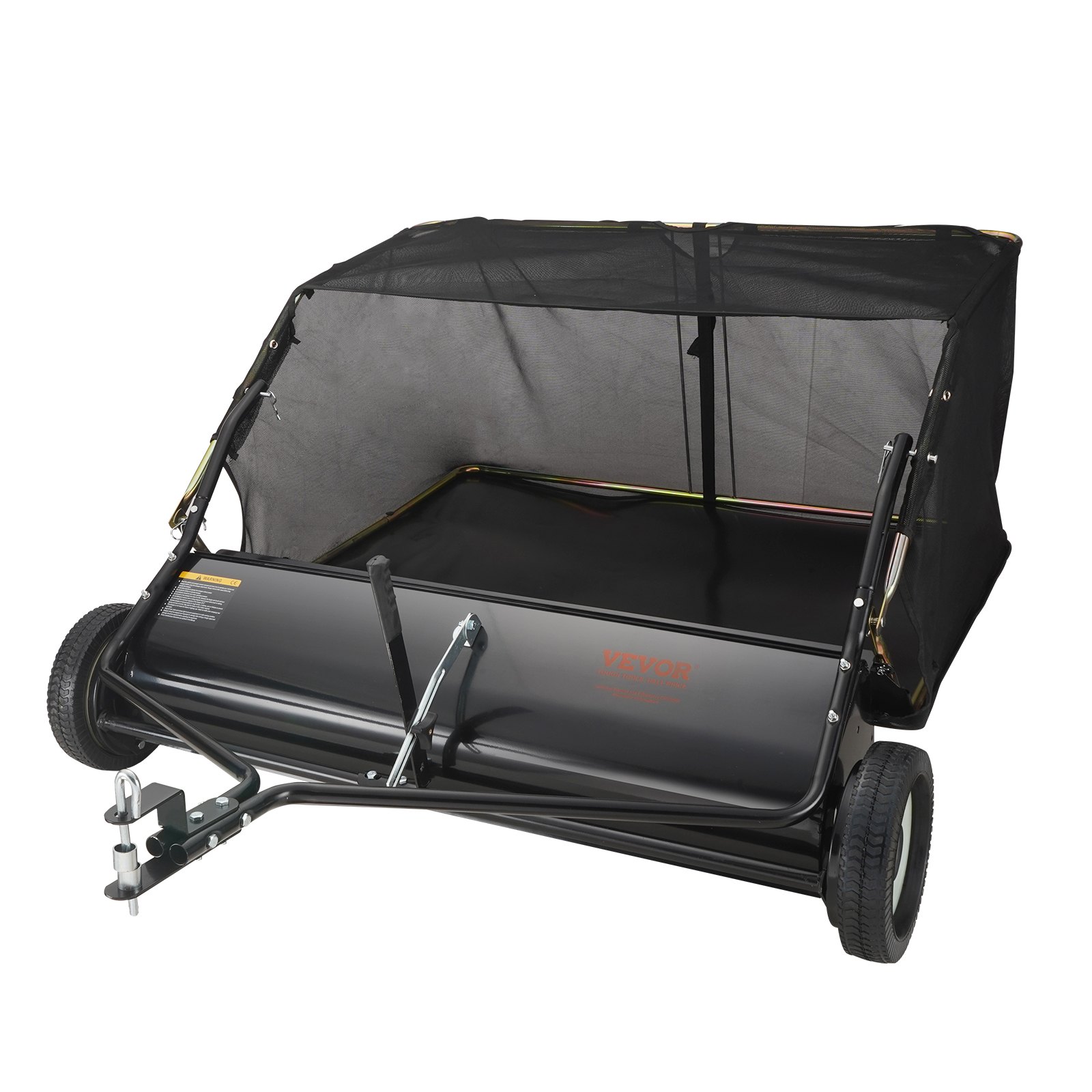
Diagnosing component problems step-by-step
Start with a visual check. Then test each component. Use these short steps to pinpoint issues fast.
-
Inspect brush roller
- Look for missing bristles, hair wrapped around the shaft, or rusted bearings.
- Spin the brush by hand. It should rotate smoothly and return to rest slowly.
- Signs you need a new roller: wobble, loud grinding, or bristles almost gone.
-
Check hopper and discharge
- Remove debris from the hopper and chute.
- Look for bent flaps or cracked plastic that blocks flow.
- Test by sweeping a small pile; watch how material moves into the hopper.
-
Examine wheels and axles
- Lift the sweeper and check wheel bearings by spinning wheels.
- Look for play at the axle. Replace bearings if wheels wobble.
- Check tires for dry rot or low pressure.
-
Inspect drive system and belts
- For mechanical drives, check belts for cracks or glazing.
- Observe gear engagement while turning wheels by hand.
- Replace worn belts and lubricate gear splines per manufacturer spec.
-
Frame, hitch, and hardware
- Tighten loose bolts and check hitch pin for wear.
- Bent or cracked frames reduce performance and safety.
- Replace any compromised structural parts before reuse.
Preventive maintenance schedule and tips
A little care saves time and money. Use this simple schedule to avoid most lawn sweeper troubleshooting later.
-
After each use
- Empty hopper and remove debris from brush and chute.
- Rinse with water if material is wet, then dry to avoid rust.
-
Monthly during season
- Check brush wear and alignment.
- Lubricate wheel bearings and pivot points.
- Tighten fasteners and inspect belts.
-
Off-season storage
- Clean thoroughly and store dry indoors if possible.
- Remove brushes or store elevated to avoid bristle deformation.
- Apply light oil to metal parts and remove battery if equipped.

Tools, replacement parts, and buying advice
Carry a small kit to make field repairs quick. Knowing which parts wear first helps you plan purchases.
-
Essential tools to keep on hand
- Adjustable wrench for nuts and axles.
- Needle-nose pliers for clips and cotter pins.
- Wire brush for cleaning bristles and metal parts.
- Small tube of grease for bearings.
-
Common replacement parts
- Brush roller or brush segments.
- Bearings and axle kits.
- Drive belts and pulley assemblies.
- Hopper latches and plastic chutes.
-
Buying tips
- Match part numbers to your model. Fit matters.
- Choose OEM parts for key wear items when possible.
- For older sweepers, consider universal brushes with similar diameter and bristle length.

When to repair, when to replace
Decide early whether to invest in repair or replace the sweeper. This helps control costs and keeps your yard time efficient.
-
Repair when
- Problems are localized to brush, bearings, belts, or hopper parts.
- The frame is straight and hitch is solid.
- Repair cost is under half the price of a new unit.
-
Replace when
- The frame is cracked or severely corroded.
- Multiple major systems fail at once.
- New model offers large performance gains or safety improvements.
-
Consider resale and age
- If your sweeper is older than 10 years and needs major parts, replacement is often wiser.
- For high-value models, parts may still be cost-effective.

Pro tips and personal experience with lawn sweeper troubleshooting
I have tuned sweepers for wet leaves, pine needles, and gravel. These tips come from doing many jobs and learning fast fixes.
-
Match brush stiffness to debris
- Stiffer brushes work well for wet leaves and gravel.
- Softer brushes pick up dry leaves and grass clippings more gently.
- I keep two brush rollers and swap them by season.
-
Avoid sweeping wet heavy loads
- Wet material clogs the hopper quickly.
- If you must, increase hopper height and work in smaller passes.
- I learned this the hard way when a full hopper stuck to the brush roller.
-
Use simple tweaks to boost pickup
- Adjust ground clearance in 1/4-inch steps.
- Move slower on the first pass to let brushes lift debris.
- Regularly check for tangled string and hair around the core.
-
Mistakes to avoid
- Do not use pressure washers on sealed bearings.
- Do not over-tighten belts; that shortens life.
- I once ruined a good roller by forcing a wrong-size belt on it.

Frequently Asked Questions of Lawn sweeper troubleshooting
Why is my lawn sweeper not picking up leaves?
Check brush wear and height first. Clean the brush and hopper, and make sure the brush contacts the ground evenly.
How often should I replace the brush roller?
Replace the roller when bristles are less than half their original length or when pickup drops significantly. For heavy use, expect replacement every 1–3 seasons.
Can I use a pressure washer to clean my sweeper?
Avoid spraying sealed bearings and electrical parts. Use a hose spray and a brush for the roller, then dry parts thoroughly.
My hopper clogs with wet leaves. How do I fix that?
Raise the hopper height and sweep slower in small swaths. Let leaves dry briefly when possible before sweeping.
Are aftermarket brushes as good as OEM brushes?
Some aftermarket brushes work well if they match size and stiffness. For critical parts, OEM often offers better fit and longer life.
What causes a grinding noise when I spin the brush?
Grinding usually means damaged bearings or debris in the hub. Remove the roller, clean, and inspect bearings; replace if noisy or rough.
Conclusion
You can fix most issues with a clear checklist and a few tools. Regular cleaning, quick inspections, and timely replacement of brushes and bearings keep your sweeper working well. Try the step-by-step diagnostics here on your next yard day and track small fixes in a notebook for future use. If this guide helped, leave a comment or subscribe for more practical maintenance tips and real-world troubleshooting advice.

