

Use a lawn sweeper at least every 1–3 weeks during active seasons; adjust for weather and debris levels.
I’ve spent years caring for lawns and testing tools, so I know how often a lawn sweeper keeps turf healthy and tidy. This guide explains how often should I use a lawn sweeper? with clear schedules, factors that change frequency, step-by-step tips, and real-world lessons. Read on to learn practical routines that fit your yard, climate, and lifestyle.
When to Use a Lawn Sweeper
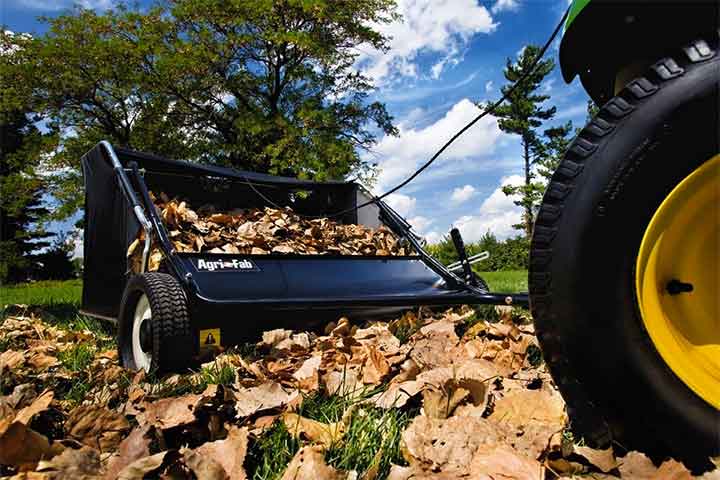
A lawn sweeper is best used whenever loose debris, leaves, or grass clippings build up on the surface. Regular sweeping prevents thatch, reduces disease risk, and improves curb appeal. How often should I use a lawn sweeper? The short answer: more often in fall and spring, less in summer dormancy or wet spells.
Common triggers to run a sweeper:
- After heavy leaf drop or storms.
- After frequent mowing when clippings accumulate.
- After aeration or dethatching sessions.
- When pests or mold thrive under surface debris.
Using the sweeper at the right moments keeps the mower from clogging and helps fertilizer and water reach soil. It also reduces slipping hazards on walkways. How often should I use a lawn sweeper? You’ll read specific schedules below.
Key Factors That Determine Frequency
Several things change how often you should sweep. Consider these to make a tailored plan.
Grass type and growth rate
- Fast-growing grasses need more frequent sweeping after mowing.
- Slow or dormant grasses require less frequent attention.
Tree cover and leaf drop
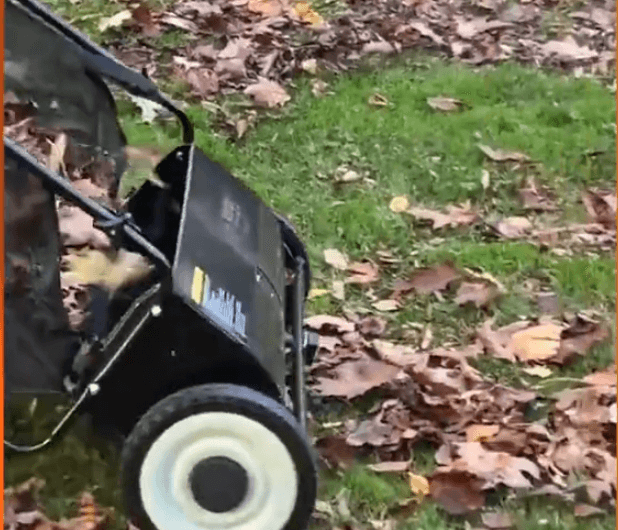
- Heavily treed yards need daily to weekly sweeping during leaf drop.
- Open yards may only need monthly checks.
Season and weather
- Fall and spring are peak times for debris; sweep weekly.
- Heavy rain can compact leaves and reduce immediate sweeping needs but increase disease risk if debris remains.
Yard use and aesthetics
- Lawns with heavy foot traffic or visible beds benefit from more frequent use.
- Low-maintenance yards can adopt a looser schedule.
Type and capacity of your sweeper
- Larger tow-behind or towable sweepers handle big jobs less often.
- Hand-push or small sweepers need more frequent passes.
How often should I use a lawn sweeper? Answering that depends on combining these factors into a simple routine for your yard.

Seasonal Schedule Examples (Practical Calendar)
A seasonal plan makes this easy. Below are sample schedules based on typical climates.
Temperate climates
- Spring: Sweep every 1–2 weeks during green-up and heavy leaf fall.
- Summer: Sweep every 3–6 weeks unless clippings build up.
- Fall: Sweep weekly through peak leaf drop, then biweekly as leaves finish.
- Winter: Sweep only as needed for safety or debris removal.
Northern/Cold climates
- Spring: Sweep weekly after snow melt and cleanup.
- Summer: Sweep every 3–4 weeks.
- Fall: Sweep 1–2 times a week during dense leaf fall the first month; taper down.
- Dormant months: Minimal sweeping.
Southern/warm climates
- Year-round growth may need a biweekly schedule.
- Fall can still have leaf drop events; treat them like spring cleanups.
How often should I use a lawn sweeper? Use these calendars as templates and adjust for your yard’s actual debris load.
:max_bytes(150000):strip_icc()/spr-agri-fab-44-in-tow-behind-lawn-sweeper-sara-luckey-05-ae43479260514cb9b433895fe90a7894.jpeg)
How to Use a Lawn Sweeper Effectively
A good routine is more than frequency. Use these steps to get the best results.
Before you start
- Remove large branches and items by hand.
- Mow if grass is tall so sweeper can pick up clippings.
- Check sweeper brushes, hopper, and wheels for wear.
Operational tips
- Set brush height to lightly touch grass without scalping.
- Sweep in straight, overlapping passes for even pickup.
- Empty hopper when it fills to avoid re-depositing debris.
- For wet leaves, reduce speed and make multiple passes if needed.
After sweeping
- Inspect the lawn for missed areas.
- Dispose of debris as mulch, compost, or green waste per local rules.
How often should I use a lawn sweeper? Using it correctly means fewer passes and better results, so factor technique into your frequency plan.

Maintenance, Storage and Safety
A sweeper in good shape runs better and lasts longer. Simple care pays off.
Routine maintenance
- Clean brushes and remove lodged debris after each use.
- Lubricate moving parts seasonally.
- Check fasteners and replace worn brushes on schedule.
Storage tips
- Store in a dry, covered place to avoid rust.
- Empty the hopper before storing to prevent mold.
Safety notes
- Wear eye protection when clearing debris.
- Disconnect from tractors and power sources before servicing.
- Avoid sweeping wet, slippery surfaces alone.
How often should I use a lawn sweeper? Proper maintenance ensures it’s ready whenever you need it, so you won’t skip sessions because the tool is down.
Benefits and Limitations
Knowing what a sweeper can and can’t do helps set expectations.
Benefits
- Quick removal of leaves, clippings, and small debris.
- Reduces mower strain and improves fertilization.
- Helps prevent disease and insect habitat under debris.
Limitations
- Struggles with very wet, matted leaves.
- May miss heavy sticks and large debris.
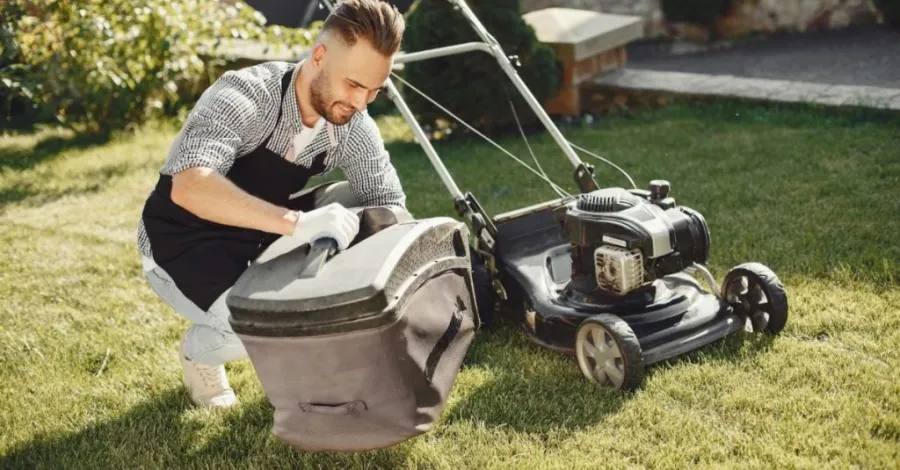
- Small sweepers have limited hopper capacity.
How often should I use a lawn sweeper? Use it often enough to gain benefits, but pair it with raking or mulching for heavy or wet loads.
Personal Experience and Common Mistakes
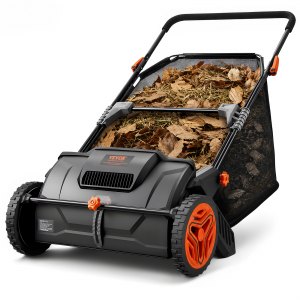
I’ve used push and tow-behind sweepers on several lawns. Here are honest lessons from those seasons.
What worked
- Weekly passes in fall saved hours compared to raking.
- Setting brush height correctly improved pickup and reduced turf damage.
- Combining sweeping with one weekly mow minimized overall work.
Mistakes to avoid
- Waiting until piles are huge—wet, matted leaves are hard to pick up.
- Using the sweeper without clearing large debris first.
- Neglecting hopper emptying, which reduces pickup power.
How often should I use a lawn sweeper? My experience shows that steady, short sessions beat infrequent deep cleanups.

PAA-style Questions
How often should I use a lawn sweeper? Will depend on your yard, but aim for 1–3 weeks in active months.
Should I sweep before or after mowing?
Sweep after mowing if clippings are heavy. Sweeping post-mow clears the surface and prevents clogs.
Can I use a sweeper on wet grass?
You can, but results drop and brushes wear faster. Let grass dry when possible for best pickup.
Is a tow-behind sweeper better than a push sweeper?
Tow-behind models cover more ground faster but cost more. Push sweepers suit small lawns and tighter budgets.
How often should I replace sweeper brushes?
Inspect brushes every season and plan to replace them yearly with heavy use. Brushes wear out faster with wet debris.
Frequently Asked Questions of How often should I use a lawn sweeper?
How often should I use a lawn sweeper in the fall?
In fall, use a sweeper weekly during peak leaf drop. Adjust to twice weekly if many trees drop leaves quickly.
How often should I use a lawn sweeper in spring?
Sweep every 1–2 weeks in spring to remove winter debris and thatch. This helps new grass get light and nutrients.
How often should I use a lawn sweeper for a small yard?
Small yards often need sweeping every 2–4 weeks unless many trees or heavy use increase debris. Short, frequent passes work well.
How often should I use a lawn sweeper after mowing?
If clippings are visible, sweep after mowing to collect them. Otherwise, sweep on your regular schedule to keep the surface tidy.
How often should I use a lawn sweeper if I compost leaves?
Sweep more often if you compost, to keep leaves from baking into wet mats. Weekly to biweekly collection keeps mulch and compost manageable.
Conclusion
A consistent, simple routine wins: sweep more during spring and fall, less in summer and dormancy, and adapt to storms and tree cover. How often should I use a lawn sweeper? Use the schedules and tips here to build a plan that fits your yard and time. Start with weekly checks during active seasons and tweak from there.
Take action this week: inspect your yard, pick a starter schedule, and run one focused sweep. Share your results, subscribe for more tips, or leave a comment about your lawn sweeper routine.

