

Regularly clean brushes, empty the hopper, lubricate bearings, check belts, and store dry.
If you’ve asked "How do you maintain a lawn sweeper?" you’re in the right place. I’ve spent years maintaining and testing yard tools, and I’ll walk you through clear, practical steps to keep your lawn sweeper working well. This guide covers routine care, seasonal service, common problems, part replacement, storage tips, and real-life lessons from the field so you can extend the life and performance of your sweeper.
Why routine maintenance matters
Keeping your lawn sweeper in good shape saves time and money. A well-maintained sweeper picks up leaves and debris more efficiently. It also lasts longer and needs fewer parts replaced.
How do you maintain a lawn sweeper? Regular checks prevent jams, wear, and rust. Good care keeps brushes effective and collection bags intact. You get cleaner results, fewer repair calls, and lower cost over time.

Quick daily and after-use checklist
Follow this simple routine after each use to avoid buildup and damage.
- Empty the hopper immediately after use to prevent damp rot and odor.
- Brush off loose debris from the hopper, brushes, and frame.
- Inspect for obvious damage: broken bristles, loose bolts, or bent parts.
- Check wheels and axles for smooth rotation.
- Store dry or cover if rain is expected.
How do you maintain a lawn sweeper? Do these basics every time and many larger problems never appear.

Deep cleaning and seasonal maintenance
Do a deeper service at the start and end of the main season. This keeps the sweeper ready for heavy use.
- Remove the brushes and clean with a stiff brush and water. Let dry fully.
- Wash the hopper and bag with mild soap and water; air dry completely.
- Inspect the frame for rust; treat small spots with light sanding and paint.
- Check fasteners and tighten nuts and bolts to spec.
- Replace worn brushes or bristle sections before peak fall or spring use.
How do you maintain a lawn sweeper? Seasonal deep cleaning reduces wear and keeps pickup consistent all year.
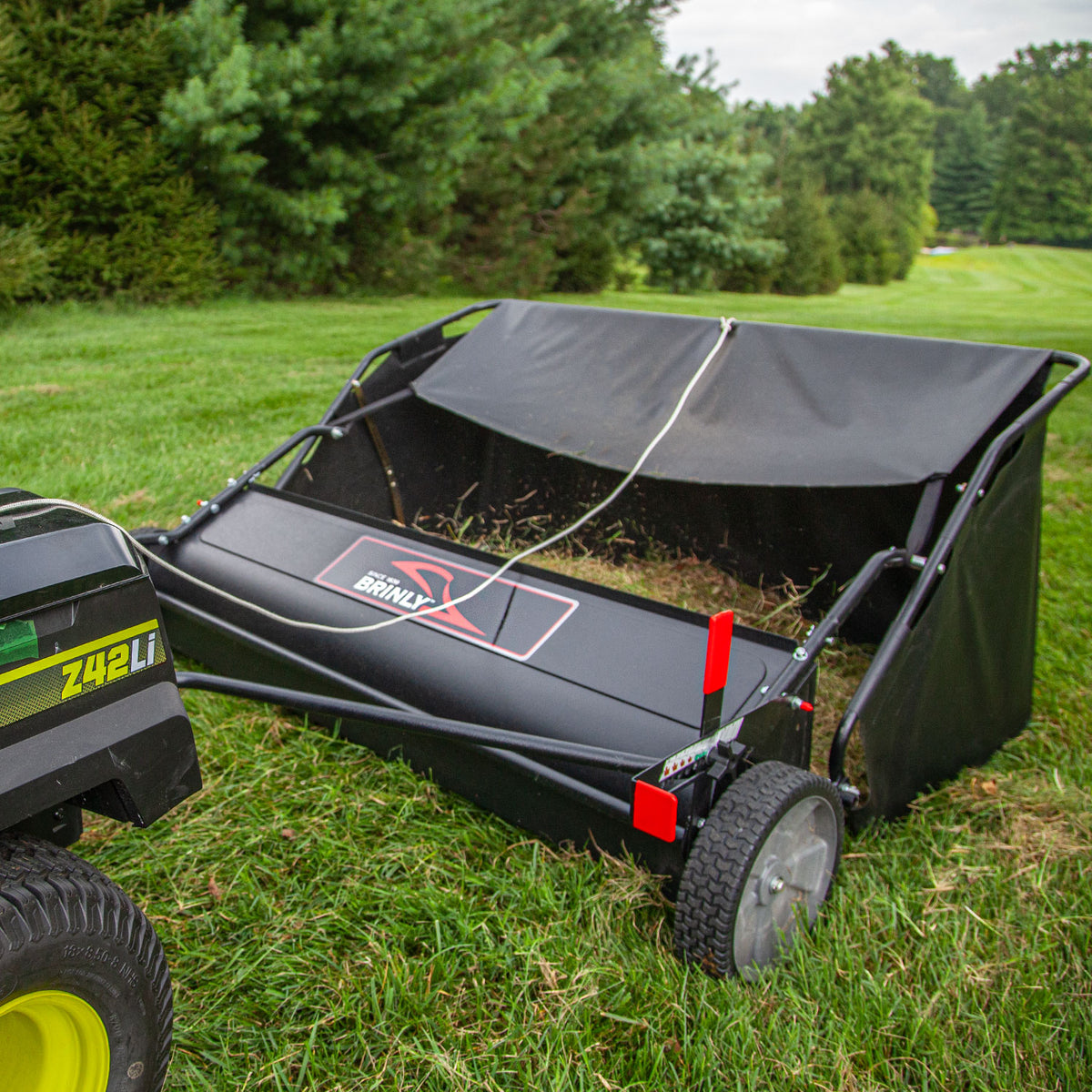
Lubrication, bearings, brushes, and belts
Moving parts need attention. A little lubrication goes a long way.
- Lubricate wheel bearings and pivot points with light machine oil or grease per the manual.
- Avoid over-lubricating; excess attracts dirt. Wipe away drips.
- Inspect brushes for bald spots or missing tufts; replace when wear drops performance.
- If your sweeper uses a drive belt, check for cracks and proper tension. Replace if hardened or frayed.
- Bearings that grind or wobble often need replacement rather than just oiling.
How do you maintain a lawn sweeper? Proper lubrication and timely part swaps keep the mechanism smooth and efficient.
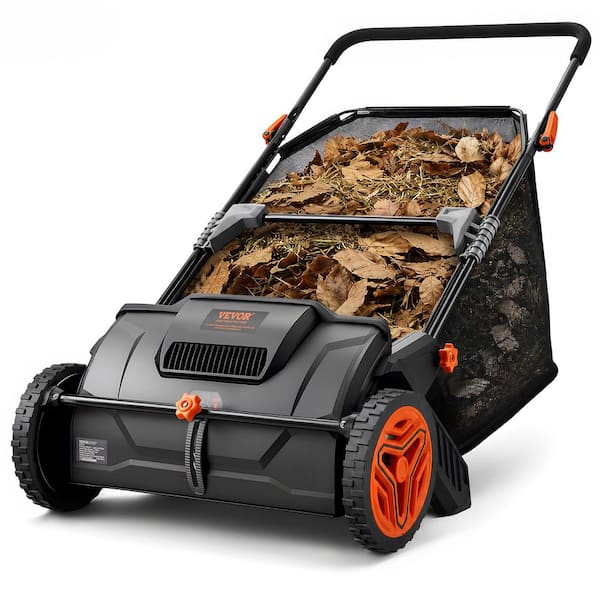
Troubleshooting common problems
Use this quick guide when things go wrong.
- Poor pickup: Check brush wear, hopper position, and wheel height. Adjust the brush or lower the hopper if needed.
- Hopper tears or holes: Patch small tears with repair tape or replace the bag for durable fixes.
- Brushes not turning: Inspect drive linkage, belts, and debris jams around brush shafts.
- Skipping or irregular collection: Check tire pressure if pneumatic, and ensure axles spin freely.
- Excessive vibration: Tighten loose bolts, check for bent shafts, and replace worn brushes.
How do you maintain a lawn sweeper? Diagnosing issues early keeps small fixes from becoming costly repairs.
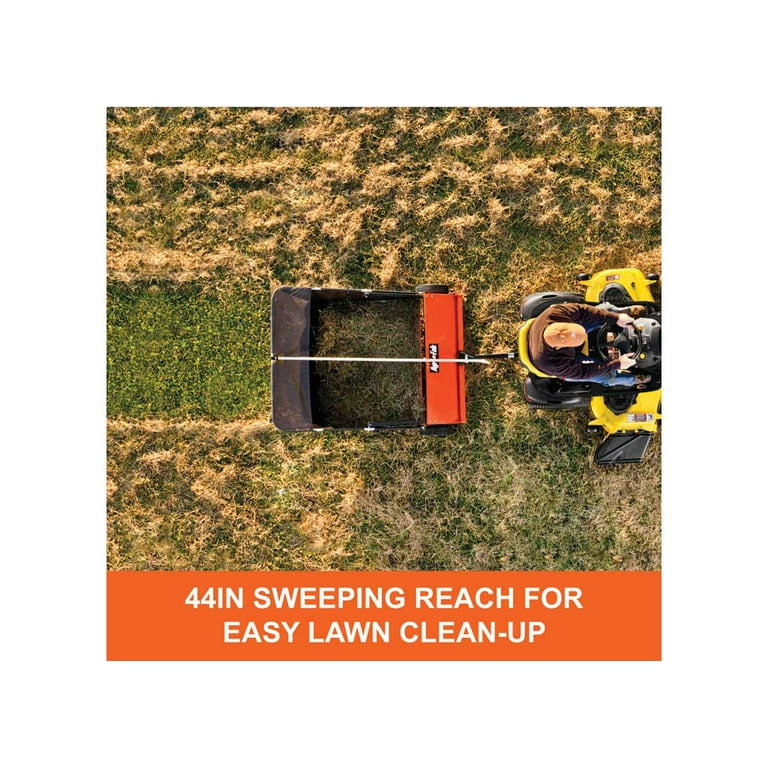
Replacing parts and sourcing replacements
Knowing when and how to replace parts is key.
- Brushes wear with use. Replace brushes when pickup drops noticeably or bristles are half-length.
- Wheels and bearings: If you hear grinding or see wobble, replace bearings or the wheel assembly.
- Drive belts: Replace at first signs of cracking or glazing. Keep a spare belt on hand.
- Hopper and bag: Replace once seams or corners weaken. A clean, intact bag improves airflow and pickup.
- Use manufacturer part numbers or generic equivalents sized to your model for best fit.
How do you maintain a lawn sweeper? Using correct replacement parts restores original performance fast.
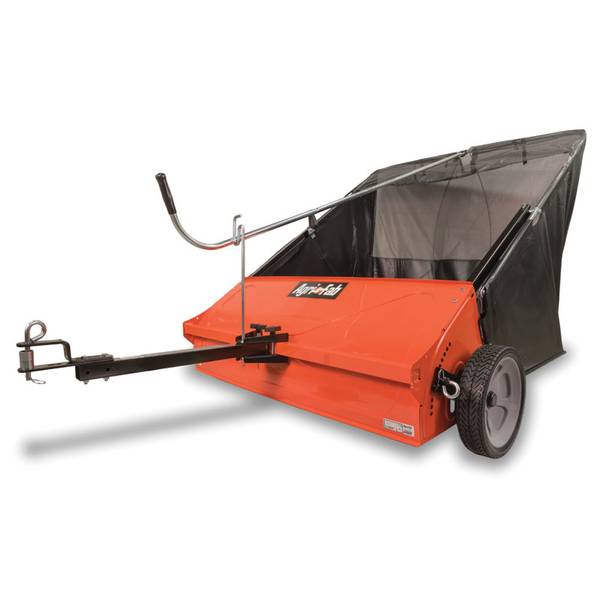
Storage and winterizing your lawn sweeper
Proper storage prevents damage during idle months.
- Clean and fully dry the sweeper before storage to avoid mold and corrosion.
- Lubricate lightly and remove battery (if equipped) to prevent drain and corrosion.
- Store under cover or in a dry shed. If outdoors, use a fitted tarp and elevate from the ground.
- Check periodically during storage for pests, moisture, or critter nests.
- Before first use each season, recheck lubrication, fasteners, and brush condition.
How do you maintain a lawn sweeper? Smart storage keeps the sweeper ready and cuts startup repairs each season.
Tools, supplies, and safety tips
A few tools make maintenance easy and safe.
- Essential tools: socket set, adjustable wrench, pliers, wire brush, and a stiff hand brush.
- Supplies: light oil, waterproof grease, replacement brushes, spare belt, and mild detergent.
- Safety basics: disconnect any power source before working, use gloves, and keep fingers away from brush teeth.
- Keep a maintenance log with dates of service, parts replaced, and notes on problems found.
How do you maintain a lawn sweeper? The right tools and mindful safety habits speed work and prevent injuries.
Personal experience and pro tips
I’ve maintained dozens of sweepers on small and large lawns. A few lessons stand out.
- Changing brushes before they’re fully worn is worth it. I regained pickup in one weekend just by swapping brushes on an old unit.
- Keep a spare belt and a small tube of grease in the shed. Quick roadside fixes are common after long leaf runs.
- Avoid storing a wet bag in a closed shed. I learned the hard way when a mildew smell ruined a canvas bag. Dry it in sunlight.
- When buying replacement parts, cross-check part numbers and dimensions. A wrong hub size wastes time and money.
How do you maintain a lawn sweeper? Real-world practice plus small spares saves time and keeps your yard looking sharp.
People also ask — short practical answers
How do you maintain a lawn sweeper? Maintain it by cleaning brushes, emptying the bag, lubricating moving parts, and storing dry. Regular checks prevent common failures.
How often should you replace the brushes on a lawn sweeper? Replace brushes yearly if you use the sweeper frequently, or when bristles are visibly shortened and pickup drops.
Can you wash the hopper in a pressure washer? You can rinse the hopper with a hose and mild soap; avoid high-pressure washers that can force water into bearings or sealed components.
Is it necessary to grease bearings every season? Light greasing each season helps, but inspect first; some sealed bearings are maintenance-free.
What causes a lawn sweeper to block or clog? Wet debris, oversized sticks, or a torn bag that alters airflow commonly cause clogging; keep debris dry and bag intact.
Frequently Asked Questions
How often should I clean my lawn sweeper?
Clean it after every heavy use and give a deeper clean at the start and end of each season. Regular cleaning reduces wear and odor.
When do I need to replace the brushes?
Replace brushes when pickup drops or bristles are worn to about half their original length. Waiting too long stresses other parts.
Can I use any oil for lubrication?
Use light machine oil or recommended grease. Avoid heavy oils that attract dirt and gums up bearings.
How should I store the sweeper for winter?
Clean and dry everything, lubricate pivot points, remove batteries if present, and store in a dry, covered space. Elevate if possible.
Are replacement parts expensive?
Costs vary by model, but brushes, belts, and wheels are usually affordable. Buying a few spares saves time and money long-term.
Final thoughts
Maintaining a lawn sweeper is simple when you follow a clear routine. Clean after use, give seasonal attention, lubricate moving parts, and replace worn pieces promptly. These steps keep performance high and costs low. Take a few minutes each week to inspect and care for your sweeper, and it will reward you with reliable, low-effort yard cleanup all year.
Take action today: check your sweeper’s brushes and hopper, make a short parts kit, and jot down a seasonal maintenance date. Share your experiences or questions below — I’d love to hear what worked for you.

