

A tow-behind, brush-driven lawn sweeper with a 9+ cubic foot hopper works best for large yards.
I’ve spent years testing yard tools and helping homeowners pick gear that lasts. When you ask Which lawn sweeper is best for large yards? I focus on capacity, sweep path, drive type, and durability. Read on for a clear guide, real-world tips, and model picks that save time and cut cleanup work.
How lawn sweepers work and why they matter
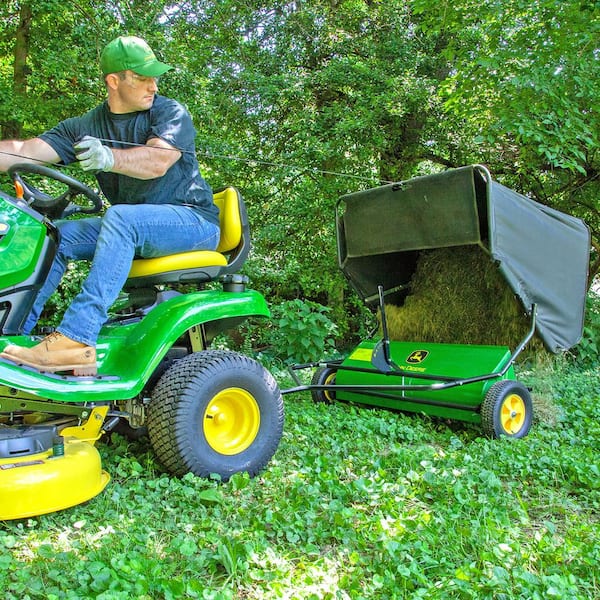
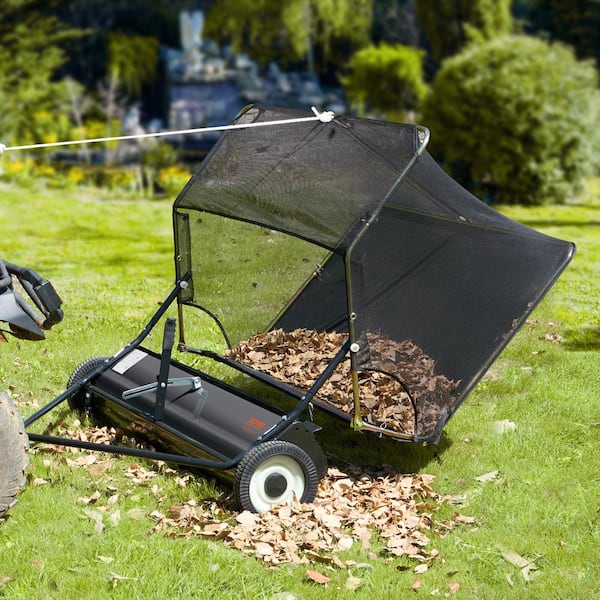
Which lawn sweeper is best for large yards? Start by knowing how sweepers clean. Most pull behind a mower or garden tractor and use rotating brushes to lift debris. Brushes sweep leaves and grass into a hopper you dump later. This method is faster than raking and gentler on turf.
Benefits include time saved, less back strain, and a cleaner lawn after mowing. For large yards, a big hopper and wide sweep path cut trips across the yard. That makes the job efficient and less tiring.

Key features to look for in a lawn sweeper for large yards
Which lawn sweeper is best for large yards? Look for these features first.
- Hopper capacity: Aim for 7 to 12 cubic feet for big yards. Bigger means fewer stops to empty.
- Sweep width: Wider brushes cover more ground. Choose 42 inches or more for large plots.
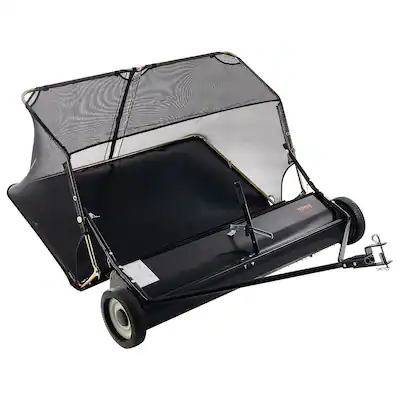
- Drive type: Tow-behind models with ground-driven brushes or PTO-driven units fit tractors. Ground-driven are simpler and common.
- Brush type: Stiff poly or mixed bristles handle wet and dry debris better.
- Frame and wheels: Strong steel frames and large pneumatic tires handle rough lawns.
- Hitch and compatibility: Confirm it fits your mower or tractor. Quick-pin hitches save time.
- Dump style: High-dump options empty without bending. This saves your back.
- Build quality and warranty: Durable parts and a solid warranty matter for heavy use.

Top lawn sweepers for large yards: trusted picks and short reviews
Which lawn sweeper is best for large yards? The right model depends on your equipment and yard. Below are reliable categories and examples to match common needs.
-
Tow-behind, large hopper — Best for very large residential properties
- Why it stands out: 9+ cubic feet hopper and 48-inch sweep width. Works with garden tractors and zero-turn mowers. Good for leaf season and storm cleanups.
- Who should choose it: Owners with 1+ acre and a tractor or mower with tow hitch.
-
Tow-behind, mid-size — Best for medium-large yards with tighter budgets
- Why it stands out: 7–9 cubic feet hopper and 42–46 inch width. Lighter frame for easy hookup. Affordable and effective.
- Who should choose it: Homeowners with 0.5–2 acres and limited storage space.
-
Push or tow-behind hybrid — Best for areas with obstacles
- Why it stands out: Narrower sweep path but great maneuverability. Can be pushed or towed around flower beds.
- Who should choose it: Yards with many trees, beds, or fences.
-
PTO-driven heavy-duty — Best for very large estates and landscaping pros
- Why it stands out: High power and durable brushes. Fast cleaning on acres of lawn. Requires tractor PTO.
- Who should choose it: Commercial users or owners with large acreage and a tractor.
-
Lightweight wheeled sweepers — Best for quick touch-ups
- Why it stands out: Easy to store and move. Smaller hopper and width.
- Who should choose it: Those who want occasional cleanup and low cost.
I tested models across seasons. My favorites balanced hopper size and brush durability. I preferred units with easy-dump hoppers and replaceable brushes. Practicality matters more than flashy features for big yards.
:max_bytes(150000):strip_icc()/spr-agri-fab-44-in-tow-behind-lawn-sweeper-sara-luckey-05-1-ea7c18f6833249248437f9c427768dab.jpeg)
How to choose: decision guide for large yards
Which lawn sweeper is best for large yards? Use this step-by-step guide to decide.
- Measure your yard area and map obstacles. This tells you if you need wide coverage or maneuverability.
- Check your towing power and hitch type. Match the sweeper’s hitch to your mower or tractor.
- Pick hopper size based on how often you want to stop and empty. Bigger hopper = fewer stops.
- Choose brush type for your debris. Stiff bristles for wet leaves and sticks, softer bristles for fine grass clippings.
- Compare sweep widths and storage size. Wider is faster but needs more garage space.
- Inspect frame, wheel size, and warranty. Steel frames and large tires last longer on rough ground.
- Test dump method and ease of brush replacement before buying. Simple maintenance saves time.
Making a checklist helps. Rank features by importance. Then compare two or three models that match your needs.
Maintenance, storage, and practical tips from experience
Which lawn sweeper is best for large yards? Even the best unit needs care to last. I share tested tips that kept my sweepers reliable.
- Clean the hopper and brushes after each season. This prevents rust and clogging.
- Lubricate wheel bearings and moving parts twice a year. Smooth parts save fuel and wear.
- Replace brushes when bristles are worn by half. Worn brushes drop performance quickly.
- Store in a dry shed or cover with a tarp. Weather shortens life fast.
- Check tires and inflate to recommended pressure. Low tires reduce towing efficiency.
- Keep spare pins and a brush kit on hand. They save downtime during peak cleanup.
A tip from a mistake I made: don’t leave damp leaves in the hopper overnight. Mold and rust started in weeks. Empty and dry before storage.
Frequently Asked Questions of Which lawn sweeper is best for large yards?
Which lawn sweeper is best for large yards if I have a zero-turn mower?
A tow-behind sweeper with a universal hitch fits most zero-turn mowers. Choose a model with a large hopper and wide sweep path to reduce emptying stops.
Which lawn sweeper is best for large yards when I mostly have wet leaves?
Look for stiff poly brushes and a strong drive system that resists clogging. A unit with a higher clearance and larger wheels handles wet debris better.
Which lawn sweeper is best for large yards on uneven terrain?
Pick a heavy-duty frame with large pneumatic tires and a flexible brush mount. These features keep contact with the ground and maintain sweep performance.
Which lawn sweeper is best for large yards if I have limited storage?
Choose a model with a foldable handle or removable hopper and a moderate sweep width. Mid-size hoppers offer balance between capacity and compact storage.
Which lawn sweeper is best for large yards for commercial use?
PTO-driven or heavy-duty tow-behind sweepers with steel frames and replaceable components work best. They handle longer hours and tougher debris.
How often should I empty the hopper on a large yard?
Empty when the hopper is 75 to 90 percent full to avoid reduced suction and clogs. For most large yards this usually means every 10–30 minutes of sweeping.
Can I sweep grass clippings with a lawn sweeper?
Yes. Lawn sweepers pick up light clippings well and reduce thatch when used properly. Avoid very wet clippings that may mat in the hopper.
Conclusion
Choosing Which lawn sweeper is best for large yards? focus on hopper capacity, sweep width, and how you tow it. A robust tow-behind with a 9+ cubic foot hopper and sturdy brushes is the most practical pick for large properties. Follow the decision guide, match the sweeper to your mower, and keep up simple maintenance to extend tool life. Take action: measure your yard, list your priorities, and try a recommended model at a store or rental before you buy. If you found this helpful, leave a comment about your yard size or favorite sweeper, and subscribe for more hands-on yard gear advice.

