

Lawn sweeper maintenance tips: clean, lubricate, and inspect regularly to extend life and performance.
I’ve maintained walk-behind and tow-behind units for years, and I’ll guide you through practical, proven Lawn sweeper maintenance tips that save time and money. This article explains what parts need care, when to service them, troubleshooting steps, seasonal checks, and real-world tips from my experience. Read on to keep your sweeper running like new and make yard cleanup easy.
Why regular maintenance matters
Regular Lawn sweeper maintenance tips protect your investment and keep pickup efficient. A well-kept sweeper saves time during yard work, reduces repair costs, and prevents clogs that reduce hopper capacity. Routine care also keeps brushes and bearings from wearing unevenly, which preserves lawn health because debris removal is consistent and gentle on turf.
Basic parts and how they work
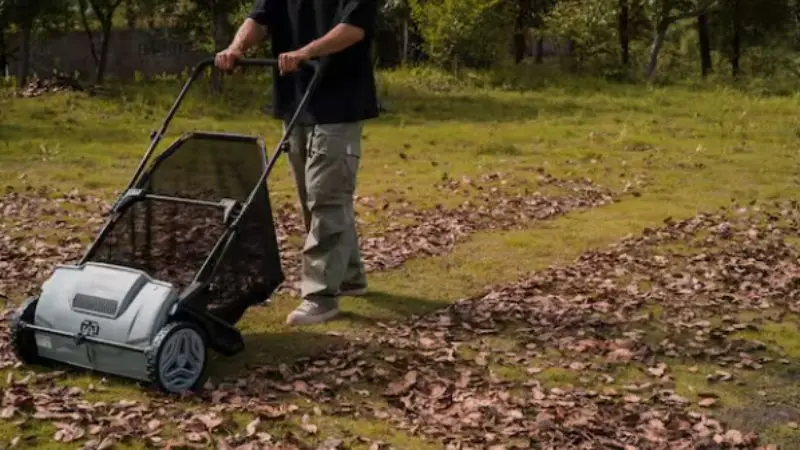
Understanding parts makes maintenance easier. Main components include brushes, hopper or bag, drive wheels, gearboxes or belts, frame, axle, bearings, and adjustment levers. Brushes pick up debris and spin either by ground contact or via a gearbox; hopper stores debris; drive elements transfer wheel motion to brushes. Knowing how each part connects helps diagnose problems fast.
Simple weekly and monthly checklist
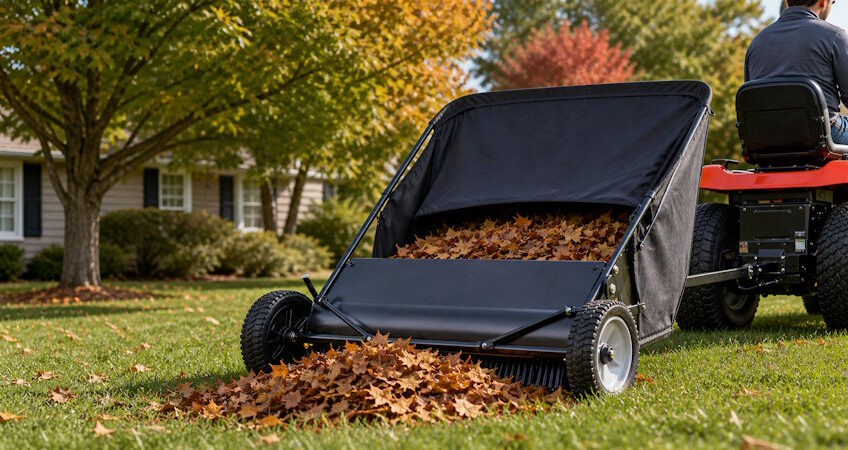
Use these Lawn sweeper maintenance tips to stay on top of small issues before they grow.
- Weekly: Empty the hopper, remove stuck debris from brushes, and check tire pressure on pneumatic wheels.
- Monthly: Inspect brush bristles for wear, tighten loose nuts and bolts, and grease wheel bearings if applicable.
- After heavy use: Check brush alignment and remove stones or twigs trapped in gears.
Following this short schedule prevents common failures and keeps your sweeper efficient.
Seasonal maintenance and winterizing
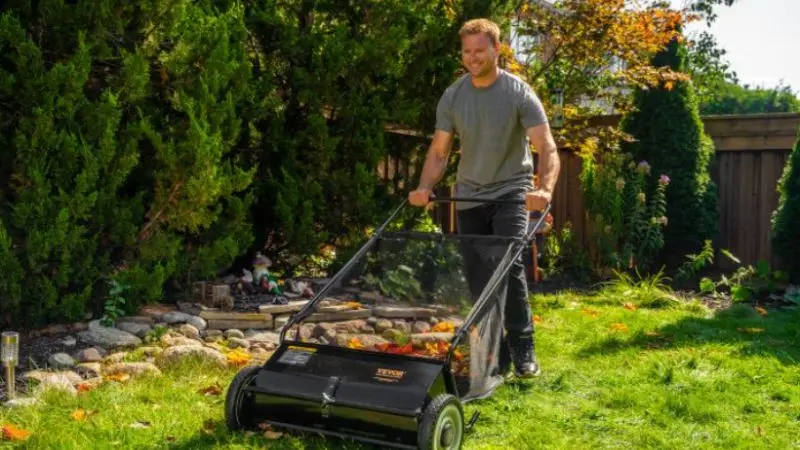
Seasonal Lawn sweeper maintenance tips protect the unit during long storage periods.
- Fall: Deep-clean the sweeper and wash off corrosive residues like fertilizer or pet waste.
- Winterize: Remove the hopper, dry brushes completely, and store the unit in a dry, covered place to prevent rust.
- Spring startup: Re-grease moving parts, inspect for rodent damage, and test the drive system before first use.
These steps reduce corrosion and ensure a fast spring startup.
Caring for brushes, belts, bearings, and gearbox
Targeted care extends life and improves performance.
- Brushes: Replace when bristles are shorter than one-third of original length or bent permanently. Clean with a stiff brush to remove sap and grass buildup.
- Belts: Check for cracks or glazing. Replace belts at first sign of slipping to avoid gearbox strain.
- Bearings: Listen for grinding noises. Grease sealed bearings according to manufacturer guidance; replace if pitted.
- Gearbox: Look for leaks and ensure proper lubricant level. Change gearbox oil yearly if recommended.
Proper attention to these parts is central to reliable Lawn sweeper maintenance tips.

Troubleshooting common problems
Quick fixes save time. Here are concise checks for typical issues.
- Low pickup: Verify brush height and speed, empty hopper, and remove tangled debris from brushes.
- Streaks or missed lanes: Check brush alignment and wheel tracking. Adjust brush angle or height in small steps.
- Noisy operation: Inspect bearings, gearbox oil, and loose hardware. Tighten fasteners and replace worn parts.
- Hopper not attaching: Inspect latch points and clean corrosion or bent tabs.
If a fix isn’t obvious, document symptoms and photos before seeking parts or service.
Storage, transport, and safety tips
Safe handling reduces accidents and damage. Follow these Lawn sweeper maintenance tips for storage and transport.
- Transport: Secure the sweeper on trailers or truck beds to avoid tipping. Use straps over the frame, not the hopper.
- Storage: Keep the sweeper off wet ground. Place on blocks to relieve tire load for long-term storage.
- Safety: Disconnect any drive linkage when maintaining brushes. Wear gloves and eye protection while cleaning.
Safe storage also cuts down on unexpected repair costs.
Sourcing parts, upgrades, and when to replace
Getting the right parts matters for longevity.
- Replacement parts: Use OEM or high-quality aftermarket brushes, bearings, and belts sized for your model.
- Upgrades: Consider steel-reinforced brushes for heavy debris or a larger hopper for larger properties.
- Replacement: Replace the sweeper if frame is bent, gearbox failures recur after repairs, or repair costs exceed half the machine’s value.
Keeping receipts and model numbers speeds up ordering and warranty claims.
Cost-saving and eco-friendly maintenance tips
Small habits cut costs and help the environment.
- Clean after each use to avoid corrosive buildup that leads to expensive repairs.
- Reuse worn brushes as short-term spares rather than discarding immediately.
- Use biodegradable cleaners when washing to avoid runoff harm.
- Replace parts only when necessary and shop seasonal sales for spares.
These Lawn sweeper maintenance tips lower lifetime costs and waste.
Personal experience: mistakes, lessons, and shortcuts
I once delayed replacing glazed belts on a tow-behind sweeper. That led to gearbox overheating and a costly rebuild. Since then, I follow a strict monthly check and keep a spare belt and brush set in my garage.
Lessons learned
- Replace small parts early to avoid big repairs.
- Keep a simple tool kit with wrenches, grease, and spare cotter pins.
- Photograph adjustments that work, so you can restore settings after repairs.
These real-life steps are core Lawn sweeper maintenance tips I trust.
Frequently Asked Questions of Lawn sweeper maintenance tips
How often should I replace the brushes?
Replace brushes when bristles are worn down to about one-third of original length or when pickup performance drops noticeably. For heavy use, expect replacement once per season.
Can I use regular grease on all parts?
No. Use grease recommended by the manufacturer for bearings and gearbox oil specified for any gearboxes. Regular multipurpose grease works for many wheel bearings, but check your manual.
How do I tell if the gearbox needs repair?
Listen for grinding, check for oil leaks, and feel for excessive play in drive shafts. If noise or binding persists after lubrication, repair or replacement is needed.
Is it okay to pressure wash my sweeper?
Light rinsing is fine, but avoid high-pressure streams on bearings, seals, and gearbox vents. Dry completely to prevent rust and re-lubricate moving parts.
What storage environment is best?
A cool, dry, covered space off the ground is best to avoid moisture, rodents, and sun damage. Remove the hopper and store brushes in a dry area when possible.
Conclusion
Good Lawn sweeper maintenance tips boil down to simple, regular care: clean, inspect, lubricate, and replace worn parts before they fail. Small efforts now prevent big repairs later and keep yard cleanup fast and effective. Start a short maintenance routine this week, keep a spare parts kit, and comment with questions or your own tips—your next yard cleanup will feel easier and smarter.

