

Tow-behind lawn sweeper guide helps pull debris fast for cleaner, healthier yards.
I’ve spent years testing and using lawn tools, and this Tow-behind lawn sweeper guide distills what really works. You’ll learn how these sweepers work, how to pick the right model, how to run and maintain one, and real tips I’ve learned from hands-on use. Read on for clear, practical advice that saves time and keeps your lawn neat.
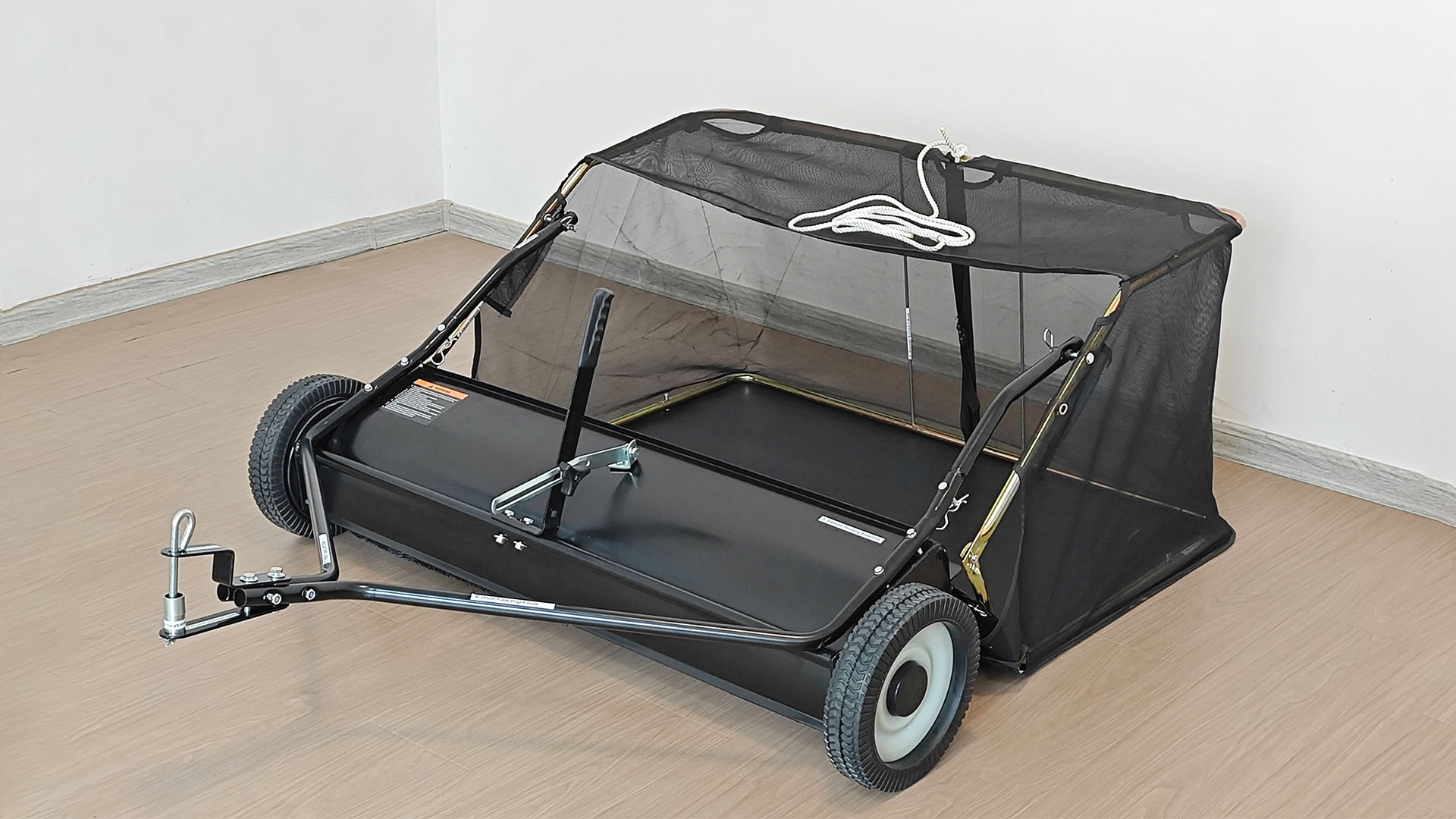
What is a tow-behind lawn sweeper?
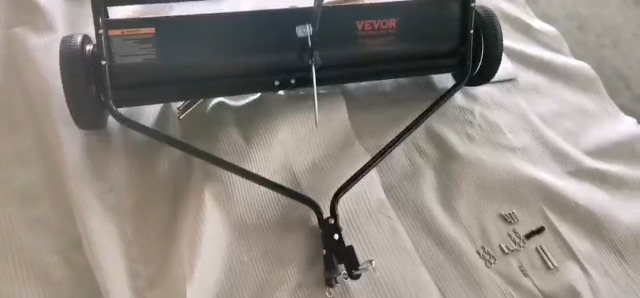
A tow-behind lawn sweeper is a trailer-like tool you hitch to a mower, ATV, or garden tractor. It uses rotating brushes to sweep grass clippings, leaves, pine needles, and small debris into a hopper. The unit rolls on wheels and either uses ground-driven brushes or a motor to spin the sweepers.
Typical uses include:
- Cleaning leaves in fall and spring.
- Picking up grass clippings after mowing.
- Removing seed husks, pine straw, and small twigs.
- Prepping a lawn for aeration or overseeding.
This Tow-behind lawn sweeper guide will help you see why many homeowners choose a sweeper over raking or a blower for large lawns. The tool saves hours and reduces physical strain.
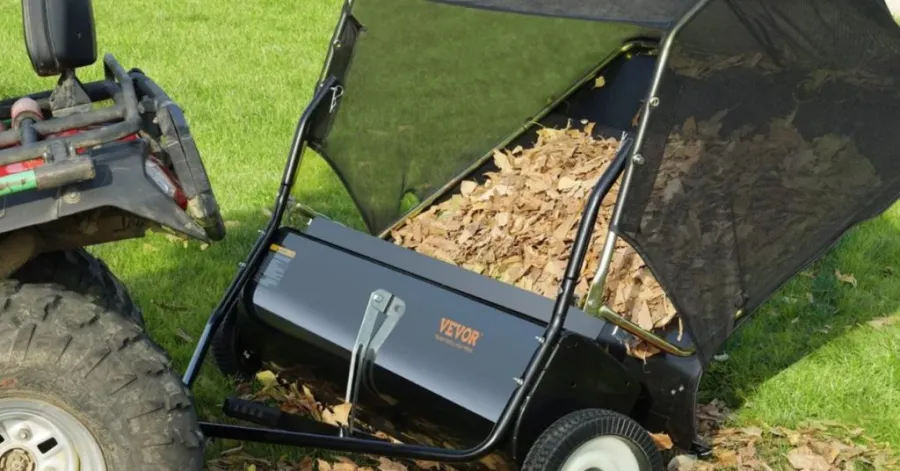
How tow-behind lawn sweepers work
At their core, sweepers have three main parts: the brushes, the hopper, and the wheel/drive system. Brushes rotate and lift debris off the ground. The hopper stores the debris until you empty it. Wheels translate motion into brush rotation on many models.
Common drive types:
- Ground-driven brushes: Wheels turn gears that spin brushes. Simple and reliable.
- Belt-driven motor: Uses a small gas or electric motor to spin brushes. Good for heavy work.
- PTO or hydraulic drives: Found on larger, commercial units.
Brush types and spacing matter. Coarse brushes grab heavier debris. Soft brushes pick up fine material like pine needles. Brush height and wheel spacing affect pickup on uneven ground.
Short Q&A
How often should brushes be replaced?
Brushes wear with use. Expect replacement every 1–3 seasons if used regularly. Check bristles each month during heavy use.
Can a tow-behind pickup wet leaves?
Wet leaves are heavier and clump. Sweepers can handle them but need slower travel speed and frequent hopper emptying. Let leaves dry when possible to improve pickup.
This Tow-behind lawn sweeper guide covers brush choices and drive types so you can match the tool to the task.

Benefits of using a tow-behind lawn sweeper
Sweepers bring definite benefits for medium to large yards. They are faster than raking and less noisy than blowers for long sessions.
Key benefits:
- Time savings: Cover more ground in less time compared to raking.
- Reduced fatigue: Less bending and manual work.
- Lawn health: Removing thatch and debris lets grass breathe and receive sunlight.
- Versatility: Works on grass, gravel driveways, and light snow in some cases.
- Cleaner compost: Collected debris is easier to bag or add to a compost pile.
From my experience, a single sweep after fall leaf fall can cut cleanup chores by half. This Tow-behind lawn sweeper guide will help you see where that time is saved.
Choosing the right tow-behind lawn sweeper
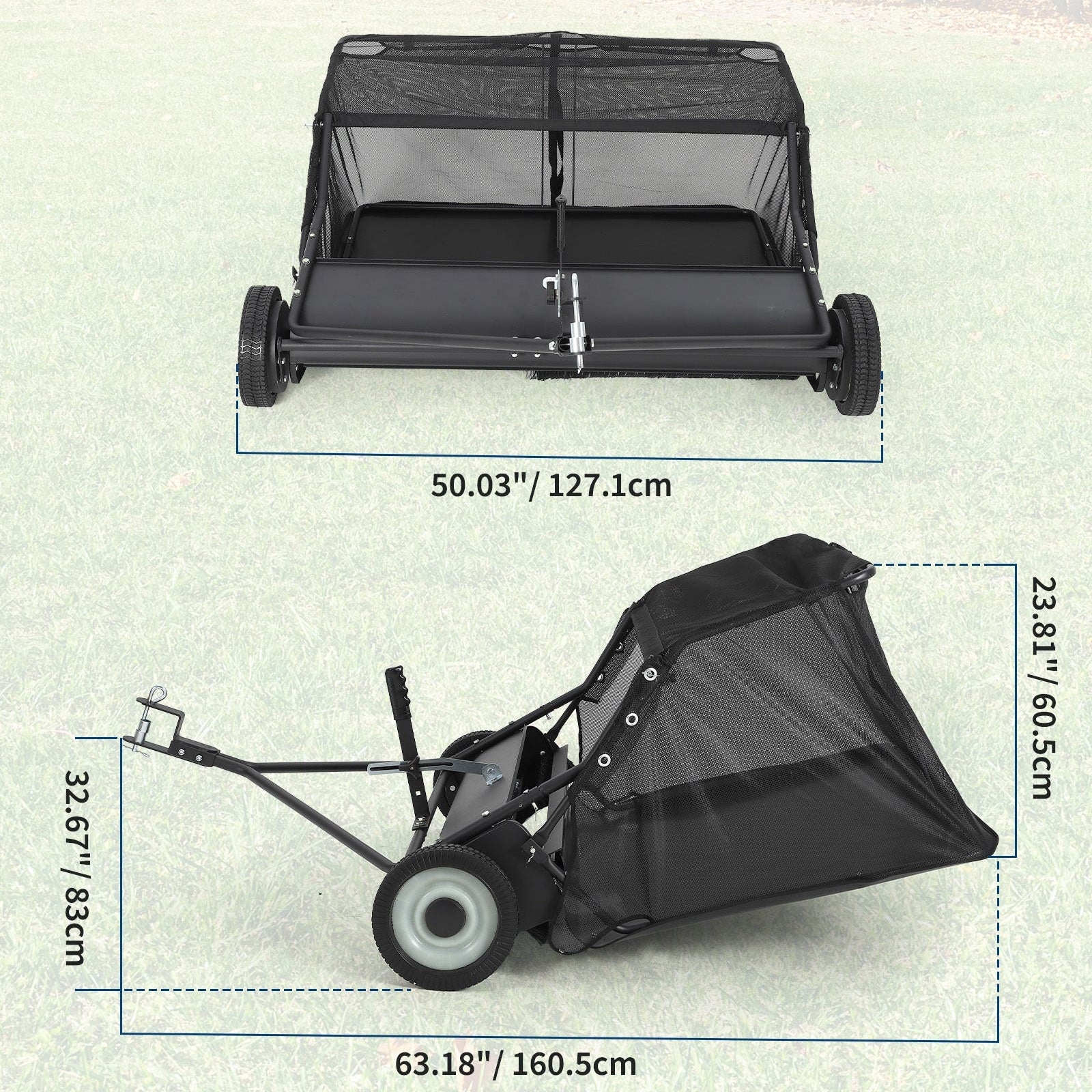
Pick a sweeper that matches your yard and gear. Consider size, hitch type, capacity, and build quality.
Selection checklist:
- Yard size: Small yards under half an acre may be fine with a push sweeper. Larger yards benefit from tow-behind models.
- Hopper capacity: Larger hoppers mean fewer stops to empty. Look for 12–20 cubic foot hoppers for big yards.
- Hitch compatibility: Match to your mower or ATV hitch. Some use universal hitches; others need adapters.
- Brush design: Steel-core brushes last longer. Replaceable brushes are ideal.
- Wheel size and ground clearance: Bigger wheels handle bumps better and keep brushes closer to uneven ground.
- Frame material: Steel frames are durable; powder coating prevents rust.
- Weight and storage: Heavier units are stable but harder to store.
Personal tip: I chose a mid-size unit with a 16 cu ft hopper and replaceable brushes. It fit my tractor and emptied quickly at the curb. This Tow-behind lawn sweeper guide highlights choices that avoid costly mistakes.

Operating and maintenance tips
Good operation and care extend the life of your sweeper and keep pickup efficient.
Before use:
- Inspect brushes, belts, and wheels for wear.
- Check and tighten hardware.
- Adjust brush height for the surface; brushes should barely touch the ground.
During use:
- Drive slowly for best pickup. Speed matters more than power.
- Overlap passes to avoid missed strips.
- Empty the hopper when it is two-thirds full to avoid clogs.
- Avoid very wet piles and thick mats. Break them up first.
Maintenance schedule:
- After each use: Remove debris from brushes and hopper.
- Monthly during season: Check brush wear and belt tension.
- End of season: Clean, lubricate moving parts, and store indoors or covered.
From my experience, a quick brush rinse and belt check each month kept the unit reliable for five seasons. This Tow-behind lawn sweeper guide gives practical steps to keep yours running.
Common problems and troubleshooting
Small problems are easy to fix if you know what to check.
Issue: Poor pickup
- Check brush wear and height. Replace worn bristles.
- Reduce speed and overlap passes.
- Ensure hopper isn’t overpacked.
Issue: Brushes not spinning
- Inspect belts and drive linkage. Tighten or replace belts.
- Look for clogged brush gears and clear debris.
Issue: Hopper jams
- Scoop out compacted material manually.
- Avoid overfilling and damp debris; empty more often.
Issue: Uneven pickup on slopes
- Adjust wheel height and run across slope rather than up and down.
- Use larger wheel models for hilly yards.
When in doubt, consult the manual and use proper replacement parts. This Tow-behind lawn sweeper guide helps you troubleshoot quickly and cheaply.
Uses, examples, and real-life scenarios
Tow-behind lawn sweepers shine when you face repetitive cleanup tasks. Here are real uses that worked for me.
Scenarios:
- Fall leaf cleanups across a two-acre yard. One pass cleared about 60% of loose leaves.
- Post-mowing cleanup where clippings would mat. Sweeper kept lawn tidy before guests arrived.
- Pine-needle removal from thin grass areas. Soft bristles picked most needles without tearing grass.
- Driveway cleanup after landscaping. Sweepers cleared gravel and debris with minor brush adjustments.
Example workflow I use:
- Mow the lawn if needed.
- Attach sweeper and set brush height.
- Drive at 3–4 mph overlapping passes.
- Empty hopper into compost or yard-waste bag.
- Rinse brushes and store.
This Tow-behind lawn sweeper guide includes workflows that save time and effort in real yard work.
 considerations”
style=”max-width: 100%; height: auto; border: 2px solid black; border-radius: 10px; display: block; margin: 0 auto;”
loading=”lazy”
/>
Safety, legal, and storage considerations
Safety keeps you and your gear in good shape. Also check local rules if you plan public use.
Safety tips:
- Wear gloves and eye protection when emptying or servicing.
- Keep hands and feet away from brushes when the unit is moving.
- Use lights or flags when transporting on roads.
- Disconnect PTO or engine power before repair.
Storage tips:
- Clean and dry the sweeper before storage to prevent rust.
- Store in a shed or under a tarp to protect belts and bearings.
- Lubricate moving parts before long storage.
Legal and local rules:
- Check local ordinances about noise and debris disposal when sweeping near roads.
- Use proper flags and lights if towing on public streets.
These precautions are quick to follow and prevent common issues. This Tow-behind lawn sweeper guide emphasizes safety and smart storage.

Cost, value, and return on investment
You’ll find sweepers at many price points. New models range from budget to pro-level.
Cost ranges:
- Small homeowner models: Low to mid price range, lighter frames.
- Mid-range tow-behind: Moderate cost, 12–18 cu ft hopper, sturdy build.
- Commercial models: Higher cost, larger hoppers, heavy-duty parts.
Value factors:
- Time saved vs. manual raking.
- Reduced wear on your back and shoulders.
- Longer-term lawn health from regular debris removal.
Return on investment comes from fewer hours spent cleaning and less need to hire help. For many homeowners with large lots, the sweeper pays for itself in one or two seasons. This Tow-behind lawn sweeper guide helps you weigh cost against real-life savings.
Frequently Asked Questions of Tow-behind lawn sweeper guide
What size tow-behind sweeper do I need?
Choose based on yard size and how often you clean. For 1–3 acres, a mid-size sweeper with a 12–18 cu ft hopper is a good fit.
Can I tow a sweeper with a riding mower?
Yes. Most sweepers hitch to garden tractors and riding mowers. Check hitch compatibility and weight limits on your mower.
Are tow-behind sweepers hard to maintain?
No. Basic checks like cleaning brushes, tightening belts, and greasing bearings keep them working. Parts are often simple to replace.
Will a sweeper damage my grass?
Not if adjusted correctly. Set brushes to barely touch the ground and avoid sharp turns to reduce turf stress.
How does a tow-behind compare to a leaf blower?
Sweepers are faster for large areas and collect debris in one pass. Blowers work well in tight spaces and for wet material that sweepers may struggle with.
Conclusion
A Tow-behind lawn sweeper guide shows how this tool can save time, protect your lawn, and cut physical strain. Choose a model that fits your yard, follow simple operation steps, and keep up with basic maintenance. Start with a clear checklist, test brush height on a small area, and schedule regular upkeep to get the best results.
Take action: evaluate your yard size, compare a couple of models, and try one during peak leaf season. Share your experience, ask questions below, or subscribe for more hands-on lawn care tips.

