

Choose a lawn sweeper that fits your yard size, debris type, and preferred power source.
I’ve spent years testing yard tools and helping homeowners pick gear that actually makes lawn care easier. This guide walks you through how to choose a lawn sweeper for your yard with clear, practical steps, checklists, and real-world tips so you pick the right sweeper the first time.
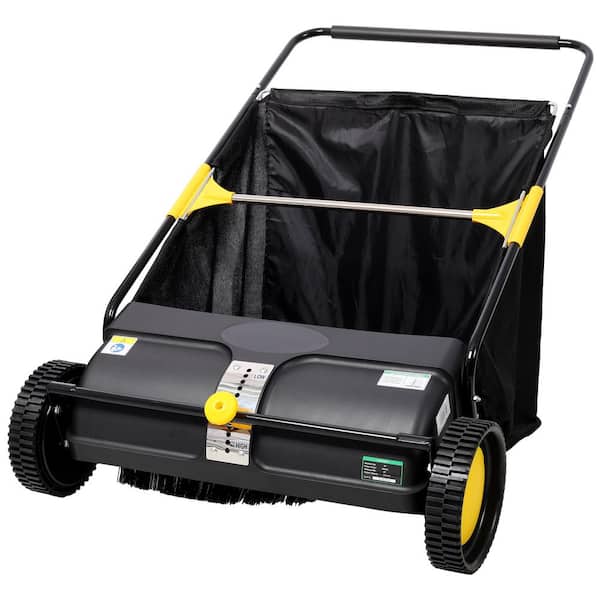
Why a lawn sweeper matters for your yard
A good lawn sweeper saves time. It collects leaves, pine needles, grass clippings, and small twigs faster than raking. Choosing the right model reduces clogging and makes cleanup easier. Knowing how to choose a lawn sweeper for your yard helps you match performance to your lawn’s needs and budget.

Types of lawn sweepers and when to use them
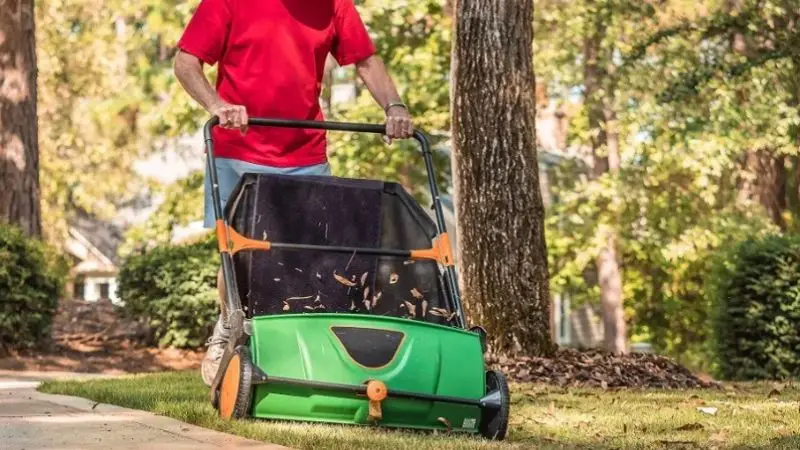
There are three main types to compare. Push sweepers are light and cheap for small yards. Tow-behind sweepers hook to a lawn tractor and cover large areas quickly. Electric or battery sweepers steer easily and are good for medium yards and lighter debris. Understanding these types helps when you decide how to choose a lawn sweeper for your yard.
- Push sweepers: Best for small, flat lawns and light debris.
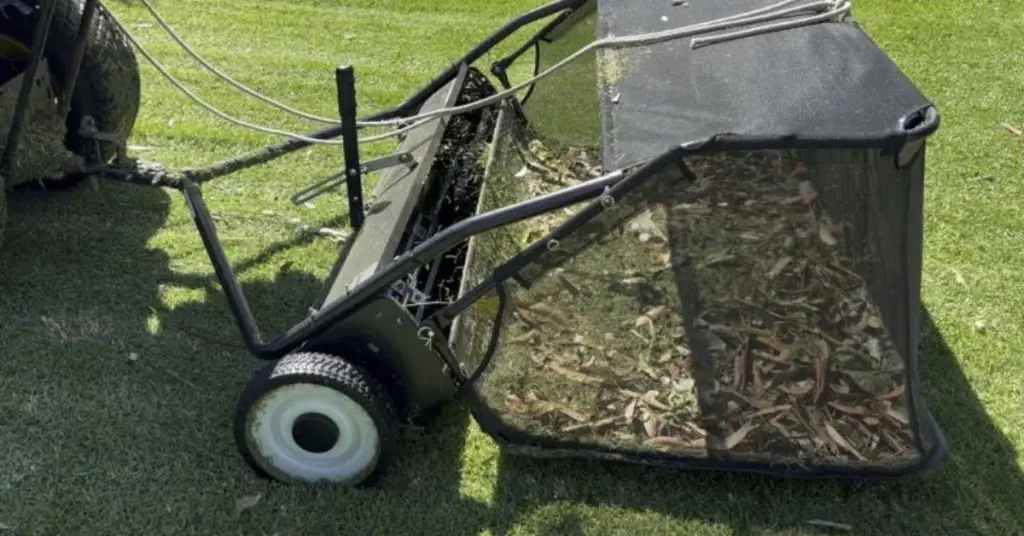
- Tow-behind sweepers: Best for large yards, heavy leaf loads, and uneven terrain.
- Electric/battery sweepers: Good for medium yards and people who prefer low maintenance.
Key features to evaluate
Look at these features before you buy. Bristle type affects what you can pick up. Polypropylene bristles work well for leaves and clippings. Steel or wire bristles dig into thatch and heavier debris. Hopper capacity tells you how often you’ll empty it. Wider sweeping widths reduce passes and save time.
- Sweeping width: Wider means fewer passes; match width to lawn mower or tractor.
- Hopper size: Bigger hoppers hold more debris and reduce trips to the bin.
- Bristle design: Soft bristles for light debris, stiff bristles for heavy or embedded debris.
- Height adjustment: Allows you to set bristles close to the ground without scalping.
- Drive type: Ground-driven brushes rotate with motion; powered brushes give consistent pickup at slow speeds.
These points help you decide how to choose a lawn sweeper for your yard based on performance needs.

Common PAA-style questions
How often should I use a lawn sweeper?
Use a lawn sweeper after heavy leaf fall or weekly during peak season to keep clippings and debris under control. Regular use prevents thatch buildup and keeps a mower bag from clogging.
Can a lawn sweeper pick up wet leaves?
Some sweepers will pick up damp or partially wet leaves, but performance drops when leaves are very wet. For best results, let wet leaves dry or use a tow-behind model with stiff bristles.
Sizing and capacity: match sweeper to yard and debris
Size matters more than many buyers expect. Small yards under 5,000 sq ft do fine with push or electric sweepers. Mid-size yards suit battery or medium tow-behind models. Large properties need a tow-behind with a wide sweep and big hopper.
- Yard area: Measure your grass area and choose a sweeper sized for that area.
- Debris volume: If your yard has many trees, pick larger hopper capacity.
- Time budget: Bigger width and hopper reduce the time you spend sweeping.
Think about how often you want to empty the hopper and how many passes you’ll accept. That practical view helps when you decide how to choose a lawn sweeper for your yard.

Power source and operation
Decide between manual push, electric/battery, or tractor-powered sweepers. Manual push sweepers are quiet and low-cost. Electric or battery units are easy to use and need minimal maintenance. Tow-behind sweepers require a mower or tractor and deliver the most power and capacity.
- Noise and emissions: Electric models are quieter and cleaner than gas models.
- Maintenance: Battery and push models need less upkeep than gas-powered machines.
- Operation speed: Tow-behind sweepers let you work faster over large areas.
Consider your comfort with maintenance and powering tools when you consider how to choose a lawn sweeper for your yard.
Maintenance, durability, and long-term cost
A cheap sweeper can cost more over time if it breaks often. Inspect brushes, wheels, and hopper materials. Replaceable bristles and easy-to-find parts extend life. Regularly clean the sweeper and lubricate moving parts to prevent rust and wear.
- Inspect after each season: Check for worn bristles and loose bolts.
- Replaceable parts: Choose models with accessible replacement parts.
- Storage: Keep the sweeper dry and off the ground to prevent corrosion.
This approach helps you predict lifetime cost and reliability when you decide how to choose a lawn sweeper for your yard.

Budgeting and value: how much to spend
Set a budget that matches your yard and usage. Entry-level push sweepers start low but have limited capacity. Mid-range battery or tow-behind models balance cost and performance. High-end sweepers offer durability and larger hoppers for heavy-duty needs.
- Low budget: Push sweepers for small lawns and light debris.
- Mid budget: Battery or light tow-behind models for regular use.
- High budget: Heavy-duty tow-behind sweepers for large properties and commercial use.
Think of cost per season. Spending a bit more on the right model can save time and money later when you consider how to choose a lawn sweeper for your yard.
Personal experience: lessons from the field
I once bought a wide tow-behind sweeper for a 1-acre yard full of oaks. First season I overfilled a small hopper and lost time emptying it. I switched to a larger hopper model and adjusted brush height, which cut clean-up time in half. From that experience, match hopper size to leaf volume and choose adjustable bristles for mixed debris.
- Mistake to avoid: Buying a sweeper based only on price.
- Tip: Test the sweep pattern in a small area before buying.
- Real result: Proper match of type and size made seasonal cleanup enjoyable instead of a chore.
This hands-on advice reflects how to choose a lawn sweeper for your yard based on real use.
Buying checklist: step-by-step decision guide
Follow this checklist before you buy.
- Measure your lawn area and estimate debris volume.
- Choose type: push, electric, or tow-behind based on size.
- Compare sweeping widths and hopper capacities.
- Check bristle type and adjustability.
- Review drive mechanism and power source.
- Verify parts availability and warranty terms.
- Read user reviews and test a model if possible.
Use these steps to simplify how to choose a lawn sweeper for your yard.
Frequently Asked Questions of How to choose a lawn sweeper for your yard
What is the best type of lawn sweeper for a small yard?
Push or electric/battery sweepers work best for small yards because they are lightweight and easy to store. They handle light to moderate debris well.
Can I use a lawn sweeper for pine needles and small twigs?
Yes. Stiffer bristles and slower passes help pick up pine needles and small twigs effectively. For heavy twig loads, a tow-behind model is often best.
How do I maintain a lawn sweeper to last longer?
Clean debris after each use, inspect bristles and wheels, and lubricate moving parts seasonally. Store the sweeper in a dry place to prevent rust.
Is a tow-behind sweeper worth it for a half-acre lawn?
A tow-behind sweeper can be worth it if you have heavy leaf fall or limited time. Otherwise, a quality push or electric model may be more cost-effective.
How often should I replace the bristles?
Replace bristles when they look thin or fail to pick up debris in one pass. Depending on use, that could be every 1–3 seasons.
Conclusion
Choosing the right model will save you time and keep your lawn healthy. Match type, width, hopper size, and bristle style to your yard’s size and debris. Test a model when you can, follow the checklist, and prioritize durability over the lowest price.
Now act: measure your lawn, list your top needs, and compare two or three sweepers using the checklist above. If this guide helped, share your experience or ask a question below — I’d love to help you pick the perfect sweeper.

