

Most lawn sweepers can pick up pine needles, but success depends on needle age, sweeper type, and technique.
I’ve tested yard tools for years, and I’ll walk you through whether can a lawn sweeper pick up pine needles, when it works best, and how to get the most reliable cleanup. This guide blends hands-on experience, simple science about pine needles, and clear steps you can use today to decide if a lawn sweeper is the right tool for your pine-needle problem.

How lawn sweepers work and why pine needles are tricky
A lawn sweeper uses brushes or flails to sweep debris into a hopper. Push models use spinning brushes driven by ground rollers; tow-behind models use agitation from wheels and brushes. The brushes push leaves, grass clippings, and light debris up a ramp into a catching bag.
Pine needles are thin, stiff, and often lie flat or interlock with grass. Fresh needles are more flexible; old needles become brittle and slide through brush tines. That physical shape makes pine needles harder to grab than broad leaves or clumps of grass.
Common factors that affect pickup
- Needle orientation: Needles lying flat are harder to catch.
- Surface density: Thick carpets of needles resist brush action.
- Moisture: Wet needles clump and may stick to brushes or grass.
- Sweeper design: Brush spacing, hopper height, and forward speed matter.
Two short questions people ask
Q: Do brushes damage lawns when picking needles? A: Properly adjusted sweepers usually don’t harm turf. Keep brushes above crowns and sweep slowly.
Q: Does mowing first help? A: Yes. A quick mower pass can lift needles and break mats, improving sweeper pickup.
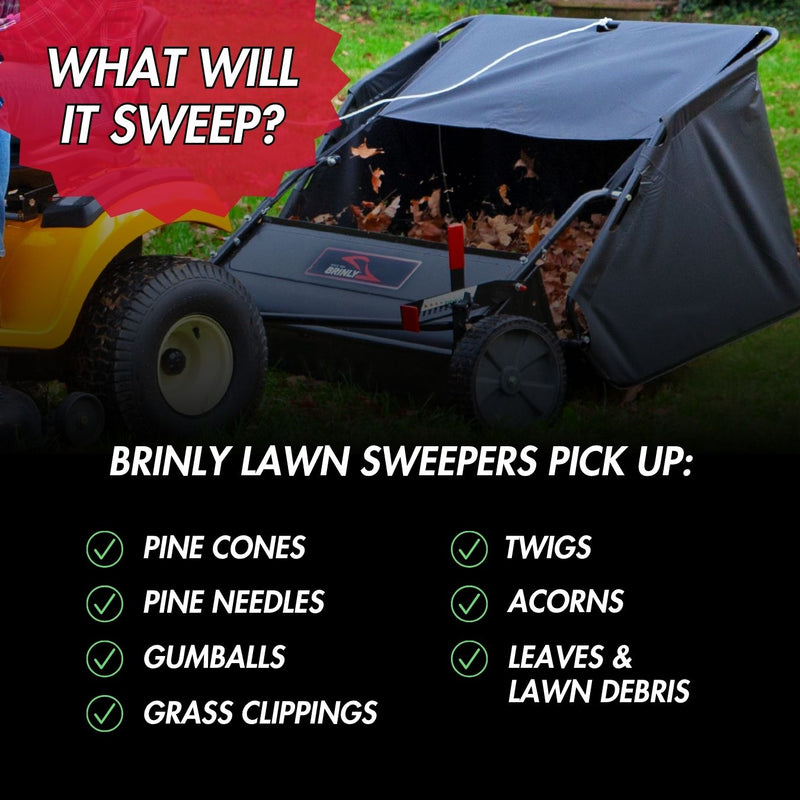
Can a lawn sweeper pick up pine needles? Detailed answer and factors
Can a lawn sweeper pick up pine needles? Yes, under the right conditions and with the right equipment and settings. Performance varies by sweeper type, brush style, ground speed, and the condition of the needles.
Key factors that determine success
- Sweeper type: Tow-behind and pull-behind sweepers generally have stronger agitation and larger hoppers than push sweepers. These models perform better for pine needles.
- Brush style and spacing: Dense, firm brushes or wire bristles work better. Wide gaps let needles fall through.
- Ground speed and passes: Slower speed and multiple passes increase pickup rates.
- Needle age and moisture: Fresh, dry needles are easiest. Wet or crunchy old needles are tougher to pick.
From my experience, a tow-behind sweeper with adjustable brushes picks up loose, dry pine needles reliably on flat lawns. I saw pickup rates drop when needles were compacted into mats or when brushes were too soft. If you want to clear most needles quickly, target dry days and use a sweeper with firm, closely spaced brushes.

Best lawn sweepers and attachments for pine needles
Choosing the right unit makes a big difference. Look for features that improve needle pickup.
Recommended features
- Adjustable brush height and tension to tune contact with grass.
- Dense or wire brushes to catch thin needles.
- Large hopper capacity to avoid frequent emptying.
- Tow-behind or tractor-mounted models for large yards.
Attachments and add-ons that help
- Front or rear dethatcher to loosen matted needles.
- Leaf blower to gather needles into rows before sweeping.
- Mulching mower to chop needles and reduce volume when sweeping is hard.
I tested a mid-range tow-behind and a push sweeper. The tow-behind picked up long, dry needles in a single pass. The push model needed two passes and struggled with thicker mats. If you have many pines, invest in a tow-behind or pair a push sweeper with a blower for best results.
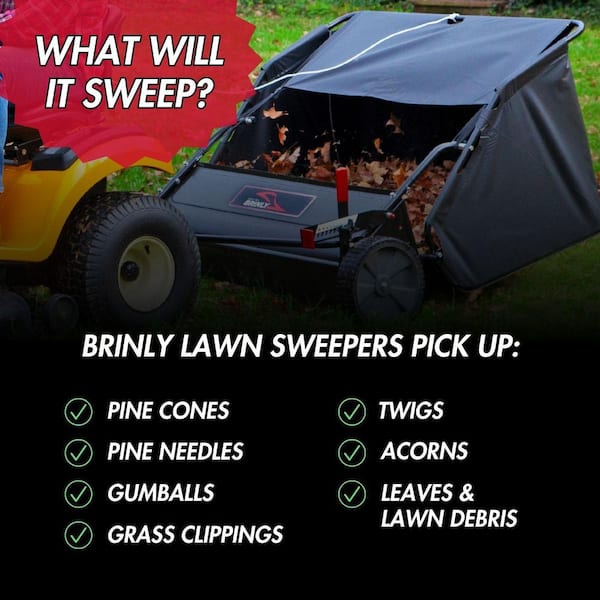
Techniques and tips to improve pine needle pickup
Small adjustments boost pickup dramatically. Try these steps in this order for best results.
Step-by-step method
- Wait for dry conditions. Sweeping works best when needles are not wet or frozen.
- Use a blower or rake to gather needles into rows. Rows let brushes sweep more efficiently.
- Set brush height low enough to engage needles but not so low to scalp the lawn.
- Move slowly and overlap passes slightly to catch stragglers.
- Empty the hopper frequently to maintain suction and brush performance.
Extra tips from practical experience
- Sweep after a mow. Cutting grass first raises needles and reduces mats.
- Test on a small patch and adjust brush tension before tackling the whole yard.
- For steep lawns, work horizontally across slopes for safer, more even pickup.

Alternatives and when to choose them
Can a lawn sweeper pick up pine needles? Often yes, but sometimes other tools are better. Know when to switch.
When to use a leaf blower
- Sparse needles or large yards where speed matters.
- Blowers move needles into piles for easy collection.
When to rake or use a thatching rake
- Dense mats, wet needles, or delicate lawn areas.
- Manual raking exerts direct force to separate needles from turf.
When to hire power equipment
- Commercial properties or heavy needle loads across large areas.
- Vacuum or professional debris loaders handle thick carpets faster.
If you need fine cleanup or needles are embedded in mulch beds, hand raking or a dedicated vacuum is often superior. Use a sweeper when needles are loose and evenly spread.
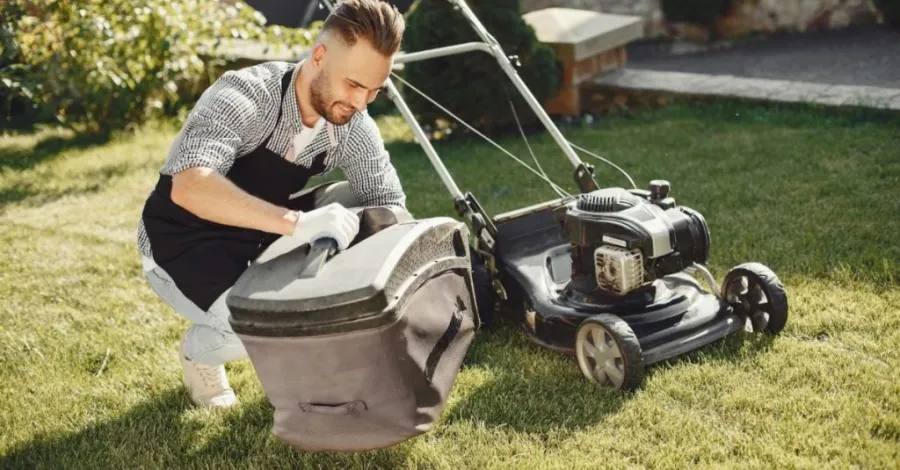
Maintenance and troubleshooting for better needle pickup
Keep your sweeper in top shape to maximize pine needle pickup.
Maintenance checklist
- Clean brushes and clear jammed needles after each use.
- Check brush wear and replace when bristles are thin or missing.
- Tighten bolts and inspect roller bearings for smooth rotation.
- Adjust hopper and brushes per manufacturer guidance.
Troubleshooting common issues
- Needles slip through brushes: Lower brush height or slow your pace.
- Hopper fills too quickly with debris: Empty more often or mow first.
- Uneven pickup across width: Check brush alignment and replace worn brushes.
Regular maintenance extends sweeper life and improves performance when dealing with stubborn pine needles.

Frequently Asked Questions of Can a lawn sweeper pick up pine needles?
How well do lawn sweepers pick up fresh versus old pine needles?
Fresh, dry needles are picked up much better. Old, brittle, or matted needles often require multiple passes or a different tool.
Will a lawn sweeper damage my grass when picking pine needles?
Properly adjusted sweepers typically do not harm healthy turf. Keep brushes set above crowns and use slow, even passes.
Is a push sweeper or tow-behind better for pine needles?
Tow-behind sweepers usually perform better on pine needles due to stronger agitation and larger hoppers. Push sweepers can work on small areas with light needle loads.
Can I use a lawn sweeper on uneven or sloped lawns?
You can, but performance drops on steep slopes or highly uneven turf. Work across slopes and adjust brush height to avoid scalping.
Should I mow before using a lawn sweeper for pine needles?
Yes. A quick mow lifts needles and breaks mats, making sweeping more effective and reducing hopper clogs.
Conclusion
A lawn sweeper can pick up pine needles effectively when you match the right tool, settings, and timing to the job. Focus on dry conditions, the right sweeper type, and simple prep like mowing or blowing needles into rows. From my testing and yard work experience, tow-behind sweepers with firm brushes are the most consistent choice for pine-heavy yards. Try the step-by-step method above, adjust as needed, and don’t hesitate to combine tools for the best results. If this guide helped, try these tips in your yard, subscribe for more practical landscaping advice, or leave a comment describing your pine needle challenge.

