

Most turf vacuums last between 5 and 10 years with regular care and yearly service.
I’ve worked with turf care pros and tested machines on real fields, so I know what makes a turf vacuum last. This guide explains how long does a turf vacuum last, what shortens its life, and simple steps to get the most years from your machine. Read on for clear advice, practical tips, and real-world lessons from field work.

Lifespan overview: realistic expectations for turf vacuum life
How long does a turf vacuum last depends on build quality, use, and maintenance. Basic consumer models often last 3 to 5 years under heavy use. Commercial-grade turf vacuums usually last 7 to 12 years when maintained well. I’ve seen well-kept commercial units run past 12 years with parts replaced as needed. Plan for regular parts and occasional rebuilds instead of expecting a machine to be trouble-free for a decade.

Key factors that affect how long does a turf vacuum last
Several core factors determine the lifespan of a turf vacuum. Each one can add or subtract years from your machine.
- Build quality
- Stainless steel and cast parts last longer than thin sheet metal.
- Robust motors and sealed bearings resist wear.
- Usage intensity
- Daily heavy field work shortens life compared to occasional use.
- Wet, sandy, or sticky debris is harder on the machine.
- Maintenance routine
- Regular cleaning, lubrication, and belt checks extend life dramatically.
- Skipping filters and bearings service causes early failures.
- Operating technique
- Proper speed and avoiding collisions preserve the frame and fan.
- Overloading the hopper stresses belts and the motor.
- Environment and storage
- Indoor, dry storage slows corrosion.
- Salt exposure or prolonged outdoor storage accelerates rust and electrical issues.
I’ve replaced bearings far more often on units stored outdoors. Small choices add up.
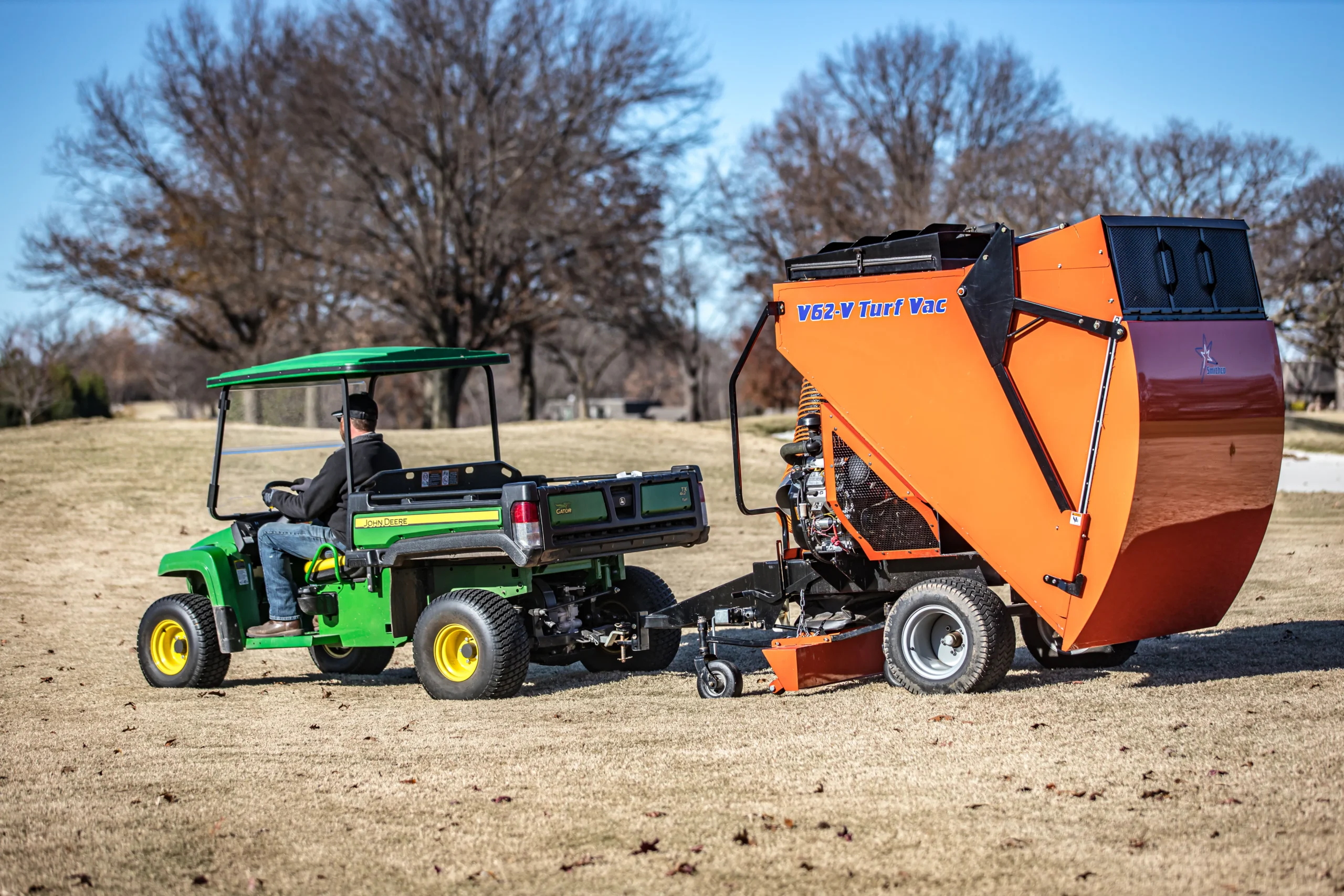
Maintenance and care to maximize lifespan
How long does a turf vacuum last often comes down to how you care for it. A few habits extend life a lot.
- Daily checks
- Empty hopper and remove debris after each use.
- Inspect belts, blades, and screens for damage.
- Weekly maintenance
- Grease fittings and check bearing play.
- Clean air filters and check fan housing for buildup.
- Monthly service
- Tighten fasteners and test motor amperage.
- Replace worn belts and damaged seals.
- Annual tune-up
- Complete inspection by a technician.
- Replace worn bearings, belts, filters, and any cracked hoses.
- Parts replacement
- Replace high-wear parts proactively rather than waiting for failure.
- Keep a small stock of belts, filters, and seals.
From my experience, owners who follow a simple checklist add 2–4 years to their turf vacuum. It’s cheaper to replace a belt than an entire motor.

Common failures and signs it’s time to replace
Knowing when to repair versus replace answers the practical side of how long does a turf vacuum last. Look for these signs.
- Repeated motor issues
- Motors that overheat or draw too much current indicate aging windings.
- Major frame or housing damage
- Rusted or bent structural parts can be unsafe to repair.
- Cost of repairs exceeds value
- If repair bills approach 50% of a replacement cost, replacement often makes sense.
- Excessive vibration or noise
- Worn bearings, unbalanced fans, or cracked impellers are common causes.
- Poor pickup performance
- If cleaning efficiency drops even after maintenance, wear is likely extensive.
If you see two or more signs regularly, plan for a new turf vacuum.
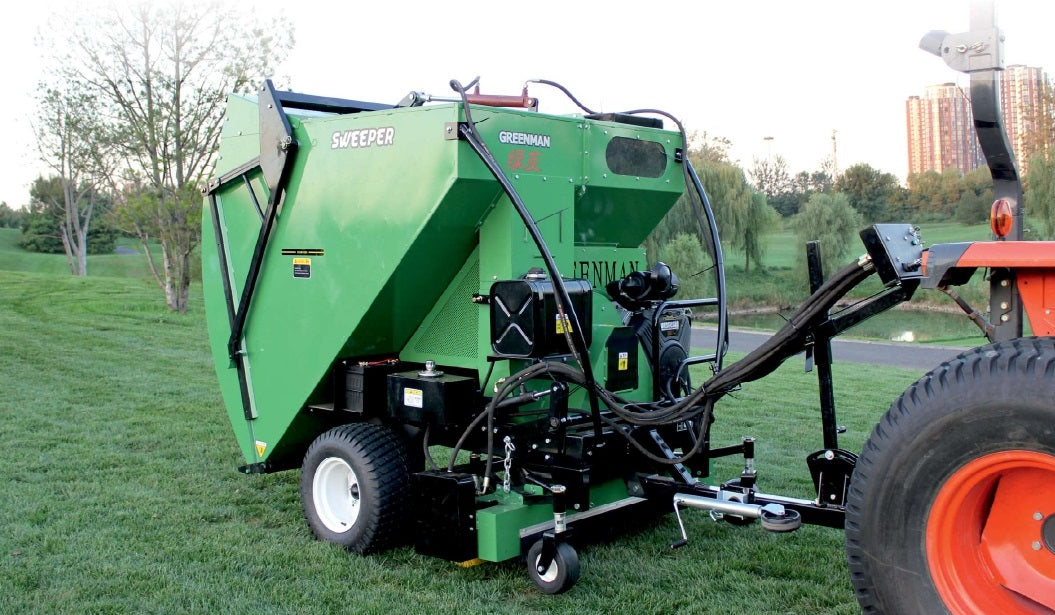
Choosing a durable turf vacuum: features that matter
When buying, focus on parts that determine how long does a turf vacuum last. Choose features that reduce downtime and long-term cost.
- Heavy-duty frame and chassis
- Look for welded frames and powder coatings to resist rust.
- Sealed bearings and high-quality belts
- Sealed bearings keep out grit; quality belts resist stretching.
- Easy-to-service design
- Removable panels and clear access points cut maintenance time.
- Proven motor and fan design
- Motors with thermal protection and fans with balanced impellers last longer.
- Warranty and parts availability
- Longer warranties and easy access to spare parts save money over time.
I recommend talking to field crews or maintenance shops about models they trust. Real users reveal weak points not obvious in specs.
Cost, value, and warranty considerations
How long does a turf vacuum last will affect your budget. Balance initial cost against long-term service needs.
- Initial price range
- Consumer models are cheaper but often need earlier replacement.
- Commercial units cost more up front but often have lower cost-per-year.
- Operating cost
- Factor in parts, labor, and downtime.
- Frequent repairs add to lifetime cost quickly.
- Warranties and support
- A 2–5 year warranty reduces early replacement risk.
- Local service and spare parts reduce repair time.
- Resale and trade-in
- Well-maintained machines hold value for resale or trade-in.
Think in terms of years of reliable service rather than just upfront price. A slightly higher price for a machine that lasts longer can be the wiser buy.
Personal experience and lessons learned
I’ve maintained turf vacuums on sports fields for years. A few lessons stand out.
- Preventive parts replacement saves money.
- Train operators to avoid heavy impacts and to use proper speeds.
- Store machines indoors during winter to prevent freeze damage.
- Keep a simple log of hours, repairs, and parts replaced.
Once, I extended a machine’s life by three years with a strict maintenance schedule and a small parts investment each season. Small steps matter.

Frequently Asked Questions of How long does a turf vacuum last?
How often should I service my turf vacuum?
Service daily basic checks, weekly cleaning and lubrication, and a full professional tune-up annually. Regular service keeps small issues from becoming big failures.
Will a more expensive turf vacuum last much longer?
Higher-quality models usually last longer, especially commercial-grade units with better components. However, maintenance still plays the biggest role.
Can I rebuild a turf vacuum to extend its life?
Yes. Replacing bearings, belts, and the motor can add years to a machine. Rebuild costs should be compared to a replacement price first.
Does storage affect how long does a turf vacuum last?
Yes. Dry, indoor storage slows corrosion and protects electronics, which extends life significantly. Outdoor storage shortens usable life.
How do I know when to replace the whole unit?
Replace when major structural damage, repeated motor failures, or cumulative repair costs near replacement cost. Safety and reliability should guide the decision.
Are there simple upgrades that extend life?
Upgrades like sealed bearings, better belts, and protective covers for motors can improve durability. Small improvements pay off over time.
Conclusion
A turf vacuum’s lifespan varies, but with smart choices you can expect 5 to 12 years. How long does a turf vacuum last will depend most on maintenance, build quality, and how hard you use it. Take simple steps now: follow a maintenance checklist, replace wear parts proactively, and choose a model with good service support. These actions will maximize lifespan and lower lifetime cost. If you found this helpful, leave a comment, subscribe for more field care tips, or ask about choosing the right model for your needs.

