

Most turf vacuums cost between $1,200 and $40,000 depending on size and features.
I’ve spent years working with turf managers, grounds crews, and maintenance teams. In this guide I break down turf vacuum cost clearly. You’ll get price ranges, real-world examples, hidden expenses, and simple rules to decide whether to buy, rent, or hire a pro. Read on for a practical, experience-backed look at turf vacuum cost so you can make a smart choice.

What is a turf vacuum and why it matters
A turf vacuum is a machine that removes debris, sand, infill, and organic matter from artificial or natural turf. It preserves playability, improves drainage, and extends turf life. Grounds teams use them at sports fields, golf ranges, and landscaping sites to keep surfaces safe and even.
Choosing the right unit affects both short-term budgets and long-term turf health. Turf vacuum cost varies widely because units range from small backpack vacs to large ride-on systems. Understanding what each type does helps you match cost to need.
Typical turf vacuum cost ranges
Below are common price bands for turf vacuum cost. Numbers are approximate and will vary by brand, region, and optional extras.
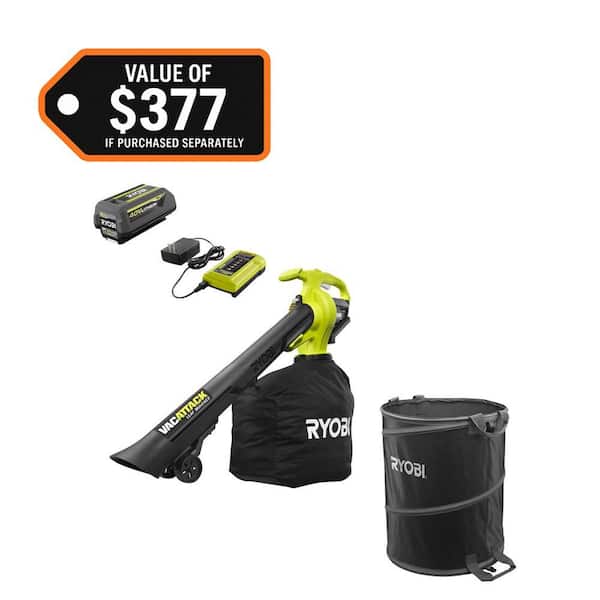
- Portable and backpack units: $1,200 to $3,500. Good for spot work and small fields.
- Walk-behind commercial units: $3,000 to $12,000. Best for small to mid-size fields and frequent use.
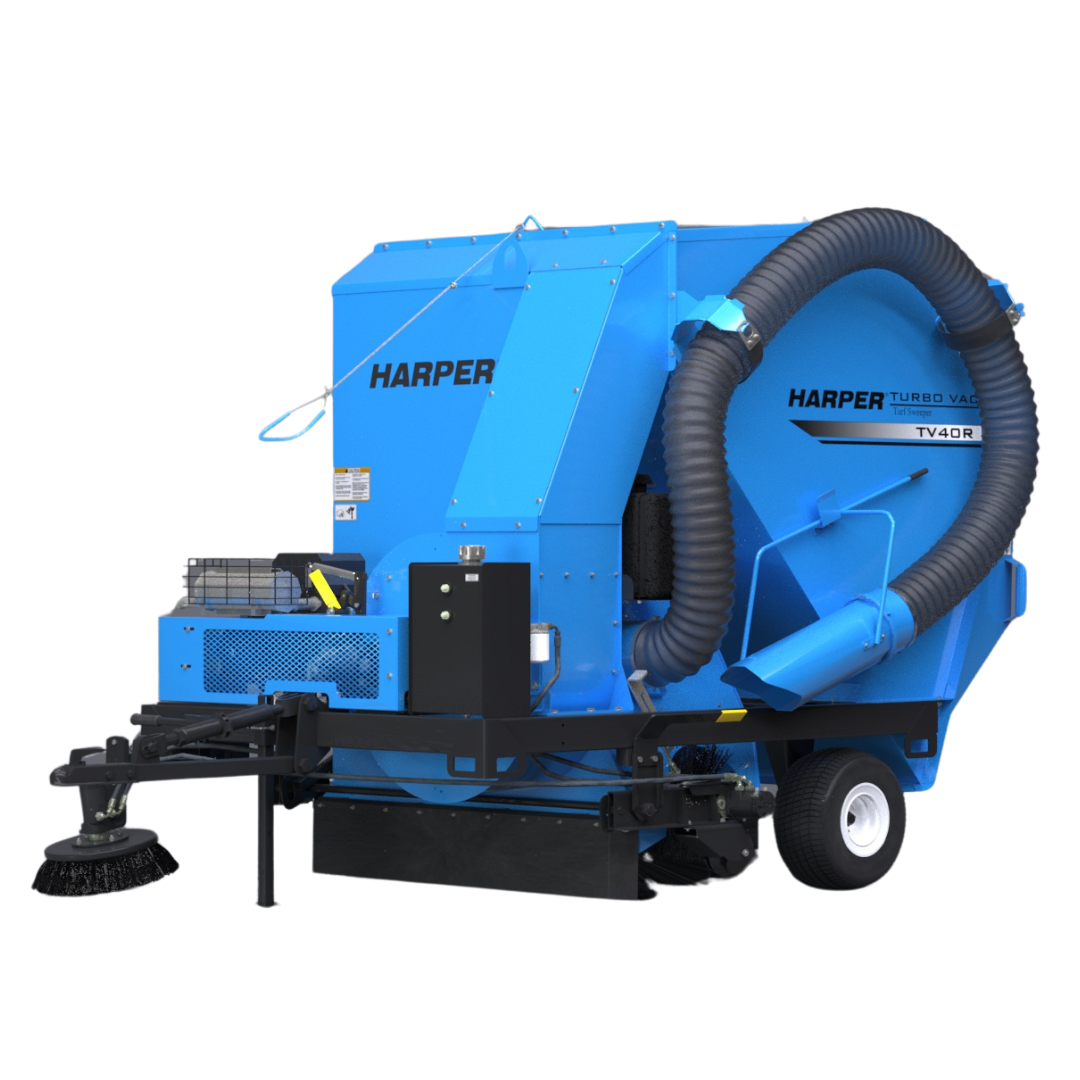
- Tow-behind or tractor-mounted units: $5,000 to $20,000. Efficient for larger fields and heavy debris.
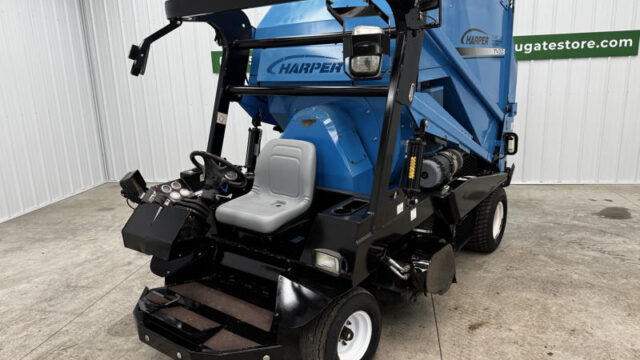
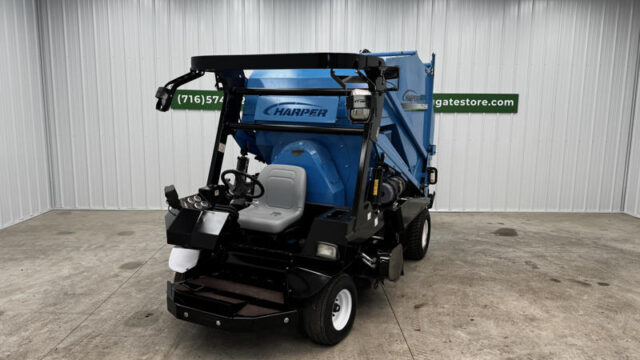
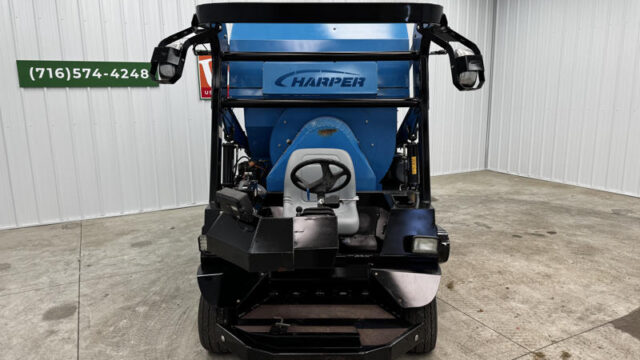
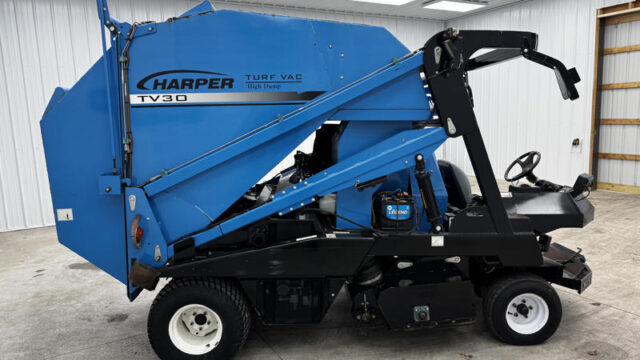
- Ride-on and large commercial machines: $15,000 to $40,000+. Used by stadiums and turf contractors.
- Used equipment: Often 30% to 60% less than new depending on condition and hours.
- Rental rates: $80 to $300 per day, or $250 to $900 per weekend, depending on size and location.
How much does it cost to rent a turf vacuum short-term? Rentals are usually the cheapest route for occasional jobs, at about $80 to $300 per day.
How much does a turf vacuum cost for a small club? Expect a quality walk-behind unit in the $3,000 to $6,000 range.
How much does a turf vacuum cost for a stadium? High-capacity ride-on machines often reach $20,000 to $40,000.

Factors that influence turf vacuum cost
Several things drive turf vacuum cost. Know these to estimate real expenses.
- Size and capacity. Larger hoppers and wider heads cost more but clean faster.
- Power source. Gas engines cost more to buy and fuel. Electric or battery units save fuel but may cost more up front.
- Suction and airflow specs. Higher CFM and stronger suction raise price.
- Attachments and options. Brushes, debris separators, and conveyor systems add cost.
- Brand and warranty. Established brands charge premiums but often include better support.
- New vs used. Used saves money but can raise maintenance costs.
- Dealer location and shipping. Heavy machines add freight and setup fees.
- Turf type and condition. Dense or heavily infilled turf may require specialized systems.
From my work, the most costly surprises are attachments and shipping. A small add-on can push a $7,000 purchase toward $9,000 quickly. Budget for those when calculating turf vacuum cost.
Buying vs renting vs hiring a service
Deciding whether to buy a unit or hire one depends on use frequency, budget, and staff skills.
- Buy when you need weekly cleaning or have many fields. Buying lowers per-use cost over time.
- Rent when you need occasional deep cleans. Rentals reduce capital expense and storage needs.
- Hire a service when you prefer a turnkey solution. Contractors bring expertise and save staff time.
Simple break-even example:
- A $7,000 walk-behind unit used 25 times per year at a rental cost of $250/day pays off within about 2 years. Add maintenance and storage to refine the math.
I’ve seen facilities buy machines they used rarely. That led to unused capital and extra maintenance bills. If usage is under 15 days per year, renting or hiring often costs less than buying when you factor in depreciation and storage.
Operating and maintenance costs
Turf vacuum cost does not end at purchase. Ongoing expenses matter.
- Fuel or electricity: Gas units need fuel; electric units need power or battery charging.
- Parts and wear: Brushes, belts, filters, and belts wear out and need replacement.
- Labor: Time to operate and load debris has a real cost.
- Transport and storage: Trailers, garage space, and shipping add expense.
- Repairs: Budget 5% to 10% of purchase price per year for heavy-use units.
- Preventive maintenance: Regular checks extend life and reduce major repairs.
Estimate operating costs at 10% to 25% of purchase price annually for commercial use. For light use, expect lower percentages but keep a basic reserve.
Real-world examples and price breakdowns
Concrete examples help picture turf vacuum cost in practice.
Example 1: Community soccer field
- Need: Monthly infill top-ups and leaf pickup.
- Solution: Walk-behind commercial vacuum.
- Cost: $5,000 purchase, $500/year maintenance, or $200 per rental day.
- My take: Buying made sense after two seasons of frequent use.
Example 2: Turf contractor for multiple fields
- Need: Fast turnover and deep cleaning.
- Solution: Ride-on vacuum with large hopper.
- Cost: $28,000 purchase, $3,000/year upkeep.
- My take: High upfront cost but low per-field labor and fast cleaning.
Example 3: One-time renovation
- Need: Major infill replacement for a single field.
- Solution: 3-day rental at $250/day plus transport.
- Cost: ~$1,000 total.
- My take: Rental saved money and avoided storage issues.
These examples show turf vacuum cost varies by need. Match the machine to the work.
Estimating return on investment (ROI)
Calculating ROI helps decide if buying is wise.
Step 1: Sum annual savings from buying versus renting.
Step 2: Subtract annual operating and maintenance costs.
Step 3: Divide purchase price by net annual savings to find years-to-payback.
Quick example:
- Purchase price: $10,000
- Annual savings versus renting: $3,000
- Annual operating costs: $1,000
- Net annual savings: $2,000
- Payback time: 5 years
Think about resale value and downtime. A well-kept used machine can recoup 40% to 70% of its purchase price if sold later. That improves effective ROI.
Practical buying tips and mistakes to avoid
Short, actionable tips from experience to keep turf vacuum cost manageable.
- Test before buying. Demo units on your turf type.
- Check warranty and local service support.
- Factor in attachments you’ll likely need later.
- Buy used from reputable sellers with maintenance records.
- Avoid overbuying capacity you won’t use often.
I once advised a small club to buy a mid-size machine. They bought a heavy ride-on instead. It sat idle and cost more in storage. Match size to real need.
Frequently Asked Questions of How much does a turf vacuum cost?
How much does a basic turf vacuum cost?
Basic portable or backpack turf vacuums start around $1,200 to $3,500. These suit spot cleaning and small fields.
How much does a commercial turf vacuum cost?
Commercial walk-behind units typically cost $3,000 to $12,000, while ride-on and stadium machines often range from $15,000 to $40,000.
Is renting a turf vacuum cheaper than buying?
Renting is cheaper for occasional use. If you need the machine many times per year, buying usually becomes more economical.
What are typical rental rates for a turf vacuum?
Expect $80 to $300 per day or $250 to $900 for a weekend, depending on machine size and location.
How much should I budget for maintenance?
Plan for 5% to 10% of the purchase price per year for heavy commercial use. Light users can budget less, but set aside funds for parts and repairs.
Can I save by buying used?
Yes. Used units can be 30% to 60% cheaper, but inspect service history and wear carefully before purchasing.
Final thoughts
Turf vacuum cost depends on size, use, and features. Small portable units start near $1,200. Commercial and stadium machines can reach $40,000. Include operating, maintenance, and shipping costs when budgeting. Rent for occasional jobs, buy when you need regular service, and hire pros for turnkey work.
Takeaway: list your needs, estimate annual use, and run a simple payback calculation. That will tell you whether buying, renting, or hiring fits your turf and your budget. If you found this helpful, subscribe for more turf care guides or leave a comment with your situation and I’ll help estimate turf vacuum cost for your field.

