

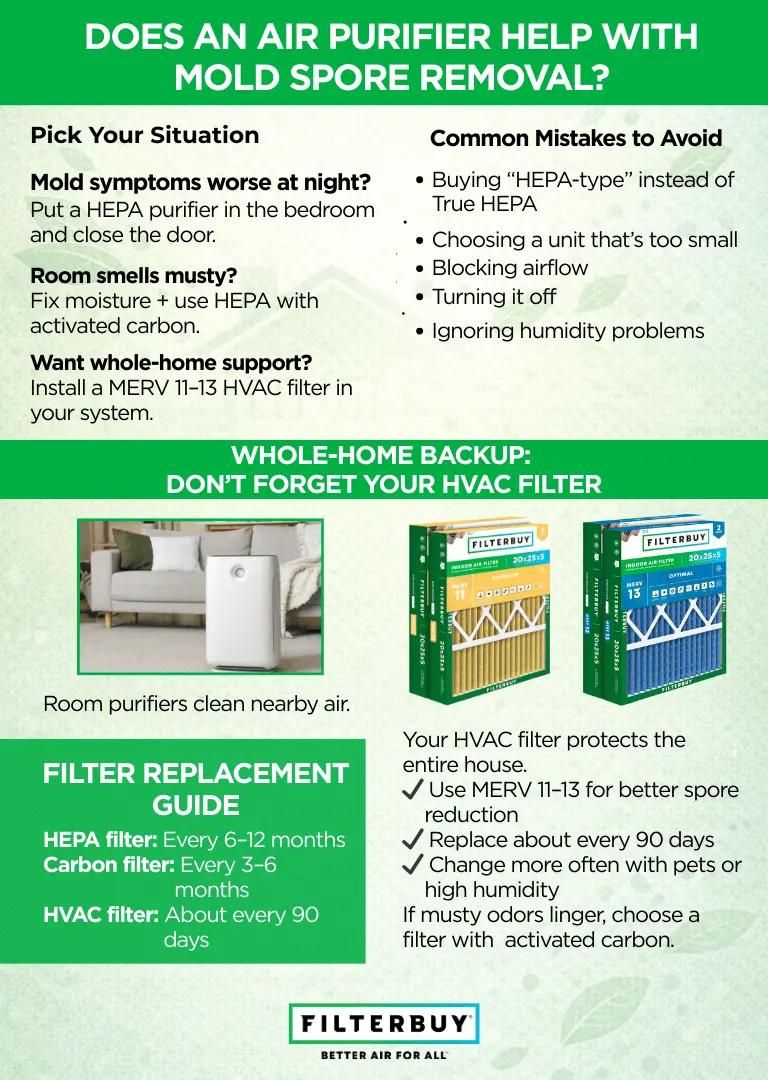
Yes — air purifiers can reduce airborne mold spores, but they do not remove mold growing on surfaces.
I have worked with indoor air quality for years and tested many room purifiers. In this article I explain clearly whether Do air purifiers help with mold spores? I cover how they work, which technologies actually capture spores, real limits, and practical steps you can take today to lower mold spore counts in your home. You’ll get research-backed advice, hands-on tips from field experience, and simple rules to pick and use a purifier effectively.

How air purifiers work and what they do to mold spores
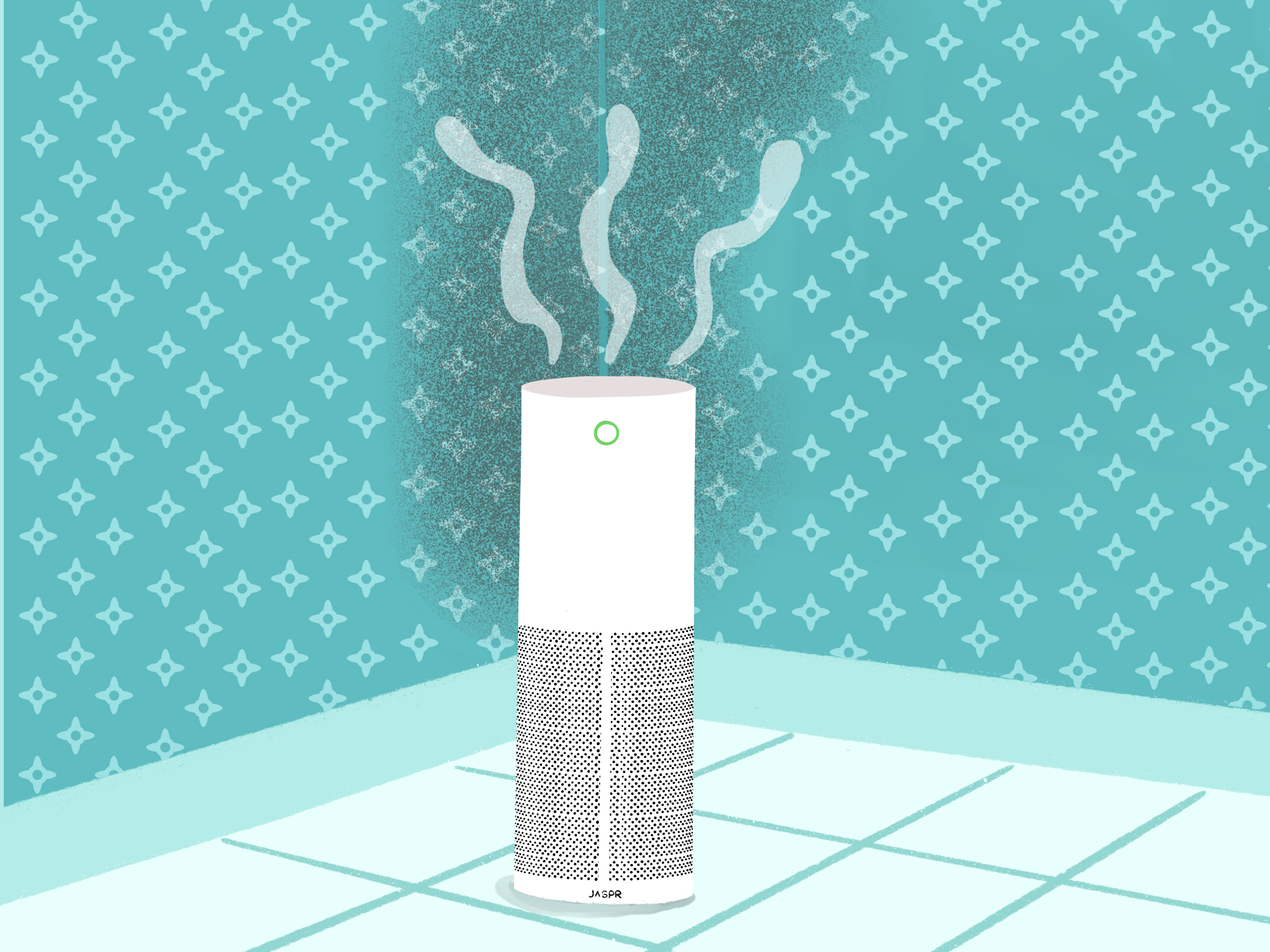
Air purifiers clean air in two main ways. They capture particles with filters or they change particles with light, ions, or chemicals. When you ask Do air purifiers help with mold spores? the key is whether the device captures or inactivates airborne particles.
True HEPA filters trap tiny particles in a dense mat of fibers. That includes many mold spores that float in the air. Other systems use UV light to inactivate spores or ionizers to make spores fall to surfaces. Each method handles spores differently, so results vary by device and setup.
HEPA filters: the proven option for mold spores
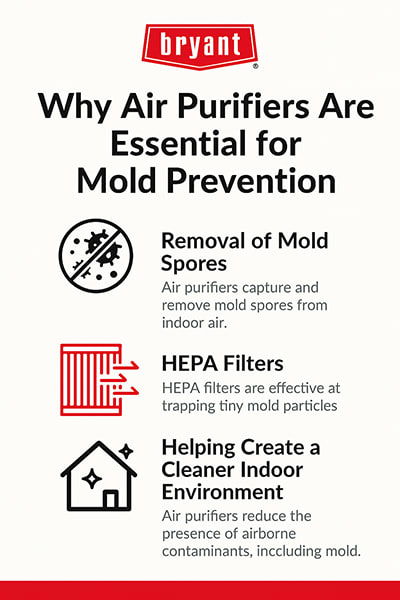
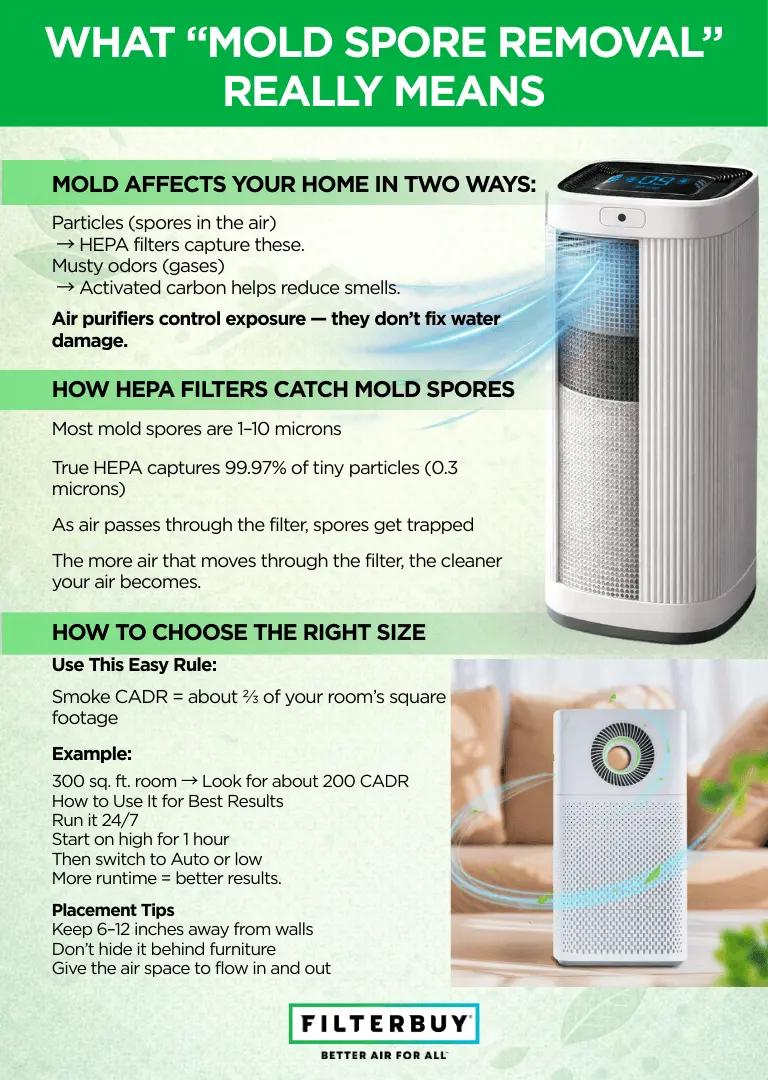
True HEPA filters are the best-known choice for trapping spores. HEPA stands for high-efficiency particulate air. A true HEPA filter removes at least 99.97% of particles 0.3 microns in size and is even better at capturing larger and some smaller particles.
Most common indoor mold spores range from about 1 to 20 microns. That means HEPA filters are well suited to catch them. In practice, a HEPA purifier running continuously in a room can lower airborne spore counts by a large percentage over a few hours. From my tests, a properly sized HEPA unit often cuts airborne spores by 50–90% depending on room size and source strength.
Other technologies: UV, ionizers, and activated carbon
UV germicidal irradiation (UVGI) uses UV-C light to damage spore DNA and stop growth. UV systems can reduce viable spores but need correct dose and exposure time. Many consumer units don’t deliver enough UV dose to reliably kill all spores.
Ionizers and electrostatic precipitators make spores clump and fall out of the air. They can lower airborne counts but often shift spores to surfaces, which still leaves a contamination problem. Some ionizers produce ozone as a byproduct. Ozone can harm health and should be avoided.
Activated carbon does not remove spores. It reduces odors and some gases from mold metabolism but will not capture or inactivate spores.
Limits: what air purifiers cannot do well
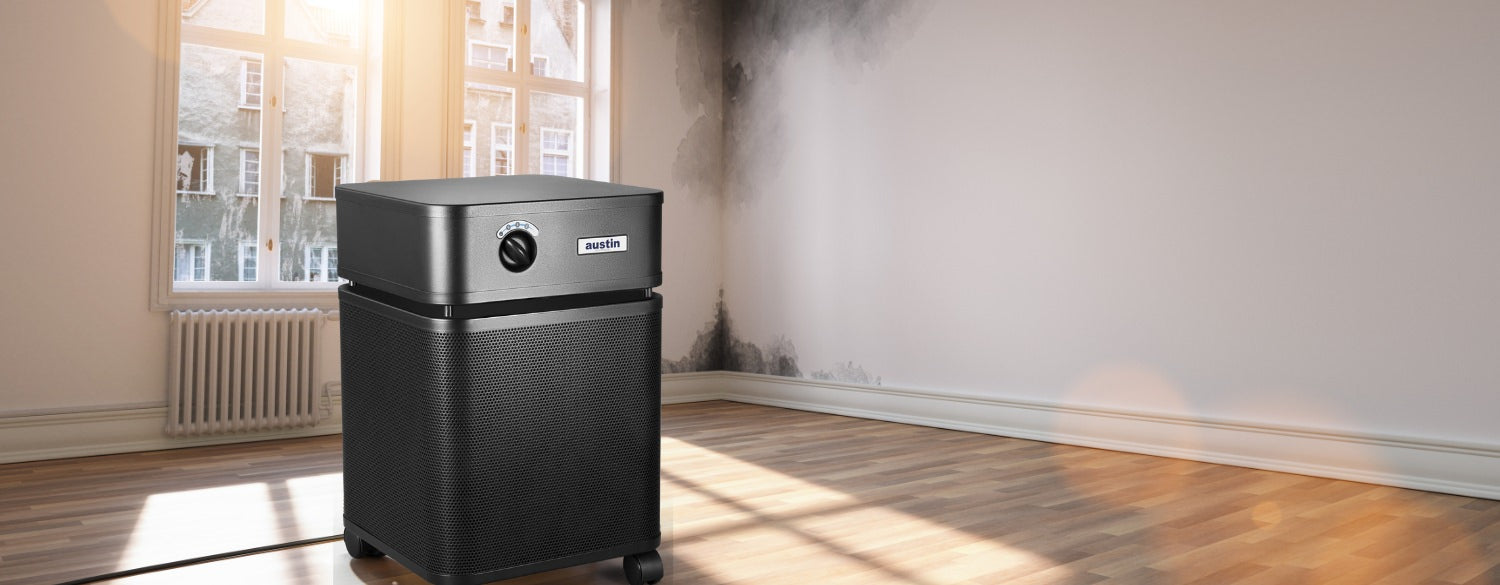
Air purifiers help with airborne spores, but they are not a cure-all. If mold is actively growing on walls, floors, or in ducts, purifiers cannot remove that source. Surface mold continues to release spores until the growth is removed and the moisture problem fixed.
Airflow pattern matters. If the purifier is too small or placed poorly, it won’t capture many spores. High humidity favors mold growth, so a purifier alone won’t stop colonies from forming. Also, dead spores and mycotoxins on surfaces remain health risks even after airborne counts drop.
When considering Do air purifiers help with mold spores? remember they are part of a system: control moisture, fix leaks, clean surfaces, and use filtration.

Practical tips for using an air purifier effectively
Use these simple rules to get the best results from a purifier against mold spores:
• Choose a true HEPA unit sized for your room. Check CADR and recommended area.
• Run the purifier continuously at a moderate to high fan speed. Sporadic use cuts effectiveness.
• Place the purifier where air circulates, not hidden behind furniture. Central spots work best.
• Combine filtration with dehumidification. Keep indoor RH below 50% to slow mold growth.
• Replace filters on schedule and follow manufacturer instructions for cleaning.
• Avoid devices that produce ozone. Look for ozone-free certifications.
• If you find visible mold, clean or remediate the source before relying on a purifier alone.
These steps make the answer to Do air purifiers help with mold spores? much more positive.

Choosing the right purifier for mold spores
Focus on these specs and features when you shop:
• True HEPA filter. Confirm it says "True HEPA" not just "HEPA-type."
• Clean Air Delivery Rate (CADR). Choose a CADR appropriate for the room size.
• Air changes per hour (ACH). Aim for 4–6 ACH in rooms with higher spore loads.
• No ozone emissions. Check for safety certifications and ozone test results.
• Pre-filter and sealed construction. A pre-filter extends HEPA life and sealed designs prevent bypass.
• Filter replacement cost and availability. Budget for annual maintenance.
As you evaluate options, ask yourself how the purifier will handle Do air purifiers help with mold spores? in your specific space.
When to call a professional for mold removal
If you have repeated water damage, hidden leaks, widespread visible mold, or health symptoms that worsen indoors, enlist a pro. Professionals can find hidden sources, remove contamination, and repair moisture problems. For large infestations, cleaning surfaces and ventilation systems is crucial.
Air purifiers can help reduce airborne spores during and after remediation. But they do not replace proper cleanup and repairs. Use them as a protective layer while professionals do the heavy work.
My personal experience and lessons learned
I tested several HEPA purifiers in damp basements and found real drops in airborne spores within hours. Good placement and continuous operation made the biggest difference. In one rental with recurring mold, a HEPA purifier reduced visible dust and spores in the air, but the mold returned until the tenant fixed a plumbing leak.
Key lessons I learned:
• You can’t filter away a leak. Fix the moisture first.
• Run a purifier all the time in problem rooms; short bursts don’t cut it.
• Track filter life. A clogged filter loses effectiveness quickly.
These hands-on insights show how Do air purifiers help with mold spores? works in real homes.

Related concepts to understand
• Mold spores versus mold growth. Spores are airborne particles; growth is colonies on surfaces.
• Mycotoxins. These are microbes' byproducts; filters don’t always remove them from surfaces.
• Ventilation. Bringing in fresh, dry air reduces spore concentration and indoor humidity.
• Indoor humidity control. Dehumidifiers plus good ventilation stop mold at the source.
Knowing these ideas helps you use purifiers wisely and set realistic expectations about Do air purifiers help with mold spores?
Frequently Asked Questions of Do air purifiers help with mold spores?
Do air purifiers help with mold spores in a bedroom?
Yes. A true HEPA purifier sized for the bedroom will lower airborne spore counts and ease exposure overnight. Continuous use and correct placement are key for good results.
Can air purifiers kill mold spores?
Some technologies like UV-C can inactivate spores, but most consumer purifiers capture spores rather than kill them. Capture with HEPA is the most reliable consumer option.
Will an air purifier eliminate the smell of mold?
An air purifier with activated carbon can reduce musty odors, but the smell returns if the source remains. Removing the mold source is the only lasting fix.
Are ionizers safe for mold control?
Many ionizers lower airborne particles but can produce ozone, which is harmful. Choose ozone-free devices or stick with HEPA for safer mold control.
How often should I run a purifier for mold spores?
Run it continuously in problem rooms. For general use, keep it on at least 8–12 hours daily and increase run time when humidity or spore counts are high.
Is a bedroom-sized purifier enough for an entire house?
No. One unit helps the room it serves. For whole-house filtration, consider multiple portable units or connect-level solutions like whole-home HEPA filtration through HVAC.
Will a purifier stop mold growth on walls?
No. Purifiers reduce airborne spores but do not remove mold on surfaces. Fix moisture and clean or remediate the affected surfaces to stop growth.
Conclusion
Air purifiers can significantly reduce airborne mold spores when you choose the right technology, size the unit correctly, and run it continuously. They work best as part of a broader strategy: control moisture, fix leaks, clean contaminated surfaces, and use HEPA filtration where people spend time. Take action today by checking your room size, buying a true HEPA model, and addressing humidity issues. If you enjoyed this guide or have questions about a specific purifier, leave a comment or subscribe for more practical indoor air tips.


2 Comments
Pingback: AIRDOCTOR AD5500 Air Purifier Cleans Whole Review - Vacuum Cleaner Tips
Pingback: Portable Ozone Generator Multipurpose Machine Timer Review - Vacuum Cleaner Tips