

Yes — air purifiers can reduce many bad odors, but effectiveness depends on the filter type and the odor source.
I’ve tested and researched air cleaners for years. I’ll explain how air purifiers work, which ones cut smells, what they can’t fix, and how to choose and use one for real results. If you want to know whether air purifiers help with bad odors in your kitchen, pet room, or smoke-filled space, this guide gives clear, practical steps backed by experience and research.
How air purifiers work
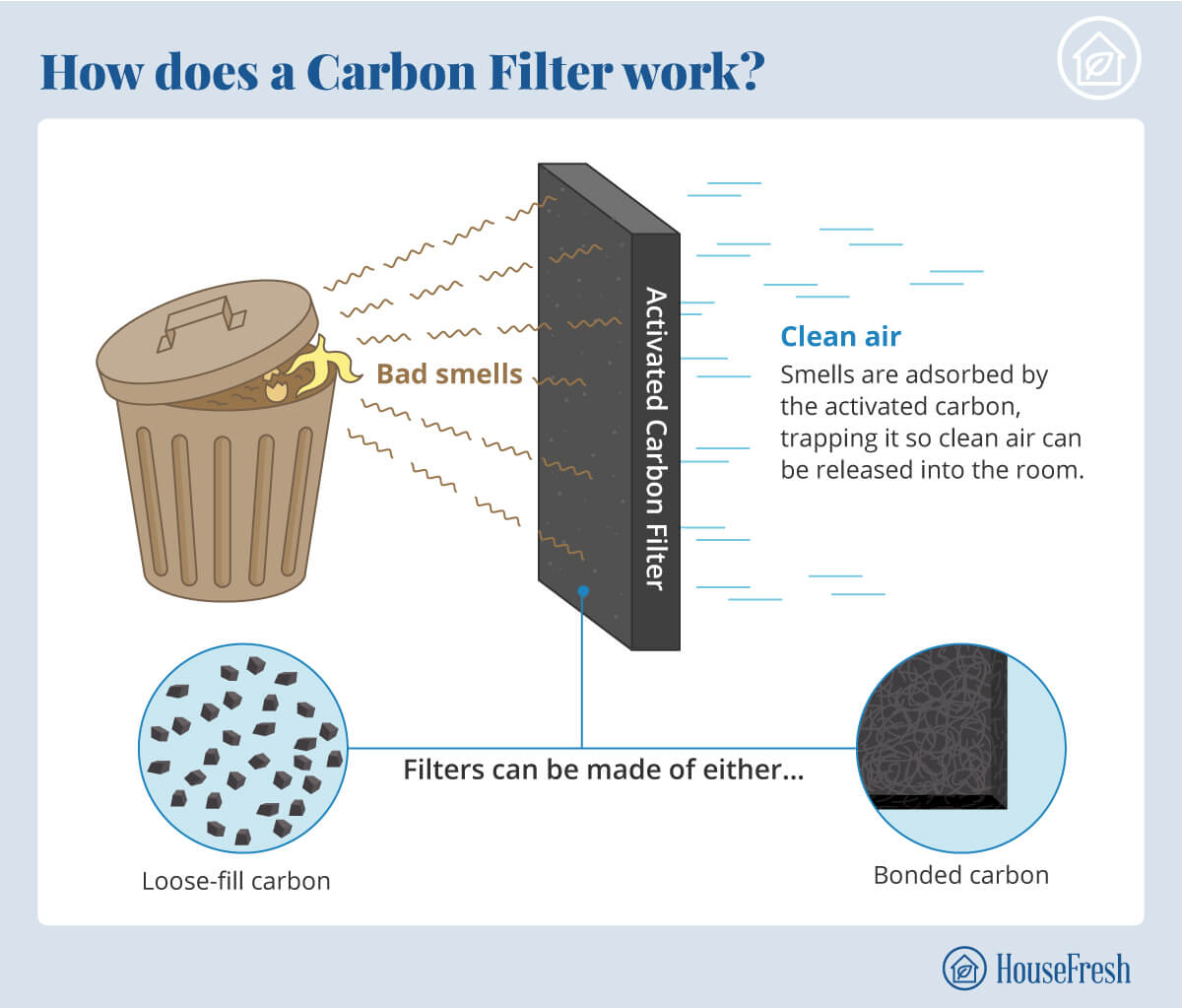
Air purifiers pull room air through a filter or treatment system. Filters trap particles like dust, pollen, and smoke. Gas-phase filters, such as activated carbon, adsorb odor molecules and volatile organic compounds (VOCs). Some models use UV light, photocatalysis, or ionizers to break down or settle contaminants. Knowing the tech helps you match a purifier to the odor you want to reduce.

Can air purifiers help with bad odors?
Short answer: yes, often — but not always.
Air purifiers help with bad odors when the smell comes from airborne particles or VOCs. For example, cooking smoke, cigarette smoke, and many pet or bathroom smells can be reduced. However, smells tied to surfaces, fabrics, or plumbing often need source cleaning plus air treatment. Choosing the right technology is key if you want air purifiers to help with bad odors in your home.
PAA-style quick questions:
- How fast do purifiers remove odors?
- A purifier’s removal time depends on room size, CADR, and filter type. High CADR and more carbon filter media speed results.
- Will a HEPA filter remove smell?
- HEPA traps tiny particles but does not remove gases. HEPA alone rarely removes most bad odors.
- Are ozone purifiers good for odors?
- Ozone can neutralize some smells but is unsafe at effective levels and is not recommended for homes.
Types of filters and technologies that reduce odors
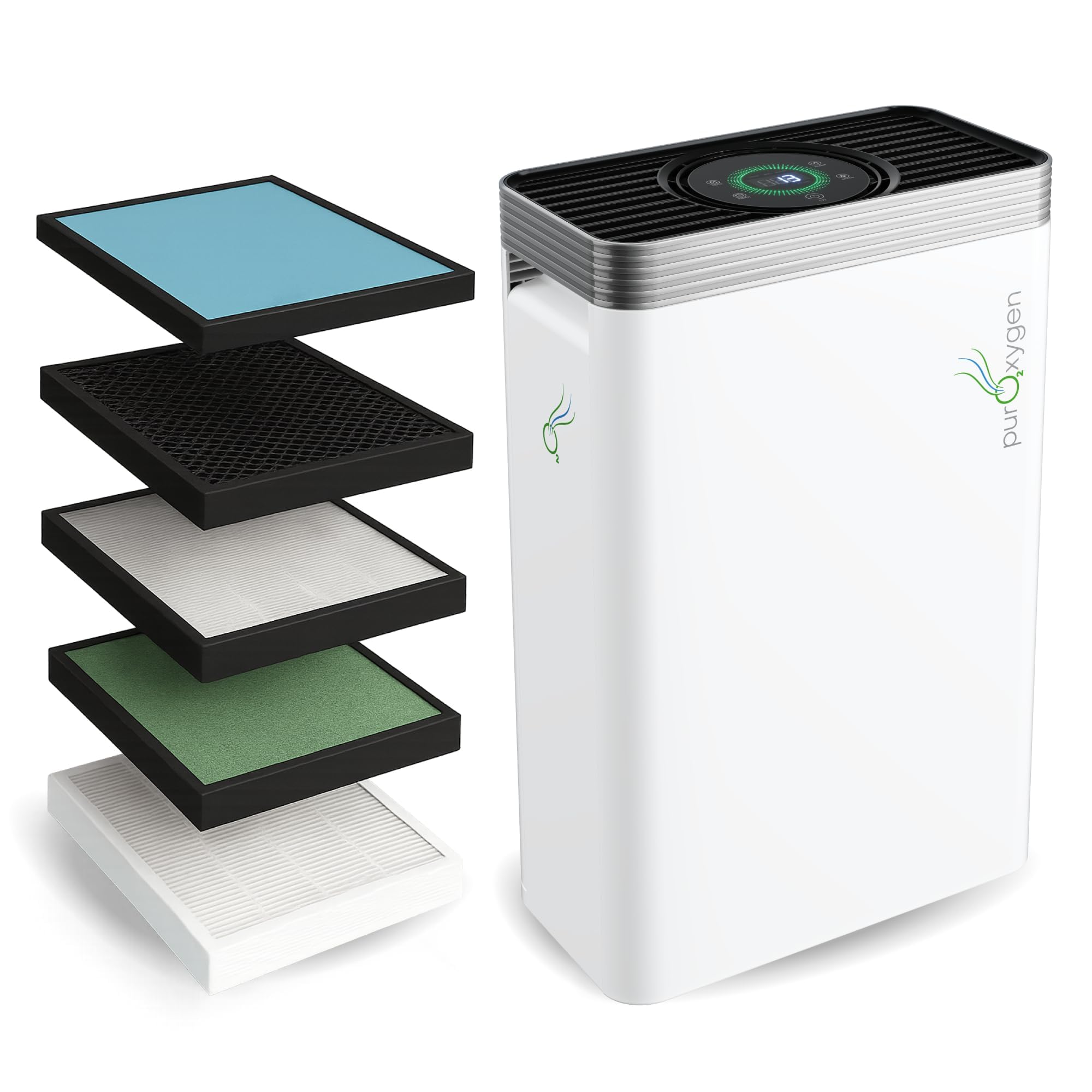
- Activated carbon filters
- Adsorb gases and many VOCs. The thicker and higher-quality the carbon bed, the better the smell removal.
- Impregnated carbon and zeolite
- Treated media target specific gases like formaldehyde, ammonia, or sulfur compounds.
- Photocatalytic oxidation (PCO)
- Uses UV light and a catalyst to break down VOCs. Works for some gases but often slower and less proven than carbon.
- Ionizers and electrostatic filters
- Can remove particles that carry odor. They rarely remove gases directly.
- Ozone generators
- Can mask or react with odors but pose health risks and are not advised for living spaces.
What odors air purifiers can and cannot remove
What they often reduce:
- Cooking smoke and grease smell
- Tobacco smoke (particles and some gaseous components with activated carbon)
- Pet dander and many pet-related odors
- VOCs from paints, cleaning products, and fresh off-gassing
What they usually cannot fully remove alone:
- Deep smells in carpets, upholstery, or drywall that soak into fibers
- Plumbing or sewage odors that require fixing the source
- Mold smells from active growth—air purifiers can help with spores in air but you must remove mold at its source
From my testing, air purifiers help with bad odors like cooking and smoke within hours in a properly sized room. Carpets and sofas needed cleaning and sometimes replacement to stop smells. Use a purifier plus cleaning for the best outcome.
How to choose an air purifier for odors
- Match room size and CADR
- Choose a purifier rated for your room. Higher CADR clears air faster.
- Look for substantial activated carbon media
- Small carbon pads do little. Seek units with thick carbon beds or replaceable carbon canisters.
- Check for VOC-targeting filters
- Some filters list formaldehyde or ammonia capture. That helps specific smells.
- Avoid ozone-producing devices
- They may be marketed for odor control but carry risks.
- Consider sealed systems
- Better seals prevent bypass and improve gas contact with carbon.
Checklist:
- Measure room square footage.
- Check CADR and recommended room size.
- Confirm carbon weight or media volume.
- Note filter replacement cost and schedule.

Practical tips to maximize odor removal
- Remove the source first
- Clean spills, wash fabrics, fix leaks, and throw out spoiled food.
- Increase ventilation
- Open windows or run an exhaust fan while cooking.
- Run the purifier continuously at a higher speed for several hours
- Odors drop faster with continuous air exchange.
- Place the purifier near the odor source
- A device near the kitchen or litter box helps more than one tucked in a corner.
- Maintain and replace filters on schedule
- Full or saturated carbon stops adsorbing new gases.
From personal experience, placing a purifier near the problem and running it on high for 24–48 hours often made a noticeable difference. For persistent smells, combine cleaning, ventilation, and a unit with a big carbon filter.

Limitations and safety considerations
- Not a magic fix for all smells
- Surface-embedded odors often need cleaning or repair.
- Filter life and cost
- Carbon filters saturate and need replacement. This can be costly over time.
- Watch claims and specs
- Marketing can exaggerate performance. Look for CADR, carbon mass, and independent tests.
- Ozone risks
- Avoid devices that produce ozone. They can worsen respiratory health.
Be transparent: air purifiers help with bad odors in many cases, but real success depends on matching tech, removing the source, and keeping equipment in good condition.
:strip_icc()/bhg-air-purifiers-test-alen-breathesmart-75i-melanie-fincher-08-d48b2473f8ca469f99d2258fb344c36e.jpeg)
Frequently Asked Questions of Can air purifiers help with bad odors?
Do air purifiers remove smoke smell?
Air purifiers with HEPA plus activated carbon reduce smoke particles and some smell-causing gases. For heavy smoke, you need strong carbon media and longer run times.
Can an air purifier remove pet odor?
Yes, many pet odors come from airborne particles and VOCs. A purifier with quality carbon and regular cleaning of pet bedding works best.
How often should I change the carbon filter?
Change intervals vary by use and pollution level, but many carbon filters need replacement every 3 to 12 months. Check the manufacturer’s guidance and replace sooner if smells return.
Will an air purifier get rid of mold smell?
Air purifiers can reduce airborne mold spores, but they do not remove mold growing on surfaces. Fix the source and clean the mold to stop the smell long term.
Are ozone generators safe for odor removal?
No. Ozone can react with some odor molecules but is harmful to people and pets at effective levels. Use safer alternatives like activated carbon filters.
Can I use multiple purifiers in a home?
Yes. Using several units sized to each room often performs better than one large unit for the whole house. Place them where odors come from for faster results.
Is an expensive purifier worth it for odor control?
Cost can matter because pricier models often use larger carbon beds and better seals. Balance budget, filter cost, and how strong the odors are when deciding.
Conclusion
Air purifiers help with bad odors in many real-world cases, especially when equipped with quality activated carbon or media designed for VOCs. They work best when you pair them with source removal, regular cleaning, and good ventilation. If you face cooking smoke, pet smells, or paint fumes, choose a purifier sized for your room and with ample carbon, run it continuously, and change filters on schedule. Try these steps and track improvement over 24–72 hours. If this guide helped, subscribe for more tips, or leave a comment about the odors you’re fighting and I’ll share specific product ideas.


3 Comments
Pingback: JOBYNA Ozone Generator Water Air Review - Vacuum Cleaner Tips
Pingback: Blue Commercial Air Purifier Ozone Generator Review - Vacuum Cleaner Tips
Pingback: Airthereal PA1K-GO Portable Ozone Generator Review - Vacuum Cleaner Tips