

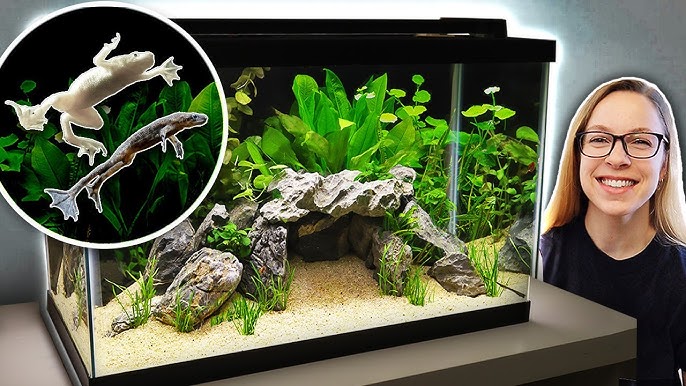
Fine sand with no sharp grains—natural silica or play sand is safest and easiest to maintain.
I’ve kept African dwarf frogs for years and helped others set up tanks. This guide explains exactly what substrate is best for African dwarf frog tanks, why it matters, and how to set it up safely. Read on for clear, practical steps, real-life tips, and common mistakes to avoid so your frogs stay healthy and your tank stays clean.
Why substrate matters for African dwarf frog tanks
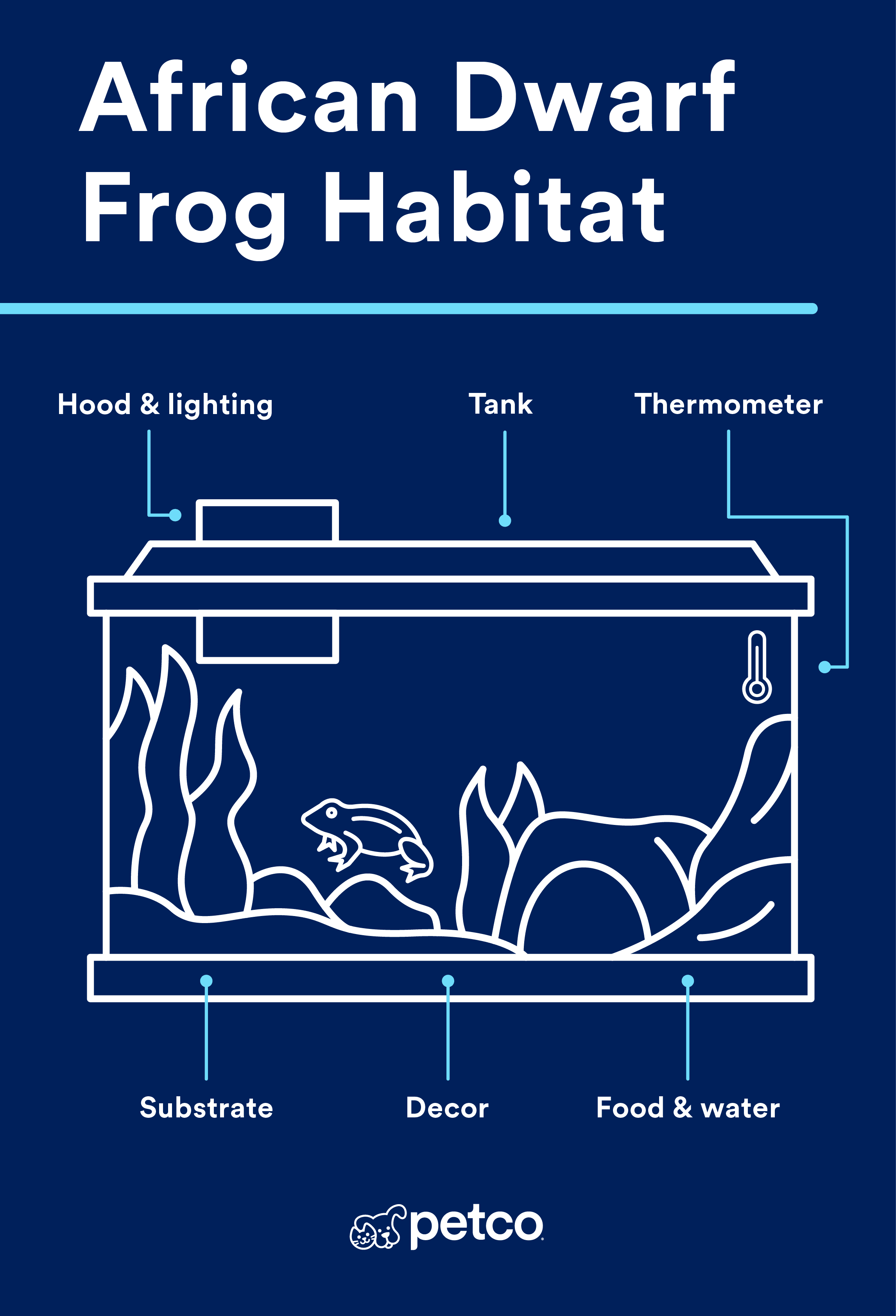
Substrate affects frog health, water quality, and tank maintenance. African dwarf frogs are fully aquatic and like soft, smooth bottoms. If you ask, What substrate is best for African dwarf frog tanks? the answer changes how you clean, feed, and decorate the tank.
Good substrate helps anchor plants, hides debris, and prevents injury to frogs that forage along the bottom. Poor substrate traps waste, causes impaction risk, and can raise ammonia. Choosing right reduces stress and keeps water stable, which matters more than flashy decorations.

Top substrate choices: pros and cons
What substrate is best for African dwarf frog tanks? Here are safe options that many keepers and aquatic vets recommend.
- Fine silica sand
- Smooth and soft for frogs to walk on.
- Easy to siphon waste without scooping frogs.
- Won’t trap large particles if stirred gently.
- Aquarium soil capped with sand or gravel
- Good for planted tanks that need nutrients.
- Use a sand cap so frogs don’t ingest loose soil.
- Adds natural look and supports plants.
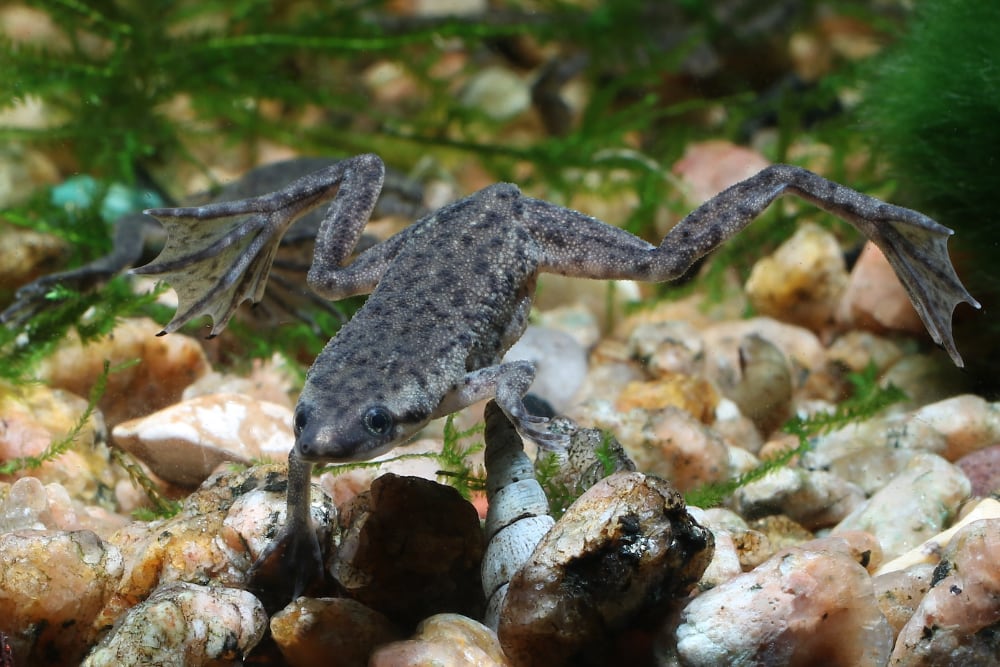
- Smooth, small river pebbles (rarely)
- Use only very small, rounded pebbles to avoid jaw or stomach injuries.
- Harder to clean and risk of trapped waste is higher.
- Bare-bottom tanks (no substrate)
- Easiest to clean and monitor water quality.
- Tanks can look less natural, but health can improve for beginners.
For most hobbyists, fine silica sand remains the best balance of safety, look, and maintenance. Remember to answer the central question: What substrate is best for African dwarf frog tanks? — choose fine, smooth, inert sand or a planted soil with a sand cap.

Substrates to avoid and why
What substrate is best for African dwarf frog tanks? Avoid anything that risks impaction or sharp edges.
- Sharp gravel or crushed coral
- Can cut skin and damage mouths.
- Raises pH when made of calcium-rich material.
- Large decorative rocks with rough edges
- Trap waste and can injure frogs when they shuffle.
- Small granules that can be swallowed
- Impaction happens when frogs ingest substrate while hunting. Surgical removal is sometimes needed.
If you see your frog ingesting substrate frequently, switch immediately. Safety should trump aesthetics.
How to set up the substrate correctly
Ask again: What substrate is best for African dwarf frog tanks? Setup matters as much as choice.
- Rinse sand thoroughly
- Wash until water runs clear to remove dust.
- Use 1/2 to 1 inch of sand
- Thin layers reduce anaerobic spots and make cleaning easy.
- If planting, add a nutritive soil layer under sand
- Cap with sand to prevent ingestion.
- Create gentle slopes or flat areas
- Frogs prefer flat, open spaces to rest and forage.
I once used a deep sand bed and later found anaerobic pockets. I switched to a thinner sand layer and saw less odor and clearer water within weeks.
Maintenance: cleaning and monitoring
What substrate is best for African dwarf frog tanks? The best substrate still needs care.
- Vacuum weekly with a siphon
- Remove visible debris without sucking up frogs.
- Partial water changes
- Replace 20–30% weekly to keep ammonia low.
- Spot-clean uneaten food each day
- Reduces waste breakdown in sand.
- Test water parameters
- Monitor ammonia, nitrite, nitrate, and pH regularly.
If algae or detritus builds up, do a gentle stir and siphon. Consistent maintenance keeps both frogs and substrate healthy.
Practical tips, common mistakes, and lessons learned
What substrate is best for African dwarf frog tanks? Use these hands-on tips from experience.
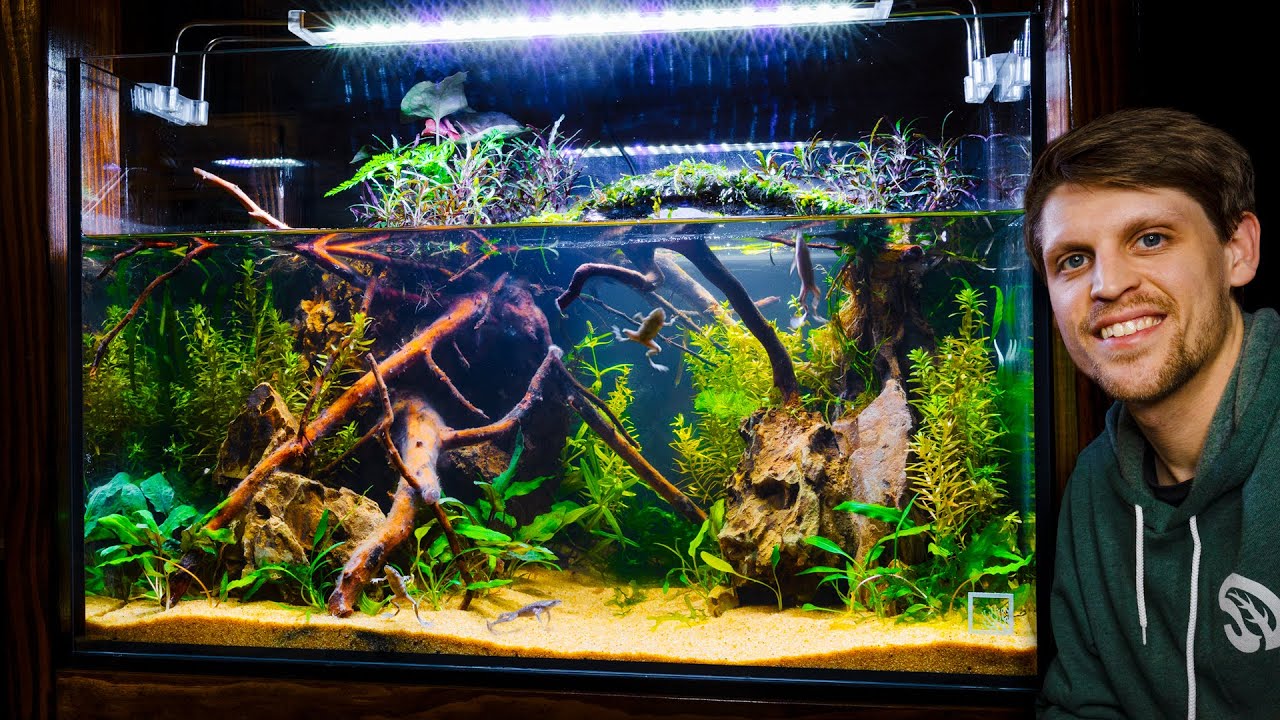
- Use a fine sand that doesn’t compact
- Compacting causes bad bacteria and odors.
- Avoid decorative sand with dyes or additives
- Chemicals can leach and harm frogs.
- Don’t overfeed
- Uneaten food is the main cause of substrate pollution.
- Quarantine new tank decoration
- Rinse and soak to remove dust and contaminants.
I’ve helped novice keepers who chose expensive crushed coral and later had persistent pH spikes. Switching to inert sand solved the problem.
PAA-style quick questions
- Can African dwarf frogs live on gravel?
- They can, but small gravel increases impaction risk and traps waste. Fine sand is far safer.
- Is bare-bottom okay for frog tanks?
- Yes, bare-bottom tanks are easy to clean and can improve water quality for beginners.
- How deep should substrate be for African dwarf frogs?
- Keep sand shallow, around 1/2 to 1 inch; deeper beds can compact and hide waste.
- Will sand change water chemistry?
- Pure silica sand is inert and should not alter pH or hardness.
- Can I mix sand with plants?
- Yes. Use nutritive soil below and a sand cap to prevent ingestion.
Frequently Asked Questions of What substrate is best for African dwarf frog tanks?
What substrate is safest to prevent impaction?
Fine silica sand is the safest because it is smooth and less likely to be swallowed and cause blockages.
Can I use play sand from a hardware store?
Yes, plain play sand can work if it is 100% silica and free of additives; rinse it thoroughly before use.
Is planted substrate necessary for African dwarf frogs?
Planted substrate is not necessary but helps live plants thrive. Use a sand cap to protect frogs from ingesting loose soil.
How often should I clean the substrate?
Spot-clean daily and siphon the sand during weekly water changes to remove waste and uneaten food.
Can sand cause cloudy water?
New sand can cloud water at first. Rinse well and run a filter; the cloudiness should clear within a day or two.
Conclusion
Choosing the right answer to What substrate is best for African dwarf frog tanks? makes daily care simpler and keeps frogs healthy. Fine, inert sand or a planted soil with a sand cap gives the best balance of safety, cleanliness, and aesthetics. Keep the layer shallow, spot-clean often, and avoid sharp or chemically active materials.
Try the recommended setup for a month and observe water tests and frog behavior. If you notice ingestion, change substrate immediately. Share your setup or questions below, subscribe for more frog care guides, or leave a comment with your experience.

