

HEPA traps particles like dust and pollen; carbon adsorbs gases, odors, and VOCs.
I have tested many air purifiers in homes and small offices. I will explain clearly what is the difference between HEPA and carbon filters in air purifiers? You will learn how each filter works, what they remove, when to use them, how to maintain them, and smart tips to pick the right unit. This guide mixes research, plain facts, and hands-on tips so you can choose with confidence.

How HEPA filters work
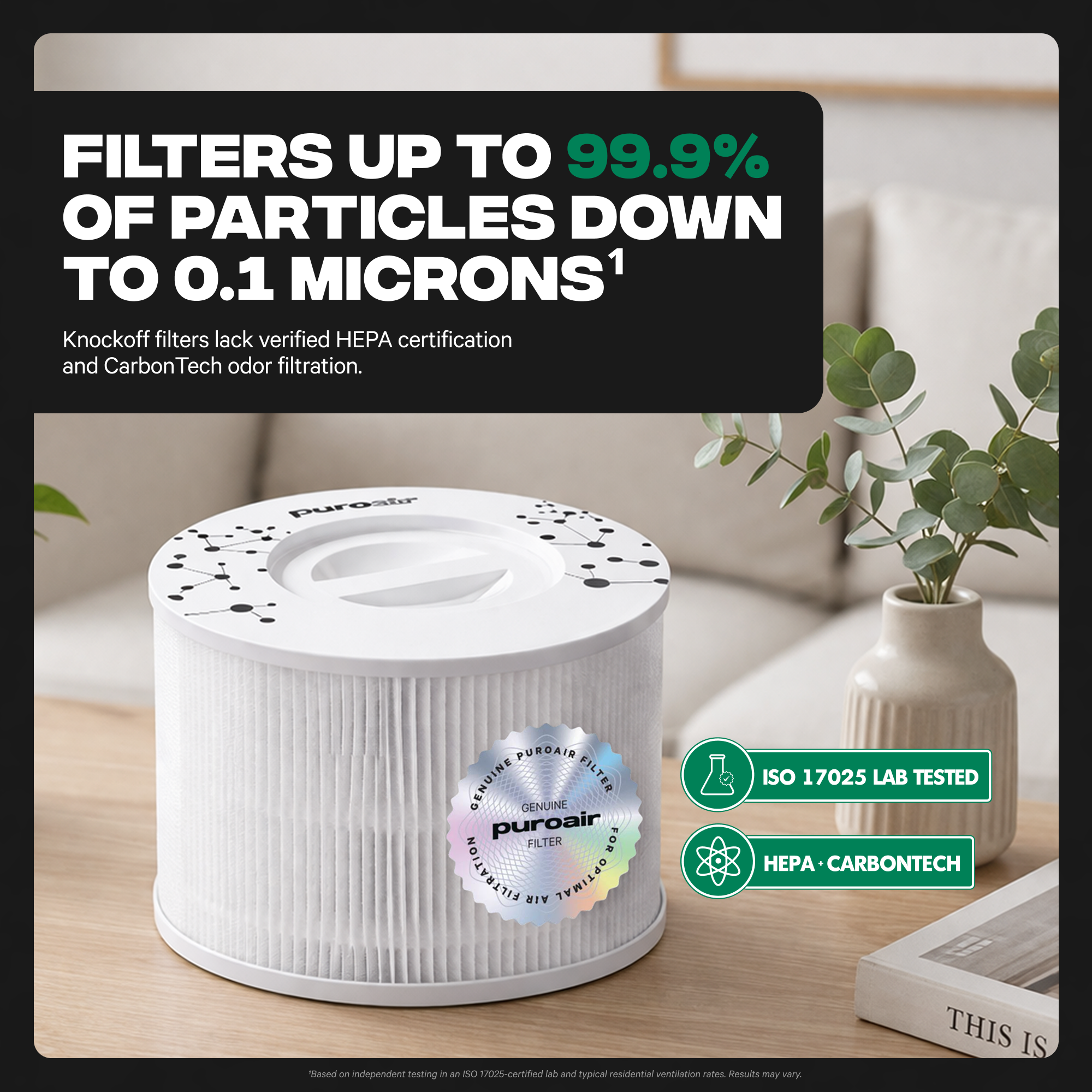
HEPA stands for high-efficiency particulate air. HEPA filters use a dense mat of fibers to trap tiny particles. They capture dust, pollen, pet dander, mold spores, and many bacteria. Grade HEPA filters remove 99.97% of particles at 0.3 microns, a standard tested in labs. HEPA does not remove gases, odors, or most VOCs. HEPA works best for allergy relief and particle control.

How carbon (activated carbon) filters work
Activated carbon filters use porous charcoal. The pores adsorb gases, smells, and volatile organic compounds (VOCs). Adsorption means molecules stick to the carbon surface. Carbon is key for smoke, cooking odors, chemical smells, and petrol fumes. Carbon does not trap fine particles well. For particle removal, carbon must pair with HEPA or other particle filters.

Key differences at a glance
- Purpose and target
- HEPA removes particles like dust and pollen.
- Carbon removes gases, odors, and VOCs.
- Mechanism
- HEPA filters trap by physical interception and diffusion.
- Carbon filters adsorb molecules on a porous surface.
- Measured performance
- HEPA efficiency uses a particle size benchmark (0.3 micron standard).
- Carbon performance varies by material, thickness, and contact time.
- Typical use cases
- HEPA: allergies, asthma, dust control.
- Carbon: smoke, pet odor, chemical smells.
What is the difference between HEPA and carbon filters in air purifiers? In short, one handles particles, the other handles gases.
When to use HEPA vs carbon
- If you have allergies or asthma
- Choose HEPA-first units to cut pollen and dander.
- If you live with smoke or strong odors
- Choose carbon-rich units or models that combine HEPA + carbon.
- If you face chemical smells or VOC exposure
- Prefer larger carbon beds and activated carbon blends.
- For general home use
- Use a purifier that pairs HEPA and carbon for broad coverage.
From my tests, rooms with cigarette or wildfire smoke need more carbon than a bedroom with dust. Asking “what is the difference between HEPA and carbon filters in air purifiers?” helps you match filter type to the problem.

Maintenance, lifespan, and cost
- HEPA filters
- Last 6 to 12 months in many home units. Higher-end units can last longer.
- Costs vary by size and brand.
- HEPA becomes less effective when clogged. Replace per maker’s guide.
- Carbon filters
- Last 3 to 6 months for thin pads. Thick carbon blocks last longer.
- Carbon cannot be "washed" to restore adsorption.
- Replace when odors return or after heavy use.
- Combined systems
- You may need to replace HEPA and carbon at different intervals.
- Check pre-filters too; they extend HEPA life.
A mistake I made early on was waiting too long to replace carbon in a smoke-affected room; the purifier looked fine but smells returned. Change parts on schedule to keep the unit effective.

Health, safety, and limitations
- HEPA is excellent for particles that carry allergens and some microbes. It lowers allergy triggers.
- Carbon reduces odor and many VOCs, but not all chemicals. Some gases need specialized filters.
- Neither filter removes CO (carbon monoxide). CO needs a detector and ventilation.
- Ozone-generating devices are not the same as carbon filters. Avoid ozone-producing purifiers for health reasons.
- Filters have limits. Severe chemical leaks or high smoke levels require ventilation and source control, not just a purifier.
Be clear about the problem. Ask: “Is it particles or gases?” That question maps to what is the difference between HEPA and carbon filters in air purifiers? and points you to the right tool.

Buying tips and real-world advice
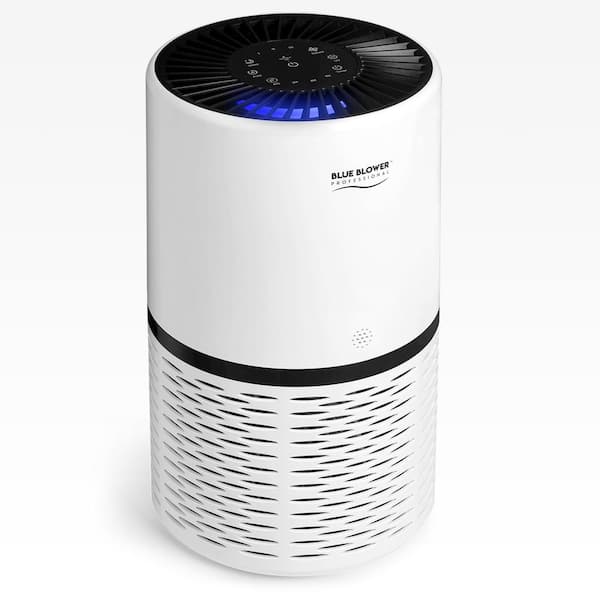
- Look for combined units
- Many top home purifiers pair true HEPA plus a generous carbon stage.
- Check CADR and room size
- CADR shows how fast a unit cleans particles. Pair CADR to room area.
- Inspect carbon amount
- Thin carbon sheets are weak. Look for thick beds or granules for odor and VOC control.
- Replace parts on schedule
- Keep spare HEPA and carbon filters at hand.
- Avoid gimmicks
- Fan speed and proper placement matter more than lights or smart apps.
- Practical tip from testing
- Run purifiers near the source of pollution. In a kitchen, place it close to cooking. For smoke, run it in the room where smoke enters.
When you shop, ask the seller about the carbon amount and HEPA grade. That solves the practical side of what is the difference between HEPA and carbon filters in air purifiers?
Related concepts and advanced filters
- Pre-filters
- Catch large particles. They extend HEPA life.
- HEPA H13 vs H14
- Higher numbers mean finer capture efficiency.
- Catalytic and specialty media
- Some filters use catalysts or impregnated carbon to target specific gases.
- Photocatalytic oxidation and ionizers
- These are different techs. They have pros and cons and may produce byproducts.
If you need to remove formaldehyde or industrial gases, seek filters designed for those substances. General carbon may not be enough.

Frequently Asked Questions
What is the difference between HEPA and carbon filters in air purifiers?
HEPA captures tiny solid particles like dust and pollen. Carbon adsorbs gases, odors, and many VOCs. Use both for broad protection.
Can a HEPA filter remove smoke smell?
HEPA removes smoke particles but not the smell. For odor and gas from smoke, use carbon or specialized gas filters.
How often should I replace HEPA and carbon filters?
Replace HEPA every 6 to 12 months on average. Replace thin carbon pads every 3 to 6 months; thicker carbon may last longer. Check the maker’s guidance.
Do carbon filters remove VOCs completely?
Carbon reduces many VOCs but not all. Effectiveness depends on carbon type, amount, and contact time. For high VOC levels, use ventilation and targeted media.
Is it okay to run only HEPA or only carbon?
Yes, if your main problem is particles or gases only. For mixed pollution, a combined HEPA + carbon system is best.
Will using both filters cost more to maintain?
Yes, combined units require replacing both media on schedule. But they solve more problems and often save health costs and time.
Conclusion
HEPA and carbon filters serve different but complementary roles. HEPA tackles particles. Carbon handles gases and odors. Knowing what is the difference between HEPA and carbon filters in air purifiers? helps you pick the right setup for allergies, smoke, or chemicals. Start by identifying your main pollutant, then choose a purifier with the correct mix of HEPA, carbon, and pre-filters. Change filters on schedule and place the unit near the pollution source. Try one focused change today: pick a model with both HEPA and a thick carbon bed if you want broad protection. Leave a comment below about your space and I will suggest options.

