

Yes — lawn sweepers are often worth buying for medium to large lawns and frequent debris cleanup.
I’ve tested and used several lawn sweepers over years and helped homeowners pick the right tool. This guide explains how lawn sweepers work, who benefits most, costs, alternatives, and real-world tips from my experience so you can decide if lawn sweepers are worth buying for your yard.

How lawn sweepers work
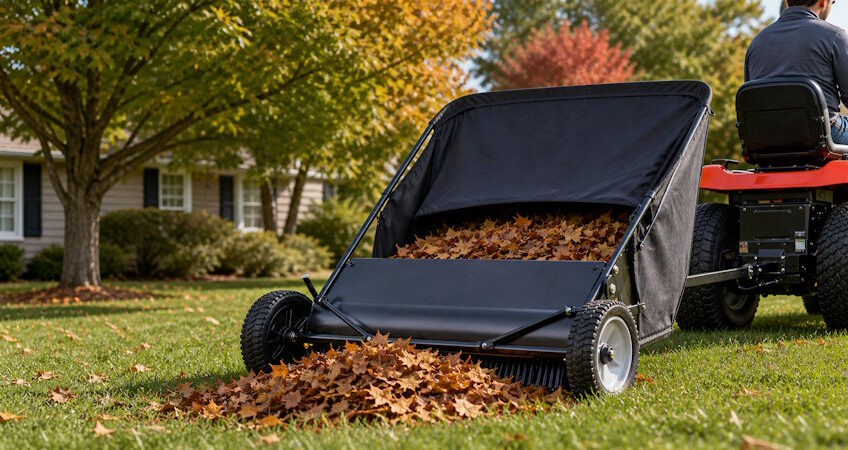
Lawn sweepers pull rotating brushes or tines across turf to lift leaves, grass clippings, pine needles, and small debris. As the brushes turn, material moves into a hopper or bag. Powered models use an engine or battery to spin brushes; tow-behind and push sweepers rely on motion from a tractor or you.
Lawn sweepers do not cut grass; they collect surface litter. They work best on dry leaves and light debris and less well on wet, matted material or heavy sticks. I often run a sweeper twice in fall for best results.

Types of lawn sweepers
There are a few common types of lawn sweepers to know about:
- Push sweepers — You push them like a mower; best for small yards and light debris.
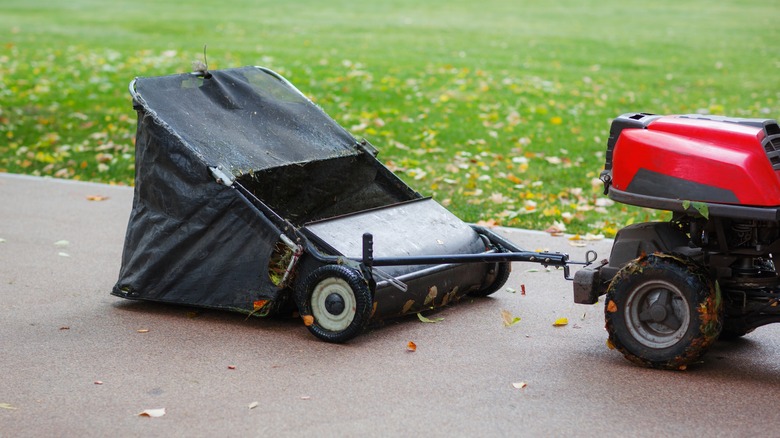
- Tow-behind sweepers — Hitch to a lawn tractor or ATV; great for medium to large lawns and faster coverage.
- Power sweepers — Motor-driven brushes; good for heavy pickup but cost more and need maintenance.
- Tractor-mounted or wide commercial sweepers — For very large properties or professional use.
Each type fits different budgets and yard sizes. For example, tow-behind sweepers cover ground quickly, while push sweepers cost less and suit tiny yards.
Benefits of lawn sweepers
Lawn sweepers offer several clear advantages:
- Time savings — Sweepers pick up leaves and clippings much faster than raking.
- Healthier turf — Removing debris prevents thatch buildup and disease.
- Cleaner curb appeal — Fast cleanup gives a neat, consistent look.
- Reusable collection — Many sweepers bag debris for easy composting or disposal.
- Low physical strain — Sweeping reduces back strain compared with raking.
From my experience, using a sweeper cut cleanup time by about 60% on a half-acre lot compared with raking.

Costs, return on investment, and when they're worth it
Typical price ranges:
- Entry-level push sweepers — $80 to $250
- Mid-range tow-behind sweepers — $200 to $700
- Powered models and large tow-behind — $700 to $2,000+
When are lawn sweepers worth buying?
- You have a medium to large lawn (about 0.25 acre or more).
- You handle lots of leaves, small twigs, or grass clippings seasonally.
- You want to reduce manual labor and speed up cleanup.
- You own a lawn tractor or ATV and can use a tow-behind model.
Simple ROI example:
- If a sweeper saves you 2 hours per cleanup and you value your time at $20/hour, one or two uses per month quickly offset the cost over one or two seasons.
Lawn sweepers become cost-effective when they replace frequent paid labor or long, repetitive weekend chores. I found a mid-range tow-behind paid for itself in two seasons when I stopped hiring yard help.

Limitations and when to skip a lawn sweeper
Lawn sweepers are not a perfect fit for every yard:
- Poor performance on wet or matted leaves and heavy sticks.
- Less useful on steep slopes or uneven ground.
- Not ideal for tiny yards — storage and cost may not justify purchase.
- Regular maintenance needed for brushes, belts, and hoppers.
If most of your debris is wet, or you only clear a few piles a year, a rake or leaf blower may be more practical.

How to choose the right lawn sweeper
Consider these features when buying:
- Hopper capacity — Larger hoppers reduce trips to empty.
- Sweep width — Wider brushes cover more ground per pass.
- Brush type and height adjustment — Look for adjustable brushes that handle different debris.
- Towability — Choose compatible hitching for your tractor or ATV.
- Build quality — Steel frames last longer than plastic.
- Ease of emptying — Quick-release hoppers save time.
My tip: test brush height and emptying mechanism before buying. A wide tow-behind sweeper with a simple dump lever made my fall cleanups much easier than models that required lifting the hopper.

Maintenance tips and expected lifespan
Keep your sweeper working longer with basic care:
- Clean brushes and hopper after each use to avoid rust and rot.
- Inspect moving parts and tighten loose bolts regularly.
- Replace worn brushes and belts per manufacturer guidance.
- Store in a dry spot and cover to protect from weather.
With regular upkeep, a mid-range lawn sweeper can last 5–10 years. I learned to keep spare brushes on hand; replacing them when slightly worn restores pickup performance immediately.
Alternatives and complementary tools
If a lawn sweeper isn’t the right tool, consider:
- Rakes — Cheap and precise for small areas and wet leaves.
- Leaf blowers — Fast and great for tight spots, but create dust and require bagging.
- Mulching mowers — Chop leaves finely to return nutrients to the lawn.
- Yard vacuums and debris vacuums — Good for finer pickup but slower and heavier.
- Hiring pros — Good for irregular or one-time heavy cleanups.
Combining tools often works best: I use a blower to gather piles and a sweeper to collect the bulk quickly.

Common questions (PAA-style)
What size yard needs a lawn sweeper?
A yard of roughly 0.25 acre or larger usually benefits most. Smaller yards may not justify cost or storage.
Do lawn sweepers work on wet leaves?
They work poorly on wet, matted leaves; wait for dry conditions for best pickup. Dry leaves flow into the hopper much easier.
Can a lawn sweeper handle heavy sticks?
Small twigs and pine needles are fine, but larger branches can jam brushes and damage the sweeper. Remove big debris first for smooth operation.
Are lawn sweepers hard to maintain?
No, basic cleaning and occasional brush replacement keep them running well. Most maintenance is simple and user-friendly.
How fast can a tow-behind lawn sweeper clean a yard?
Tow-behind models cover ground quickly; a half-acre can often be swept in 20–40 minutes depending on width and terrain.
Frequently Asked Questions of Are lawn sweepers worth buying?
Do lawn sweepers work better than leaf blowers?
Lawn sweepers collect debris into a hopper, so they reduce bagging work. Leaf blowers move debris but still require gathering and disposal.
How often should I sweep my lawn?
Sweep as needed during heavy leaf drop, typically once a week in peak season or twice a month otherwise. Frequency depends on tree cover and weather.
Can I use a lawn sweeper on gravel or mulch?
No, sweepers can pick up gravel and damage brushes or the hopper. Avoid rough surfaces and loose mulch to protect the machine.
Is it hard to attach a tow-behind sweeper to a tractor?
Most models use a simple hitch pin and are easy to attach by one person. Check compatibility with your tractor’s hitch and weight limits.
Will a lawn sweeper remove grass clippings after mowing?
Yes, many sweepers collect clippings, but very wet clippings may clog the brushes. Let clippings dry briefly for best results.
Are electric lawn sweepers powerful enough?
Battery or electric sweepers work well for small to medium yards and are quieter. For large properties, tow-behind or powered gas models may be faster.
How long do brushes last on a lawn sweeper?
Brush life depends on use and surface; plan to replace brushes every 1–3 seasons for regular use. Inspect brushes for wear to maintain pickup.
Conclusion
Lawn sweepers are worth buying if you have a medium to large lawn, frequent leaf and debris issues, or want to save time and back strain. They speed up cleanup, improve lawn health, and often pay for themselves in saved time or reduced labor costs. If your yard is small, wet most of the year, or you rarely need cleanup, consider alternatives first.
Try to match the sweeper type to your yard size and debris type, test brush height and hopper ease, and maintain the unit for long life. If you found this helpful, share your yard size and debris challenges below, subscribe for more gear guides, or leave a comment about your sweeper experience.

