

Push lawn sweeper benefits: save time, improve lawn health, and cut maintenance costs.
I’ve spent years caring for yards, testing tools, and advising neighbors, so I know what works. This article explains Push lawn sweeper benefits clearly and practically. You’ll learn how a push lawn sweeper can speed cleanup, reduce raking, and improve turf health. Read on for real-world tips, buying advice, and simple maintenance steps to get the most from your sweeper.

Why a push lawn sweeper is worth considering
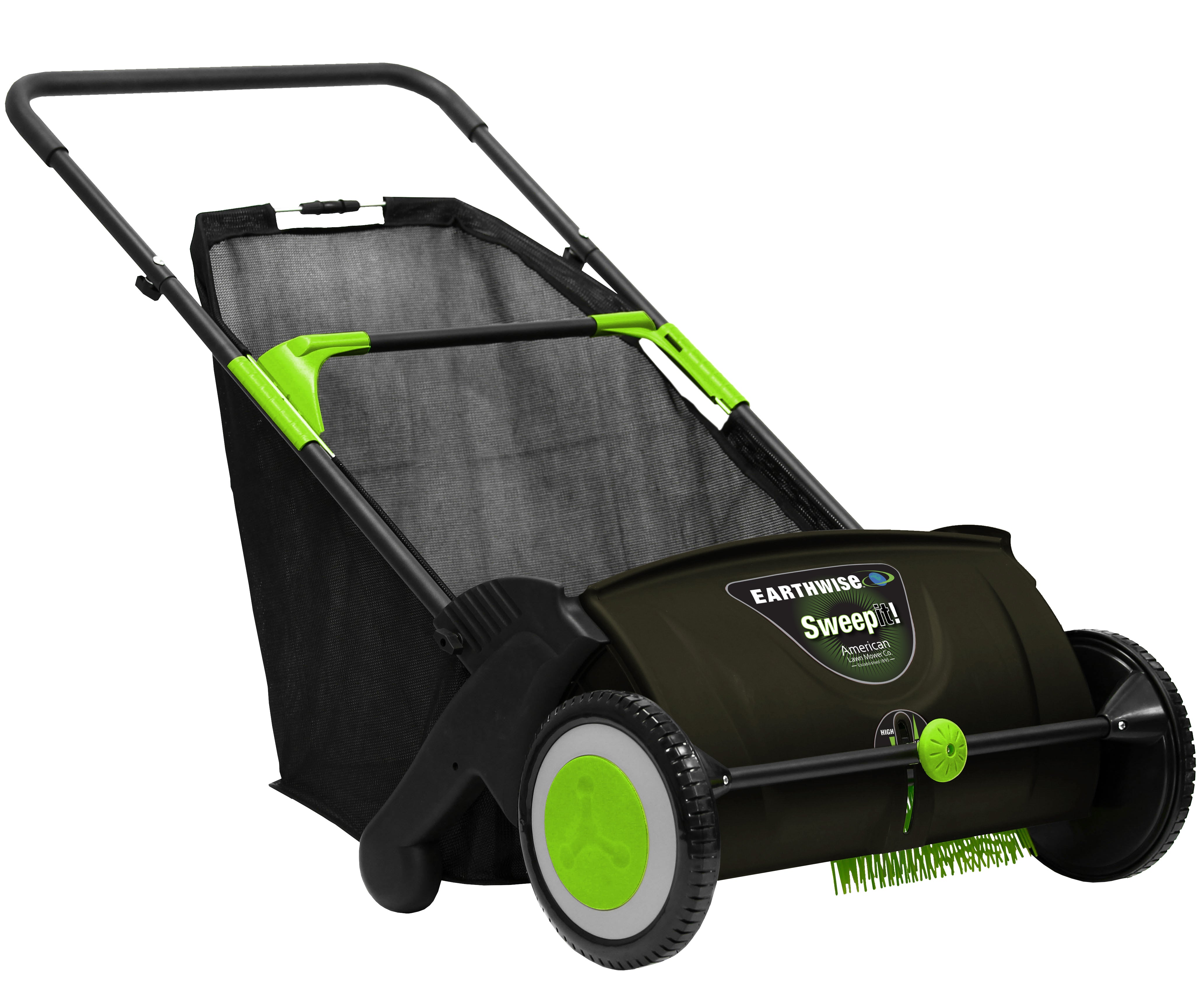
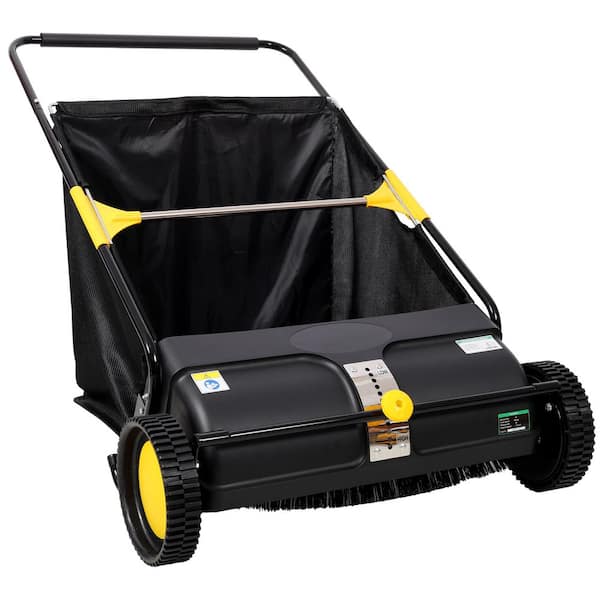
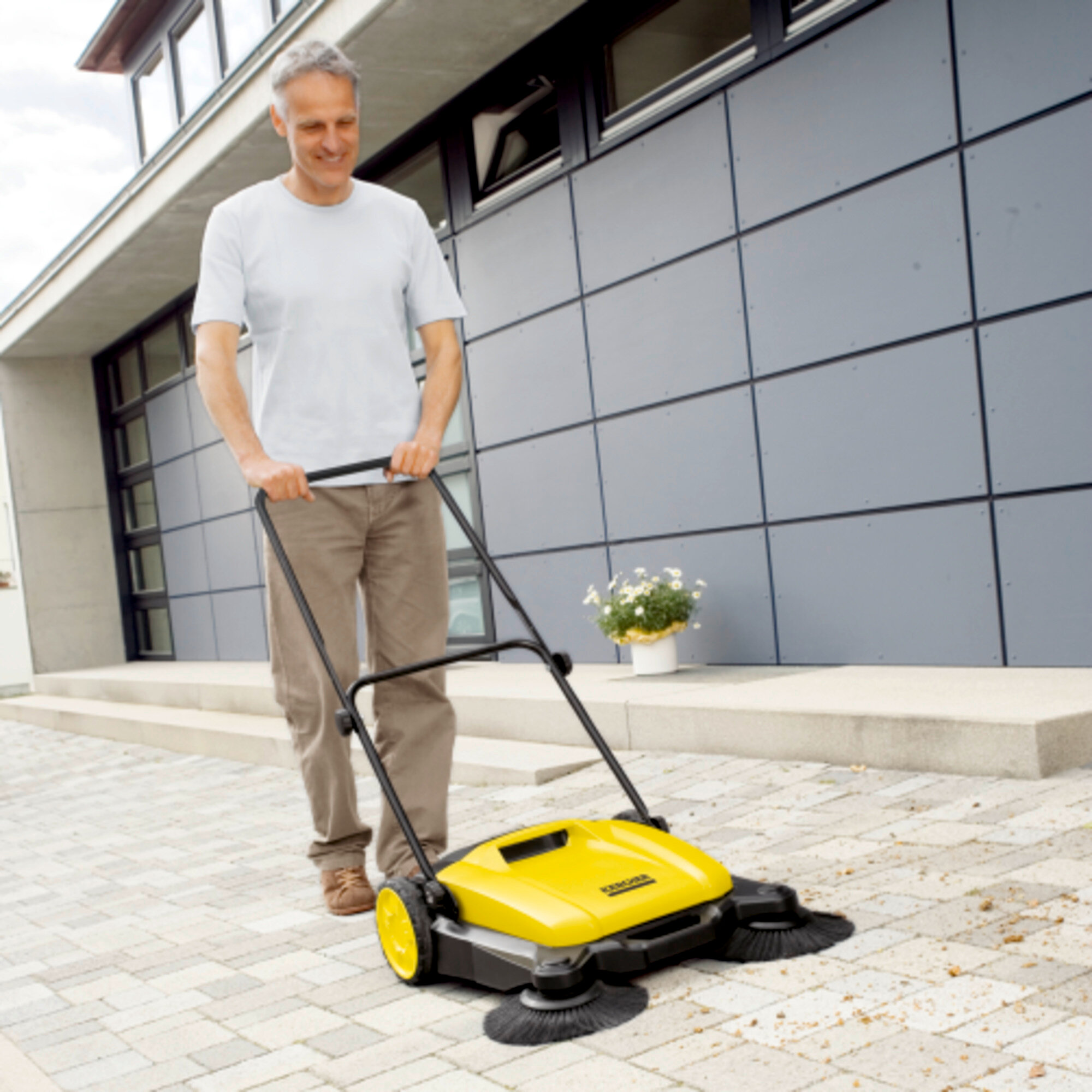
A push lawn sweeper is a manual, wheel-driven device that picks up leaves, grass clippings, and small debris. It uses rotating brushes or tines that sweep material into a hopper as you push. For homeowners who want lower-cost, low-maintenance lawn care, the push lawn sweeper benefits are immediate and tangible.
I recommend a push lawn sweeper when you want efficient cleanup without fuel, batteries, or loud motors. They work well on flat to gently sloped lawns and are easy to store. If you value time savings and a neat lawn, a push lawn sweeper is a smart buy.
Key benefits of a push lawn sweeper
Here are the main push lawn sweeper benefits and why they matter.
- Time savings
- You can clean a lawn much faster than raking by hand. A push lawn sweeper covers broad swaths with each pass and reduces the need for multiple trips to a compost pile or trash bag.
- Better lawn health
- Removing leaves and clippings prevents smothering and reduces fungal risk. The push lawn sweeper benefits include improved air, light, and water access for grass roots.
- Cost-effectiveness
- A push lawn sweeper has lower upfront and operating costs than powered sweepers or blowers. No gas, few parts to replace, and minimal maintenance keep long-term costs down.
- Quiet and eco-friendly
- These tools produce no noise pollution and no emissions. Push lawn sweeper benefits include a smaller carbon footprint and a neighbor-friendly cleanup.
- Ease of use and storage
- Most models fold or detach for compact storage. They are simple to operate, requiring no fuel mixing, charging, or complicated controls.
- Versatility
- Push sweepers handle leaves, small sticks, pine needles, and grass clippings. Some hoppers are removable for easy dumping and composting.
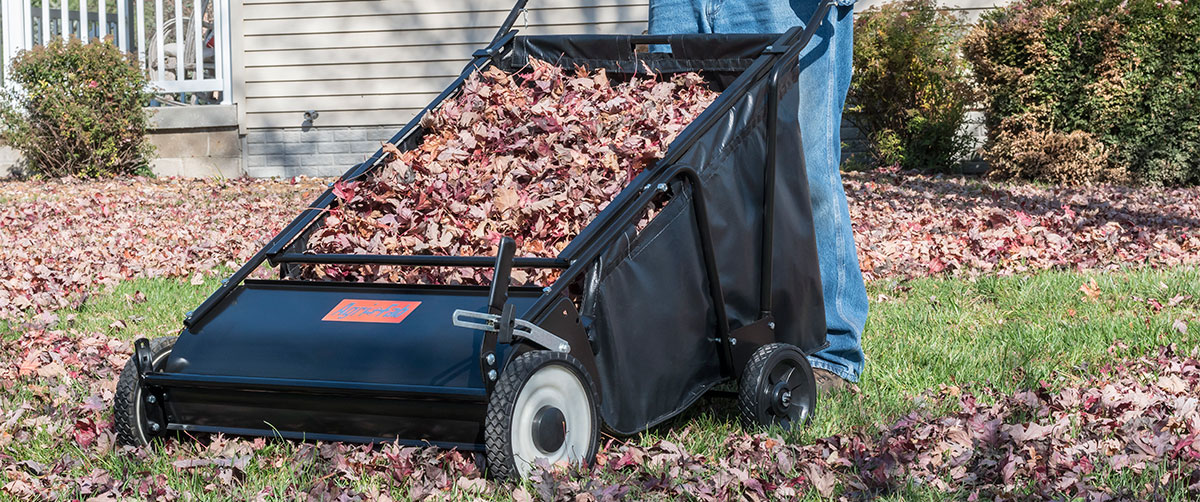
I’ve used push lawn sweepers in small and medium yards. They cut cleanup time and made fall chores less painful. The first time I tried one, I reduced a two-hour raking job to thirty minutes of gentle walking. That change alone convinced me of the push lawn sweeper benefits.
How to choose the right push lawn sweeper
Choosing the best model means matching the sweeper to your yard and needs. Focus on these features.
- Hopper capacity
- Larger hoppers hold more material and require fewer emptying trips. Pick a size that fits your yard scale.
- Brush type and height adjustment
- Nylon brushes are gentle but effective. Adjustable brush height helps with uneven lawns and different debris types.
- Wheel size and gearing
- Bigger wheels roll more easily over bumps. Gearing affects brush speed—higher brush RPMs pick up debris better.
- Build quality and frame
- Steel frames last longer than plastic. Check for rust-resistant finishes and solid welds.
- Weight and folding design
- Make sure the sweeper is light enough to push comfortably. Folding models save garage space.
If you have a very small yard, a compact push lawn sweeper with a small hopper will do. For larger properties, choose a model with a wide sweep path and large hopper to maximize the push lawn sweeper benefits.
Best practices: how to use a push lawn sweeper effectively
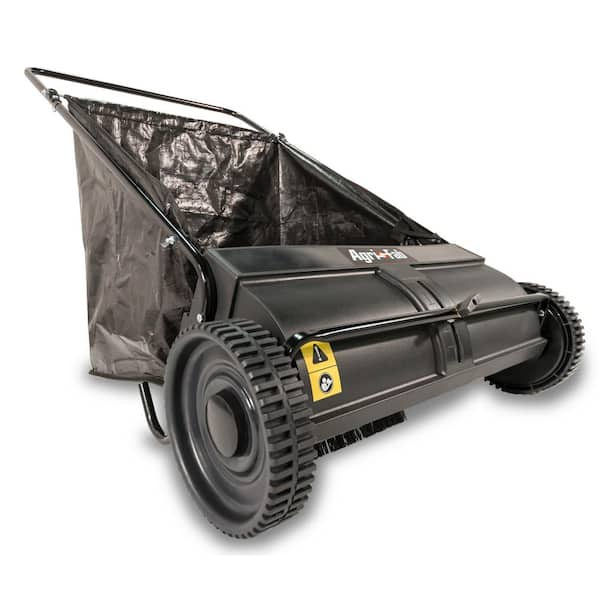
Using a push lawn sweeper well makes the benefits more consistent. Follow these practical steps.
- Mow before sweeping
- Mow at a moderate height and collect larger clippings first. Fresh clippings and leaves sweep more easily.
- Adjust brush height
- Set the brush height so it brushes debris without digging into the soil. Test on a small patch and tweak.
- Sweep in straight, overlapping rows
- Overlap passes slightly to avoid missed strips. Walk at a steady pace for consistent pickup.
- Empty frequently when needed
- Don’t let the hopper overfill; performance drops when material piles up. Empty into compost or yard waste.
- Clear large debris first
- Remove branches and large items by hand, then sweep. Avoid feeding items that could damage brushes.
From experience, slow and steady beats fast and jerky. Pushing too quickly lowers pickup and wears brushes unevenly. These habits maximize the push lawn sweeper benefits for any yard.

Maintenance tips to extend lifespan
A little care keeps your sweeper working for years. Maintenance is simple and low-cost.
- Clean after use
- Remove trapped debris from brushes and hopper. A quick brush or hose rinse prevents buildup.
- Inspect brushes and wheels
- Check for wear and replace brushes when bristles thin. Ensure wheels spin freely and bearings are greased if needed.
- Tighten hardware
- Periodically check bolts and fasteners. Vibrations can loosen parts over time.
- Store dry and covered
- Keep your sweeper in a dry place to prevent rust and rot. Cover if stored outdoors.
I once ignored brush wear and ended up with poor pickup after a season. Replacing the brushes restored performance immediately. Regular checks help retain the push lawn sweeper benefits year after year.
Limitations and when to choose other tools
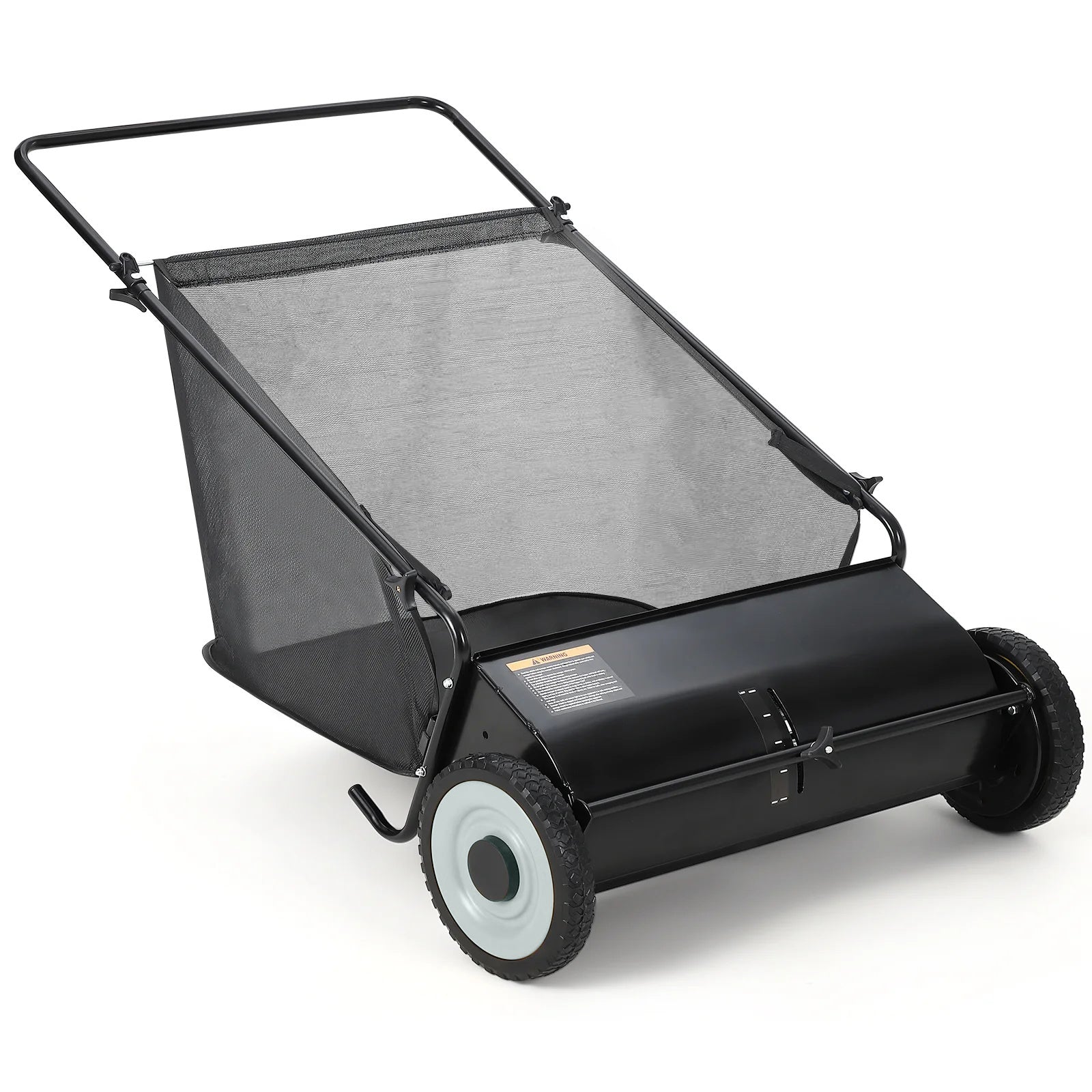
Push lawn sweepers shine in many situations, but they aren’t perfect for every property. Know the limitations.
- Not ideal for steep slopes
- Pushing uphill is tiring and can be unsafe. Consider tow-behind or powered sweepers for steep land.
- Struggles with heavy, wet debris
- Wet leaves tend to clump and stick. For soggy conditions, a blower or mower bagging may work better.
- Large debris or heavy sticks
- You must pick large items by hand; sweepers aren’t for bulky waste.
- Larger properties may prefer powered options
- For many acres, a powered sweeper or tractor-mounted unit saves time.
These constraints help you decide whether a push lawn sweeper fits your needs. Weigh the push lawn sweeper benefits against your yard’s size, slope, and typical debris type.
Common quick questions about push lawn sweeper benefits
How much time can a push lawn sweeper save?
A push lawn sweeper can cut cleanup time by 50% or more compared to raking, depending on yard size and debris. Regular use compounds time savings across seasons.
Can push lawn sweepers damage grass?
When used properly, push lawn sweepers do not harm grass. Adjust brush height and avoid aggressive pushing to protect turf.
Are push lawn sweepers good for composting?
Yes. Most sweepers collect debris in a hopper that empties directly into compost piles. This makes recycling leaves and clippings easy and clean.
How often should I replace brushes?
Brush lifespan depends on use, but expect to check them yearly for home use. Replace brushes when bristles are worn down or pickup drops noticeably.
Do push lawn sweepers work on mulch or gravel?
They work best on grass and firm surfaces; sweepers may pick some mulch but will scatter gravel. Avoid sweeping loose gravel to prevent spreading and damage to the sweeper.
Frequently Asked Questions of Push lawn sweeper benefits
What are the primary push lawn sweeper benefits for homeowners?
Push lawn sweeper benefits include faster cleanup, less physical strain, and improved lawn health by removing debris quickly. They are also economical and quiet to operate.
Is a push lawn sweeper worth the cost?
Yes for small to medium yards. The low purchase price and minimal upkeep often pay back by saving time and reducing the need for paid services.
How do push lawn sweepers compare to leaf blowers?
Push lawn sweeper benefits focus on collection—blowers move debris into piles but don’t collect it. Sweepers save steps by gathering material as you go.
Can I use a push lawn sweeper on uneven lawns?
You can, but performance varies. Adjust brush height and choose models with larger wheels to handle mild unevenness.
Are push lawn sweepers eco-friendly?
They are very eco-friendly because they need no fuel or electricity and reduce plastic bag use by depositing debris directly into hoppers or compost.
How heavy are push lawn sweepers to push?
Most models are light enough for an average adult to push comfortably on flat terrain. Heavier hoppers can make emptying necessary more often but do not usually add much push resistance.
Conclusion
Push lawn sweeper benefits make them a smart tool for many homeowners. They save time, protect turf, and lower maintenance costs while being quiet and eco-friendly. Try one on your next yard cleanup and notice how chores get easier and quicker.
Take action today: match a model to your yard size, follow the simple use and maintenance tips here, and see the difference in a single season. Share your experience in the comments or subscribe for more practical lawn-care tips.

