

Store an upright vacuum in a dry, upright, uncluttered spot with the cord wrapped safely.
Storing an upright vacuum the right way keeps it cleaner, safer, and ready to use when you need it. I’ve seen too many vacuums get damaged just because they were shoved into a damp corner, leaned at a bad angle, or stored with a stretched cord. If you want your upright vacuum to last longer and work better, a few simple storage habits make a big difference.
Why proper vacuum storage matters
An upright vacuum is built to handle regular cleaning, not constant abuse from poor storage. When it sits in the wrong place or position, you can end up with bent attachments, cracked housings, cord wear, or moisture damage. Dust buildup can also sneak into filters and brushes, which makes the machine less effective over time.
In my experience, the biggest storage mistakes happen when people treat the vacuum like a mop or broom and just prop it anywhere. That usually leads to a tangled cord, a clogged brush roll, or a vacuum that falls over and gets scratched. A little planning turns storage into part of maintenance, not just a place to park the machine.
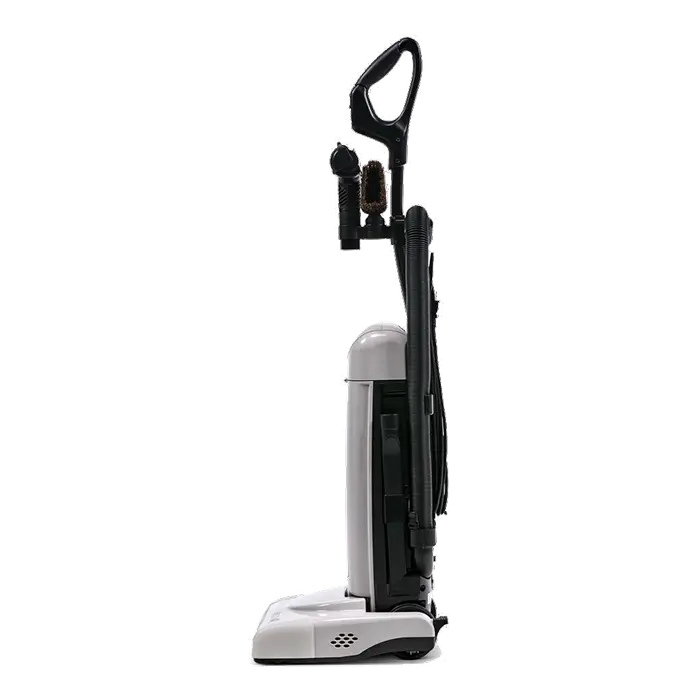
How do you store an upright vacuum the right way?
The best way to store an upright vacuum is to keep it in an upright position, in a dry indoor space, with the cord neatly wrapped and attachments secured. If your model has a storage clip, wall hook, or docking feature, use it. This helps protect the motor, brush roll, hose, and cord from unnecessary wear.
A good storage routine should feel simple, not fussy. Before putting the vacuum away, empty the bin or replace the bag, clean the brush roll, and check that no wet debris is trapped inside. That small routine can extend the life of the machine and reduce odors, dust leaks, and clogging.
Best places to store an upright vacuum
Where you store an upright vacuum matters just as much as how you store it. Some places help protect the machine, while others slowly shorten its life.
Good storage spots include:
- A hall closet with enough height and width for the vacuum to stand without tipping
- A laundry room corner away from wet floors and detergent spills
- A utility closet with a wall hook or charging outlet if the model is cordless
- A dry garage shelf or corner only if the temperature stays stable and the area is clean
- A mudroom cabinet if the vacuum fits without forcing the hose or handle
Try to avoid storing an upright vacuum near:
- Sinks or leaky plumbing
- Direct sunlight
- Radiators, heaters, or vents
- Damp basements
- Tight spots where the vacuum gets crushed or bent
I once stored a vacuum too close to a washing machine, and the constant humidity made the filters smell musty fast. After that, I learned to think about airflow and moisture, not just convenience.
Steps to store an upright vacuum correctly
A good storage routine takes less than five minutes. That time pays off every time you pull the vacuum out and it works like it should.
-
Turn it off and unplug it
Make sure the vacuum is fully off before doing anything else. This keeps you safe and protects the cord from strain. -
Empty the dust bin or replace the bag
A full bin or bag can trap odors and reduce suction. Emptying it before storage also helps keep pests and dust under control. -
Clean the brush roll and filters
Hair, lint, and dust can harden while the vacuum sits. Clean parts before storage so the machine is ready next time. -
Wrap the cord loosely
Use the built-in cord hook if your vacuum has one. Keep the wrap loose so the cord does not kink or crack. -
Secure the hose and attachments
Clip attachments in place or store them in a nearby bin. Loose parts can get lost or damaged easily. -
Stand the vacuum upright
Keep the weight balanced so it does not lean or fall. If needed, place it against a wall or in a closet corner for support. -
Store it in a dry place
Moisture is one of the fastest ways to damage a vacuum. Dry storage helps protect the motor, wiring, and filters.
How to store an upright vacuum in a small space
Small homes call for smart storage, not just good intentions. The trick is to use vertical space and keep accessories together so the vacuum does not spread out into the room.
Try these ideas:
- Use a closet door organizer for small attachments
- Add a wall hook if the vacuum has a hanging feature
- Keep the vacuum beside a shelf instead of in front of one
- Use a slim storage bin for filters, extra bags, and tools
- Choose a corner that does not block traffic or cabinet doors
If space is very tight, measure the vacuum first. I’ve seen people force a full-size upright into a closet that was clearly meant for a broom, and the result was broken handles and crushed cords. A few inches of planning can save a lot of frustration.
How to store an upright vacuum in a garage or basement
You can store an upright vacuum in a garage or basement, but only if the space stays dry and fairly stable in temperature. Extreme cold, heat, and humidity can affect plastic parts, battery life in cordless models, and filter performance.
If you use a garage or basement, keep the vacuum:
- Off the floor if possible
- Away from standing water
- Protected from dust and pests
- In a sealed cabinet or covered area if the room is dirty
- Away from chemicals like paint, gasoline, or pool supplies
A garage can work well for a rugged vacuum, but it is not always ideal. In many homes, a closet inside the house is a safer choice because it gives the machine a more stable environment.
How to store an upright vacuum with a cord
Cord care is a big part of storing an upright vacuum properly. A damaged cord can affect performance and become a safety issue.
To store the cord well:
- Wrap it loosely around the hooks provided by the manufacturer
- Avoid tight loops that stress the wire inside
- Do not yank the cord from the wall plug
- Keep the plug end from dragging on the floor
- Check for frays before putting the vacuum away
A cord should lie like a relaxed rope, not a coiled spring. Tight wrapping may seem neat, but it can shorten the life of the insulation and make the cord stiff over time.
How to store a cordless upright vacuum
Cordless upright vacuums need a slightly different approach because battery care matters. The goal is to protect the battery, keep the charger safe, and avoid overheating.
Best practices include:
- Dock the vacuum only if the manufacturer says it is safe to do so
- Store it in a cool, dry place
- Avoid leaving it in a hot car, garage, or near a heater
- Keep the battery at a moderate charge if the vacuum will sit unused for a long time
- Use the original charger or a compatible approved charger
Battery guidance can vary by brand, so it is smart to follow the owner’s manual. In general, lithium-ion batteries do best when they are not exposed to heat for long periods or left fully drained for too long.
What not to do when storing an upright vacuum
It helps to know the common mistakes because they are easy to make. Most of them happen when people rush.
Avoid these storage mistakes:
- Leaving the vacuum with a full bin or bag
- Storing it while damp after cleaning carpets or floors
- Wrapping the cord too tightly
- Leaning it where it can fall
- Storing it near water or humidity
- Piling heavy items on top of it
- Ignoring clogged brushes or filters
I’ve found that many vacuum problems blamed on “bad luck” are really storage problems. Dirt left inside, wet parts, and poor cord handling often cause the same repair issues people think are mechanical failures.
Maintenance tips before long-term storage
If you are putting an upright vacuum away for weeks or months, a little prep goes a long way. Long-term storage is when hidden problems tend to show up later.
Before long-term storage:
- Clean or replace filters
- Check the belt for wear
- Remove hair from the brush roll
- Wipe dust from the outside shell
- Inspect the hose for cracks or blockages
- Make sure the vacuum is completely dry
If your vacuum uses disposable bags, store a few spares nearby so you are ready when cleaning season starts again. That makes the machine feel new instead of neglected.
Benefits of storing an upright vacuum properly
Good storage is not just about neatness. It affects performance, lifespan, and even cleaning results.
Key benefits include:
- Longer vacuum life
- Better suction over time
- Less odor and dust buildup
- Lower risk of cord damage
- Fewer broken attachments
- Easier access when you need to clean quickly
Think of proper storage like putting a bike indoors instead of leaving it out in the rain. The machine still works either way for a while, but the one that is protected usually lasts longer and needs fewer repairs.
Frequently Asked Questions
How do you store an upright vacuum in a closet?
Store it upright with enough space around it so it does not tip or bend. Keep the cord wrapped loosely and make sure the closet is dry and not overcrowded.
Can you hang an upright vacuum on the wall?
Some models can be wall-mounted, but only if the manufacturer designed them for that setup. Always check the manual first so you do not damage the handle, body, or battery system.
Is it okay to store an upright vacuum in the garage?
Yes, but only if the garage stays dry and does not get extreme temperatures. If it is dusty, damp, or very hot or cold, an indoor closet is usually safer.
Should you empty the vacuum before storing it?
Yes, it is a good idea to empty the dust bin or replace the bag before storage. That helps prevent odor, keeps suction strong, and reduces the chance of clogs.
How do you keep an upright vacuum cord from getting damaged?
Wrap the cord loosely using the built-in hooks or wrap points. Avoid tight bends, sharp twists, and pulling the cord hard from the outlet.
Conclusion
Storing an upright vacuum the right way is simple, but it makes a real difference. Keep it upright, dry, and clean, and give special attention to the cord, filters, brush roll, and battery if it is cordless. Those small habits protect your vacuum and help it perform better every time you use it.
If you want your vacuum to last longer and stay ready for daily messes, start with better storage today. Take a few minutes to clean it, choose a better spot, and set up a routine that works for your home. If this guide helped, explore more home care tips or leave a comment with your own storage trick.


3 Comments
Pingback: Can Upright Vacuums Be Stored Vertically: Safe Storage Tips - Vacuum Cleaner Tips
Pingback: Why Does My Upright Vacuum Smell Like Burning: Fixes - Vacuum Cleaner Tips
Pingback: Why Does My Upright Vacuum Keep Clogging: Fixes That Work - Vacuum Cleaner Tips