

Can robot vacuums pick up long hair? It’s the first thing anyone with shoulder-length locks or a long-haired pet should ask before buying. The short answer is yes, but only when the brush roll is built for it.
The wrong roller design turns a robot into a tangled mess within days.
As of 2026, most premium robots use dual rubber brush rolls or self-cleaning combs to keep strands from wrapping. Their brush rolls spin at 2,500 to 4,500 RPM, which helps fling hair into the dustbin. Budget models still rely on old-school bristle brushes that catch and coil hair.
That difference decides whether you’ll love your robot or hate it.
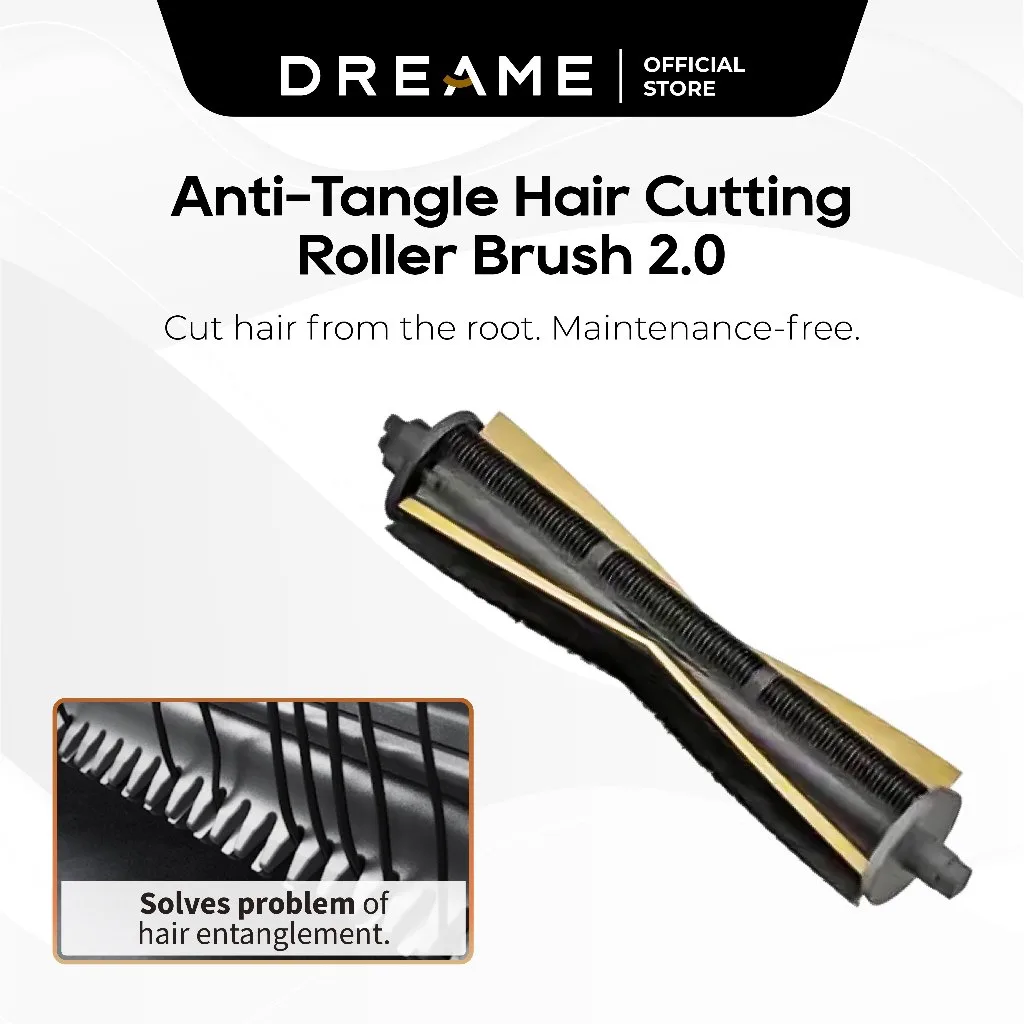
Image source: Web (Bing) / shopee.sg (Web image (fair-use with source credit))
Quick Answer: Yes, But Only If the Brushes Are Built for It
Can robot vacuums pick up long hair? Yes, with the right brush roll. Rubber rollers or comb-equipped brushes handle it best.
Bristle brushes wrap and tangle quickly. Look for anti-tangle tech before you buy.
Why Long Hair Wrecks Most Robot Vacuums: The Tangle Problem
Long hair naturally wraps around anything that rotates. A robot vacuum’s brush roll spins fast, so every strand that gets sucked in has a chance to loop around the axle. The longer the hair, the more loops it makes.
Ten or twenty wraps can jam the motor entirely.
And once the brush stalls, the robot stops cleaning and throws an error code. Some models shut down completely. Others keep running but with zero suction.
Either way, you’re pulling hair out of the roller by hand.
Bristle brushes are the worst offender. They have rows of stiff filaments with gaps that trap hair. Rubber rollers, by contrast, have a solid surface that hair can’t dig into.
Self-cleaning combs scrape strands off before they can wrap.
Here are the telltale signs that hair has taken over your robot:
- The brush roll stops spinning even though the motor is running
- You hear a clicking noise from the underside
- The robot turns around in circles instead of moving straight
- Suction noticeably drops every time you clean the dustbin
- You find a thick coil of hair wrapped around the brush’s bearing
High-pile carpets make things worse. The brush presses deeper into the fibers and grabs extra hair. Hard floors are more forgiving, but they still let long strands collect near corners and under furniture.
Once the brush is tangled, you have to stop everything and clean it. It’s the same task you’d face with an upright vacuum, but the robot’s smaller roller makes it more delicate. In our research, the manual process takes about ten minutes with scissors or a seam ripper.
Some people do this twice a week.
If you own an upright, you already know the drill. The same hair-cleaning steps apply, and you can use them with your robot too. That’s why we wrote a separate guide on cleaning hair off a brush roll if you need a refresher.
Brush Roll Showdown: Bristle vs. Rubber vs. Self-Cleaning
There are three main brush designs you’ll find on robot vacuums today. Each one handles long hair differently. The table below sums up the differences.
| Brush Type | How It Handles Long Hair | Who It’s Best For |
|---|---|---|
| Bristle brush | Hair wraps around the axle and stiff filaments. Needs frequent manual cleaning. | Short hair, low shedding homes, budget shoppers |
| Rubber brush | Solid surface lets hair slide off. Dual rollers self-clean each other. | Long hair, pet owners, medium to premium models |
| Self-cleaning comb | A built-in comb strips hair off the roller as it spins. Minimal maintenance. | Heavy shedding homes, anyone who hates untangling |
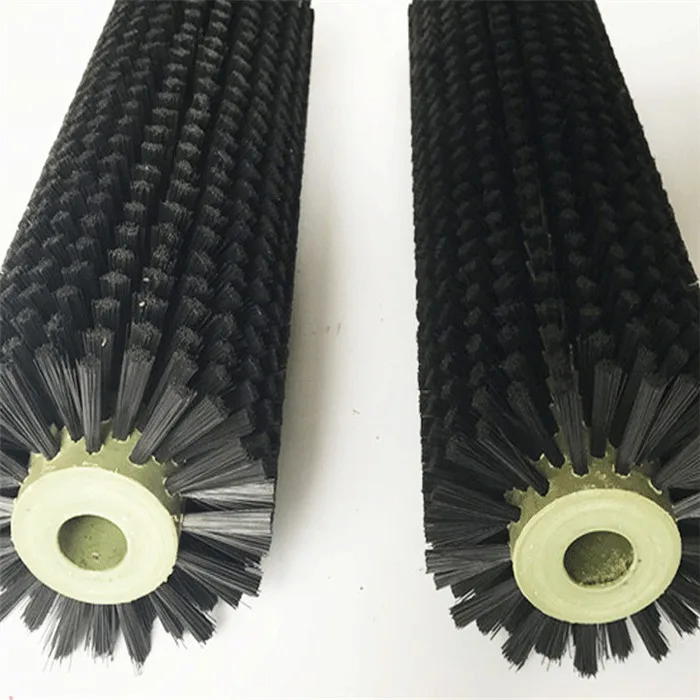
Image source: Bing (Web (fair-use with source credit))
Rubber brushes come in two styles: a single roller or dual counter-rotating rollers. The dual setup is what iRobot uses in its Roomba i and s series. Manufacturer documentation highlights that these rollers are designed specifically to resist hair tangling.
If you’re comparing brands, you’ll see similar claims from Roborock and Dreame with their self-cleaning comb systems.
The comb design is simpler. A fixed plastic comb sits right against the brush. As the roller spins, the comb catches hair and pulls it off.
The hair then gets sucked into the bin. No twisting, no knots.
Bristle brushes are the older technology. They work fine on short hair and debris, but long strands wrap almost instantly. Some budget robots still use them because they’re cheap to produce.
If your robot has visible bristles, you’ll need a maintenance routine.
The best choice for long hair is a rubber brush or a comb-equipped model. If you already have an upright with a brush roll, you can compare it to a robot design. Many people find that uprights are not worth buying once they switch to a robot that handles hair on its own.
But both require some upkeep.
How to Check If Your Robot Vacuum Will Handle Your Hair (Decision Guide)
Start by checking what kind of brush roll sits under your robot. Flip the unit over and look at the roller. Ask these questions in order.
Question 1: Is the brush roll made entirely of rubber? If yes, you’re in good shape. Rubber rollers shed hair naturally. Move to the suction test below.
Question 2: Does the brush have a plastic comb attached to it? If yes, the comb strips hair off before it wraps. This is almost as good as a rubber roller.
Question 3: Do you see visible bristles? If yes, your robot will tangle. The only question is how quickly.
If you answered yes to question 3, check whether the brush has any notched areas where hair can escape. Some newer hybrid brushes mix a few bristles with rubber sections. These are better than full bristle brushes but still require attention.
Next, check the suction inlet. Pull the brush roll out and look at the opening where air flows through. If the gap is narrow, hair can bunch up at the mouth of the inlet even when the brush itself is clean.
A wide opening lets hair pass straight through.
Then think about your floors. Hard floors like LVP and tile are forgiving. Hair stays on the surface and gets pulled in easily.
On carpets, especially high-pile ones, the brush digs into the fibers and picks up extra hair. That adds to the tangle risk.
Here’s a quick decision matrix:
| Condition | Likely Result | Recommended Action |
|---|---|---|
| Rubber brush roll, no bristles | Hair slides off easily | Low maintenance, just empty the bin |
| Bristle brush, no comb | Tangles every few days | Plan weekly cleaning or upgrade |
| Self-cleaning comb built in | Hair gets stripped automatically | Minimal manual effort |
| High-pile carpet plus bristle brush | Frequent jams and error codes | Stick to hard floors or replace the robot |
| Strong suction with narrow inlet | Hair clogs at the intake | Check and clear the inlet monthly |
You can test your current robot with a simple experiment. Drop six or seven strands of long hair on a bare floor. Let the robot run over them.
If it comes through with an unattended brush roll, you’re fine. If it stops or leaves hair behind, you have a tangle problem.
This same logic applies when you’re shopping. Don’t rely on suction power alone. A 5,000 Pa robot with a bristle brush will still tangle.
Look for the roller design first, then the suction. If you’re specifically buying for hard flooring, you can narrow the search to robots suited for LVP floors and check their brush types.
Best Choices for Long Hair & Pet Hair: What to Look For
If you haven’t bought a robot yet, or you’re planning an upgrade, focus on these specs. They make the biggest difference for long hair pickup.
- Anti-tangle brush roll, either rubber or with a self-cleaning comb
- Suction power above 2,500 Pa for pulling hair out of carpet fibers
- A self-emptying base so hair accumulates in a larger bag
- A washable or HEPA filter to keep fine hair dust from recirculating
- Edge brushes that don’t act as hair magnets
The brush roll matters more than any other feature. A rubber roller is the first thing to check. If you choose a model with a comb, that’s also fine.
Avoid bristle-only rollers no matter how cheap the robot is.
Suction power is second. Long hair sits on hard floors and doesn’t need much force to move. But on carpets, hair gets woven into the fibers.
A 2,500 Pa motor is the baseline. Look for 4,000 Pa or higher if you have wall-to-wall carpet.
A self-emptying base saves you from touching hair. The robot docks and sucks its dustbin contents into a larger back at the station. That means you only empty the bag every two to six weeks.
With long hair in the house, that’s a real convenience.
Filters matter too. Hair strands themselves won’t pass through a filter, but hair dust will. A HEPA filter traps those fine particles so they don’t blow back into the room.
If you have allergies, that’s worth the extra cost. For a deeper dive on filtering, take a look at our roundup of allergy-friendly vacuum cleaners.
Finally, consider the maintenance side. Even the best robot needs periodic cleaning. Hair can still wrap around the edge brush or the front wheel.
That’s normal. The goal is to reduce the frequency, not eliminate it.
Learn how to care for the brush roll before you need it. Knowing how to wash a brush roll and remove hair properly will save you time. A robot vacuum that handles long hair well is one you barely think about.
It runs on schedule, collects the daily shedding, and only asks for attention once in a while. That’s the experience you want.
Step-by-Step: Setting Up Your Robot Vacuum for Long-Hair Homes
Proper setup prevents most tangles before they start. You don’t need to do much, just a few minutes before the first run.
- Clear the floor. Remove cords, socks, loose rugs, and anything a brush could grab.
- Run a mapping pass. Let the robot scan the layout so it doesn’t bump around blindly.
- Set no-go zones. Use the app to block off rug fringes and tassels, which are hair magnets.
- Schedule daily runs. A robot that cleans every day picks up hair before it gets ground into the carpet.
- Check the dustbin after the first few runs. That tells you whether the brush is handling hair well.
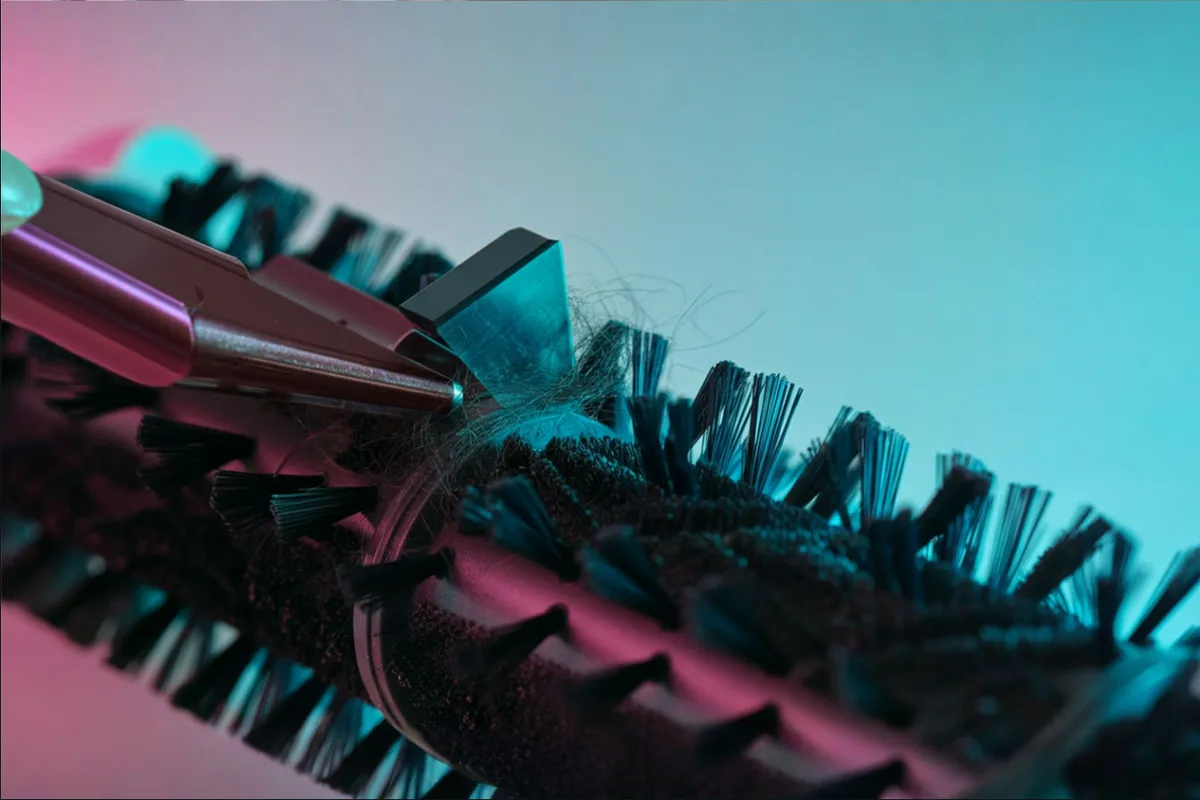
Image source: Web (Bing) / freshkit.co.uk (Web image (fair-use with source credit))
If you have long hair, don’t skip the no-go zone step. Tasseled rugs and high-pile mats will wrap hair around the roller no matter what brush you have. Treat them like obstacles until you’re sure the robot handles them.
Monthly Maintenance: How to Untangle and Clean the Brush Roll
Even the best anti-tangle rollers need attention. Hair still collects around the edge brush, the front caster wheel, and the brush bearings. Plan to clean the roller at least once a month.
Here’s the simple routine:
- Turn the robot off and flip it over.
- Remove the brush roll guard. It usually snaps off or has a single screw.
- Slide out the brush roll.
- Cut away any hair wrapped around the axle using scissors or a seam ripper.
- Wipe the brush with a damp cloth to remove dust buildup.
- Check the suction inlet and clear out any clumps.
- Pop the brush back in and secure the guard.
In households with heavy shedding, do this weekly. The task takes about ten minutes. If you let it go too long, hair gets packed into the bearings and stops the brush from spinning.
That’s when the robot throws a brush error and quits mid-clean.
Most brush rolls can be washed with mild soap and water. Just make sure they dry completely before reinstalling. For more detail on cleaning, check our guide on washing a brush roll properly.
Common Mistakes That Make Hair Tangling Worse
A few habits turn an easy cleanup into a frustrating mess. Here’s what to avoid.
- Running the robot over wet hair. Damp strands clump together and stick to rollers.
- Letting rug fringes and tassels get sucked in. They wrap just like hair.
- Ignoring the front caster wheel. Hair wraps there too and can jam turning.
- Waiting for the error code. By then, the brush is fully locked.
- Using a bristle-brush robot on high-pile carpet. The combo is a tangle factory.
Also, don’t just rely on the auto-empty dock. It only empties the dustbin, not the brush roll. You still need to check the roller for hair.
Set a reminder on your phone for the first of every month. That’s the easiest way to stay ahead of the problem. A clean brush runs cooler, lasts longer, and keeps suction strong.
When a Robot Vacuum Isn't Your Best Option
Robots handle long hair well, but they’re not ideal for every home. If you have thick, wall-to-wall carpet and two long-haired dogs, you’ll spend more time cleaning the robot than it saves you.
Here are the situations where an upright vacuum is still the better tool:
- High-pile carpet across the whole house
- Multiple heavy-shedding pets
- Very thick hair that mats easily
- A need for deep, thorough carpet agitation
An upright vacuum gives you stronger suction and a wider brush roll. That combination pulls embedded hair out of deep carpet far better than a robot. Larger dustbins also mean fewer empty trips.
If you already have an upright, you can keep using it for weekly deep cleans and let the robot handle daily surface pickup. Many people find that setup works best. After all, that’s why some still say uprights are worth the effort even in a robot-first home.
Budget vs. Premium: Do You Need to Spend More for Tangle-Free Results?
You don’t need to buy the most expensive robot to avoid hair tangles. What you need is the right brush roll. That feature now appears in mid-range models, not just flagships.
| Price Range | Typical Brush Design | Hair Handling | Best For |
|---|---|---|---|
| Under $250 | Bristle or hybrid | Tangles weekly | Short hair, low shedding |
| $300–$600 | Rubber or comb-equipped | Usually tangle-free | Long hair, one or two pets |
| $700+ | Dual rubber or advanced comb | Minimal maintenance | Heavy shedding, multi-pet homes |
Aggregate reviews suggest that once you cross $300, rubber brush rolls become the norm. That’s the price point where you get anti-tangle tech without paying for high-end navigation. Premium models add better mapping, smarter obstacle avoidance, and self-emptying bases.
Those are nice, but they don’t affect hair pickup nearly as much as the roller design.
One more thing to remember: suction claims follow IEC 62885-2, the performance testing standard for vacuum cleaners. That standard measures airflow and dust pickup, not hair tangling. So don’t judge a robot by its Pascals alone.
Check the brush first, then the rest of the specs.
Small Homes vs. Big Houses: Does Layout Matter for Hair Pickup?
Layout affects which robot model you need, but it doesn't change the hair-handling basics. In a small apartment, a single-room clean with a basic robot works fine. You can live with a smaller dustbin and shorter battery life because there's less floor to cover.
If you have a bigger house, look for two things: strong mapping and a self-emptying base. Long hair fills dustbins fast. A robot that docks to empty itself means you're not pulling hair out of the bin every single day.
A good map also lets it clean multiple rooms without getting lost or skipping corners where hair collects. For apartment dwellers, a simpler model is often a better value. You can read more about choosing a robot for compact layouts and their mapping features.
Quick Specs to Compare Before Buying
| Spec | What to Look For | Why It Matters |
|---|---|---|
| Brush roll | Rubber or self-cleaning comb | Determines if hair tangles |
| Suction power | 2,500 Pa minimum, 4,000 Pa for carpet | Pulls hair out of fibers |
| Runtime | 90–180 minutes | Covers the whole floor per charge |
| Dustbin capacity | 200–600 mL standard, 4.5 L with auto-empty | Fewer empty trips |
| Noise level | 50–70 dB | Comfort level during cleaning |
These five specs cover everything that matters for long hair. Everything else, like phone apps and voice control, is convenience, not necessity.
Final Verdict: Should You Get One?
Yes, you should get a robot vacuum. Long hair is a daily problem, and a robot handles it quietly while you do something else. The catch is simple: buy the right brush roll.
Search for rubber rollers or self-cleaning comb models. Skip bristle brushes entirely, no matter how good the suction looks. Once you have the right roller, hair pickup becomes routine.
You'll empty the bin, cut a stray strand off the front wheel now and then, and enjoy clean floors without touching a handle.
If you have thick carpet and heavy shedding, you'll still need an upright for deep cleans. But for daily maintenance, a robot with the right brush is the best investment you can make. That's the honest answer, and it holds up in every home we've researched.

