

Yes, many upright vacuums can be stored vertically if their design and lock system support it.
If you have ever tried to tuck an upright vacuum into a tight closet, behind a door, or beside a laundry shelf, you already know storage matters just as much as cleaning power. I have worked with enough vacuums over the years to know that upright vacuums can be wonderfully space-saving or surprisingly awkward, depending on the model and how you store them. In this guide, I’ll walk you through when upright vacuums can be stored vertically, when they should not be, and how to store them safely so they last longer and stay ready to use.

What upright vacuum storage really means
When people ask, “Can upright vacuums be stored vertically?” they usually mean one of two things. They may mean standing the vacuum upright on its base, or storing it in a fully vertical position with the handle locked.
In most cases, an upright vacuum is designed to stand in an upright position. That is actually part of the product’s name and purpose. The key question is not whether it can stand up, but whether it can stay upright safely without stressing the hose, handle, cord, or brush roll.
A good upright vacuum usually includes:
- A locking handle
- A stable base
- A parking or storage position
- A cord wrap or cord hook
- A hose that can relax without kinking
If those parts are designed well, storing the vacuum vertically is normal and often recommended.
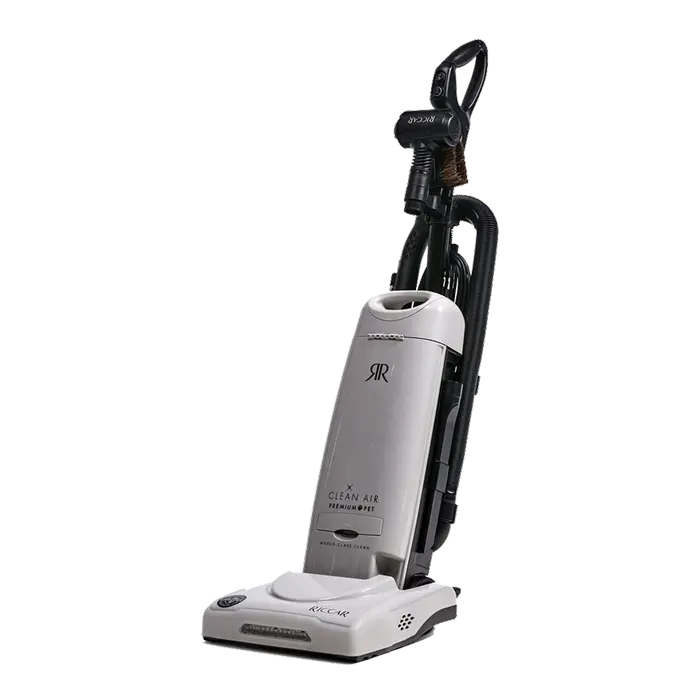
Can upright vacuums be stored vertically in everyday use?
Yes, upright vacuums can often be stored vertically in closets, corners, and utility rooms. In fact, that is how many people store them day to day. The upright shape saves floor space and keeps the machine easy to grab when it is time to clean.
That said, not every upright vacuum behaves the same way. Some models are top-heavy. Others have hoses or attachments that stick out and make vertical storage less stable. I have seen a few vacuums tip over because the user stored them with the hose stretched awkwardly or the attachments clipped on in the wrong place.
A vertical storage setup works best when:
- The vacuum has a solid standing base
- The handle locks into place
- The brush head sits flat on the floor
- The cord is wrapped neatly
- No heavy attachments pull the vacuum off balance
If your vacuum wobbles when standing, that is a sign to find another storage position.
When vertical storage is safe
Vertical storage is safe when the vacuum is built for it. Manufacturers usually design upright vacuums to stand on their own without damage. Many models are intended to be parked upright between uses, which helps protect the brush roll and keeps the unit compact.
Here are signs that your upright vacuum can be stored vertically safely:
- It stands without leaning
- The handle locks into the upright position
- The manual mentions upright parking or storage
- The hose does not bend sharply
- The power cord can be wrapped without strain
I always tell people to think of it like parking a bicycle. If the stand is stable and the frame is balanced, it sits fine. If it keeps tipping, something is off.
When vertical storage may cause problems
Even though upright vacuums can be stored vertically, there are situations where that is not a good idea. Long-term strain on a hose, handle joint, or cord can wear parts out faster. A vacuum that falls repeatedly can also crack plastic or loosen seals.
Watch out for these storage problems:
- The vacuum is too tall for the closet space
- The hose is twisted or stretched
- The cord is wrapped too tightly
- Attachments add extra weight on one side
- The vacuum leans against a wall instead of standing freely
One common mistake I have seen is people hanging a vacuum partly off balance on a hook or shelf edge. It may seem fine for a week, but over time that pressure can bend the handle or stress the base.
How to store an upright vacuum vertically the right way
If you want to store an upright vacuum vertically, a few simple habits help a lot. These small steps reduce wear and make the vacuum safer to grab and use later.
Follow these basic tips:
- Lock the handle in place
- Wrap the cord loosely around the cord hooks
- Empty the dust bin or bag before long storage
- Keep attachments clipped where they belong
- Store it on a flat, level floor
- Do not force it into a tight spot
- Make sure the hose is not pinched
If you are storing it for more than a few days, clean the brush roll and check for tangled hair. That little bit of care makes a big difference. A vacuum stored clean is like a car parked with the tank full and the tires aired up. It is just ready.
Best places to store an upright vacuum vertically
The best storage spot depends on your home layout, but some places are much better than others. You want a dry, stable area with enough clearance around the vacuum.
Good places include:
- Hall closets
- Laundry rooms
- Mudrooms
- Utility closets
- Pantry corners with enough floor space
Less ideal places include:
- Damp basements with moisture
- Crowded closets where the vacuum gets bumped
- Areas near heaters or direct sunlight
- Tight spaces that force the vacuum to tilt
Moisture is especially important. Industry cleaning and appliance guidance generally warns against storing electrical appliances in damp places because humidity can damage parts over time. Even if the vacuum looks fine on the outside, moisture can still affect the motor housing, filters, and wiring.
Upright vacuums vs. other vacuum types
This question comes up often because upright vacuums are not the same as canister vacuums, stick vacuums, or robot vacuums. Upright models are built with a main body, a brush head, and a long handle. That shape makes vertical storage more natural than it is for some other vacuum types.
Here is a simple comparison:
- Upright vacuums: Usually meant to stand vertically and store compactly
- Canister vacuums: Often stored with the canister and wand separated
- Stick vacuums: Often stored upright on a dock or wall mount
- Handheld vacuums: Usually stored in drawers, chargers, or wall brackets
So yes, upright vacuums are among the easiest vacuum types to store vertically. Still, the exact storage method depends on the model’s balance and design.
Signs your vacuum should not be stored vertically
Some upright vacuums are better off stored in a slightly different position, especially if they are damaged, unbalanced, or missing parts. If the vacuum cannot stand securely, forcing vertical storage is not worth the risk.
Do not store it vertically if:
- The base is cracked
- The handle latch is broken
- The vacuum tips forward or backward
- The hose pulls the machine off balance
- The brush housing drags or sits unevenly
In that case, lay the vacuum down carefully or secure it in a broader space until it can be repaired. A storage trick should never turn into a repair bill.
What the user manual usually says
The user manual is the best place to check because different brands have different storage advice. Many manuals explain how to park the vacuum upright, wrap the cord, and store attachments. Some even note whether the vacuum can be stored with the handle locked or folded.
If you no longer have the manual, look up the model number and search for the storage instructions. You are usually looking for words like:
- Upright storage
- Parking position
- Cord wrap
- Handle lock
- Storage lock
From experience, I can say this: a manual may seem boring, but it can save you from bending a part the wrong way or storing the vacuum in a way that slowly damages it.
Practical storage tips that extend vacuum life
Vertical storage is only part of the story. Good storage habits help your vacuum work better for longer. I have seen vacuums last years longer simply because the owner treated storage like part of maintenance.
Try these habits:
- Unplug the vacuum before storing it
- Keep the cord loose, not tight
- Remove debris from the brush roll
- Check filters before long storage
- Avoid storing with a full dust bag or bin
- Keep attachments organized so they do not fall
Think of storage as the vacuum’s resting time. If it is cramped, bent, or dirty while resting, it wakes up tired.
Common mistakes to avoid
A lot of vacuum damage happens during storage, not cleaning. That surprises many people. The machine gets used for 20 minutes, then sits for months in a bad position.
Avoid these mistakes:
- Hanging the vacuum by the hose
- Wrapping the cord too tightly
- Leaving the vacuum in a damp garage
- Leaning it against furniture instead of locking it upright
- Storing it with dirt still in the brush area
- Piling tools or boxes against it
One small mistake I have seen more than once is people storing the vacuum vertically with the dust bin not seated properly. That can make the vacuum seem stable at first, but it may pop loose or shift over time.
Frequently Asked Questions of Can upright vacuums be stored vertically?
Can all upright vacuums be stored vertically?
Not all of them should be, but many can. If the vacuum has a stable base and a locking handle, vertical storage is usually fine.
Is it bad to leave an upright vacuum standing all the time?
No, not usually. Upright vacuums are often made to stand that way, as long as the vacuum is balanced and not leaning.
Can storing an upright vacuum vertically damage the hose?
It can if the hose is stretched, twisted, or pinched during storage. Keep the hose relaxed and avoid forcing it into a tight spot.
Should I empty the vacuum before storing it vertically?
Yes, that is a good idea. Emptying the dust bin or replacing the bag helps reduce odors, clogging, and strain on the unit.
Can I store an upright vacuum in a garage?
You can, but only if the garage is dry and temperature changes are not extreme. Moisture and heat can shorten the life of electrical parts and filters.
Conclusion
Upright vacuums can often be stored vertically, and in many homes, that is the smartest and easiest option. The real key is making sure the vacuum is designed to stand securely, with the handle locked, the cord wrapped loosely, and the hose free from strain. When you store it the right way, you protect the machine and make your next cleaning job easier.
If your vacuum feels stable and your storage space is dry and roomy enough, vertical storage is usually the way to go. Take a minute today to check your own vacuum setup, and if needed, make a few small changes that will help it last longer. If you found this guide helpful, explore more home care tips and leave a comment with your own vacuum storage setup.

