

Your upright vacuum keeps clogging because airflow is blocked by packed debris, dirty filters, brush issues, or a full bin.
If you have ever had to stop mid-clean because the suction suddenly dropped, you already know how frustrating an upright vacuum clog can be. I have seen this problem again and again in real homes, and the pattern is usually the same: the machine is moving dirt, but something in the airflow path is slowing it down or stopping it completely. In this guide, I’ll walk you through why does my upright vacuum keep clogging, what signs to watch for, and how to fix the problem before it turns into a bigger repair.
Why an upright vacuum clogs so easily
An upright vacuum works by pulling air and dirt through a narrow path. That path includes the hose, brush roll area, wand, filters, dust bin, and internal channels. When even one of those areas gets blocked, the whole machine loses suction.
The problem is often not one big clog. It is usually a series of small buildup points. Fine dust, pet hair, carpet fibers, crumbs, and lint can collect little by little until the vacuum can no longer breathe.
From experience, the most common mistake people make is waiting until suction is almost gone. By then, the clog has usually spread or compacted. A vacuum is a lot like a straw in a thick milkshake: if the passage narrows, the effort goes up fast.

Common reasons your upright vacuum keeps clogging
The dust bin or bag is too full
A full bin or bag is one of the simplest reasons why does my upright vacuum keep clogging. Once the collection space is packed, airflow drops and debris starts backing up into the system.
Even if the bin does not look completely stuffed, fine dust can coat the inside and reduce space. In bagged models, a bag that is near full can act like a wall against air movement.
The filters are dirty or clogged
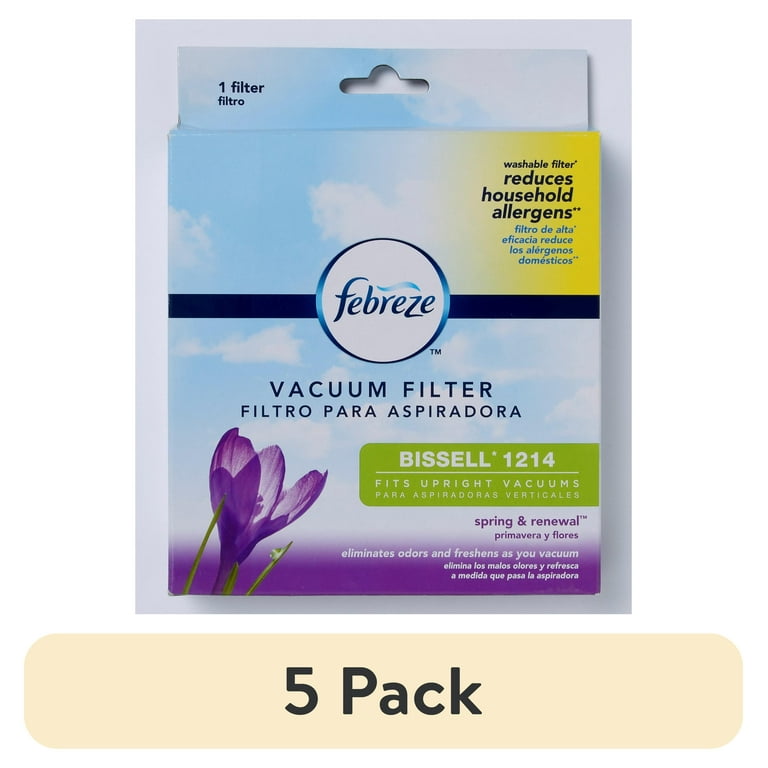
Filters trap dust before air leaves the vacuum. That is good for air quality, but bad when the filters are not cleaned or replaced on time.
If the pre motor or post motor filter is clogged, the vacuum cannot pull enough air through the machine. I have found that many people blame the hose first, when the real problem is often a filter that has not been washed in months.
Hair and fibers are wrapped around the brush roll
Brush rolls pick up hair, string, carpet threads, and pet fur. Over time, that material wraps tightly around the brush and blocks the opening where dirt should move.
This is especially common in homes with pets or long hair. A brush roll packed with hair can make it seem like the vacuum is clogged even when the hose is clear.
The hose has a blockage
The hose is one of the most common trouble spots in an upright vacuum. Socks, paper scraps, thick clumps of dust, small toys, and pet hair balls can all get stuck inside.
A hose clog often causes a sudden loss of suction. If the vacuum still sounds like it is running but picks up almost nothing, the hose is a prime suspect.
The wand or attachment path is blocked
Many upright vacuums route airflow through a wand or tool channel. If that passage is blocked, the vacuum may seem weak or clogged even when the main body looks fine.
This often happens after cleaning stairs, upholstery, or corners where larger debris gets pulled into the tool path. I have had more than one reader tell me they found a Lego piece or wad of lint in the wand after hours of frustration.
The belt is slipping or damaged
A worn belt may not directly create a clog, but it can reduce brush roll speed and make debris collect where it should be swept away. That buildup can then turn into an actual blockage.
If you hear strange noises, smell a burnt odor, or see the brush roll moving slowly, check the belt. A weak belt can create a chain reaction that leads to repeated clogging.
The vacuum is being used on the wrong surface setting
Some upright vacuums need a height adjustment for different floors. If the setting is too low for thick carpet, airflow can get restricted and debris can pile up fast.
Using the wrong mode on high pile carpet, rugs, or transition mats can also strain the machine. This is a small setting issue, but it can make a big difference.
Signs your upright vacuum has a clog
If you are wondering why does my upright vacuum keep clogging, the machine usually gives clues before it fails completely. Pay attention to these signs:
- Weak suction even though the motor still runs
- A loud pitch change or strained sound
- Dust blowing back out of the vacuum
- The brush roll slowing down or stopping
- The vacuum shutting off from overheating
- Debris collecting near the base instead of going into the bin
- A burning smell from a slipping belt or jammed brush
These symptoms often point to a blockage somewhere in the airflow path. The sooner you catch it, the easier it is to fix.
How to find where the clog is
1. Check the bin or bag first
Start with the easiest spot. Empty the bin, or replace the bag if your vacuum uses one.
Look for compacted dust at the bottom and around the lid. If the bin is packed with fine debris, give it a full rinse and let it dry completely before reusing it.
2. Inspect the hose
Remove the hose if your model allows it. Hold it up to the light and look for dark spots or packed material.
A simple test is to drop a small object, like a coin, through the hose only if the manufacturer says it is safe to do so. If it does not pass through freely, there is likely a clog.
3. Check the wand and tool connectors
Detach the wand and any attachments. Use a flashlight to inspect the full path.
This is a common hidden spot for clogged upright vacuum problems because small debris can lodge at the joints. The bend points are especially prone to buildup.
4. Look at the brush roll area
Turn off and unplug the vacuum before touching the brush area. Remove hair, thread, and string wrapped around the brush.
Also check the brush housing opening. Sometimes a clog forms right where the brush roll meets the suction channel.
5. Clean or replace the filters
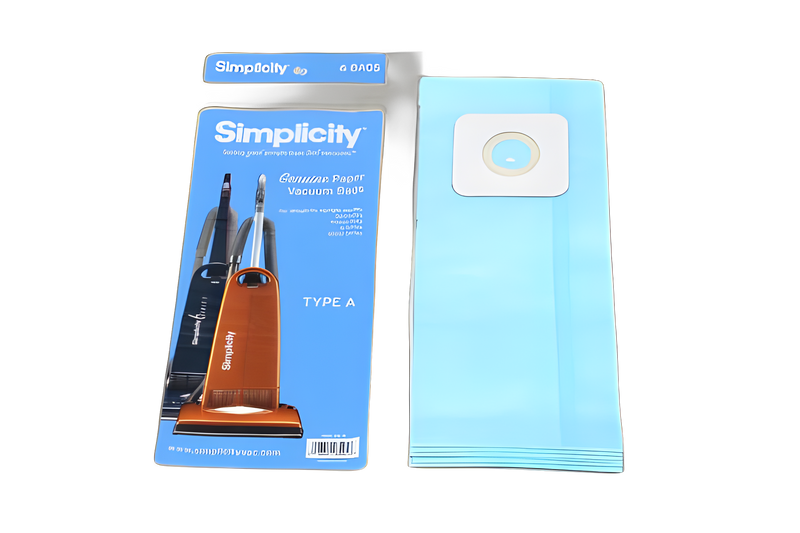
Take out the filters and inspect them. If they are washable, rinse them according to the manual and let them dry fully.
Never reinstall a damp filter. A wet filter can reduce airflow, damage the motor, and create musty smells.
How to fix a clog in an upright vacuum
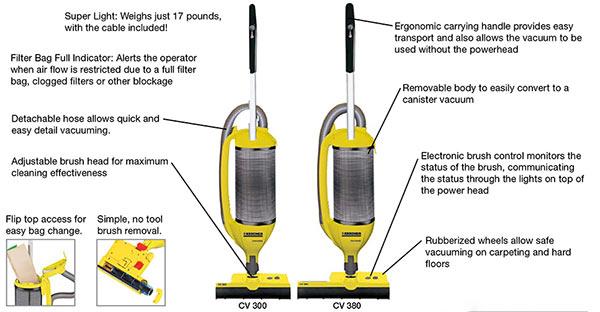
Clear the bin, hose, and brush area
The most effective fix is usually a full airflow cleanup. Empty everything, detach what you can, and remove packed debris by hand.
Use a long, flexible cleaning tool or a straightened coat hanger only if the vacuum manual allows it. Be gentle so you do not puncture the hose.
Wash or replace clogged filters
Dirty filters are often the hidden reason why does my upright vacuum keep clogging. If your filter is washable, rinse it until the water runs clear.
If the filter is damaged, warped, or still dusty after cleaning, replace it. A filter that no longer breathes well can keep causing the same issue.
Remove hair from the brush roll
Use scissors, a seam ripper, or a vacuum cleaning tool to cut away wrapped hair. Spin the brush by hand and check the ends too.
If the brush roll is hard to turn even after cleaning, the bearings may be worn. In that case, replacing the brush roll may be the best fix.
Check for a damaged belt
If the belt looks stretched, cracked, or shiny, replace it. A weak belt can let debris build up because the brush roll is not moving as it should.
This is one of those repairs that feels small but solves a lot. I have seen a simple belt change stop repeated clogging in machines that looked ready for replacement.
Reassemble and test airflow
Once everything is cleaned, put the vacuum back together and test it on a hard floor first. Listen for smooth airflow and check whether suction feels stronger.
If the vacuum still clogs quickly, the problem may be deeper inside the motor housing or internal ducting. At that point, professional service may be worth considering.

How to stop your upright vacuum from clogging again
Preventing clogs is easier than fixing them. A few simple habits can keep the vacuum running better for much longer.
- Empty the bin before it reaches the max line
- Replace bags before they get packed tight
- Clean filters on the schedule recommended by the manufacturer
- Remove hair from the brush roll every week if you have pets
- Check the hose and wand monthly for hidden blockages
- Pick up large debris by hand before vacuuming
- Use the correct height setting for carpet thickness
- Avoid vacuuming wet dirt, paper scraps, and large objects
A little maintenance goes a long way. In my experience, most repeated clogging problems come from skipped cleaning, not from a bad machine.
When repeated clogging means something bigger is wrong
Sometimes why does my upright vacuum keep clogging is not really a clog question. It can point to a design issue, a worn part, or a failing motor.
Watch for these signs:
- The vacuum clogs again soon after cleaning
- Suction stays weak even when everything is clear
- The motor overheats often
- The vacuum makes grinding, squealing, or burning sounds
- The machine is old and has repeated seal or belt issues
If these problems keep coming back, the vacuum may need repair or replacement. Most consumer vacuums are not built to handle endless heavy debris without maintenance.
Why some homes cause more vacuum clogs than others
Certain homes naturally put more strain on an upright vacuum. Pet hair, long human hair, carpet shedding, sand, and crumbs all add up fast.
Homes with thick rugs, high pile carpet, or lots of stairs can also create more buildup. If you have children or pets, your vacuum may need more frequent care than the average model.
This does not mean your vacuum is bad. It just means the job is harder. Think of it like driving in stop and go traffic versus cruising on an open road.

Frequently Asked Questions
Why does my upright vacuum keep clogging even after I clean it?
If it keeps clogging after cleaning, there may still be a hidden blockage in the hose, wand, or internal duct. A dirty filter, worn belt, or weak brush roll can also make the same problem come back.
Can a dirty filter cause an upright vacuum to clog?
Yes. A dirty filter reduces airflow, which makes dust and debris pile up in other parts of the vacuum. In many cases, filter buildup is the real reason the machine keeps clogging.
Why does my vacuum clog more when I vacuum pet hair?
Pet hair clumps together and wraps around the brush roll, hose, and intake path. It is light enough to move around at first, then dense enough to block airflow quickly.
How often should I clean my upright vacuum to prevent clogs?
For most homes, emptying the bin after each use and checking the brush roll weekly is a smart routine. Filters and hoses should be inspected often enough to catch buildup before it becomes a full clog.
Is it safe to use a vacuum with a clog?
It is not a good idea to keep using it. A clogged vacuum can overheat, lose suction, strain the motor, and in some cases damage the belt or brush system.
Conclusion
If you have been asking why does my upright vacuum keep clogging, the answer is usually somewhere in the airflow path. A full bin, dirty filter, wrapped brush roll, blocked hose, or worn belt can all choke the machine and make cleaning harder than it should be.
The good news is that most clogs are preventable with simple upkeep. Clean the key parts often, watch for early warning signs, and treat the vacuum like a tool that needs regular care, not just a machine you plug in and forget.
If this guide helped, try the troubleshooting steps on your own vacuum today and see where the blockage starts. You will likely save time, protect the motor, and get your suction back where it belongs.

