

Corded upright vacuums deliver steady power, while cordless upright vacuums offer more freedom and easier movement.
If you are trying to choose between corded and cordless upright vacuums, the real difference comes down to power, runtime, convenience, and the kind of cleaning you do most often. I have spent years comparing vacuums in real homes, and the best choice usually depends less on the label and more on your floor plan, your cleaning habits, and how much you value uninterrupted suction versus grab-and-go ease. Let’s break down the corded vs cordless upright vacuum debate in a simple, practical way so you can buy with confidence.
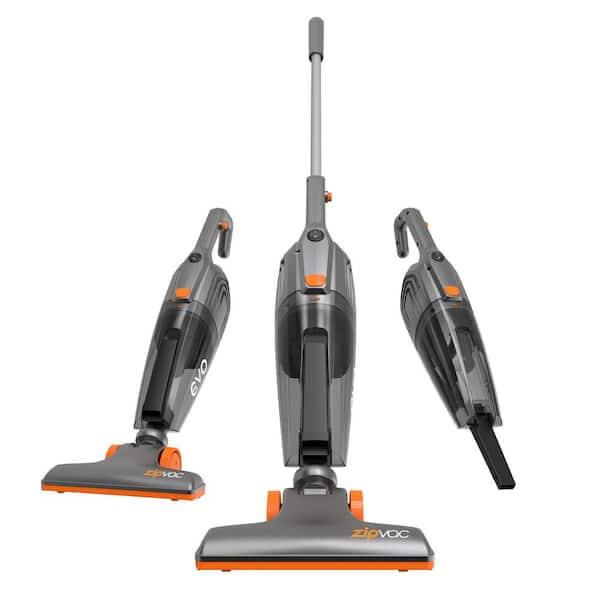
What corded and cordless upright vacuums are
A corded upright vacuum plugs into a wall outlet and runs on continuous power. That means you can clean as long as you want, with no battery drain to worry about.
A cordless upright vacuum uses a rechargeable battery instead of a power cord. It gives you more mobility, but you are limited by battery life and recharge time.
Both are built in an upright style, which usually means a tall body, a handle, and a cleaning head that rolls across floors. The main difference between corded and cordless upright vacuums is not the shape. It is the power source, and that changes the whole cleaning experience.
The biggest differences at a glance
If you want the short version of the difference between corded and cordless upright vacuums, here it is:
- Corded upright vacuums offer nonstop cleaning power.
- Cordless upright vacuums give you more freedom and less setup.
- Corded models usually have stronger, more consistent suction.
- Cordless models are often lighter and easier to carry.
- Corded vacuums are better for long cleaning sessions.
- Cordless vacuums are better for fast cleanups and smaller spaces.
When people ask me which is better, I always say this: the better vacuum is the one that fits your daily life. A vacuum should feel like a helpful tool, not a chore you keep putting off.

Corded upright vacuums: strengths and weaknesses
Corded upright vacuums are the classic choice for a reason. They are dependable, powerful, and ideal for deep cleaning.
What corded vacuums do well
- Continuous power means no battery fade mid-clean.
- Strong suction often helps with thick carpet, pet hair, and dirt buildup.
- They are good for large homes because you can clean for as long as needed.
- Many models are built with larger dust bins and wider cleaning paths.
In my experience, corded upright vacuums shine when a home needs a serious weekly reset. I have used them in houses with wall-to-wall carpet, shedding pets, and busy families, and they tend to keep up better than many battery-powered models.
Where corded vacuums fall short
- The cord can feel annoying, especially in rooms with many furniture legs.
- You may need to switch outlets from room to room.
- Cord management takes time and attention.
- They can feel bulkier than cordless options.
A corded upright vacuum can be a little like cooking with a full-size stove. It is powerful and reliable, but not always the quickest option when you only need to fix a small mess.
Cordless upright vacuums: strengths and weaknesses
Cordless upright vacuums are built for convenience. They are great when you want to clean without stopping to plug and unplug.
What cordless vacuums do well
- They are easy to move around the house.
- They are great for stairs, tight corners, and quick cleanups.
- No cord means fewer obstacles and less hassle.
- Many models are lighter and more comfortable to carry.
I often recommend cordless upright vacuums to people who clean in short bursts. If you have kids, pets, or a kitchen that seems to collect crumbs all day, cordless can make it easier to stay on top of messes before they grow.
Where cordless vacuums fall short
- Battery life limits how long you can clean.
- Suction can drop as the battery drains on some models.
- Charging takes time, so you cannot always use it right away.
- Some models have smaller bins and may need frequent emptying.
The biggest mistake I see people make is assuming every cordless upright vacuum can replace a corded one. That is not always true. Some cordless models are excellent, but others are better as a secondary vacuum than a whole-home deep-clean machine.
Power and suction: which cleans better?
This is one of the most important parts of the corded vs cordless upright vacuum comparison. In general, corded upright vacuums tend to provide stronger and more consistent suction because they are not limited by battery output.
Cordless upright vacuums have improved a lot in recent years. Many now clean very well on hard floors and low-pile carpet. But if you need maximum suction for deep carpet fibers, embedded dirt, or heavy pet hair, corded often still has the edge.
A useful way to think about it is this:
- Corded is like a steady river.
- Cordless is like a well-packed water bottle.
Both can work, but one is built for endurance, and the other is built for mobility.
Battery life versus unlimited runtime
Runtime is one of the clearest differences between corded and cordless upright vacuums.
Corded models can run until you are done. That makes them better for whole-house cleaning, spring cleaning, and larger jobs.
Cordless models usually offer anywhere from about 20 to 60 minutes of runtime, depending on the mode, battery size, and brand. Some run longer on eco mode, but heavy suction settings can drain the battery fast.
From a practical point of view, this matters more than people expect. I have seen many buyers love a cordless vacuum in the store, then get frustrated at home when the battery dies halfway through the upstairs bedrooms.
Weight, handling, and ease of use
Cordless upright vacuums are often easier to push, carry, and steer. Without a cord and with a battery-driven design, they usually feel more flexible in tight spaces.
Corded upright vacuums are often heavier and less nimble. That said, the extra weight can sometimes help them feel stable on thick carpet and during deep cleaning.
If you have stairs, mobility issues, or a home with lots of small rooms, a cordless upright vacuum may feel much easier to live with. If you mostly clean open spaces and want maximum cleaning strength, a corded upright vacuum may be more comfortable in the long run.
Maintenance and ownership costs
Corded and cordless upright vacuums differ in how you maintain them and what they cost over time.
Corded vacuum upkeep
- No battery replacement needed.
- Less concern about charging habits.
- Basic maintenance still includes filters, brush rolls, and dust bins.
Cordless vacuum upkeep
- Battery health matters a lot.
- Batteries may lose capacity after repeated use.
- Replacement batteries can be expensive.
- Charging habits can affect long-term performance.
This is where ownership cost can surprise people. A cordless vacuum may look simple at first, but battery replacement is a real factor. A corded upright vacuum often lasts longer with fewer performance surprises, especially if you keep the filters clean and clear hair from the brush roll.
Which is better for pet hair, carpet, and hard floors?
The best choice depends on your home.
For pet hair
Corded upright vacuums are often better for heavy pet hair because they usually provide stronger suction and longer runtime. If your pet sheds a lot, especially on carpet or upholstery, corded is usually the safer bet.
For carpet
Corded upright vacuums generally perform better on medium and thick carpet. They can pull debris from deeper fibers more effectively.
Cordless upright vacuums can still work well on low-pile carpet, but they may struggle more with deep dirt over time.
For hard floors
Cordless upright vacuums are often excellent for hard floors because they are quick, easy to use, and simple to maneuver around chairs, tables, and corners.
When a corded upright vacuum makes more sense
A corded upright vacuum is usually the better choice if you:
- Have a large home
- Clean for long sessions
- Have mostly carpeted floors
- Need strong suction for pet hair or embedded dirt
- Want the lowest risk of battery fade
If you clean once or twice a week and want a machine that can handle a real deep clean, corded is often the more dependable option.
When a cordless upright vacuum makes more sense
A cordless upright vacuum is usually the better choice if you:
- Want fast cleanup without plugging in
- Live in a smaller home or apartment
- Need something easy to carry upstairs
- Clean messes often in short bursts
- Prefer lighter, more flexible handling
Cordless is often the better fit for busy households where cleaning happens in little pockets of time instead of one long session.
How to choose the right one for your home
Here is the simple method I use when helping people decide between corded and cordless upright vacuums:
-
Measure your cleaning area
Large homes usually benefit from corded power. Small homes can do well with cordless convenience. -
Think about your floor type
Thick carpet often points to corded. Hard floors and low-pile rugs can work well with cordless. -
Be honest about your cleaning habits
If you hate long cleaning sessions, cordless may keep you more consistent. If you deep clean less often, corded may be the smarter pick. -
Check battery or cord length
A cordless vacuum with short runtime may frustrate you. A corded vacuum with a short cord may feel limiting. -
Consider storage and weight
If you need to carry the vacuum often, lightweight cordless models can make life easier.
A good buying decision is not about getting the “best” vacuum on paper. It is about getting the one you will actually use.

Common mistakes to avoid
I have seen a few repeat mistakes that lead to disappointment.
- Buying cordless for a large carpeted home without checking runtime
- Assuming all cordless models have strong suction
- Ignoring battery replacement costs
- Choosing corded without thinking about cord length and outlet access
- Focusing only on the vacuum’s weight and not its cleaning power
The biggest lesson is simple: read the use case first, then compare features. That approach saves money and frustration.
Frequently Asked Questions of What is the difference between corded and cordless upright vacuums?
Are cordless upright vacuums as strong as corded ones?
Not usually. Some premium cordless upright vacuums come close, but corded models still tend to deliver more consistent suction for longer periods.
Do cordless upright vacuums work well for pet hair?
Yes, many do, especially on hard floors and low-pile carpet. For heavy shedding or deep carpet cleaning, a corded upright vacuum is often more effective.
How long does a cordless upright vacuum battery last?
It depends on the model and cleaning mode. Many run for about 20 to 60 minutes, but high-power settings can reduce runtime much faster.
Are corded upright vacuums better for large homes?
Yes, usually. Since they do not rely on a battery, they are better for long cleaning sessions and larger floor plans.
Which type lasts longer overall?
Corded upright vacuums often last longer because they do not depend on battery health. Cordless models can still last well, but battery wear is a real factor over time.
Conclusion
The difference between corded and cordless upright vacuums comes down to power, runtime, and convenience. Corded upright vacuums are usually stronger and better for deep, long cleaning jobs, while cordless upright vacuums are easier to grab, move, and use for quick cleanups.
If you want the simplest rule, use corded for bigger jobs and cordless for everyday ease. Think about your floors, your home size, and how often you actually vacuum. That one habit check can save you from buying a machine that looks great but does not fit your life.
If you are still deciding, compare your top options side by side and focus on what you need most, not just what sounds impressive.


2 Comments
Pingback: Can You Use An Upright Vacuum On Stairs: Safe Tips - Vacuum Cleaner Tips
Pingback: How Do You Carry An Upright Vacuum Upstairs: Easy Tips - Vacuum Cleaner Tips