

A lawn sweeper often wins for tidy pickup; a leaf blower wins for speed and reach.
I have spent years testing yard tools and helping homeowners pick the right gear. In this article I answer Is a lawn sweeper better than a leaf blower? and show when each tool shines. You will learn clear, practical rules to choose by yard size, debris type, noise limits, and budget. Read on for hands-on tips, real tests, and simple steps to make the right buy.
:max_bytes(150000):strip_icc()/spr-agri-fab-44-in-tow-behind-lawn-sweeper-sara-luckey-05-ae43479260514cb9b433895fe90a7894.jpeg)
How a lawn sweeper and a leaf blower work
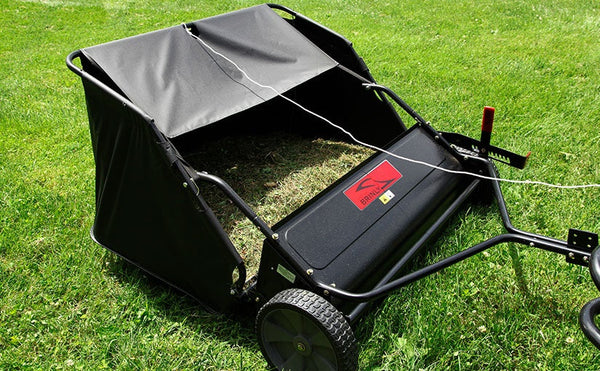
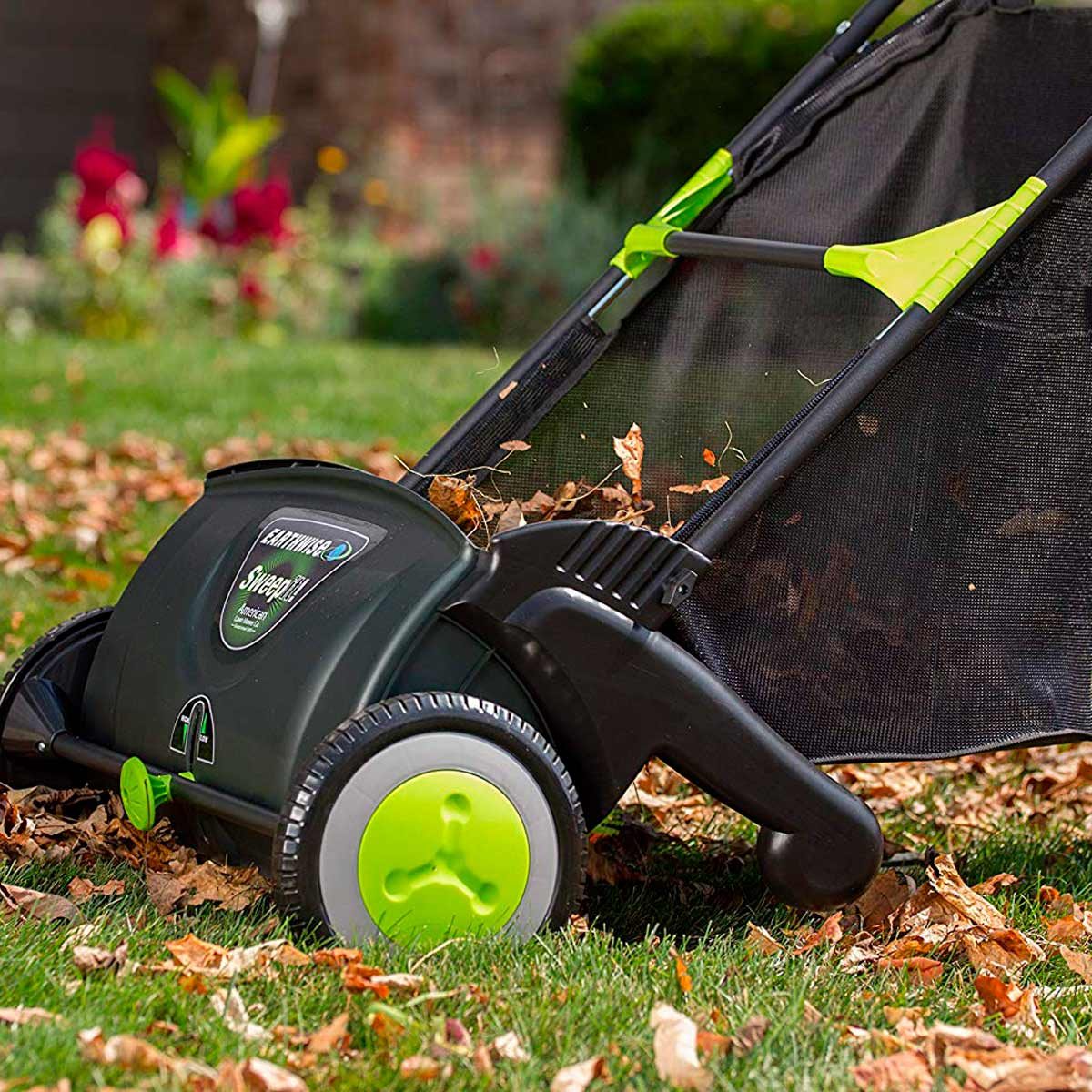
A lawn sweeper uses brushes and a hopper to sweep debris into a bag. It collects leaves, pine needles, and light grass clippings as you push or tow it. A leaf blower uses air to move debris into piles for pickup or to blow it off surfaces. Blowers come in handheld, backpack, and walk-behind styles.
Is a lawn sweeper better than a leaf blower? That depends on what you want: direct collection or fast clearing. If you want to remove debris in one step, a sweeper often does that. If you need reach or to clear gutters and tight spots, a blower is better.

Pros and cons: side-by-side
Pros of a lawn sweeper
- Cleans and collects at once. You save a step by not raking.
- Low noise compared to many gas blowers. Good for quiet neighborhoods.
- Minimal dust when used properly. Good for allergy concerns.
Cons of a lawn sweeper
- Works best on flat, open lawns. Uneven ground reduces performance.
- Can struggle with wet leaves and heavy debris. It may clog.
- Cost and storage space can be higher than a small blower.
Pros of a leaf blower
- Fast. Clear large areas quickly.
- Versatile. Use it for gutters, driveways, and flower beds.
- Works well with wet or matted leaves when combined with raking.
Cons of a leaf blower
- Creates dust and airborne debris. It can aggravate allergies.
- Noise and local restrictions may apply. Many towns limit gas blowers.
- Usually needs a second step to collect leaves for compost.
When asking Is a lawn sweeper better than a leaf blower? weigh these pros and cons against your yard and rules. For collection and low noise, a sweeper often takes the lead. For speed and reach, a blower wins.
Best use cases and yard types
Small lawns and tight yards
- A battery handheld blower clears flower beds and small paths fast.
- Sweeper models are bulky for very small yards.
Large lawns and parks
- Tow-behind sweepers and powered push sweepers shine on big, flat lawns.
- A blower helps clear around trees and fences before sweeping.
Lawns with heavy leaf fall
- Sweeper for ongoing collection. It reduces trips to the compost bin.
- Blower plus tarp or rake for dense, wet leaves before sweeping.
Mixed debris and seasonal cleanup
- Use a blower to move debris into piles.
- Follow with a sweeper or rake to collect and remove it.
Is a lawn sweeper better than a leaf blower? For large open lawns with frequent leaf drop, a sweeper is usually better for cleanup and composting. For yards with lots of hard surfaces, steep slopes, or tight corners, a blower is more useful.

PAA-style question 1: Which tool is best for wet leaves?
Wet leaves stick and clump. A blower can move wet leaves into piles, but a sweeper may clog. Use a blower first, then a sweeper or rake to collect.
PAA-style question 2: Can a lawn sweeper replace a blower?
A sweeper can replace a blower for many lawn cleanup jobs. It cannot replace a blower for reach, gutters, or blowing out tight spots.
Cost, time, and efficiency
Upfront cost
- Push sweepers and handheld blowers are low cost for basic models.
- Tow-behind or powered sweepers and pro-grade blowers cost more.
Time and labor
- A blower clears leaves fast but needs a second step to collect.
- A sweeper collects and reduces time spent bagging and hauling.
Long-term value
- A sweeper reduces repeated raking and can save time in the long run.
- Blowers are more versatile and keep tools useful year-round.
When you ask Is a lawn sweeper better than a leaf blower? consider the full time cost. A sweeper may save trips to the curb. A blower saves minutes each chore when you need speed.

Environmental and noise considerations
Noise and neighbor rules
- Electric sweepers and battery blowers are quieter than gas blowers.
- Many communities ban or restrict gas blowers during certain hours.
Air quality and dust
- Blowers stir dust, pollen, and mold spores. This can harm sensitive people.
- Sweepers contain debris and reduce airborne particles.
Fuel and emissions
- Gas blowers emit fumes and have higher emissions.
- Battery tools and manual sweepers are cleaner and use less fossil fuel.
Is a lawn sweeper better than a leaf blower? If you must follow noise rules or reduce dust and emissions, a sweeper or battery blower is a better choice.

Maintenance and longevity
Lawn sweeper care
- Clean brushes and empty hopper after use.
- Store dry to avoid rust and replace brushes as they wear.
Leaf blower care
- For gas models, change oil and clean spark plugs per schedule.
- For battery models, store batteries at proper charge and avoid extreme temps.
Repair and parts
- Sweeper parts are simple and last long with care.
- Blowers have more moving parts and often need more frequent service.
Choosing based on upkeep helps answer Is a lawn sweeper better than a leaf blower? If you want low maintenance, a simple sweeper often wins. If you like versatile tools and are fine with some upkeep, a blower can be fine.

How to choose the right tool for your yard
Step 1: Match tool to yard size
- Small yards: handheld blower or small push sweeper works well.
- Large lawns: tow-behind or wide-push sweepers are efficient.
Step 2: Match to debris type
- Light, dry leaves: sweeper excels.
- Wet, matted leaves and heavy debris: blower then sweeper is a good combo.
Step 3: Consider local rules and noise
- If gas blowers are restricted, choose a sweeper or battery blower.
- Check HOA or city rules before buying.
Step 4: Budget and storage
- Set a budget for initial cost and upkeep.
- Make sure you have storage space for a sweeper or mower-mounted unit.
Ask yourself Is a lawn sweeper better than a leaf blower? Use these steps. Often the best choice is both tools for different jobs.

Personal experience and practical tips
From my work in lawn care and testing tools, one blunt lesson stands out. Use the right tool for the job. I once tried to sweep a yard full of wet oak leaves after rain. The sweeper clogged fast. I used a blower first, then the sweeper, and cleanup took half the time. Small changes like sweeping when leaves are dry or using a blower to move leaves to one side cut my work a lot.
Practical tips I rely on
- Sweep when leaves are dry for best pickup.
- Use a blower for edges and the sweeper for the open lawn.
- Invest in a model with replaceable brushes and easy hopper access.
If you wonder Is a lawn sweeper better than a leaf blower? my real-world tip is this: for a tidy lawn with less dust, choose a sweeper; for fast, flexible clearing, choose a blower. For many yards, owning both is ideal.
Frequently Asked Questions of Is a lawn sweeper better than a leaf blower?
What is the main difference between a lawn sweeper and a leaf blower?
A lawn sweeper gathers debris into a hopper with rotating brushes. A leaf blower moves debris with air and usually needs a second step to collect it.
Can a leaf blower damage grass?
High-powered blowers can lift or dry out shallow grass and seedlings. Use lower speeds near delicate plants and test on a small area first.
Are lawn sweepers good for wet leaves?
Most sweepers struggle with wet leaves. Use a blower or rake first, then sweep when leaves are drier.
Which is quieter, a sweeper or a blower?
Sweepers, especially manual or electric ones, tend to be quieter than gas blowers. Battery blowers are quieter than gas but louder than a sweeper.
Do tow-behind sweepers work with lawn tractors?
Yes. Tow-behind sweepers attach to many tractors and cover large areas quickly. Check hitch size and PTO requirements before buying.
How often should I empty a sweeper hopper?
Empty it when it is about two-thirds full to keep brushes working well. Frequent emptying prevents clogs and makes hauling easier.
Is a battery blower powerful enough for heavy leaves?
Modern battery blowers handle many jobs well, but they may run shorter on heavy, sustained work than gas models. Choose a higher-voltage model for tougher needs.
Conclusion
Choosing between tools comes down to the yard and the job. If you want quiet, tidy one-step cleanup, a lawn sweeper often outperforms a blower. If speed, reach, and versatility matter most, a leaf blower is the better pick. Many homeowners find the best approach is a simple combo: use a blower to move and loosen debris, and finish with a sweeper to collect it. Try one tool at a time, note the results, and then decide which fits your routine and rules. Ready to improve your yard time? Test a sweeper or blower this season, subscribe for more hands-on gear guides, or leave a comment about your yard needs.


1 Comment
Pingback: 6 Best Lawn Sweeper For Pine Needles: Top Picks And Tips - Vacuum Cleaner Tips