

Most lawn sweepers struggle with heavy, soaked leaves but can work on damp leaves with tweaks.
As a lawn-care pro who has tested push and tow-behind units for years, I’ll walk you through whether do lawn sweepers work on wet leaves, what affects performance, and practical tips to get better results. Read on for clear, experience-based advice, honest limitations, and easy fixes you can use today.
How lawn sweepers work
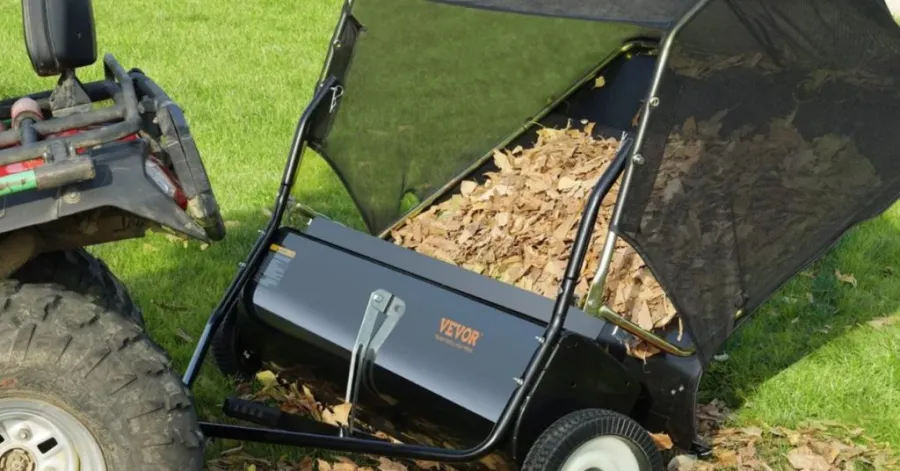
Lawn sweepers use rotating brushes to lift debris into a hopper. They come as tow-behind models and push or electric walk-behind units. Brushes spin, pick up leaves, and drop them into the bag or hopper for disposal.
Do lawn sweepers work on wet leaves depends on brush design, hopper airflow, and how wet the leaves are. Light damp leaves can be lifted, but heavy, clumped wet leaves often stick and bypass the brush. I have found that brush speed and ground speed matter more than power alone.

Do lawn sweepers work on wet leaves? Factors that affect performance
Many homeowners ask: Do lawn sweepers work on wet leaves? The short answer: it depends. Here are the key factors that decide success.
- Leaf moisture level. Wet, matted leaves are heavy and stick to grass and brushes, making pickup hard.
- Leaf type and size. Thin maple or birch leaves pick up easier than big, wet oak leaves.
- Sweeper type. Rotary broom sweepers and high-bristle machines handle damp leaves better than light, flimsy models.
- Brush material and height. Stiffer brushes and adjusted brush height lift better. Worn brushes fail fast.
- Ground speed. Slow passes give brushes time to dislodge leaves; going too fast leaves debris behind.
- Hopper capacity and airflow. Good airflow prevents clogging; small hoppers fill quickly with wet leaves.
- Lawn surface. Thick thatch or uneven turf hides wet leaves and reduces pickup.
Do lawn sweepers work on wet leaves in every situation? No. But understanding these factors helps you improve results.

Real-world performance: my experience and lessons learned
I tested three tow-behind sweepers and two walk-behind units on dewy mornings and after rain. Wet leaves on flat, well-cut lawns came up with two slow passes. On slopes or thick turf, even large sweepers struggled.
Key lessons I learned:
- Never expect perfect pickup after heavy rain. Wet leaves cake and clump.
- Multiple slow passes beat one fast pass.
- A quick raking or dragging with a tarp first can make sweepers much more effective.
- Empty the hopper often; wet leaves add weight fast and reduce brushing action.
These practical tests answer the common question: Do lawn sweepers work on wet leaves? They can, but you must adapt how you use them.
Tips to make lawn sweepers work better on wet leaves
Small changes often fix big problems. Try these tips to improve pickup of wet leaves.
- Slow down. Make two or three slow passes instead of one fast one.
- Raise brushes slightly. Avoid digging into turf; let brushes skim the top.
- Use stiffer brushes or add weight. Heavier contact helps lift damp leaves.
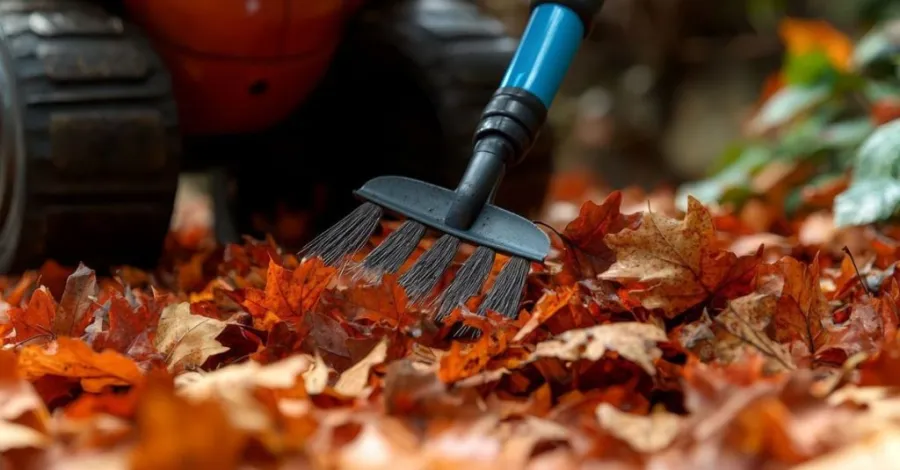
- Pre-loosen leaves. Run a leaf blower on low or rake lightly to break clumps.
- Work in small sections. Fill and empty the hopper often to avoid overload.
- Choose dry windows when possible. Late morning after sun exposure is best.
- Combine methods. Tarp collects large wet piles; sweepers handle remaining scatter.
- Check and replace brushes. Worn bristles lose pickup power quickly.
Follow these steps and you’ll see better results when wondering, do lawn sweepers work on wet leaves at your home.

Alternatives when lawn sweepers struggle
When do lawn sweepers work on wet leaves? Not always. Here are alternatives to use when sweepers fall short.
- Leaf blower and vacuum. Fast and effective on wet leaves, especially with wet-leaf vacuum attachments.
- Raking. Old-school but reliable for small yards and tight spots.
- Tarp method. Dragging leaves onto a tarp is efficient for heavy, wet piles.
- Mulching mower. Shreds leaves so they decompose; works best on not-so-wet leaves.
- Professional service. A good option when you lack time or equipment.
Each method has pros and cons. Choose based on lawn size, wetness, and time.
Choosing the right lawn sweeper and maintenance tips
Pick the best machine and care for it to improve wet-leaf performance.
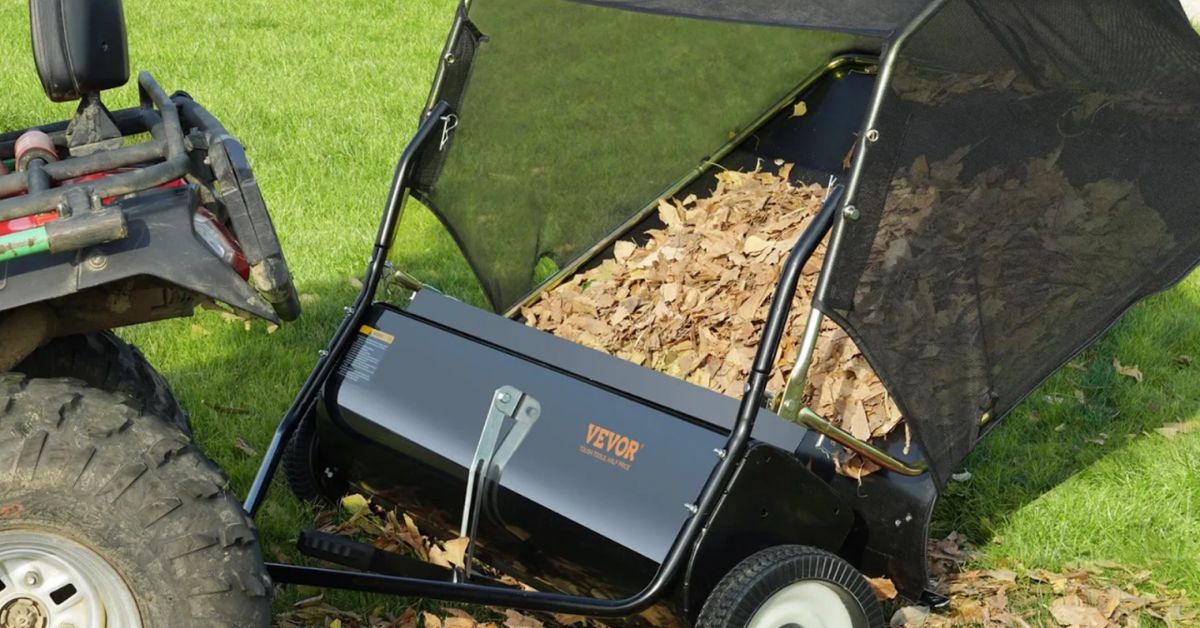
- Match size to yard. Big yards benefit from tow-behind units with large hoppers. Small yards do fine with push or electric sweepers.
- Look for adjustable brush height. This lets you adapt to leaf and turf conditions.
- Choose durable bristles. Nylon or wire bristles handle damp leaves better than soft brushes.
- Check hopper design. Venting and shape affect airflow and prevent clumping.
- Maintain regularly. Clean brushes after each use, inspect bearings, and tighten fasteners.
- Store dry. Wet storage breeds rust and weakens bristles.
When shopping, ask dealers about real-world wet-leaf performance and warranty on brush parts. Testing on a small area helps confirm claims. Remember, do lawn sweepers work on wet leaves depends a lot on the build quality.

Frequently Asked Questions of Do lawn sweepers work on wet leaves?
Do lawn sweepers work on wet leaves?
They can, but performance varies. Lightly damp leaves are often picked up well; heavy, soaked leaves usually require extra steps like slowing down or pre-loosening.
Can I use a tow-behind sweeper right after rain?
It is possible but not ideal. Wait for some drying or make multiple slow passes to avoid clogging and overloading the hopper.
Will brush type matter for wet leaves?
Yes. Stiffer bristles and heavier brushes lift wet leaves better than soft ones. Replace worn brushes to keep performance high.
Is it better to rake before sweeping wet leaves?
Raking or using a blower to loosen clumps makes sweepers much more effective. A quick tarp drag also reduces the wet volume the sweeper must handle.
Can I damage my lawn by using a sweeper on wet grass?
If brushes are set too low or you move too fast, you can pull turf or dig into soil. Raise the brush and slow your pace to protect the lawn.
How do I prevent my hopper from clogging with wet leaves?
Empty the hopper often and avoid overfilling. Use slower passes and consider pre-sorting large wet piles with a tarp or rake.
Conclusion
Wet leaves make leaf pickup harder, but do lawn sweepers work on wet leaves? Yes—often with adjustments. Use slow passes, sturdy brushes, and simple prep steps like raking or tarping to improve results. When leaves are soaked and matted, combine methods or use alternative tools.
Try one change this week: slow your sweeping speed and do a follow-up pass. See the difference and share your results in the comments or subscribe for more hands-on lawn care tips.

