

Most towns set decibel limits, time windows, and equipment rules to curb leaf blower noise.
As an environmental planner and long-time landscaper, I’ve studied and lived the realities of leaf blower noise regulations. I’ve reviewed codes, tested sound levels in yards, and helped crews switch to quieter gear. This article explains how leaf blower noise regulations work, why they matter, how they are enforced, and what practical steps homeowners and pros can use to comply and reduce noise. Read on for clear guidance, real-life tips, and easy actions you can use today.
What are leaf blower noise regulations?
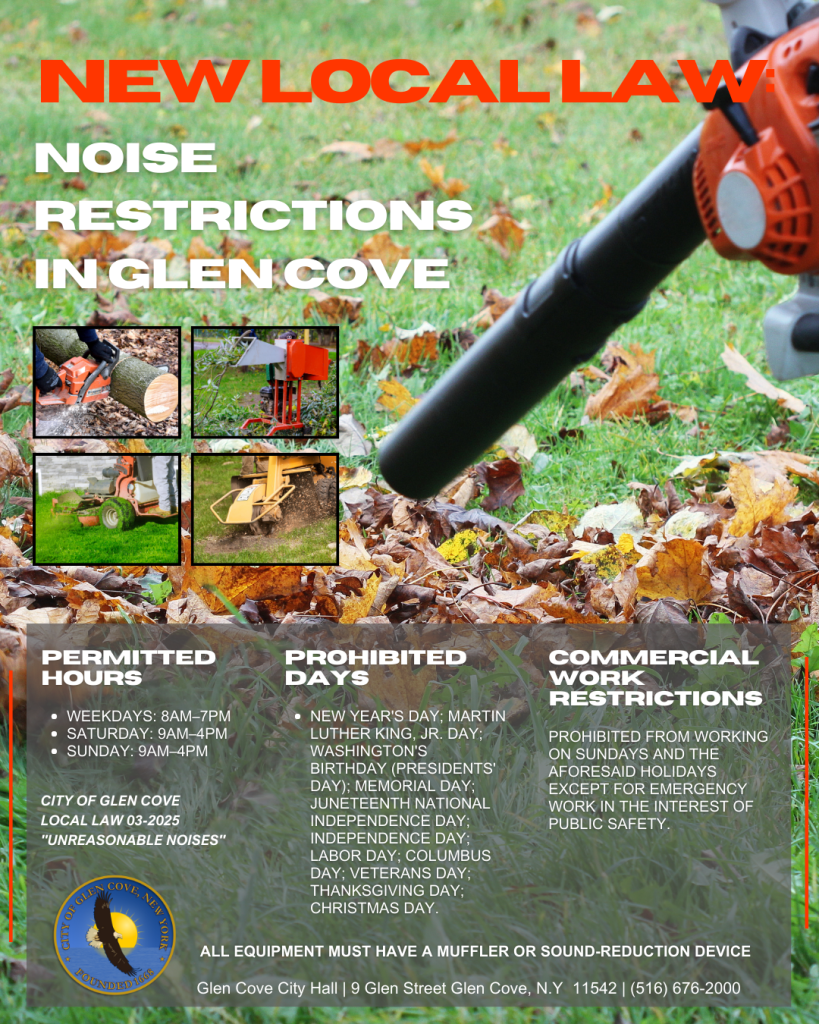
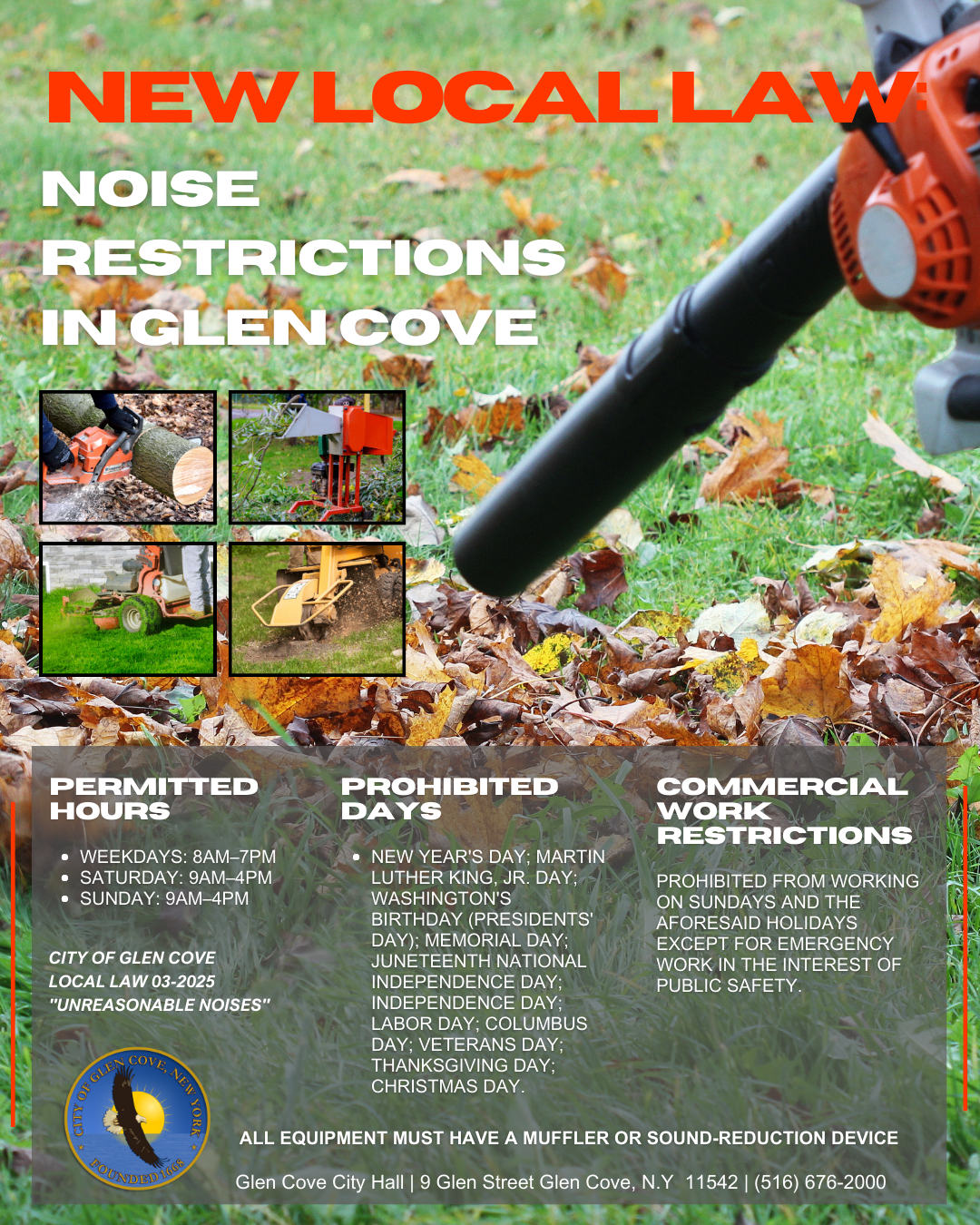
Leaf blower noise regulations are rules that limit when, where, and how loud leaf blowers can run. These rules may set maximum decibel levels, restrict hours of use, or ban certain engine types. They aim to reduce annoyance, protect health, and preserve quiet in neighborhoods and public places.
Key elements you’ll commonly see:
- Decibel limits measured in A-weighted decibels (dB(A))
- Time-of-day restrictions and quiet hours
- Equipment standards, such as bans on gas-powered blowers
- Permit or licensing requirements for commercial operators
Leaf blower noise regulations vary a lot by place. Always check local codes before buying or running equipment.
Why leaf blower noise regulations matter
Noise from leaf blowers affects more than comfort. It can harm hearing, raise stress, and disrupt sleep. Short, repeated exposure to loud blowers adds up for workers and neighbors.
Benefits of regulations include:
- Better public health and lower stress
- Clear expectations for landscapers and homeowners
- Reduced complaints and neighborhood conflict
- Incentive to adopt quieter, cleaner equipment
Regulating noise also ties into air quality and public policy. When rules favor electric blowers, communities often see fewer emissions and less maintenance cost for landscapers.
How noise is measured and what limits mean
Regulations usually rely on decibel measures. The most common metric is dB(A), which weights sound like the human ear hears it. Rules may refer to sound level at the operator’s ear or at a fixed distance, such as 50 feet.
Typical measurement notes:
- dB(A) captures perceived loudness. Lower is quieter.
- Sound power vs sound pressure: ordinances mostly use sound pressure.
- Measurement distance matters. A blower rated at 70 dB at 50 feet may be much louder closer in.
- Some laws require specific testing methods and calibrated meters.
Understanding these details helps you pick compliant tools and avoid fines. If you plan to test equipment, use a calibrated meter and follow the local standard stated in the ordinance.

Where rules come from: federal, state, and local roles
There is no single federal limit that covers residential leaf blower noise nationwide. Most regulation happens at state, county, and city levels. That means rules differ by location and are often shaped by local complaints and priorities.
What to expect by jurisdiction:
- Federal role is limited; focus is often on vehicle and industrial standards.
- States may issue guidance or broader restrictions.
- Cities and counties typically adopt specific noise ordinances, permit rules, or equipment bans.
Because rules are local, I always tell clients to read municipal codes or call the local noise control office before operating landscape equipment.
Enforcement, penalties, and typical compliance steps
Enforcement ranges from warnings to fines and equipment seizure. Enforcement may be complaint-driven or part of scheduled inspections. Commercial operators usually face stricter oversight.
Common enforcement outcomes:
- First-time warning followed by fines on repeat offense
- Fines that scale by severity or repeat violations
- Permits revoked for chronic noncompliance
- Required equipment upgrades for businesses
To comply quickly:
- Know your local decibel and timing rules
- Use quieter equipment during restricted hours
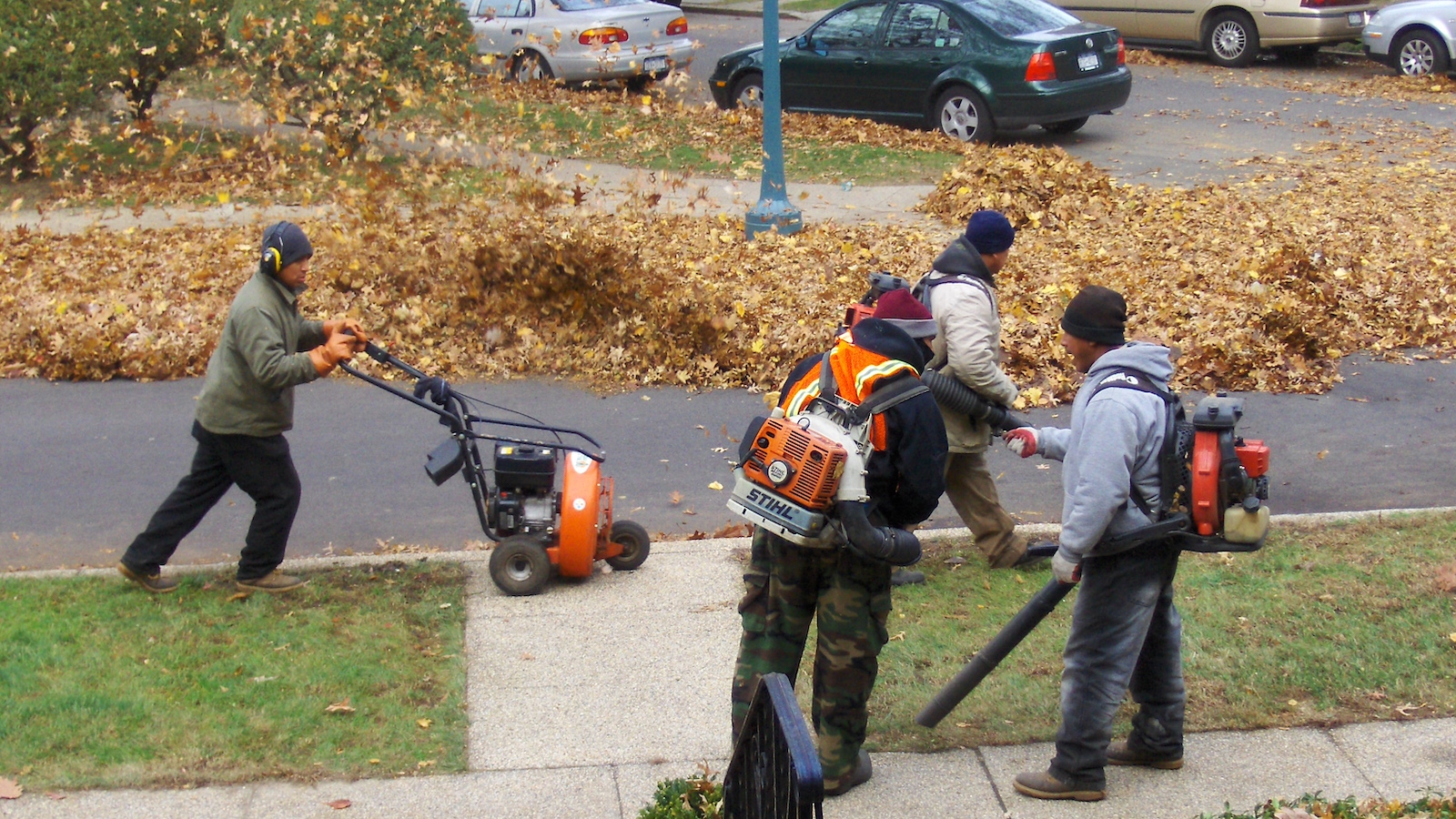
- Train crews on noise etiquette and routes that minimize neighbor disruption
Quieter alternatives and best practices
If you want to cut noise and comply with leaf blower noise regulations, you have many options. Switching tools and tactics removes conflict and often saves long-term money.
Practical alternatives:
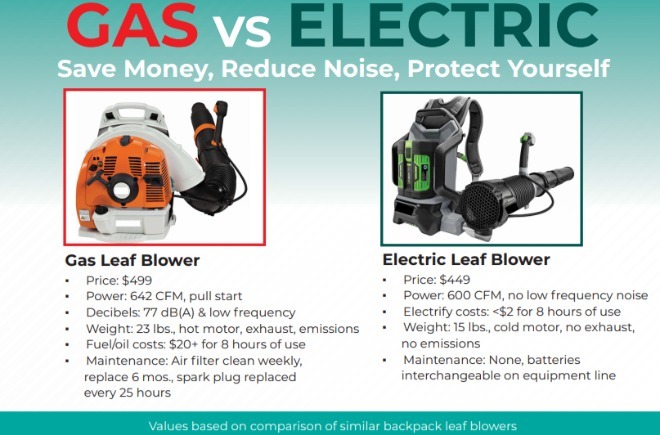
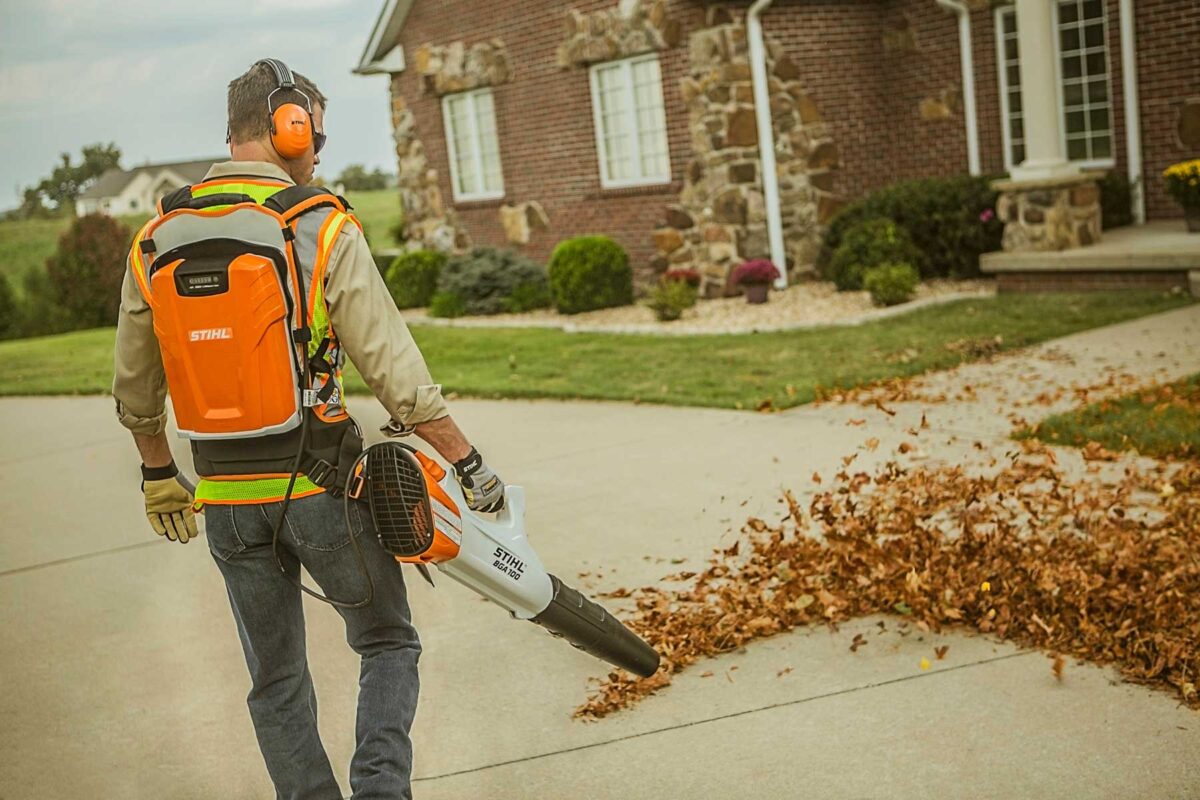
- Use electric, cordless blowers that run quieter and cleaner
- Choose blowers with lower dB(A) ratings and variable speed
- Use rakes, brooms, and mulching mowers for sensitive areas
- Schedule noisy tasks during permitted hours and inform neighbors
- Apply leaf collection methods that limit repeated passes
I once switched an entire crew from gas to battery units. Noise complaints dropped within a month. The team worked more smoothly and neighbors thanked us.
Buying and maintaining compliant equipment
When you shop, check sound ratings and real-world reviews. Manufacturers list dB(A) numbers, but look for independent tests where possible.
Buying checklist:
- Confirm the dB(A) rating and test distance
- Prefer adjustable speed controls to reduce power and noise when full power is not needed
- Look for manufacturer specs that follow common testing standards
- Keep mufflers, covers, and intake screens in good condition
Maintenance tips:
- Regularly clean filters and spark plugs on gas models to reduce strain and noise
- Replace worn mufflers promptly
- Train staff to use throttle control, not full blast all the time
Costs, benefits, and economic considerations
Upgrading to quieter equipment has upfront costs. Batteries and electric models can cost more upfront than cheap gas blowers. Yet, operating costs and long-term benefits often outweigh those initial expenses.
Considerations:
- Electric blowers have lower fuel and maintenance expenses
- Quieter tools reduce customer complaints and potential fines
- Healthier crews and fewer sick days can improve labor productivity
- Grants or local incentives sometimes offset upgrade costs
Weigh total cost of ownership rather than sticker price alone. In many cases, quieter gear pays back over a few seasons.
My experience with leaf blower noise regulations
I’ve helped small landscapers and HOAs navigate local leaf blower noise regulations. One landscape company I advised cut fines to zero after a switch to electric equipment and new crew protocols. The move took planning, staff training, and a small investment in battery packs.
Lessons learned:
- Start by mapping local rules and busy neighbor areas
- Pilot quieter gear on a few routes first
- Train crews on throttle control and timing
- Communicate changes to customers and neighbors to reduce complaints
These steps made compliance simple and improved business reputation.
Common search questions about leaf blower noise regulations
Q: Can my town ban gas-powered leaf blowers?
A: Yes. Many local governments have authority to ban or restrict certain equipment. Check local municipal code for specific prohibitions or phase-outs.
Q: What decibel level is allowed for leaf blowers?
A: Limits vary. Some ordinances set limits near 65 to 75 dB(A) at specified distances. Local rules define the exact number and measurement method.
Q: Are commercial landscapers regulated differently?
A: Often yes. Commercial operators may face stricter hours, permit needs, and fines. Businesses should review commercial clauses in local ordinances.
Q: How should I measure blower noise?
A: Use a calibrated sound meter and follow the measurement distance in the local ordinance. Record conditions like wind and background noise for accuracy.
Q: Do electric blowers always meet noise rules?
A: Electric blowers are usually quieter, but not always compliant if used improperly or near sensitive receptors. Check the dB(A) rating and operate at lower speed when possible.
Frequently Asked Questions of Leaf blower noise regulations
What is the typical fine for violating leaf blower noise regulations?
Fines vary widely by jurisdiction and violation history. Expect warnings first, then escalating fines for repeated offenses.
Can a homeowner be fined for a leaf blower complaint?
Yes. Homeowners can receive fines if they violate local noise ordinances. Many areas try warnings first, but rules vary.
Are time-of-day restrictions common in ordinances?
Very common. Many codes restrict early morning and late evening use to protect quiet hours. Check local quiet hour definitions.
Do landscapers need a permit to use leaf blowers?
Some cities require permits or registration for commercial landscape equipment. Permit rules depend on local ordinances and business type.
Is there federal regulation on leaf blower noise?
Federal oversight is limited. Most detailed rules are set by states, counties, or cities. Local codes are the primary source for compliance.
How can I reduce complaints from neighbors?
Communicate schedules, use quieter equipment, avoid repeated passes, and respect quiet hours. Simple courtesy goes a long way.
Will switching to electric reduce my liability?
Switching often reduces noise-related complaints and may lower fines. It also improves air quality and reduces maintenance needs for your fleet.
Conclusion
Leaf blower noise regulations set clear limits on loud, disruptive equipment to protect health, quiet, and community life. They vary by place and often focus on decibel levels, hours of use, and equipment type. The best approach is to learn your local rules, choose quieter equipment, train crews, and be proactive with neighbors. Start by checking local ordinances, testing quieter tools on a route, and communicating changes. Take action now to reduce noise, avoid fines, and build better community relations. Leave a comment with your local rules or experiences, or subscribe for updates and practical guides on quieter landscaping.

