

A lawn sweeper quickly clears leaves, grass clippings, and debris to keep lawns healthy and tidy.
I’ve spent years caring for yards and testing tools, so I know the value of smart lawn care. This article explains the benefits of using a lawn sweeper, how it works, who should use one, and real tips from my experience. Read on to learn how a lawn sweeper can save time, improve turf health, and make seasonal cleanup easier.
Why choose a lawn sweeper?
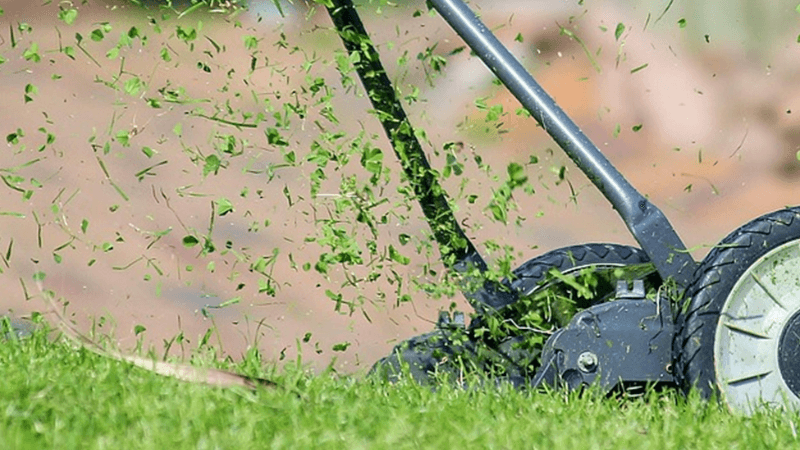
A lawn sweeper is a simple machine that picks up surface debris without scalping soil. Many homeowners and landscapers prefer one because it handles leaves, seed pods, pine needles, and grass clippings fast. The benefits of using a lawn sweeper go beyond neatness; they include time savings, better mower performance, and healthier grass.
Top benefits of using a lawn sweeper
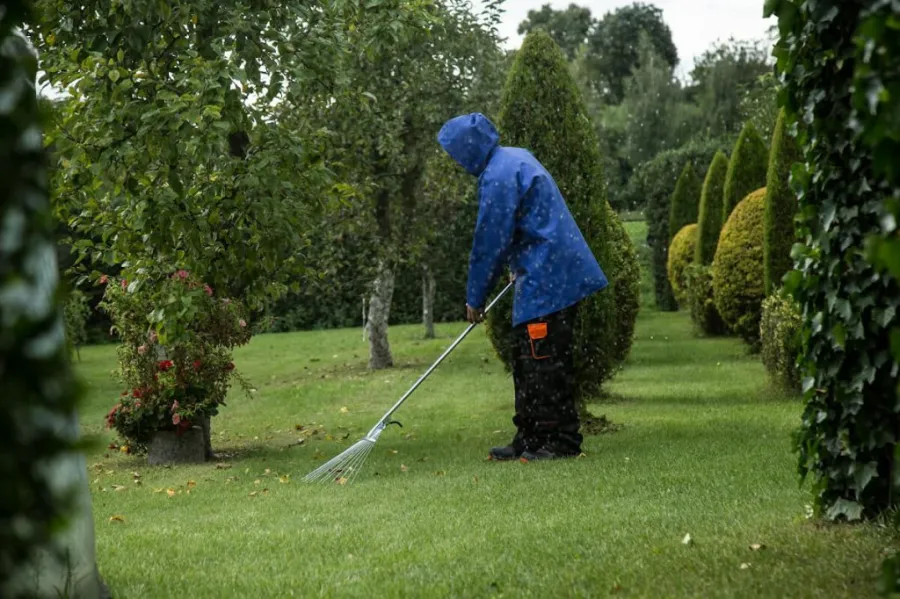
Here are the clear, practical benefits of using a lawn sweeper. Each point shows how this tool adds value to yard care.
-
Saves time and labor
A lawn sweeper covers large areas quickly. You spend less time raking and more time enjoying your yard. The benefits of using a lawn sweeper include cutting cleanup time by half or more. -
Protects lawn health
Removing excess leaves and clippings prevents smothering. This reduces disease risk and helps grass get light and air. Healthy turf is one of the primary benefits of using a lawn sweeper. -
Improves mower efficiency
Clean turf means less clogging and better cuts. Your mower runs cooler and uses less fuel or battery power. That’s an indirect benefit of using a lawn sweeper that saves money over time. -
Reduces thatch and debris build-up
Regular sweeping keeps debris from piling up and forming thick thatch layers. This promotes better water and nutrient penetration. The long-term benefits of using a lawn sweeper include lower maintenance costs. -
Better curb appeal
A swept lawn looks tidy and well cared for. This small change boosts property appearance and value. The visual benefits of using a lawn sweeper are simple but powerful. -
Environmentally friendly
Picking up leaves and clippings reduces the need for bagging and hauling to the dump. It also cuts down on emissions when you avoid extra mower runs. These sustainability benefits of using a lawn sweeper add up over a season. -
Versatility for seasons and tasks
You can sweep in fall, spring, and after mowing. Some models collect small rocks and seed pods too. This multi-use nature is a practical benefit of using a lawn sweeper.
How a lawn sweeper works
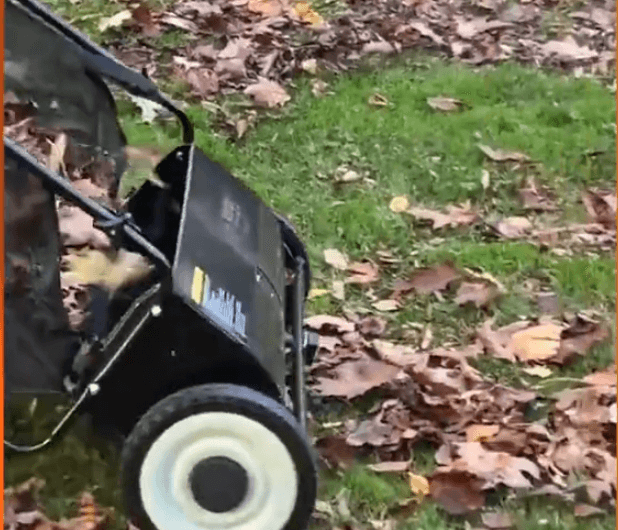
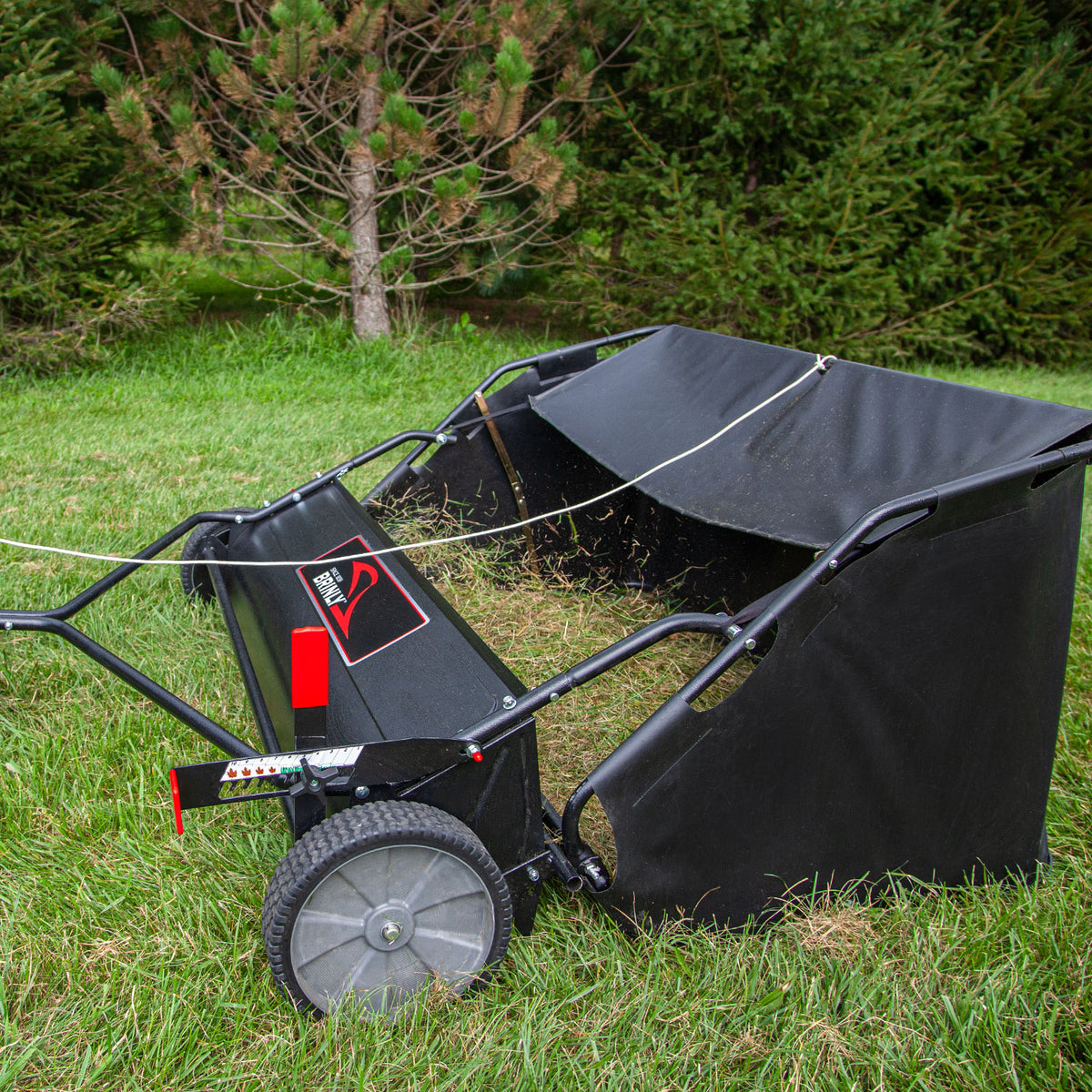
Most lawn sweepers use rotating brushes that lift debris into a hopper as you push or tow the unit. The brushes turn at ground level and feed the collected material into a collector bag. You can empty the hopper into compost bins or yard waste bags.
Key mechanics to know:
- Brush drive: either ground-driven or power-driven for tougher debris.
- Hopper capacity: choose larger hoppers for big yards to reduce trips to empty.
- Height adjustment: lets you avoid scalping and sweep close to the turf.
Understanding these parts helps you pick the right tool and get the above benefits of using a lawn sweeper every time.
Types of lawn sweepers and which fits your yard
Different sweepers suit different needs. Picking the right type maximizes the benefits of using a lawn sweeper.
-
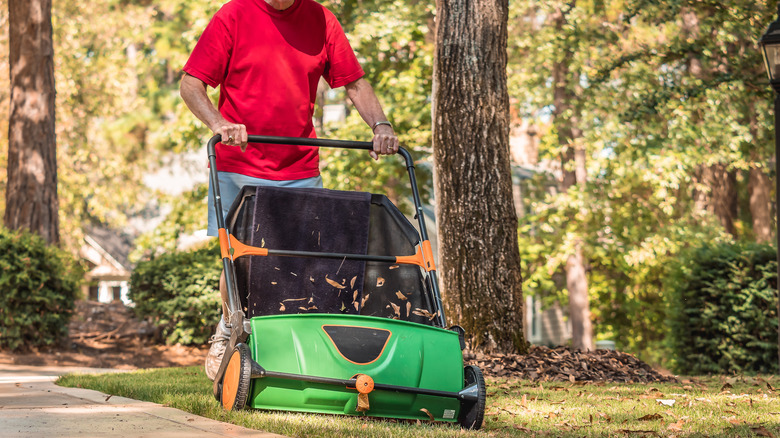
Push sweepers
Light and inexpensive. Best for small yards and flat lawns. Easy to store and simple to use. -
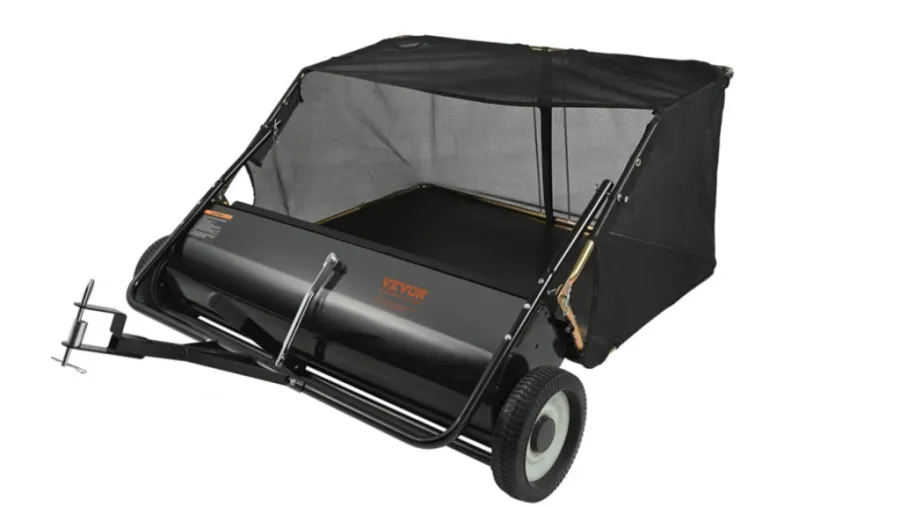
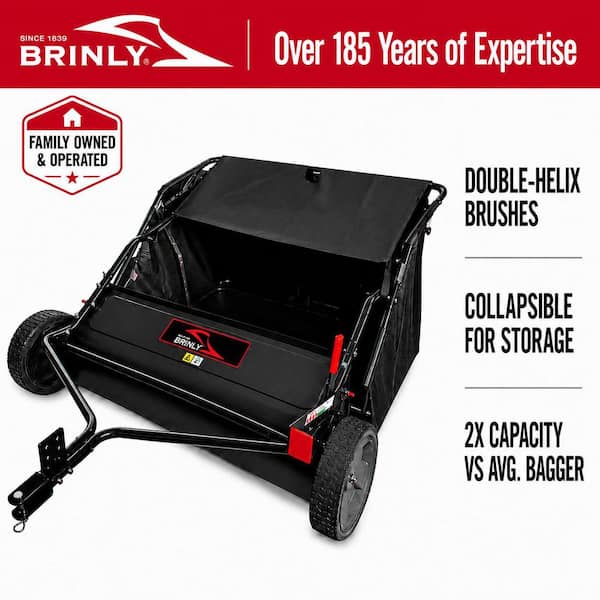
Tow-behind sweepers
Attach to a garden tractor or ATV. Great for mid-size to large lawns. They increase efficiency and hopper size. -
Self-propelled and powered sweepers
Use a motor to turn brushes. Good for heavy debris and uneven terrain. They cost more but save effort.
Match the sweeper type to yard size, terrain, and debris type to get the full benefits of using a lawn sweeper.
How to choose the right lawn sweeper
Selecting the right sweeper means focusing on four main points. These ensure you actually get the benefits of using a lawn sweeper.
-
Yard size and terrain
Bigger yards need tow-behind or larger hoppers. Hilly lawns may benefit from power-driven brushes. -
Debris type
Leaves and grass clippings are easy. Pine needles or small stones need stronger brushes and a finer collection system. -
Durability and parts availability
Choose brands with replaceable parts and good warranties for long-term use. A reliable sweeper keeps delivering benefits over years. -
Budget and storage
Balance cost with how often you’ll use it. Compact models store easily in small sheds.
Maintenance tips to keep benefits high
A little care keeps your sweeper working well. That maintains the benefits of using a lawn sweeper season after season.
- Clean brushes and hopper after use to prevent clogging.
- Inspect drive gears and belts for wear and replace as needed.
- Store indoors or cover to protect from weather.
- Sharpen any cutting edges and check height adjustments regularly.
Routine maintenance makes each cleanup faster and ensures steady benefits of using a lawn sweeper.

Real-world experience and practical tips
I’ve used push and tow-behind sweepers on clay and sandy soils. My key lessons:
- Sweep after dew dries but before leaves pile up. Wet leaves stick and reduce efficiency.
- Empty the hopper frequently to keep brush contact strong. Full hoppers slow the brush action.
- Combine sweeping with aeration in spring for best turf recovery.
One mistake I made early on was choosing a small hopper for a large yard. That cost time. Upgrading to a tow-behind later saved hours and proved the benefits of using a lawn sweeper in practice.
Frequently Asked Questions of What are the benefits of using a lawn sweeper?
What exactly does a lawn sweeper pick up?
A lawn sweeper picks up leaves, grass clippings, seed pods, pine needles, and small debris from the turf surface. It is not meant for large branches or heavy trash.
How often should I use a lawn sweeper?
Use a lawn sweeper weekly during heavy leaf fall and after major mowing sessions. Regular use prevents debris accumulation and keeps the benefits of using a lawn sweeper consistent.
Can a sweeper damage my grass?
A properly adjusted sweeper should not damage grass. Set the brush height so it contacts debris but does not scalp the turf to protect the lawn.
Is a lawn sweeper better than raking?
A lawn sweeper saves time, reduces physical strain, and covers larger areas faster than raking. It also collects fine debris that rakes can miss.
Do I need a tow-behind for a big yard?
Tow-behind sweepers are efficient for large yards since they have bigger hoppers and cover more ground quickly. They deliver stronger benefits of using a lawn sweeper for property owners with acreage.
Conclusion
A lawn sweeper is a smart, time-saving tool that improves lawn health, boosts curb appeal, and reduces manual work. By choosing the right model, maintaining it, and using it regularly, you unlock the many benefits of using a lawn sweeper for seasons to come. Try one during your next cleanup and see how much easier yard care can be—share your experience, subscribe for more tips, or leave a comment with your questions.

