

Regular cleaning, fuel care, and routine checks keep a leaf blower reliable and long-lasting.
I’ve maintained leaf blowers for years, from small battery models to two-stroke gas machines. This guide explains exactly how do you maintain a leaf blower, with clear steps, real-world tips, and pro-level checks. Read on to learn simple routines and troubleshooting tricks that save time, avoid costly repairs, and keep your blower working when you need it most.

Why regular maintenance matters
Keeping a blower tuned saves money and prevents headaches. A well-maintained machine runs better, uses less fuel, and lasts longer.
Regular maintenance improves safety. Dirty filters, bad fuel, or loose parts can cause poor performance or hazards.
I’ve seen neglected blowers die mid-job. Learning how do you maintain a leaf blower early avoids that. Follow basic checks and small habits to keep yours ready.

Daily and pre-use checklist
Do these quick checks every use to avoid damage and downtime.
- Inspect housing for cracks or loose screws. Tighten as needed.
- Check the air intake and exhaust for blockages. Clear leaves or debris.
- Verify fuel or battery level before starting. Top up fuel or charge battery.
- Look for oil leaks or strong fuel smells. Stop and fix leaks before use.
- Test the throttle and safety switches. Ensure smooth, consistent response.
Doing these steps helps you maintain a leaf blower by catching small issues early.
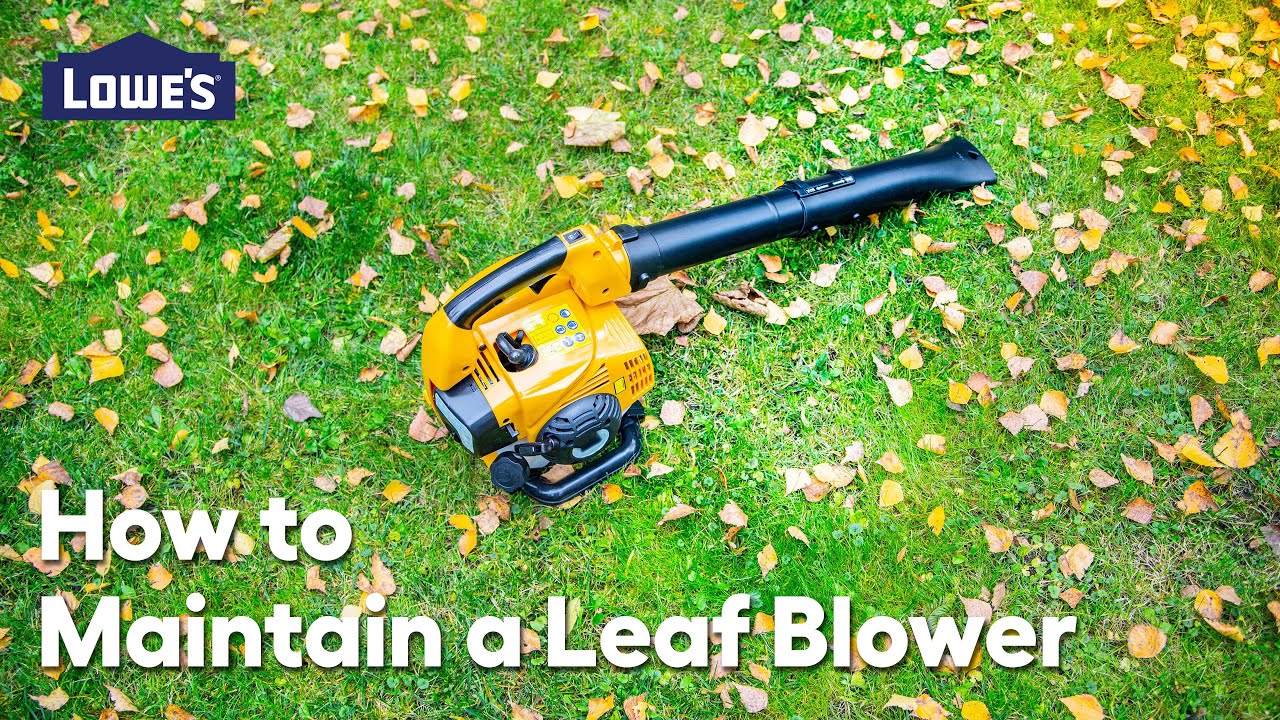
Cleaning and basic care: step-by-step
Cleaning is the easiest way to extend life. Here’s a simple routine you can do after each major use.
- Remove debris from the blower tube and fan housing using a soft brush or compressed air.
- Wipe external surfaces with a damp cloth. Avoid soaking electrical parts.
- Clean the air intake screen and guard. A clogged screen reduces power and stresses the engine.
- Inspect and remove packed leaves from the outlet and cooling fins. Overheating follows blocked airflow.
- For gas models, clean around the carburetor and muffler area to avoid buildup of residue.
In my experience, a quick clean after heavy leaf blow days prevents clogs that cause stalling. Regular cleaning is central to how do you maintain a leaf blower.
Engine and fuel care for gas blowers
Proper fuel and simple engine checks keep a gas blower healthy.
- Use fresh gasoline mixed correctly for two-stroke engines. Follow the manufacturer’s ratio exactly.
- Add fuel stabilizer if you expect to store fuel longer than 30 days. Stabilizer prevents varnish in the carburetor.
- Replace the spark plug yearly or when the engine runs rough. A clean gap is essential for ignition.
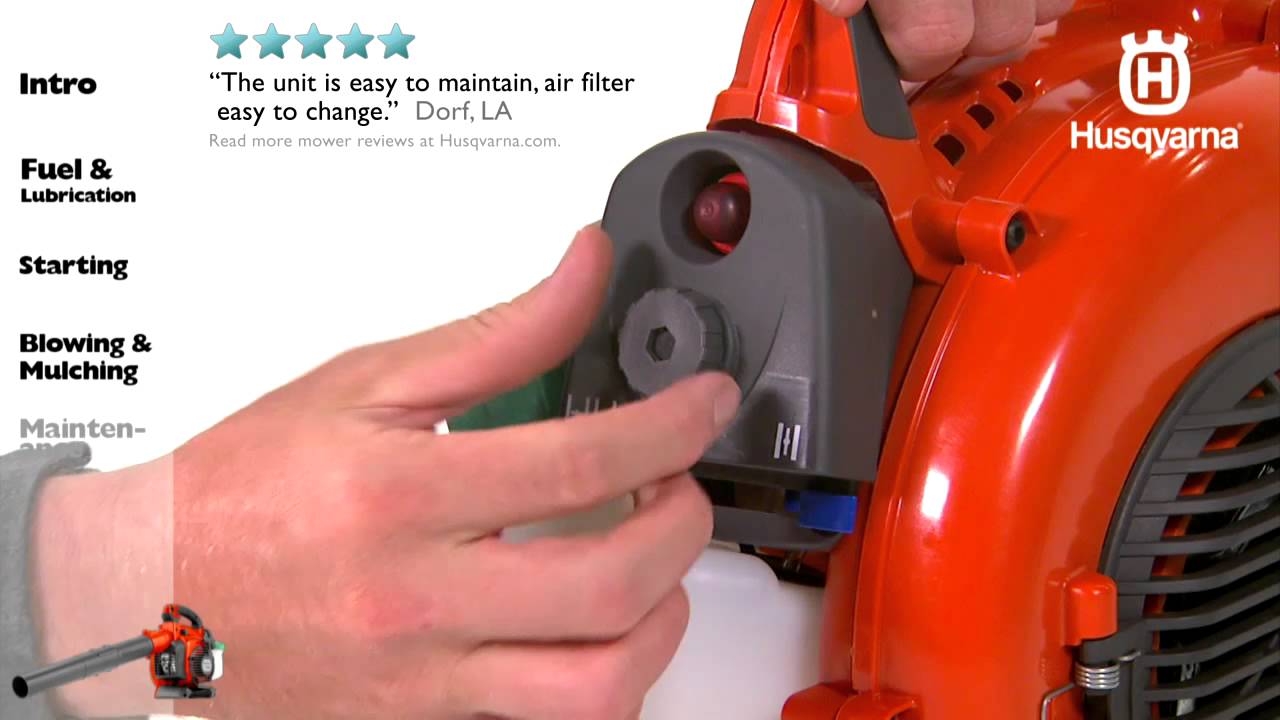
- Clean or replace the air filter regularly. A dirty filter reduces power and increases wear.
- If the engine runs poorly, clean the carburetor or have it serviced. Small jets clog easily from old fuel.
I learned the hard way that stale gas ruins small engines. If you’re unsure how do you maintain a leaf blower’s carburetor, schedule a pro tune-up once a year.

Battery-powered blowers: battery care and charging
Battery models need different care but are simpler in many ways.
- Charge batteries fully before storing. Avoid leaving batteries discharged for long periods.
- Store batteries at cool room temperature and about 40–60% charge for long-term storage.
- Use manufacturer chargers only. Fast-charging with wrong chargers can reduce lifespan.
- Inspect battery contacts for corrosion and clean with a dry cloth if needed.
- Rotate batteries in heavy use to avoid deep cycling one pack continually.
Proper battery care is key to how do you maintain a leaf blower if it’s electric. Treat batteries gently to keep runtime steady.

Storage and off-season care
Good storage prevents damage and reduces spring problems.
- For gas blowers, run the engine dry or add fuel stabilizer and run to distribute it. Drain the carburetor if storing long-term.
- Remove the battery on electric models and store it separately in a cool, dry place.
- Clean and dry the blower thoroughly before storage to prevent mold and corrosion.
- Keep the blower indoors on a shelf or rack away from direct sunlight and moisture.
- Label items and keep a small maintenance log for dates of filter changes, spark plug swaps, and fuel treatment.
Following these steps shows you exactly how do you maintain a leaf blower through winter and idle periods.
Troubleshooting common problems
Here are fast fixes for the issues you will most often see.
- Blower won’t start: Check fuel or battery, spark plug, and air filter. Replace faulty parts.
- Loss of power: Clean air filter, check for clogged tube, inspect fuel quality.
- Stalling or rough idle: Clean carburetor, make sure choke is correct, and replace spark plug.
- Overheating: Clear cooling fins and intake, reduce continuous high-throttle use.
- Excessive vibration: Tighten loose screws, inspect impeller or fan for damage.
PAA-style questions
What should I check first if my blower won’t start?
Start with fuel or battery, then check the spark plug and air filter. These are the most common simple fixes.
How often should I change the air filter?
Change a foam or paper air filter at least once a season, or sooner if you use the blower in dusty conditions. Clean reusable filters monthly.
Can stale fuel damage my blower?
Yes. Stale fuel can gum the carburetor and cause hard starting. Use fresh fuel or stabilizer to prevent this.
When to call a pro and scheduled servicing
Some tasks are best left to trained technicians.
- Schedule a professional tune-up yearly for gas models, including carburetor cleaning and compression checks.
- Bring the blower to a shop if internal damage, persistent stalling, or fuel system problems occur.
- If you detect strange noises, burnt smells, or smoke, stop using the machine and get expert help.
I take my gas blowers for service yearly. It catches issues I would miss and keeps the blower reliable. Knowing when to call a pro is part of how do you maintain a leaf blower responsibly.
Frequently Asked Questions of How do you maintain a leaf blower?
How often should I clean the air filter?
Clean the air filter after every 10–20 hours of use or monthly in dusty conditions. Replace it if it shows tears or does not clean well.
What fuel mix should I use for a two-stroke blower?
Follow the manufacturer’s exact fuel-to-oil ratio, usually 50:1 or 40:1. Use high-quality two-stroke oil to protect the engine.
Can I use regular gasoline in a four-stroke blower?
Yes, use fresh, recommended octane gasoline for a four-stroke blower and change oil per the manual. Avoid ethanol blends when possible.
How should I store a battery-powered blower for winter?
Remove the battery and store it at about 40–60% charge in a cool, dry spot. Recharge periodically to prevent deep discharge.
What are signs my blower needs professional service?
Persistent loss of power, fuel leaks, heavy smoke, or unusual noises indicate professional service is needed. Don’t delay repairs that affect safety.
Conclusion
Regular care keeps your blower ready, safe, and efficient. Learn the simple daily checks, clean and store parts properly, treat fuel and batteries right, and seek pro help when needed. These steps show you how do you maintain a leaf blower without stress, and they prevent costly repairs.
Take one small action today: run the quick pre-use checklist and add a maintenance date to your calendar. If this guide helped, subscribe for more gear care tips or leave a comment with your blower questions.

