

Most upright vacuum filters need cleaning every 1 to 3 months, depending on use and dust levels.
If you want your vacuum to keep pulling dirt instead of blowing weak air around, filter care matters more than most people think. I’ve seen plenty of upright vacuums lose suction simply because the filter was overdue for a clean, and the fix was often easy once the filter got attention. In this guide, I’ll show you how often should you clean an upright vacuum filter, what changes that schedule, and how to keep your vacuum working like it should.

What an upright vacuum filter actually does
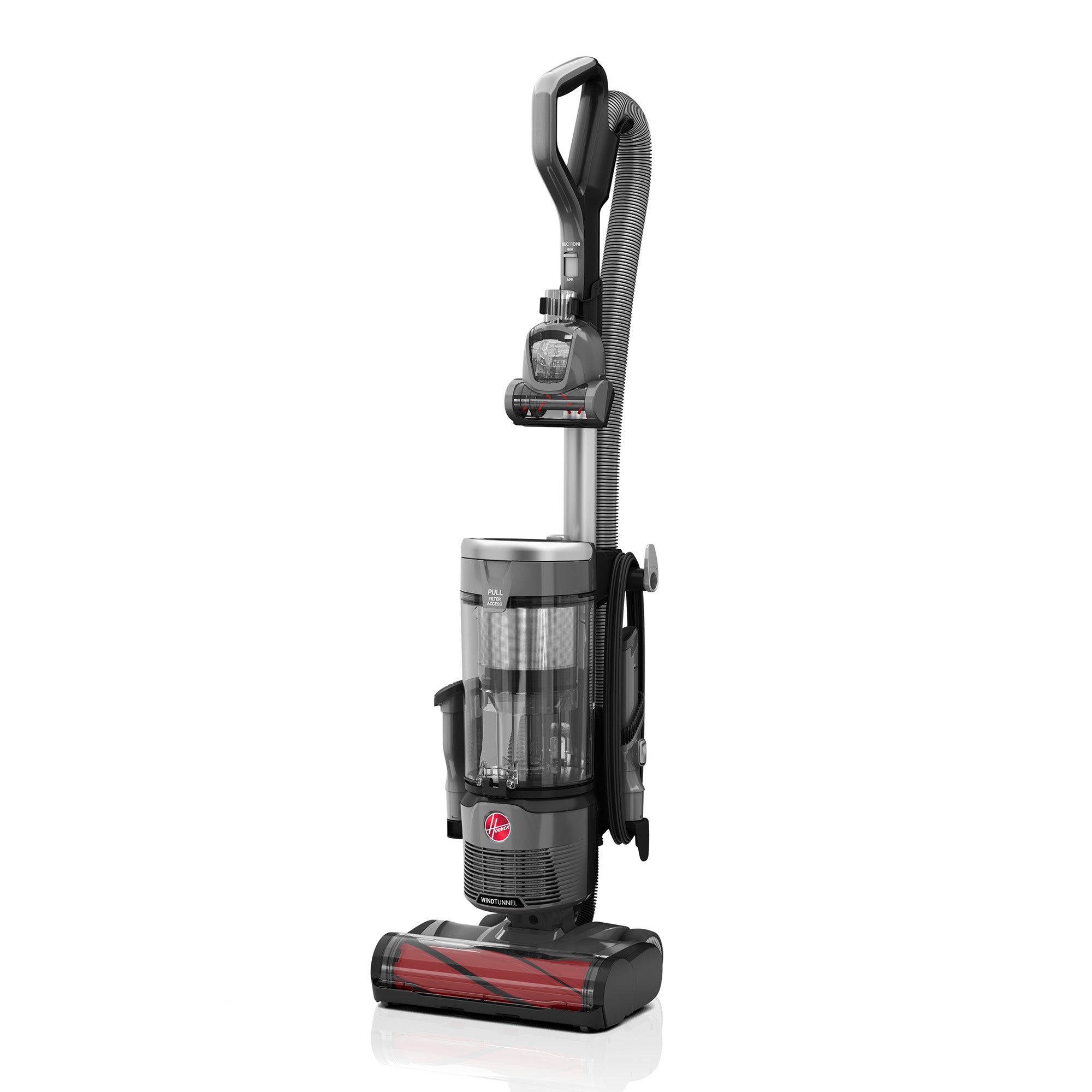
An upright vacuum filter catches fine dust, pet dander, pollen, and tiny debris that escape the dust bin or bag. It protects the motor and helps keep the air coming out of the vacuum cleaner.
When the filter gets clogged, airflow drops. That is usually when people start saying their vacuum “lost suction,” even though the motor may still be fine. In many cases, the filter is the real issue.
Most upright vacuums use one or more filters, such as:
- Pre motor filters, which protect the machine’s internal parts
- Post motor or exhaust filters, which help trap fine particles before air leaves the vacuum
- HEPA filters, which are designed to capture very small particles
If you clean your vacuum on a regular schedule, the machine works better, smells fresher, and lasts longer.
How often should you clean an upright vacuum filter?
The short answer is this: how often should you clean an upright vacuum filter depends on use, but monthly cleaning is a strong default for most homes.
A practical cleaning schedule looks like this:
- Light use, small home, little dust: every 2 to 3 months
- Regular weekly use: every 1 to 2 months
- Heavy use, pets, kids, or allergies: every 2 to 4 weeks
- Very dusty homes or frequent deep cleaning: weekly to biweekly checks
I usually tell people to check the filter more often than they think they need to. A quick visual check can save you from a weak vacuum and a longer cleaning session later. If the filter looks gray, packed with dust, or smells musty, it is probably time.
Some vacuum brands recommend washing foam or felt filters every 30 days and replacing certain HEPA filters every 6 to 12 months. Always check the manual, because the right answer can vary by model.
What changes how often you should clean it?
Several real-life factors affect how often should you clean an upright vacuum filter. A vacuum in a clean apartment will not work as hard as one in a busy home with pets and carpets.
Here are the biggest factors:
- Pet hair and dander: These fill filters quickly, especially in homes with multiple pets.
- Carpet type: Thick carpet traps more debris, which means more dust reaches the filter.
- Allergy concerns: If someone in the home has asthma or allergies, more frequent cleaning helps keep air cleaner.
- Vacuuming frequency: Daily vacuuming calls for a tighter cleaning schedule than once-a-week use.
- Household dust levels: Older homes, dry climates, and renovation dust can clog filters faster.
- Bagless vs bagged vacuums: Bagless models often send more fine dust toward the filter.
I learned this the hard way in a home with two shedding dogs. Even when the bin looked only half full, the filter was already coated with fine fur dust. The vacuum still turned on, but it sounded strained and pushed less air than usual.
Signs your upright vacuum filter needs cleaning now
You do not always need a calendar reminder. Your vacuum often tells you when the filter is overdue.
Watch for these signs:
- Weak suction
- Dust blowing out of the vacuum
- A hot or burning smell
- The vacuum sounds louder or strained
- Dirt left behind after several passes
- The brush roll works, but pickup is poor
- The machine feels hotter than normal
If you notice one or more of these, check the filter before anything else. A clogged filter is one of the easiest problems to fix, and it often makes a big difference right away.
How to clean an upright vacuum filter safely
The exact method depends on the filter type. Some filters can be washed, while others should only be tapped or brushed clean.
Follow these general steps:
- Turn off and unplug the vacuum.
- Remove the filter according to the manual.
- Tap loose dust into a trash can.
- Use a soft brush to remove stuck debris if needed.
- Wash only if the filter is labeled washable.
- Let washable filters dry fully before reinstalling.
- Put the filter back only when it is completely dry.
A big mistake I see often is putting a damp filter back too soon. That can cause mildew, bad smells, and even motor damage in some models. If the manual says 24 hours to dry, give it the full time.
For nonwashable filters, do not rinse them unless the manufacturer says it is safe. Some HEPA filters and specialty filters lose effectiveness when washed.
How to care for washable vs nonwashable filters
Not every upright vacuum filter is cleaned the same way. Knowing the difference helps avoid damage.
Washable filters:
- Usually made of foam, felt, or certain synthetic materials
- Can often be rinsed with cool water
- Need full air drying before reuse
- Should not be washed with soap unless the manual allows it
Nonwashable filters:
- Often include some HEPA filters or fine paper-style filters
- Should be tapped, brushed, or replaced
- Can be damaged by water
- May need more frequent replacement than cleaning
A good rule is simple: if the manual does not clearly say “wash,” treat the filter as nonwashable. That saves you from shortening the life of the vacuum.
How often should you replace an upright vacuum filter?
Cleaning helps, but filters do not last forever. Even if you clean an upright vacuum filter often, it will eventually wear out.
Typical replacement timing:
- Foam or felt filters: every 6 to 12 months, depending on use
- HEPA filters: every 6 to 12 months, sometimes sooner in heavy-use homes
- Cartridge or specialty filters: follow the manufacturer’s timeline
Replace the filter sooner if:
- It stays dirty even after cleaning
- It has tears or cracks
- It smells bad after drying
- Suction does not improve after cleaning
Think of it like a coffee filter used too many times. At some point, cleaning is no longer enough. The material just starts to break down.
Why regular filter cleaning improves performance
When people ask how often should you clean an upright vacuum filter, they usually want better suction. That is the main benefit, but not the only one.
Regular cleaning can help:
- Keep suction strong
- Improve airflow
- Reduce motor strain
- Cut down on bad odors
- Extend vacuum life
- Support better indoor air quality
This is especially useful in homes with pets, carpets, or allergy concerns. The vacuum does less fighting when air moves freely through the system. That makes the whole machine feel newer.
Common mistakes to avoid
Over the years, I have noticed a few mistakes that cause most filter problems.
Avoid these:
- Waiting until suction is almost gone
- Washing a filter that is not washable
- Reinstalling a damp filter
- Ignoring the vacuum manual
- Forgetting to empty the dust bin or bag first
- Using the vacuum with a torn filter
One common pattern is people cleaning the filter but skipping the rest of the vacuum. A full dust bin, tangled brush roll, or blocked hose can also reduce suction. The filter is important, but it works best when the whole system is clean.
A simple maintenance routine that works
If you want an easy habit, this is the routine I recommend:
- Empty the dust bin or replace the bag after each major cleaning session
- Check the filter every 2 to 4 weeks
- Clean washable filters once a month or as needed
- Replace filters on schedule
- Inspect hoses and brush rolls at the same time
This takes only a few minutes, but it keeps the vacuum in much better shape. I like pairing filter checks with another routine task, like trash day or payday, so it becomes automatic.
Frequently Asked Questions of How often should you clean an upright vacuum filter?
How often should you clean an upright vacuum filter if you have pets?
If you have pets, check the filter every 2 to 4 weeks and clean it as needed. Pet hair and dander clog filters faster, so regular checks help keep suction strong.
Can I wash every upright vacuum filter?
No, not every filter is washable. Some filters can be rinsed, but others, especially certain HEPA or paper-style filters, should only be tapped or replaced.
What happens if I do not clean the filter?
A dirty filter can lower suction, make the vacuum run hotter, and spread dusty air back into the room. Over time, it can also put extra strain on the motor.
How do I know if my vacuum filter is fully dry?
The filter should feel dry to the touch and have no cool or damp spots. If you are unsure, give it more drying time, since even a little moisture can cause odor or mold.
Should I clean the filter before or after emptying the vacuum bin?
Empty the bin first, then clean the filter. That helps stop loose dirt from moving back into the filter area while you work.
Conclusion
Knowing how often should you clean an upright vacuum filter can make a big difference in how your vacuum performs day to day. For most homes, a monthly check is a smart starting point, but pet hair, carpet, allergies, and heavy use may call for more frequent cleaning.
The best habit is simple: check often, clean carefully, and replace the filter when it wears out. If you want stronger suction and a longer-lasting vacuum, start with the filter and make it part of your regular home routine.


1 Comment
Pingback: How Do You Clean An Upright Vacuum Brush Roll: Easy Steps - Vacuum Cleaner Tips