

You clean an upright vacuum brush roll by unplugging it, removing tangled debris, washing it if allowed, and drying it fully.
If you have ever noticed your vacuum leaving lint, hair, or crumbs behind, the brush roll is usually the first place to check. I’ve found that a clogged brush roll is one of those small problems that quietly turns into weak suction and poor cleaning fast. In this guide, I’ll walk you through how to clean an upright vacuum brush roll the right way, what to avoid, and how to keep it working like it should.
What an upright vacuum brush roll does
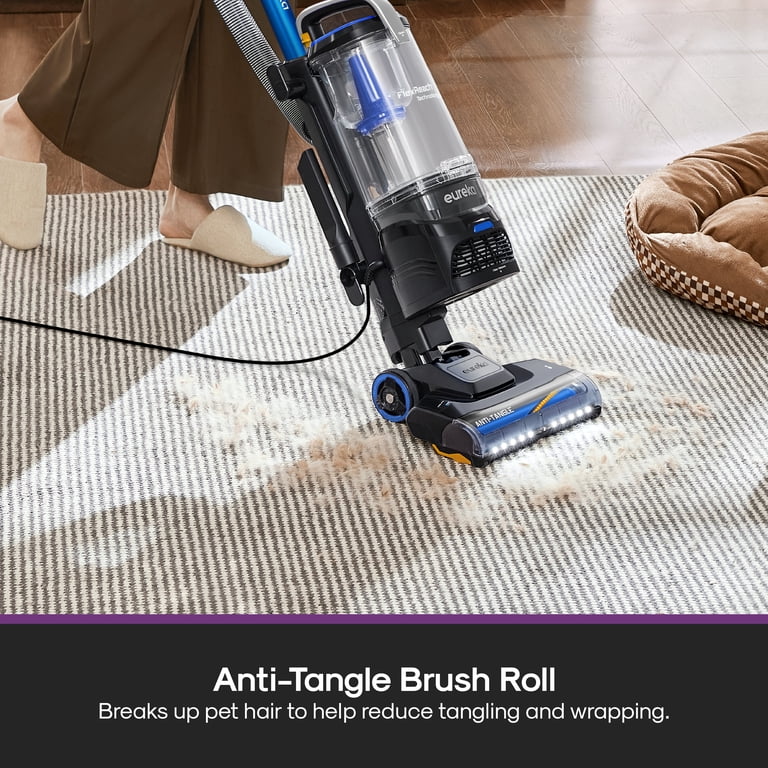
The brush roll, sometimes called the beater bar or roller brush, sits inside the vacuum head and spins to loosen dirt from carpet fibers. It helps lift pet hair, dust, and grit so the suction can pull it into the vacuum. When it gets packed with hair or string, the whole machine has to work harder.
A dirty brush roll can also leave streaks in carpet and reduce edge cleaning. In my experience, people often blame weak suction when the real issue is a brush roll wrapped in hair like a tiny tumbleweed. Keeping it clean is one of the easiest ways to improve performance.
What you need before cleaning the brush roll
Before you start, gather a few simple tools. You do not need anything fancy.
• A screwdriver, if your vacuum cover needs one
• Scissors or a seam ripper for cutting hair
• A cleaning cloth or microfiber towel
• Mild soap and warm water, if the brush roll is washable
• A trash bag or small bin for debris
• Gloves, if you prefer to keep your hands clean
Always check your vacuum’s manual first. Some brush rolls are safe to wash, while others should only be wiped down. That small detail matters more than many people realize.
How do you clean an upright vacuum brush roll step by step
Cleaning an upright vacuum brush roll is simple when you do it in the right order. The key is to be gentle, patient, and careful with the motor housing and belt.
1. Unplug the vacuum
Start by turning off the vacuum and unplugging it from the wall. This is not just a safety habit; it prevents the brush from starting while your hands are near it. If your vacuum has a battery, remove it if possible.
2. Remove the brush roll cover
Flip the vacuum over and look for the brush housing. Many models have a plate or cover held by screws or clips. Remove it carefully and keep the screws in a small dish so they do not disappear into the carpet.
3. Take out the brush roll
Slide the brush roll out of the compartment. Some models also have a belt attached, so move slowly and note how it is positioned. If you forget how it goes back together, a quick photo on your phone can save a lot of frustration later.
4. Cut away hair and string
Use scissors to snip through wrapped hair, thread, and fibers. Then pull the pieces away with your fingers. I usually work from one end to the other, because if you rush, you can miss the tight strands hiding near the ends of the roller.
5. Wipe or wash the brush roll
If your manual says the brush roll is washable, rinse it with warm water and a little mild soap. Scrub gently with your hands or a soft cloth, then rinse well. If it is not washable, wipe it down with a damp cloth and clean the bristles carefully.
6. Clean the brush housing
Do not stop at the roller itself. Dust, hair, and lint often build up in the brush chamber and around the belt area. Wipe the housing clean so the brush roll has room to spin freely.
7. Check the belt
Look at the belt for cracks, stretching, or looseness. A worn belt can make even a clean brush roll perform badly. If the belt looks damaged, replace it before putting everything back together.
8. Dry everything fully
This part matters a lot. Let the brush roll dry completely before reinstalling it, especially if it was washed. Moisture trapped inside can lead to odor, mold, or damage to the vacuum.
9. Reassemble the vacuum
Put the brush roll back in place, reconnect the belt if needed, and secure the cover. Make sure the roller spins freely by hand before you plug the vacuum back in. If it feels stuck, stop and check the alignment.
10. Test the vacuum
Plug the vacuum in and run it on a carpet area. Listen for smooth spinning and check that the brush is picking up debris properly. If the sound seems off or the brush does not turn, recheck the belt and housing.

How often should you clean an upright vacuum brush roll
How often you should clean the brush roll depends on how you use the vacuum. If you have pets, long hair, or thick carpet, you may need to clean it every one to two weeks. For lighter use, once a month may be enough.
A good rule is to check it whenever suction drops or the vacuum starts making a louder sound. In my own routine, I treat the brush roll like a car air filter: ignore it too long, and the whole machine feels tired. Regular upkeep keeps the vacuum running better for longer.
Signs your brush roll needs cleaning
It is not always obvious when the brush roll is the problem. These common signs usually point to buildup or wear.
• Hair wrapped around the roller
• Strange grinding or clicking sounds
• Weak pickup on carpet
• The brush does not spin
• Burning smell from the vacuum
• Dirt left behind after a pass
• Uneven cleaning in one strip of carpet
If you notice more than one of these, cleaning the brush roll is a smart first step. If the problem remains after cleaning, the belt, motor, or brush bearings may need attention.
Common mistakes to avoid
A few simple mistakes can turn a basic cleaning job into a repair issue. I have seen this happen more than once, usually when someone is trying to finish fast.
• Cleaning without unplugging the vacuum
• Using too much water on a non-washable brush roll
• Reinstalling the brush before it is fully dry
• Forgetting to check the belt
• Cutting bristles by accident while removing hair
• Losing screws or clips during disassembly
The biggest mistake is assuming the brush roll is “fine” just because it still turns. A roller can spin and still be packed tight with debris. That hidden buildup is often what hurts cleaning power most.
How to maintain the brush roll between deep cleans
Good maintenance can save you time later. A few small habits make a big difference.
• Check the brush roll every few uses
• Remove hair and lint before it hardens around the ends
• Empty the dustbin or bag regularly
• Clean carpet edges and high-traffic areas more often
• Replace worn belts and damaged brush rolls on schedule
• Store the vacuum in a dry place
I like to think of it as brushing your vacuum’s teeth. A minute or two now can prevent a bigger cleanup later. That simple habit also helps the motor last longer because the machine does not have to fight through extra drag.
When to replace the brush roll instead of cleaning it
Sometimes cleaning is not enough. If the bristles are bent, missing, or worn down, the brush roll may no longer grab carpet well. Cracks, warped ends, or a roller that does not spin smoothly are also signs it may need replacing.
Most manufacturers recommend replacing parts based on use and wear, not just age. If you clean the brush roll often but still get poor results, replacement may be the better fix. It is usually a modest cost compared with replacing the entire vacuum.
Why regular brush roll cleaning matters
A clean brush roll improves pickup, protects the belt, and helps your vacuum work with less effort. It can also reduce pet hair buildup and stop that annoying smell that sometimes comes from trapped debris. For families, pet owners, and anyone with carpets, it is one of the highest-value maintenance tasks you can do.
It is also a trust issue with the machine itself. When the brush roll is clean, airflow and agitation work together the way the manufacturer intended. That means better cleaning with less frustration, which is really the whole point.
Frequently Asked Questions
How do you know if an upright vacuum brush roll is dirty?
If hair, string, or lint is wrapped around the roller, it needs cleaning. You may also notice weak suction, strange noises, or dirt being left behind on carpet.
Can you wash an upright vacuum brush roll?
Some brush rolls can be washed with warm water and mild soap, but not all of them. Always check the manual first, and let the roller dry fully before putting it back in.
Why is my vacuum brush roll not spinning after cleaning?
A worn belt, incorrect reassembly, or debris stuck in the housing may be the cause. Check that the brush roll is seated properly and that the belt is not stretched or broken.
How do you remove hair from a vacuum brush roll quickly?
Use scissors to cut along the wrapped hair, then pull the strands away by hand. A seam ripper can also help with tight tangles, but be careful not to cut the bristles.
How often should pet owners clean the brush roll?
Pet owners may need to clean the brush roll every one to two weeks, depending on shedding. If you vacuum daily or have long-haired pets, check it even more often.
Conclusion
Keeping an upright vacuum brush roll clean is one of the simplest ways to improve suction, protect the belt, and make your vacuum last longer. The process is straightforward: unplug, remove debris, clean the roller and housing, dry everything well, and reassemble carefully. Once you build the habit, it takes far less time than dealing with a vacuum that is clogged and struggling.
If you want better cleaning results with less effort, start by checking your brush roll today. You may be surprised at how much performance comes back after a basic cleaning. Share your own vacuum maintenance tips in the comments, or explore more home care guides to keep your machine running strong.

