

The vacuum cleaner market is crowded, but a few names stand out for their reliability and cleaning performance. Miele Classic C1 is one such name. But how powerful is it, really? If you’re thinking about buying this model, you probably want more than just a list of features. You want to know if it has the suction, build, and real-world results to make daily cleaning easier. As someone who has tested and compared many vacuums, I’ll walk you through what truly matters with the Classic C1 — not just the technical specs, but how it feels to use, what makes it different, and whether it’s worth your money.
Understanding The Miele Classic C1
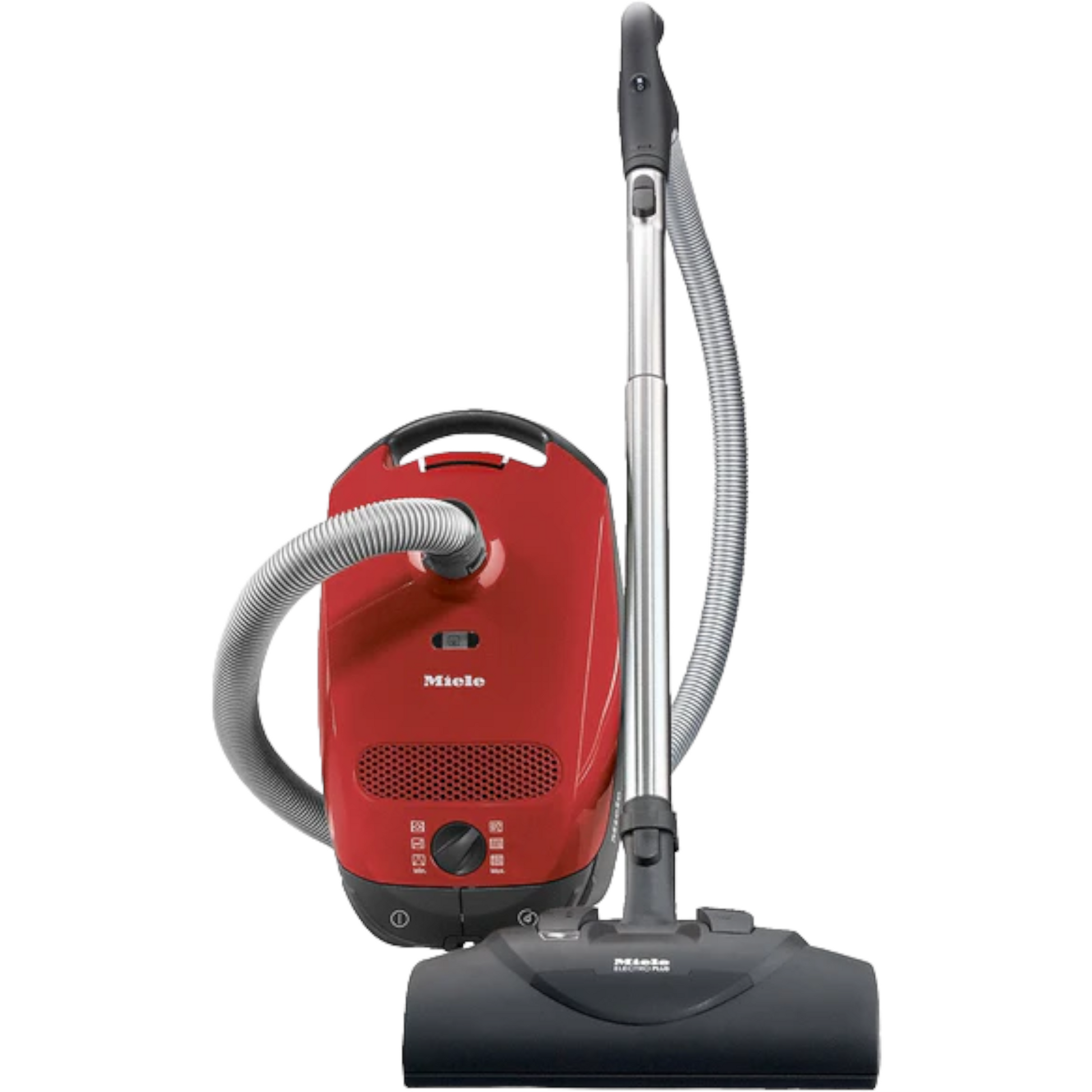
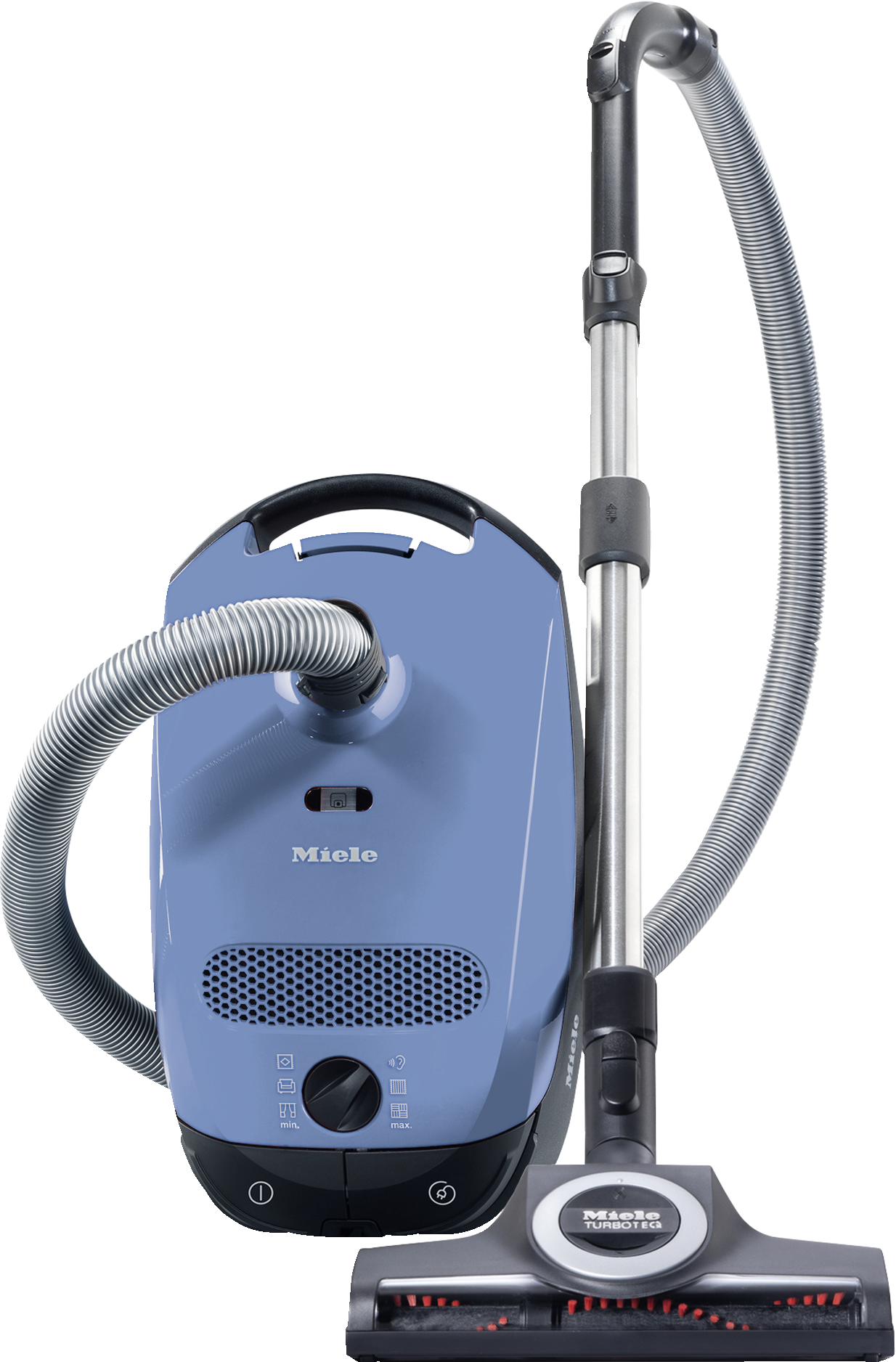
The Miele Classic C1 is a canister vacuum designed for households that need strong cleaning without a high price tag. Unlike upright vacuums, canisters give you flexibility to clean floors, stairs, and even car interiors. The Classic C1 is the entry-level model in Miele’s lineup, but it carries many features from the brand’s higher-end vacuums.
Key Features At A Glance
- Suction Power: 1200-watt Miele Vortex Motor
- Filtration: AirClean filter system
- Weight: About 10 lbs (light for a canister vacuum)
- Bagged System: 4.76-quart dust bag
- Cord Length: 18 feet (with automatic rewind)
- Adjustable Suction: Six power settings
Miele has a reputation for durability and German engineering. The Classic C1 is made of high-quality plastic, but feels sturdy, not cheap. The wand and floorhead connections are solid and click into place.
How Powerful Is The Suction?
Suction power is the first thing most people look for in a vacuum. The Classic C1 uses a 1200-watt motor, which is the same size as Miele’s more expensive models. But numbers alone don’t tell the full story.
Real Suction Performance
- Airflow: Up to 140 cubic feet per minute (CFM)
- Water Lift: Around 100 inches (varies by test)
What does this mean in daily use? The Classic C1 easily lifts fine dust, crumbs, and even heavier debris like rice or cat litter from hard floors. On low-pile carpets, the suction is strong enough to pull out embedded dirt.
The adjustable dial lets you lower the power for delicate items like curtains or upholstery.
One insight many buyers miss: Suction is only one part of cleaning power. The design of the floorhead and the seal with the surface also matter. Miele’s floorheads are known for creating a tight seal, which boosts effective suction.
Suction Settings Explained
The six-stage rotary dial is a standout feature. It lets you choose exactly how much power you need, from gentle cleaning to maximum strength. Most budget vacuums have just one or two settings, which can be too harsh for delicate fabrics or not strong enough for thick carpets.
Cleaning Performance On Different Surfaces
People often worry that a vacuum strong on hard floors will struggle on carpets, or vice versa. Here’s how the Classic C1 performs across surfaces.
Hard Floors
Thanks to its combination floorhead, the Classic C1 glides over wood, tile, and laminate. The bristles are soft enough to avoid scratching but stiff enough to grab dust. The suction picks up fine particles and larger debris in a single pass.
Low And Medium-pile Carpets
The Classic C1 handles low-pile and some medium-pile carpets well. However, it does not come with a motorized brush head in the basic models (like the Pure Suction or Turbo Team). Instead, it relies on a turbo brush (air-powered) in some variants, which is less aggressive than electric brushes.
Still, it pulls up surface dirt and pet hair effectively.
High-pile Carpets And Rugs
Here’s where you need to be careful. The Classic C1 can struggle with deep-pile or shag carpets because there’s no powered brush to agitate the fibers. For homes with mostly high-pile carpets, a model with an electric powerhead, like the Miele C3 series, is better.
Upholstery And Tight Spaces
The included dusting brush, upholstery tool, and crevice nozzle make it easy to clean couches, stairs, and car seats. The strong suction and slim design of the attachments are a real advantage for pet hair and crumbs.
Filtration And Air Quality
A powerful vacuum is useless if it just blows dust back into the air. The Miele Classic C1 uses a three-stage AirClean filtration system:
- Miele AirClean bag: Traps most dust and dirt.
- Motor protection filter: Stops fine debris from reaching the motor.
- AirClean exhaust filter: Captures remaining particles.
Miele claims this system captures over 99. 9% of fine dust. While it’s not a true HEPA filter (unless you upgrade), the standard filter is still effective for most households.
Allergy Considerations
If you or your family have allergies, you can upgrade the Classic C1 with a HEPA AirClean filter. This brings filtration to hospital-grade levels, trapping pollen, pet dander, and even some bacteria.
One thing beginners often overlook: Bagged vacuums are often better for allergies than bagless, because changing the bag releases less dust into the air.
Build Quality And Durability
Miele is known for making vacuums that last. The Classic C1 is no exception, with many users reporting 10+ years of use.
Notable Construction Features
- Double-walled body for extra strength
- Steel telescopic wand (on most models)
- Smooth-rolling wheels that won’t scratch floors
The cord rewind and tool storage are reliable and rarely jam. While the body is mostly plastic, it doesn’t feel flimsy.
Common Mistakes To Avoid
Many people ignore the importance of regular bag and filter changes. Using a full bag or dirty filter reduces suction and can stress the motor over time. Miele bags are more expensive than some competitors, but they seal tightly and rarely tear.
Noise Level
At full power, the Classic C1 produces about 70 decibels of noise. This is quieter than many upright vacuums. On lower settings, it’s gentle enough for early morning or late-night cleaning without disturbing others.
Bagged System: Pros And Cons
Some buyers avoid bagged vacuums, thinking they’re outdated. But bagged systems like the Classic C1 offer real benefits:
Pros:
- Cleaner disposal (less dust escapes)
- Bags last a long time (4.76 quarts)
- Better for allergies
Cons:
- Need to buy replacement bags and filters
- Slightly higher ongoing costs
Changing bags is simple. The bag self-seals, so you don’t touch the dirt.
Usability And Maneuverability
A vacuum can be powerful, but if it’s heavy or awkward, you won’t want to use it. The Classic C1 is lightweight for a canister (about 10 lbs), and the wheels turn smoothly. The compact size makes it easy to store in closets or carry up stairs.
The wand extends for tall ceilings, and the flexible hose gives you a good range. The 18-foot cord is not the longest on the market, but with the hose and wand, the cleaning radius is about 29 feet.
Comparing The Classic C1 To Other Miele Models
If you’re unsure about the Classic C1 versus other Mieles, here’s a quick comparison to help:
| Model | Motor Power | Filtration | Best For | Price Range |
|---|---|---|---|---|
| Classic C1 | 1200W | AirClean (upgradable) | Hard floors, low-pile carpets | Low |
| Compact C2 | 1200W | HEPA (optional) | Smaller spaces, mixed floors | Mid |
| Complete C3 | 1200W | HEPA standard | All floors, high-pile carpets | High |
Notice that all three use the same motor. The real difference is in the floorhead options, filtration, and included tools.
Energy Efficiency And Cost To Run
The Classic C1’s 1200-watt motor is strong but not a power hog. On average, running it for an hour uses about 1.2 kilowatt-hours of electricity. At the national average electricity rate, this costs about 15 cents per hour.
The vacuum is built to last, so the main ongoing costs are bags and filters. Expect to spend $15–$30 per year on consumables, depending on how often you vacuum.

Value For Money
When you consider suction, build quality, and reliability, the Classic C1 is one of the best values in the canister market. It’s cheaper than most other German-made vacuums, but delivers similar performance.
Key Advantages
- Strong suction for the price
- Durable design backed by a long warranty
- Easy to use and maintain
One non-obvious insight: Many buyers assume entry-level means “basic.” But the Classic C1 shares most core features with Miele’s top models, except for premium filtration and powered brush heads.
Who Should Choose The Classic C1?
The Miele Classic C1 is ideal for:
- Apartments and small homes
- Households with mostly hard floors and low/medium-pile carpets
- People with mild to moderate allergies (especially if you upgrade the filter)
- Anyone who wants a long-lasting, reliable vacuum
It’s less suitable for:
- Homes with lots of thick, high-pile carpet
- People who prefer bagless vacuums
Real-world User Experiences
Most users report that the Classic C1 is easy to use, light to carry, and excellent on hard floors. Here are a few highlights from actual owners:
- “Picked up pet hair that other vacuums missed.”
- “No dust smell after vacuuming — air feels cleaner.”
- “After three years, still works like new.”
A few common complaints:
- Cord could be longer for large rooms.
- Need to buy bags and filters regularly.
How Does It Stack Up Against Competitors?
Let’s look at how the Classic C1 compares to other popular vacuums in its class.
| Brand / Model | Motor Power | Filtration | Bagged/Bagless | Weight |
|---|---|---|---|---|
| Miele Classic C1 | 1200W | AirClean (upgradable) | Bagged | 10 lbs |
| Shark Navigator | 1200W | HEPA | Bagless | 13.7 lbs |
| Kenmore 200 Series | 1200W | HEPA | Bagged | 19 lbs |
The Classic C1 is the lightest, and its bagged design keeps dust contained. While bagless models like Shark are easy to empty, they can release dust back into the air.
For more details, you can check the Miele official US website: Miele USA.
Frequently Asked Questions
How Often Should I Change The Bag In The Miele Classic C1?
You should change the bag when it’s full, or when you notice a drop in suction. For most homes, this is every 1–2 months. The bag holds a lot, so it lasts longer than those in many other vacuums.
Is The Miele Classic C1 Good For Pet Hair?
Yes, especially on hard floors and low-pile carpets. The suction is strong, and the included attachments help remove pet hair from furniture. For homes with lots of pet hair on thick carpets, a model with a powered brush head is better.
Can I Use The Miele Classic C1 On Stairs?
Absolutely. The canister is light, and the hose plus attachments make cleaning stairs easy. Just be careful with the cord length, as you may need to move the canister.
Does The Miele Classic C1 Have Hepa Filtration?
The standard model has an AirClean filter, which is good for most dust and particles. If you need HEPA filtration for allergies, you can buy a HEPA AirClean filter separately and install it.
How Long Will A Miele Classic C1 Last?
With regular maintenance and filter changes, many users report their Classic C1 lasts 10 years or more. Miele vacuums are known for their durability and are tested for long-term use.
The Miele Classic C1 is a powerful, reliable vacuum that stands out for its cleaning ability and ease of use. While it’s not perfect for every home, it offers excellent value, strong suction, and the kind of build quality that gives peace of mind. If you want a vacuum that “just works” — and keeps working for years — the Classic C1 is a smart choice.

