

A canister vacuum cleaner works by pulling air and dirt through a hose, separating debris, and trapping dust in a bag or bin.
If you’ve ever used one, you know it feels a little different from an upright vacuum, but the core idea is the same: move air fast enough to lift dirt off floors and out of carpets. The details matter, though, because a canister vacuum cleaner uses a smart mix of suction, filtration, and airflow design to clean well on hard floors, rugs, stairs, and tight spaces.
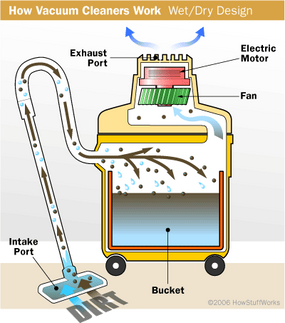
What a canister vacuum cleaner is
A canister vacuum cleaner has two main parts. One part is the canister body, which holds the motor, filter, and dust collection system. The other part is the hose and cleaning wand, which you use to reach floors, furniture, corners, and stairs.
This design makes the canister vacuum cleaner easy to move and very flexible. In my experience, that flexibility is the big reason people choose it for homes with mixed surfaces. It can feel lighter in your hand because the motor is not sitting in the cleaning head like it does on many uprights.
A canister vacuum cleaner is often better for:
- Hardwood floors
- Tile and laminate
- Area rugs
- Stairs
- Under beds and sofas
- Tight spaces and edges
That setup also gives the machine a very different airflow path. Instead of moving the whole vacuum body across the floor, you guide a hose and wand while the canister rolls behind you.
How a canister vacuum cleaner works step by step
At its core, a canister vacuum cleaner works by creating suction through a motor-driven fan. That suction pulls air and debris in through the hose, sends them through filtration or bagging parts, and releases cleaner air back into the room.
Here is the process in plain language:
- The motor spins a fan inside the canister.
- The fan lowers the air pressure inside the machine.
- Air rushes in through the nozzle, wand, and hose.
- Dirt, dust, crumbs, and pet hair travel with that air.
- Debris gets separated into a bag or dust bin.
- Filters catch smaller particles before air exits the vacuum.
That’s the basic answer to how does a canister vacuum cleaner work. The real magic is in how the machine keeps airflow strong while still trapping the mess.
A good way to picture it is like a straw with a tiny wind tunnel inside. When the motor pulls air through, it drags loose dirt along with it. If the airflow stays steady and the filters stay clean, the vacuum keeps working well.
The main parts inside a canister vacuum cleaner
A canister vacuum cleaner may look simple from the outside, but several parts have to work together. If one part is blocked or worn out, performance drops fast.
Motor and fan
The motor powers the fan, which creates the suction. Strong suction does not come from “pulling dirt” directly; it comes from moving a lot of air quickly through a controlled path.
Hose and wand
The hose carries air and debris from the cleaning head to the canister. The wand extends your reach and helps you clean floors without bending too much.
Floor tool or cleaning head
This is the part that touches the floor. Some models use a plain suction head, while others add a brush roll or powered nozzle for carpet cleaning.
Dust bag or dust bin
Many canister vacuum cleaners use a bag to collect debris. Bagless models use a clear bin instead, which you empty by hand.
Filters
Filters trap fine dust and allergens. Common types include foam filters, pleated filters, and HEPA filters.
Exhaust vent
After air passes through the system, it leaves through an exhaust vent. On well-designed models, that air is cleaner than the air going in.
Why suction matters so much
When people ask how does a canister vacuum cleaner work, they often focus only on suction power. Suction matters, but airflow matters just as much. A vacuum can have a strong motor and still clean poorly if the hose, filter, or nozzle blocks airflow.
The best cleaning happens when:
- Air moves smoothly through the whole system
- The nozzle seals well against the floor
- Filters are not clogged
- The dust bag or bin has room left
- The brush or floor tool matches the surface
I’ve seen people blame the vacuum when the real issue was a full bag or a dirty filter. That is a common mistake. Even a good canister vacuum cleaner loses strength if dust buildup narrows the airflow path.
How canister vacuum cleaners separate dirt from air
A canister vacuum cleaner has to separate dirt from the air it pulls in. If it did not, the dust would go right back into the room.
Most models use one of these methods:
- Bag separation: Dirt collects in a disposable bag, while air passes through the bag material and filters.
- Cyclonic separation: Air spins in a chamber, and heavier dirt falls out into the bin.
- Multi-stage filtration: The machine uses several filters to catch particles of different sizes.
Cyclonic systems are common in bagless machines. They use spinning airflow like a tiny tornado to fling dust outward. Bagged models often do a better job of containing fine dust during disposal, which is helpful for allergy-prone users.
Why canister vacuum cleaners work well on different floors
One reason the canister vacuum cleaner is so popular is its versatility. It can adapt to hardwood, carpet, and everything in between.
On hard floors, the suction head can glide close to the surface and lift dust easily. On carpet, many models use a powered brush roll or adjustable nozzle to shake loose embedded dirt. That makes a big difference on rugs that hold onto pet hair and crumbs.
This is also why many cleaning pros like canister vacuum cleaners for homes with mixed surfaces. You can change the attachment instead of buying a whole second machine.
Attachments and what they do
Attachments help a canister vacuum cleaner clean places the main floor head cannot reach. They also change how the airflow is directed, which improves cleaning in specific spots.
Common attachments include:
- Crevice tool: Reaches into corners and tight gaps
- Dusting brush: Cleans shelves, blinds, and delicate surfaces
- Upholstery tool: Helps lift lint and hair from fabric
- Pet hair tool: Grabs fur from cushions and stairs
- Hard floor nozzle: Protects floors while picking up dust
- Motorized brush head: Improves carpet cleaning
In real use, the attachment often matters more than the vacuum body itself. I’ve cleaned baseboards and couch seams with a crevice tool that would have been impossible to do with a standard floor head.
Canister vacuum cleaner vs upright vacuum
People often compare canister vacuum cleaners to upright vacuums, and the difference is mostly in design and use.
A canister vacuum cleaner usually offers:
- Better reach
- More flexibility
- Easier stair cleaning
- Better control on hard floors
An upright vacuum often offers:
- Faster large-area carpet cleaning
- Simpler storage
- A more compact one-piece form
There is no single winner for every home. If you have mostly carpet, an upright may feel more convenient. If you have stairs, hard floors, pets, and furniture to work around, a canister vacuum cleaner can be the better fit.
Bagged vs bagless canister vacuum cleaners
Another big part of how does a canister vacuum cleaner work depends on whether it is bagged or bagless.
Bagged canister vacuum cleaners
Bagged models store dirt inside a sealed bag. This helps keep dust contained when you empty the machine. Many people with allergies prefer this style because disposal is less messy.
Bagless canister vacuum cleaners
Bagless models collect debris in a removable bin. You empty the bin into the trash, which saves on replacement bags. The tradeoff is that emptying can kick up dust if you are not careful.
From a practical point of view, both can work well. The best choice usually comes down to whether you value convenience, lower upkeep costs, or cleaner dust disposal.
Filtration and allergen control
Filtration is a major part of how a canister vacuum cleaner works, especially if you care about indoor air quality. The machine does not just collect dirt from the floor. It also needs to keep that dirt from escaping back into the room.
Good filtration may include:
- Pre-motor filters
- Post-motor filters
- HEPA filtration in some models
- Sealed systems that reduce air leakage
HEPA filters are often used when a vacuum is designed to trap very fine particles. That can help with pollen, pet dander, and fine dust. Still, a filter only works well if it is maintained properly and replaced when needed.
Common problems that affect how a canister vacuum cleaner works
A canister vacuum cleaner is simple in theory, but small problems can hurt performance fast.
Watch for these issues:
- A clogged hose
- A full dust bag or bin
- Dirty filters
- A blocked brush head
- Weak suction from air leaks
- A worn belt or brush roll
- A cracked wand or hose
When I troubleshoot a vacuum, I always start with airflow. Nine times out of ten, the problem is not the motor. It is a clog, a dirty filter, or a full collection bin.
How to keep a canister vacuum cleaner working well
Basic care makes a huge difference. A clean vacuum usually performs better, lasts longer, and smells better too.
Try these maintenance habits:
- Empty the bin or replace the bag before it gets packed full
- Clean or replace filters on schedule
- Check the hose for blockages
- Remove hair from the brush roll
- Inspect seals and gaskets for leaks
- Store the vacuum in a dry place
A little upkeep goes a long way. Think of it like keeping a car tire properly inflated. The machine can still run when neglected, but it will not perform at its best.
Benefits of a canister vacuum cleaner
A canister vacuum cleaner has several practical benefits that make it a smart choice for many households.
- Easier to carry attachments up stairs
- Better reach under furniture
- Good control for dusting and detail cleaning
- Often quieter than many uprights
- Works well on delicate floors
- Can be a strong choice for allergy-aware homes
The quieter operation is worth mentioning. Many canister designs place the motor farther from your hand and ears, which can make the experience feel less harsh during long cleaning sessions.
Limitations to know before buying one
No vacuum is perfect, and a canister vacuum cleaner has some tradeoffs.
- You have to pull the canister behind you
- Storage can be awkward if the hose is long
- Some models are bulky
- Bagless bins can be messy to empty
- Low-end models may have weak tools or cheap seals
These limits do not make the machine bad. They just mean the design favors flexibility over simplicity. If you choose one, make sure the hose length, wheel quality, and attachments fit your home.
What makes one canister vacuum cleaner better than another
If you are shopping for one, don’t judge only by wattage or marketing claims. Real cleaning performance depends on the whole system.
Look for:
- Strong, sealed airflow
- Good floor head design
- Quality filtration
- Easy-to-clean tools
- Smooth rolling canister wheels
- Enough hose length for your rooms
- Adjustable suction for rugs and curtains
A smart buyer looks at usability, not just power. The best canister vacuum cleaner is the one you will actually enjoy using often.
Frequently Asked Questions of How does a canister vacuum cleaner work?
How does a canister vacuum cleaner create suction?
A motor spins a fan that lowers air pressure inside the machine. Air then rushes in through the hose and nozzle, carrying dirt with it.
Do canister vacuum cleaners work better than uprights?
They can, especially on hard floors, stairs, and tight spaces. Uprights may still be better for fast carpet cleaning in large rooms.
Why is my canister vacuum cleaner losing suction?
The most common causes are a full bag, clogged filter, blocked hose, or poor seal. Start by checking those parts before assuming the motor is failing.
Can a canister vacuum cleaner clean carpets?
Yes, many canister vacuum cleaners clean carpets well, especially if they have a motorized brush head or powered nozzle. For thick carpet, make sure the model is designed for that job.
Are canister vacuum cleaners good for allergies?
They can be, especially bagged models with sealed filtration and HEPA filters. They help trap fine dust, pollen, and pet dander instead of pushing them back into the air.
Conclusion
A canister vacuum cleaner works by using motor-powered suction, smart airflow, and filtration to pull dirt from floors and trap it safely inside the machine. Its separate canister body, hose, and cleaning tools give it a flexible design that works especially well for hard floors, stairs, furniture, and mixed-surface homes.
If you are choosing one or trying to get better results from the one you already own, focus on airflow, filter care, and the right attachment for each job. Small habits make a big difference. Take a closer look at your vacuum setup, try the tips above, and you may be surprised how much better it performs.


13 Comments
Pingback: How Do You Clean A Canister Vacuum Brush: Easy Steps - Vacuum Cleaner Tips
Pingback: How Do You Replace A Canister Vacuum Bag: Easy Guide - Vacuum Cleaner Tips
Pingback: Canister Vacuum Vs Upright Vacuum: Which Is Better For You - Vacuum Cleaner Tips
Pingback: Bagged Vs Bagless Canister Vacuum: Which Is Better? - Vacuum Cleaner Tips
Pingback: Are Bagged Canister Vacuums Better: Honest SEO Guide - Vacuum Cleaner Tips
Pingback: Are Bagless Canister Vacuums Better: Pros And Cons - Vacuum Cleaner Tips
Pingback: Do Canister Vacuums Have Hepa Filters: Full Guide - Vacuum Cleaner Tips
Pingback: Are Hepa Canister Vacuums Worth It: Honest 2026 Guide - Vacuum Cleaner Tips
Pingback: Can Canister Vacuums Pick Up Fine Dust: Best Guide - Vacuum Cleaner Tips
Pingback: Can Canister Vacuums Clean Deep Carpets: The Truth - Vacuum Cleaner Tips
Pingback: Can Canister Vacuums Clean Tile Floors: Best Tips - Vacuum Cleaner Tips
Pingback: Can Canister Vacuums Clean Concrete Floors: Best Guide - Vacuum Cleaner Tips
Pingback: How Do You Replace A Canister Vacuum Belt: Easy Guide - Vacuum Cleaner Tips