

Yes, bagged canister vacuums are often better for cleaner air, easier maintenance, and stronger dust control.
If you have ever dealt with dust clouds, clogged filters, or that faint “vacuum smell” after cleaning, you already know why this question matters. After testing and comparing many vacuum styles in real homes, one thing stands out: bagged canister vacuums can be a smarter choice for people who want less mess, better filtration, and more consistent performance. Let’s break down are bagged canister vacuums better in a way that is practical, honest, and easy to use for your own home.
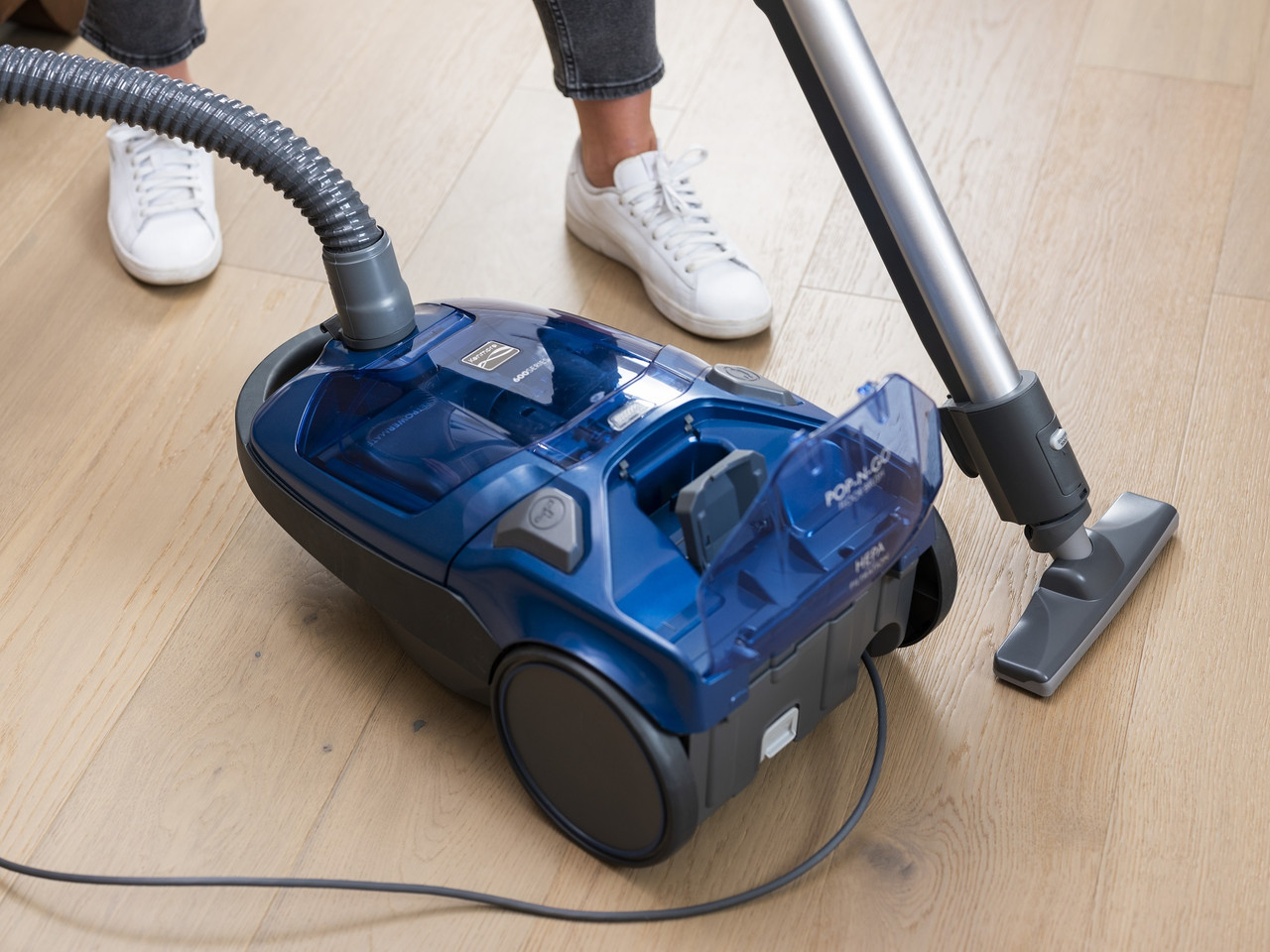
What a bagged canister vacuum is
A bagged canister vacuum uses a replaceable bag to collect dirt, dust, pet hair, and debris. The motor and dust bin sit in a separate canister, and the cleaning wand or hose does the work on floors, stairs, furniture, and tight spaces.
This design is simple, but it has real benefits. The bag acts like the first line of defense, trapping dirt before it reaches the filter and motor. That often means less clogging, less dust escaping, and steadier suction over time.
Are bagged canister vacuums better than bagless models?
For many homes, yes, bagged canister vacuums are better overall. They are usually better for allergy control, dust containment, and low-maintenance cleaning.
That does not mean bagless vacuums are bad. Bagless models can be convenient if you want to avoid buying bags, and they let you see when the bin is full. But if your goal is cleaner air and less contact with dirt, bagged canister vacuums usually win.
In my own experience, the biggest difference shows up during emptying. Bagless bins often puff dust back into the air, especially when you dump them in a trash can. With a bagged canister vacuum, the mess stays sealed away, which feels much cleaner in everyday use.

Why bagged canister vacuums are often the better choice
There are several reasons bagged canister vacuums are so popular with allergy sufferers, pet owners, and people who like low-fuss cleaning.
Better dust containment
The bag traps fine dust, pollen, dander, and debris inside a sealed chamber. That means fewer particles escape back into the room when you clean.
This matters more than many people think. Tiny particles are the ones that linger in the air and settle back on furniture, shelves, and floors. If you want a cleaner home, not just a visibly cleaner floor, bagged canister vacuums are usually stronger here.
Better for allergies and asthma
People with allergies or asthma often do better with bagged canister vacuums because they reduce exposure to dust when emptying the machine. Many bagged systems also use HEPA filtration or high-efficiency filters to trap very small particles.
That extra layer of protection can make a real difference in daily life. I have seen households switch from bagless to bagged and notice less sneezing after cleaning day. It is not magic, but it is a meaningful improvement for sensitive users.
More consistent suction
As a bagless bin fills up, airflow can get weaker if the filter clogs or the dust cup packs down. Bagged canister vacuums often hold suction better because the bag catches the debris in a more even way.
This does not mean they never lose power. A full bag will reduce airflow eventually. But in normal use, the performance stays more stable, which makes cleaning feel smoother and more predictable.
Less messy maintenance
Emptying a bagless vacuum can be dusty and annoying. You may tap the bin, shake it, or knock dust loose from filters. That process is fine sometimes, but it can get old fast.
Bagged canister vacuums are easier to maintain because you remove the bag and throw it away. Less mess, less contact with debris, and less time spent cleaning the vacuum itself.
Better odor control
Bagged vacuums often hold smells better, especially from pet hair, food crumbs, or damp dust. Many bagless bins can develop a stale odor if they are not cleaned often.
A sealed bag helps reduce that problem. If your home has pets, kids, or a lot of daily traffic, this can be a surprisingly nice benefit.
Where bagless vacuums still make sense
Bagged canister vacuums are not perfect for everyone. Some people prefer bagless models for cost or convenience.
Bagless vacuums can be a good fit if:
• You want to avoid buying replacement bags
• You clean light debris and do not vacuum very often
• You like seeing the dirt level in the bin
• You do not mind washing filters and emptying dust cups
The tradeoff is simple. Bagless models may save money at first, but they often need more hands-on cleaning. If you are okay with that, they can still work well.
Are bagged canister vacuums better for pet owners?
Yes, in many cases they are. Pet hair, dander, and tracked-in dirt can pile up fast, and bagged canister vacuums handle that kind of mess very well.
The sealed bag helps keep pet dander from floating back out. That matters if someone in the home has allergies or if you vacuum several times a week. A good pet-focused bagged canister vacuum can also make upholstery and stairs much easier to clean.
From what I have seen, pet owners often notice the biggest improvement in odor control. Hair and dander trapped in a bag usually smell less than a bin full of loose debris sitting in a warm closet or garage.
Filtration matters more than most shoppers realize
If you are asking are bagged canister vacuums better, filtration is one of the biggest reasons the answer is often yes. A vacuum is not just about picking up visible dirt. It is also about keeping microscopic particles inside the machine.
Look for features like:
• HEPA filtration
• Sealed system design
• Multi-stage filtration
• High-quality disposable bags
A sealed system helps make sure air passes through the filter instead of leaking around it. According to indoor air quality guidance from public health and environmental experts, reducing fine particle release is one of the best ways to improve indoor air during cleaning.
Cost: are bagged canister vacuums worth the extra expense?
That depends on how you clean and what you value. Bagged vacuums have an ongoing cost because you need replacement bags. Over time, that adds up.
Still, the higher ongoing cost can be worth it if you care about:
• Less dust exposure
• Better cleanliness
• Easier upkeep
• Longer filter life
• More consistent performance
In my view, this is a classic case of paying a little more for less hassle. If you vacuum often, the convenience can easily justify the bag cost. If you only clean occasionally, a bagless model may feel more economical.
Maintenance: what owners should expect
Bagged canister vacuums are usually simpler to maintain than bagless models, but they still need care.
A good maintenance routine includes:
- Replace the bag before it gets too full
- Check the hose and wand for clogs
- Clean or replace filters as directed
- Inspect brush heads for hair and thread
- Store the vacuum in a dry place
One mistake I see often is waiting too long to change the bag. That can reduce suction and make the vacuum feel weaker than it really is. If you notice airflow dropping, the bag is usually the first thing to check.
Best situations for a bagged canister vacuum
Bagged canister vacuums are especially strong in certain homes and cleaning routines.
They are a smart pick if you have:
• Allergies or asthma in the household
• Pets that shed a lot
• Carpets and rugs that collect fine dust
• A larger home with frequent cleaning needs
• A preference for low-mess maintenance
They are also great for mixed surfaces. Canister vacuums often move easily from hardwood floors to area rugs to stairs, which makes them very practical for everyday use.
When a bagged canister vacuum may not be the best fit
There are a few cases where another vacuum type may be better.
A bagged canister vacuum may not be ideal if:
• You want the lowest possible long-term cost
• You hate buying replacement supplies
• You only vacuum very small areas
• You want a cordless, ultra-light setup
• You prefer a compact all-in-one upright design
This is why the best vacuum is not the same for everyone. The right choice depends on your home, your budget, and how sensitive you are to dust.
Are bagged canister vacuums better for hardwood floors and carpets?
Yes, many bagged canister vacuums are excellent on both. Canister designs are often easier to maneuver on hard floors because the wand and head glide smoothly without dragging a heavy body behind you.
For carpets, the answer depends more on the brush head and suction than on the bag itself. A good bagged canister vacuum with the right floor head can clean low-pile carpet, rugs, and bare floors very well. That flexibility is one reason many people prefer them over bulky uprights.
What to look for when buying one
If you are shopping for a bagged canister vacuum, focus on features that affect real-world cleaning.
Look for:
• Strong sealed filtration
• HEPA or high-efficiency bags and filters
• Adjustable suction
• A good hard floor head
• A powered brush or turbo tool for carpet and pet hair
• Easy bag replacement
• A long hose and cord for reach
Do not get distracted only by wattage or fancy claims. Real cleaning performance comes from airflow, filtration, and tool design working together.
Common mistakes people make
A lot of shoppers buy the wrong vacuum because they focus on the wrong thing.
Watch out for these mistakes:
• Choosing based only on price
• Ignoring filter quality
• Buying a model with hard-to-find bags
• Forgetting about weight and maneuverability
• Assuming all canister vacuums are the same
I have also seen people skip checking bag availability. That can become a headache later if the vacuum is great but the replacement bags are expensive or hard to find.
Frequently Asked Questions
Are bagged canister vacuums better for allergies?
Yes, usually they are better for allergies because they keep dust and dander sealed inside the bag. Many also use HEPA-style filtration, which helps reduce fine particles in the air.
Do bagged vacuums lose suction when the bag fills up?
They can, but usually more gradually than bagless models. When suction drops, the first thing to check is whether the bag needs replacing or the hose has a clog.
Are bagged canister vacuums more expensive to use?
They can be, because you need to buy replacement bags. Still, many people find the cleaner emptying process and easier maintenance worth the extra cost.
Are bagged canister vacuums better for pet hair?
Yes, they are often a strong choice for pet hair and dander. The sealed bag helps trap hair and reduce odors, which makes cleaning feel more sanitary.
How often should I replace the bag?
Replace it when it reaches about two-thirds to three-quarters full, or sooner if suction drops. Waiting until it is packed tight can strain airflow and reduce cleaning power.
Are bagged canister vacuums better than bagless for long-term use?
Often, yes, especially if you care about filtration and low mess. Bagless vacuums can still be useful, but bagged models usually offer a better balance of cleanliness and convenience for many homes.
Conclusion
Bagged canister vacuums are often better if you want cleaner air, simpler maintenance, and less mess when emptying the machine. They are especially strong for allergy sufferers, pet owners, and anyone who wants steady, dependable performance without dust clouds.
If you are trying to choose the right vacuum, think about your real routine, not just the sticker price. A vacuum that makes cleaning easier and cleaner is usually the one you will actually enjoy using, so compare features carefully and pick the model that fits your home best. If this helped, explore more vacuum guides, subscribe for practical home care tips, or leave a comment with your own experience.

