

Yes, canister vacuums can pick up fine dust, but performance depends on filtration and sealing.
Canister vacuums are often a smart choice for homes that deal with everyday dust, pollen, drywall dust, or other tiny particles. The catch is that not every canister vacuum handles fine dust the same way. In this guide, I’ll break down what really matters, what I’ve learned from using and testing different models, and how to choose one that captures fine dust instead of kicking it back into the air.
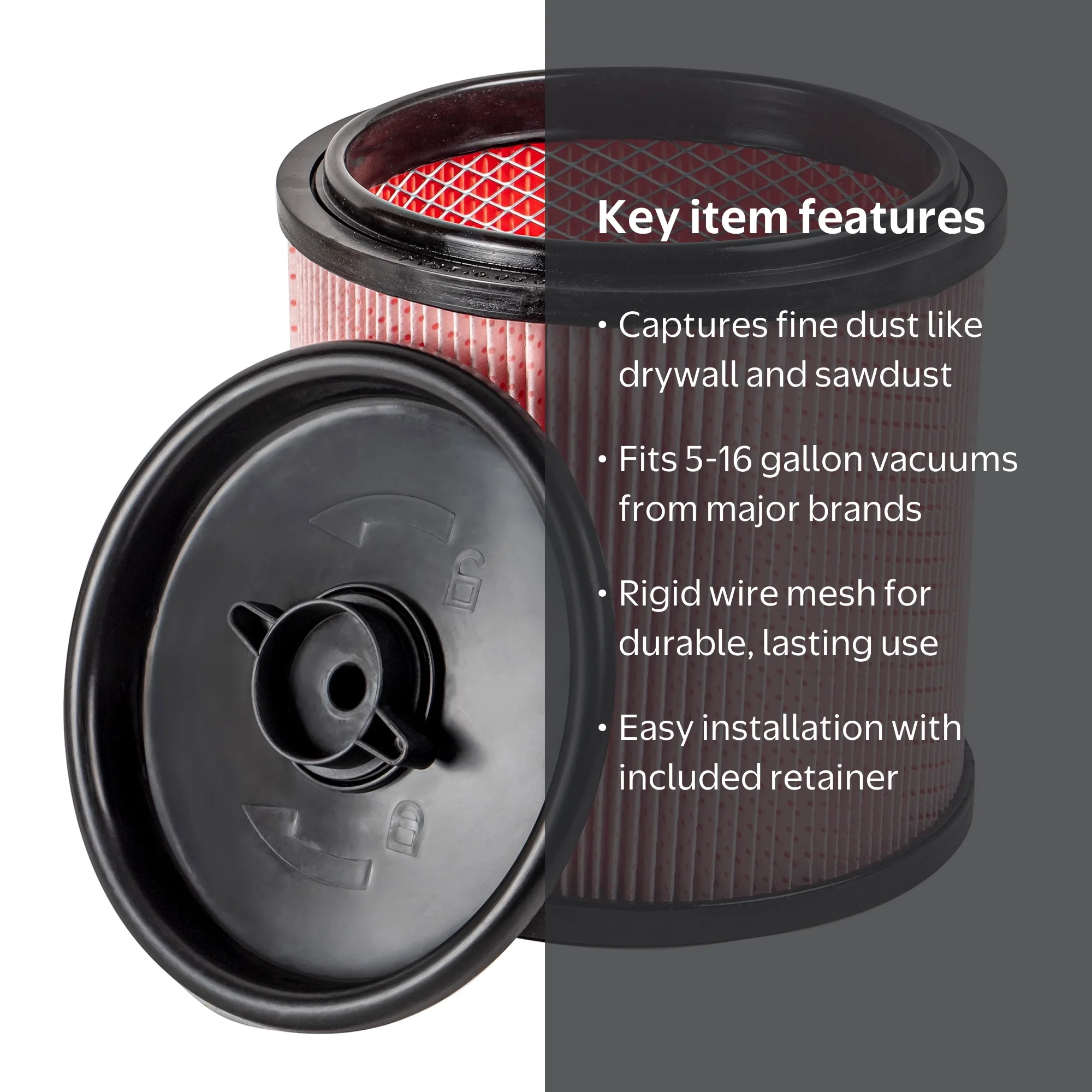
Canister vacuums pick up fine dust?
Yes, canister vacuums can pick up fine dust very well when they have strong suction, a sealed system, and the right filter. That includes dust from floors, vents, furniture, pet dander, and even very small debris like flour or drywall dust.
But there is an important detail: picking up fine dust is not just about suction. It is also about whether the vacuum traps the dust inside or leaks it back out through gaps, weak seals, or poor filtration. In my experience, that is where many people get frustrated. A vacuum may look powerful on paper, yet still leave a dusty smell or a thin layer behind if the filtration is not good enough.
Fine dust is tricky because the particles are small and light. They can float in the air, clog filters fast, and escape from weak machines. A good canister vacuum handles that by combining airflow, filtration, and a well-built dust bin or bag system.

What fine dust really is
Fine dust is made of tiny particles that are hard to see and easy to inhale. It can come from dirt, skin flakes, fabric fibers, pollen, ash, pet dander, and building materials like drywall or concrete.
These particles are smaller than regular crumbs or grit, so they behave differently. They can drift into corners, settle deep in carpet, and get stirred up again when you walk by. That is why the right vacuum matters so much for fine dust control.
Common sources of fine dust include:
• Household dust from skin cells, fabric, and dirt
• Pet dander and hair fragments
• Pollen brought in from outside
• Baking flour and kitchen powder spills
• Drywall dust and renovation debris
• Fireplace ash and soot
If you have allergies or recent home repairs, fine dust is not just annoying. It can also affect comfort and air quality.
Why canister vacuums are often good for fine dust
Canister vacuums are a strong option for fine dust because their design usually separates suction from the cleaning head. That gives them flexibility and often better control on hard floors, rugs, and tight spaces.
Here is why they often perform well:
• Strong airflow helps lift lightweight particles from cracks and fibers
• Hose and wand design make it easier to reach under furniture and along edges
• Many models use bagged systems that trap dust better than basic bins
• Better sealing reduces dust leakage during use
• Multi-stage filtration can catch very small particles before air exits the machine
I have found canister vacuums especially useful on hard floors with dust buildup near baseboards. Uprights can be great too, but canisters often feel more precise. They are a little like a detail brush instead of a broad broom.
The features that matter most for fine dust pickup
If you want a canister vacuum that handles fine dust well, look beyond the marketing claims. The details below make the biggest difference.
Sealed system
A sealed vacuum keeps air from escaping before it passes through the filters. This matters because fine dust can slip through tiny gaps.
A sealed system helps prevent:
• Dust blowback
• Odors from escaping
• Particles leaking around joints
• Releasing allergens back into the room
HEPA or high-grade filtration
HEPA filtration is widely used for capturing very small particles. True HEPA filters are designed to trap at least 99.97% of particles as small as 0.3 microns under test conditions.
That does not mean every HEPA vacuum is perfect, but it is a strong sign the machine is built for finer debris and allergens. For homes with asthma or allergy concerns, this feature is especially helpful.
Bagged versus bagless
This is one of the biggest choices for fine dust.
Bagged canister vacuums often do better with fine dust because the bag acts like a first filter. When you empty the vacuum less often, less dust escapes into the air.
Bagless vacuums can still work well, but emptying the bin can release a cloud of fine dust if you are not careful. I learned this the hard way after emptying a bin full of drywall dust indoors. It was a mess, and the air smelled dusty for hours.
Strong suction and good airflow
Suction matters, but airflow matters too. A vacuum needs enough air movement to carry fine dust from the floor into the dust collection system.
A weak motor or clogged filter can reduce pickup fast. Even a good vacuum can lose performance if you do not clean or replace filters on time.
Brush head and floor tool design
The cleaning head affects how much fine dust gets lifted.
Look for:
• Soft roller or hard floor brush for smooth floors
• Adjustable brush height for rugs and carpets
• Crevice tool for edges and corners
• Motorized brush for deeper carpet cleaning
Fine dust often hides along baseboards and in floor seams. The right attachment helps you get it out without spreading it around.
Canister vacuums vs other vacuum types for fine dust
Different vacuum types handle fine dust in different ways. Here is a simple comparison.
Canister vacuums
Canister vacuums are often excellent for fine dust on hard floors, stairs, and furniture. They are usually easier to steer and can be gentler on delicate surfaces.
Best for:
• Hardwood floors
• Tile and laminate
• Stairs
• Under furniture
• Edge cleaning
Upright vacuums
Uprights can be strong on carpets and large areas. Some are great for dust, but many are heavier and less flexible around tight spots.
Best for:
• Wall-to-wall carpet
• Fast whole-room cleaning
• Larger homes
Stick vacuums
Stick vacuums are convenient and light, but many models are less effective on very fine dust unless they have strong sealing and good filters.
Best for:
• Quick pickups
• Small apartments
• Light daily cleaning
Handheld vacuums
Handhelds are useful for tiny messes, but they are not usually the best main tool for fine dust throughout a home.
Best for:
• Car interiors
• Countertops
• Small spills
In real-world use, canister vacuums often hit the sweet spot for fine dust because they mix power, reach, and filtration better than many lightweight options.
Where canister vacuums do best with fine dust
Canister vacuums shine in areas where dust hides and settles.
They are especially helpful for:
• Baseboards and corners
• Hardwood floors
• Area rugs
• Upholstered furniture
• Stairs
• Ceiling vents and vents near the floor
• Window tracks
I like canister vacuums for homes with mixed flooring because they move from room to room with less effort than many uprights. That flexibility matters when dust collects in different ways across the house.
Where they can struggle
Even a good canister vacuum has limits.
Fine dust can still be a problem if:
• The filter is dirty or overdue for replacement
• The bag or bin is overfilled
• The vacuum is not sealed well
• The brush head is not suited to the floor type
• You try to vacuum heavy construction dust without the right setup
Drywall dust and very fine renovation dust can be especially hard on any vacuum. Some of that material is so light that it can clog filters quickly. If you are cleaning after remodeling, you may need to empty and service the vacuum more often than usual.
Best practices for picking up fine dust with a canister vacuum
A good vacuum helps, but technique matters too. A few small habits can improve results a lot.
• Vacuum slowly so the machine has time to lift fine particles
• Use the right floor attachment for the surface
• Empty or replace bags before they get too full
• Clean or wash filters on schedule
• Check seals and hose connections for leaks
• Make a second pass in dusty areas if needed
• Use crevice tools for edges and corners
One mistake I see often is people rushing across the floor like they are mowing grass. Fine dust needs a slower pass. Think of it like wiping a foggy mirror. You need a little patience for a clean result.
Canister vacuums and allergies
For allergy sufferers, fine dust is more than a cleaning issue. It can affect how the whole home feels.
A good canister vacuum with strong filtration can help reduce:
• Dust mites and their debris
• Pet dander
• Pollen tracked indoors
• Soot and ash particles
• Other airborne irritants
That said, no vacuum removes every allergen from the home. You still need regular dusting, washing bedding, and keeping filters clean. A vacuum is one part of the system, not the whole solution.
How to choose the right canister vacuum for fine dust
If fine dust is your main concern, use this checklist before buying.
• Choose a sealed model
• Look for HEPA filtration or an equivalent high-grade filter
• Prefer bagged systems if you want less dust exposure during emptying
• Check suction and airflow ratings when available
• Make sure the floor tool matches your flooring
• Read reviews from people who mention dust pickup, not just pet hair
• Consider filter and bag replacement costs over time
The best vacuum is not always the most expensive one. It is the one that matches your floors, your cleaning habits, and how much fine dust you deal with each week.
Common mistakes people make with fine dust
I have seen a few repeated mistakes over the years.
• Buying a vacuum based only on suction claims
• Using a clogged filter for too long
• Emptying a bagless bin indoors and stirring dust back up
• Using the wrong brush head on hard floors
• Skipping maintenance until performance drops
• Assuming all canister vacuums are equally good at dust control
If your vacuum seems weak, the problem may not be the motor. It might be airflow blockage, a full bag, or a dirty filter. That is why regular upkeep matters so much.
Frequently Asked Questions of Can canister vacuums pick up fine dust?
Are canister vacuums good for dust on hardwood floors?
Yes, canister vacuums are often excellent for hardwood floors because they are easy to guide and usually work well with hard floor tools. They can pick up fine dust from seams, corners, and along baseboards with less hassle than many bulky vacuums.
Do bagged canister vacuums handle fine dust better than bagless ones?
Often, yes. Bagged canister vacuums usually trap fine dust more effectively and release less dust during disposal. Bagless models can still work well, but emptying them can send some dust back into the air.
Can a canister vacuum pick up drywall dust?
Yes, but drywall dust can be tough on any vacuum. You should use a model with strong filtration and clean or replace the filter often, since very fine construction dust can clog the system quickly.
Is HEPA filtration necessary for fine dust?
It is not always required, but it is very helpful. HEPA filtration improves the vacuum’s ability to trap tiny particles, which is especially useful for allergy control and better indoor air quality.
Why does my canister vacuum seem to blow dust back out?
That usually points to poor sealing, a dirty filter, a full bag, or a bin that is not closing properly. Fine dust can escape when airflow is restricted or when the machine is not maintaining a tight seal.
Conclusion
Canister vacuums can absolutely pick up fine dust, and in many homes they do a very good job. The real difference comes down to sealing, filtration, suction, and how well the vacuum matches your floors and cleaning habits.
If you want the best results, choose a model with strong filtration, keep the filters clean, and use the right attachment for the surface. That small bit of care can make a big difference in dust control, air quality, and how fresh your home feels. If this helped, take a closer look at your current vacuum setup and compare it with these tips before your next purchase or deep clean.

