

A stick vacuum is better for whole-home cleaning, while a handheld vacuum wins for quick spot jobs.
Choosing between a stick vacuum vs handheld vacuum: which is better? comes down to how you clean your home, how much space you have, and what kind of messes show up most often. I’ve tested both styles in real homes, and the difference is bigger than most people expect. One is like a light, all-purpose runner. The other is a fast grab-and-go helper. If you want the right pick for your floors, furniture, car, and daily routine, this guide will help you decide with confidence.

Stick vacuum vs handheld vacuum: what each one is best at
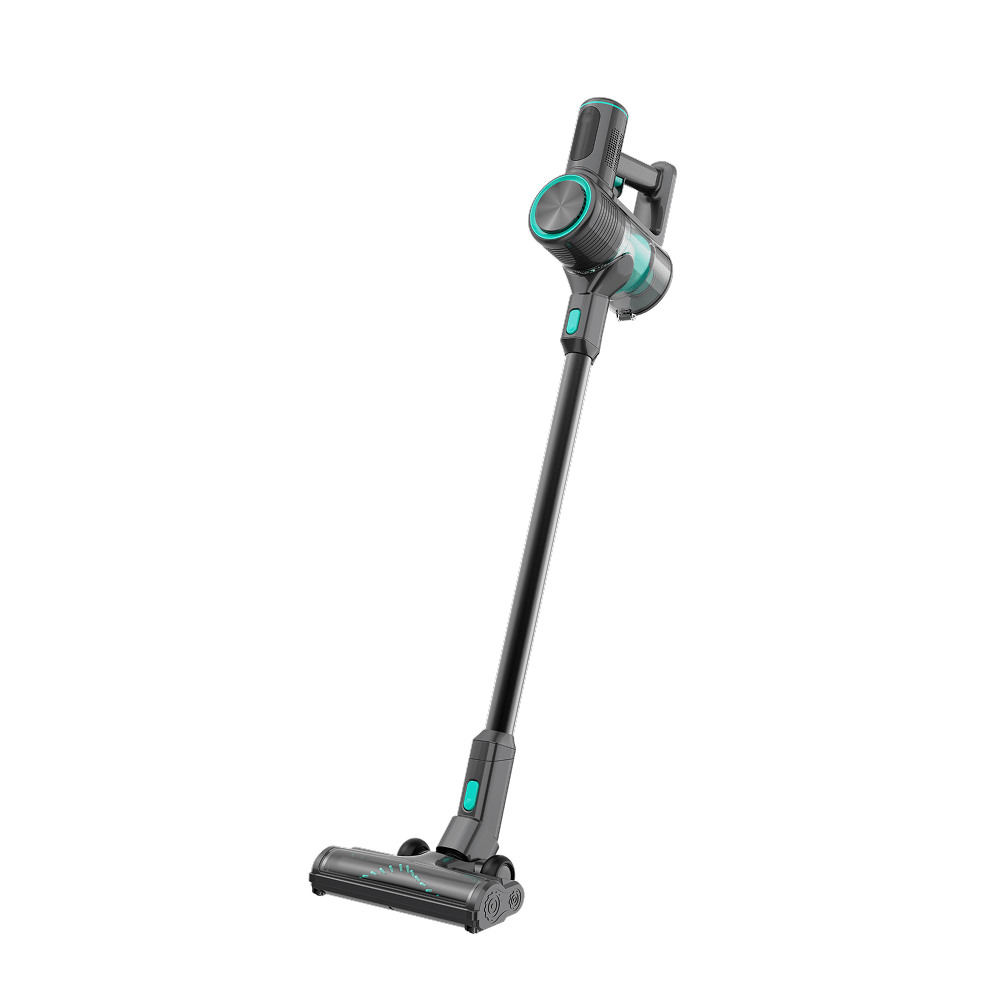
A stick vacuum is built for floors, rugs, and larger cleaning jobs. It usually has a longer handle, a motorized brush head, and enough battery life to clean several rooms at once. Many cordless models now feel much lighter than older uprights, which makes them a popular choice for everyday cleaning.
A handheld vacuum is smaller and easier to carry. It works best for crumbs on counters, dirt in car seats, stairs, sofa cushions, and other tight spaces. If you ever spill cereal under the kitchen table or track sand into the car, a handheld vacuum can feel like a lifesaver.
In simple terms, the stick vacuum vs handheld vacuum decision is mostly about coverage versus convenience. If you want one tool for more of the home, go stick. If you want the fastest fix for small messes, go handheld.

Key differences that matter most
When people compare stick vacuum vs handheld vacuum, they often focus on size alone. But the real differences show up in daily use.
Cleaning power
Stick vacuums usually have stronger suction and better floor pickup. They can handle dust, pet hair, dry crumbs, and light debris on hard floors and low-pile carpet. Some premium models also do a good job on medium-pile rugs.
Handheld vacuums are not weak, but they are made for smaller messes. Their suction can be very useful up close, yet they are not ideal for cleaning an entire room. I’ve found that they shine when you need targeted cleaning, not full cleanup.
Battery life
Most cordless stick vacuums run longer than handheld vacuums. That extra runtime makes them better for apartments, houses, and multiple-room cleaning sessions. Still, battery life varies a lot by brand and power mode.
Handheld vacuums often run for shorter periods because they are compact. That is fine for quick tasks, but it can be frustrating if you try to use one for longer jobs. In my experience, the battery never feels like a problem until you try to clean the whole car in one shot.
Weight and comfort
Handheld vacuums are easier to carry and use one-handed. They are great for people who want a simple, low-effort tool. If lifting a heavier cleaner bothers your wrist or shoulder, this matters.
Stick vacuums are still lightweight compared with older full-size vacuums, but they do require more movement. You push, steer, and sometimes hold them at an angle. That extra reach is helpful, but it takes more effort than using a handheld.
Storage
A handheld vacuum fits easily in a drawer, cabinet, or car trunk. This makes it ideal for small homes, dorms, and tight storage spaces. It is the kind of appliance you can tuck away almost anywhere.
Stick vacuums need more room, especially if they come with a charging dock or wall mount. Even so, many cordless designs are still much easier to store than traditional uprights. For many homes, that balance is a big win.
Attachments and flexibility
Stick vacuums often come with crevice tools, dusting brushes, or mini motorized heads. These attachments make them more versatile than many people expect. They can handle floors, edges, and some furniture tasks too.
Handheld vacuums also come with tools, but usually fewer. They are designed for speed and access, not full-room flexibility. That is why the stick vacuum vs handheld vacuum choice often comes down to how many cleaning jobs you want one machine to do.

When a stick vacuum is the better choice
A stick vacuum is the stronger pick if you want a main cleaning tool for the house. It is especially useful if you clean often and want something faster than a bulky upright vacuum.
Choose a stick vacuum if you need to clean:
• Hard floors every day or every few days
• Low-pile carpet or area rugs
• Pet hair from floors and furniture
• Larger messes across multiple rooms
• Stairs with a detachable handheld mode
• Homes where storage space is limited, but cleaning needs are still high
From experience, this is the model I reach for when I want to reset the whole house fast. It feels like using a broom and vacuum in one, but with much better results. If you hate dragging out a heavy machine, a stick vacuum is often the sweet spot.
Stick vacuums are also better if you want a more polished clean. They tend to leave floors looking more even because the brush roll covers a wider path. That matters if you care about daily dust, pet fur, or visible debris near baseboards and kitchen edges.

When a handheld vacuum is the better choice
A handheld vacuum is the better answer when speed and portability matter most. It is the kind of tool that solves small problems before they become annoying ones.
Choose a handheld vacuum if you need to clean:
• Car interiors
• Couch cushions and upholstery
• Kitchen counters and table crumbs
• Stairs and tight corners
• Keyboard dust or craft messes
• Pet hair in small spots
Handheld vacuums are especially useful in homes with kids. I’ve seen how quickly snacks end up on the sofa, under the high chair, or on the car floor. A handheld vacuum makes those little messes easier to manage without dragging out a bigger machine.
They are also a smart second vacuum. If you already own a stick vacuum, a handheld can fill the gaps. That combo is often better than choosing only one tool and expecting it to do everything.

Which is better for pet owners?
For pet hair on floors, a stick vacuum usually wins. It has better reach, stronger pickup, and more coverage for daily fur buildup. If your dog or cat sheds a lot, a stick vacuum can save a lot of time.
For pet hair on couches, beds, and car seats, a handheld vacuum is often more practical. It lets you target hair in seams, corners, and fabric folds. That is where pet messes hide, and where a larger vacuum can feel awkward.
If you live with pets, the best setup is often both. Use the stick vacuum for the floor and the handheld for furniture, stairs, and the car. That gives you a cleaner home with less effort and less frustration.
:max_bytes(150000):strip_icc()/rsp-primary-handheld-vacuums-dburreson-77fce0d949274dc796ec51d67fdded60.jpeg)
Which is better for apartments and small homes?
In apartments, the stick vacuum vs handheld vacuum choice depends on how you live. If your home is tiny and your messes are small, a handheld vacuum may be enough. It stores easily and handles quick cleanup very well.
If your apartment has several rooms, rugs, or pets, a stick vacuum is usually the smarter buy. It covers more ground and feels more complete for everyday floor care. Many cordless stick vacuums are compact enough for apartment storage while still giving you better overall cleaning power.
A good rule is this: if you clean mostly surfaces and seats, choose handheld. If you clean mostly floors, choose stick. That simple split works better than people expect.

Cost comparison: which gives better value?
Handheld vacuums are usually cheaper upfront. If you only need a small tool for occasional spills, that lower price can make sense. They are a budget-friendly choice for light-duty cleaning.
Stick vacuums often cost more, especially if you want strong suction, long battery life, and better attachments. But they usually do more jobs, which can make the price worth it. In other words, you are paying for range and convenience.
The best value depends on use, not just price. I’ve seen people buy a cheap handheld vacuum, then end up wanting a stick vacuum a month later because the handheld could not keep up. That is why it helps to think in terms of total use, not just the sticker price.

What to look for before you buy
Before choosing a stick vacuum vs handheld vacuum, think about your cleaning habits. The right model is the one that matches your home, not the one with the biggest claims.
Look for these features:
• Suction power that matches your floors and messes
• Battery runtime that fits your cleaning sessions
• Weight that feels comfortable in your hand
• Dustbin size so you do not empty it constantly
• Attachments for corners, upholstery, and pets
• Easy filter cleaning and replacement
• Noise level if you clean often or have kids and pets
A useful tip from real-world use: do not chase the highest power number alone. Good design matters just as much. A vacuum with decent suction, a good brush roll, and easy handling can outperform a more powerful model that feels clumsy in daily life.
Maintenance and long-term use
Stick vacuums and handheld vacuums both need regular care if you want them to last. Empty the dustbin often, clean the filter, and remove hair from the brush roll if your model has one. These simple habits keep suction from dropping.
Handheld vacuums can clog faster because their bins are smaller. Stick vacuums can lose performance if the filter gets dusty or the battery is overused in max mode. I learned this the hard way when a vacuum I liked suddenly felt weak. The issue was not the motor. It was a dirty filter.
If you want the best lifespan from either type, treat it like a tool, not a box you forget in the closet. Small upkeep goes a long way.
So, which is better?
If you want one vacuum for the whole home, the stick vacuum is usually better. It is more versatile, covers more space, and handles floors far better than a handheld vacuum.
If you want the best tool for quick, small messes, the handheld vacuum is better. It is easier to grab, easier to store, and perfect for cars, couches, and tight spots.
The smartest answer to stick vacuum vs handheld vacuum is this:
• Choose a stick vacuum if floors are your main concern
• Choose a handheld vacuum if spot cleaning is your main concern
• Choose both if you want the most practical setup for everyday life
That is the balance I recommend most often. One is not better in every situation. But one is usually better for your situation.
Frequently Asked Questions
Is a stick vacuum better than a handheld vacuum for pet hair?
Yes, for pet hair on floors, a stick vacuum is usually better because it covers more area and has stronger pickup. For pet hair on furniture or in the car, a handheld vacuum is often easier to use.
Can a handheld vacuum replace a stick vacuum?
Not usually. A handheld vacuum is great for small messes, but it is not made for full-room floor cleaning. If you need one vacuum for the whole home, a stick vacuum is the better fit.
Which vacuum is easier to use every day?
A handheld vacuum is easier for very small tasks because it is light and fast to grab. A stick vacuum is easier for daily floor cleaning because it covers more space with less effort.
Do stick vacuums work well on carpet?
Many stick vacuums work well on low-pile carpet and area rugs. Performance can vary by model, so check brush roll design and suction before buying if carpet is a big part of your home.
Which is better for car cleaning?
A handheld vacuum is usually better for cars. It fits into tight spaces, reaches under seats, and is much easier to maneuver than a stick vacuum.
Which vacuum should I buy first if I can only choose one?
If you can only buy one, choose a stick vacuum for most homes. It handles more cleaning jobs and gives you better overall value for daily use.
Conclusion
When comparing stick vacuum vs handheld vacuum, the better choice depends on your real cleaning needs. A stick vacuum is the better all-around option for floors, larger spaces, and daily home cleaning. A handheld vacuum is the better tool for fast, targeted jobs like cars, couches, and crumbs.
If you want the smartest setup, think about where your messes happen most often. That simple habit leads to better buying decisions and less regret later. Choose the vacuum that fits your life, not just the one that looks good on paper.
If this guide helped, take a closer look at your home’s biggest messes and compare models with that in mind. You can also leave a comment with your space, and I’ll help you figure out which type makes the most sense.

