

Leaf blowers use a motor-driven fan to push high-volume, high-speed air that moves leaves and debris.
I have spent years testing outdoor tools and repairing small engines, so I can explain how a leaf blower works in clear, practical terms. This article breaks down the mechanics, compares types, and gives real-world tips from my experience so you can pick, use, and maintain the right blower for your yard.
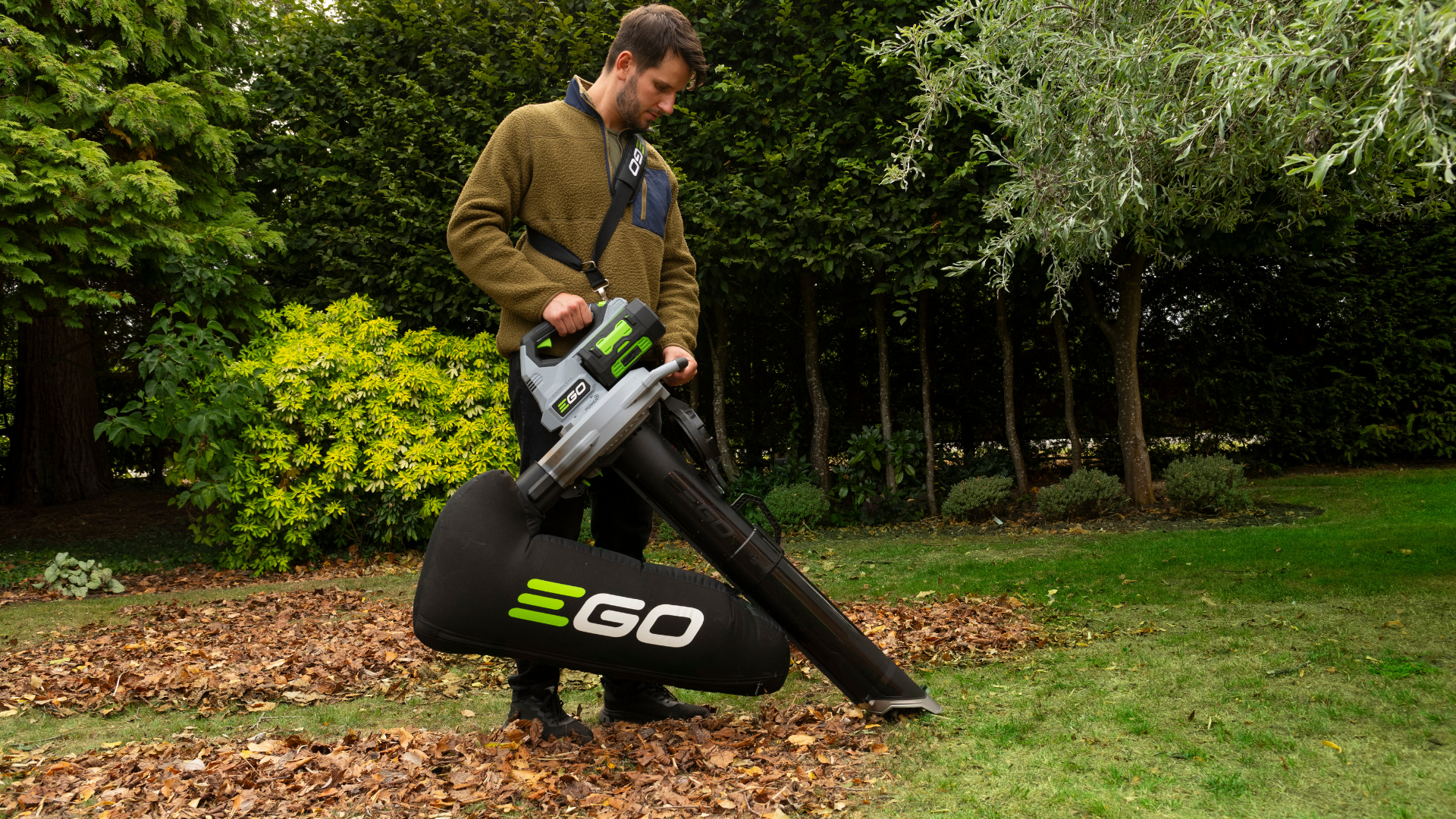
How does a leaf blower work? — Basic principle
A leaf blower converts energy into moving air. The device uses a motor or engine to spin an impeller or fan. That spinning fan forces air into a narrow tube or nozzle. The nozzle speeds the air up and focuses it into a stream that pushes leaves, grass clippings, and light debris.
Think of it like a garden hose and nozzle. When you narrow the nozzle, the same water moves faster and travels farther. A leaf blower does the same with air. How does a leaf blower work? It creates flow and pressure to nudge debris into motion, often in predictable paths.

Main components and how each part contributes
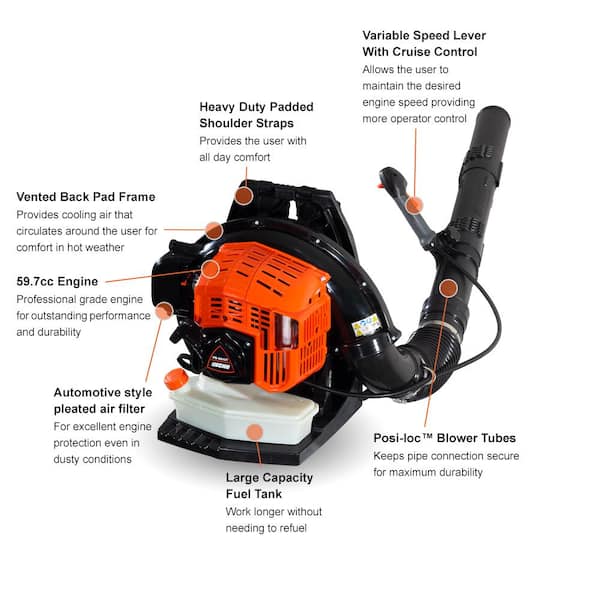
The main parts explain how a leaf blower works in detail:
- Motor or engine
- Electric models use an electric motor. Gas models use a small internal combustion engine.
- The motor provides rotational power to the fan.
- Impeller or fan
- A curved blade assembly that accelerates air outward by centrifugal force.
- Faster spin equals more airflow and more force on debris.
- Housing and air intake
- Directs air to the fan and prevents clogging.
- Filters on some models help keep debris out of the motor.
- Nozzle or tube
- Shapes and speeds the airflow. Narrower nozzles boost airspeed; wider tubes increase volume.
- Throttle or variable speed control
- Lets you balance power, run time, and noise.
Knowing these parts helps answer how a leaf blower works at a component level. When the motor spins the impeller, it increases air pressure inside the housing and forces air out the nozzle, delivering a focused stream.
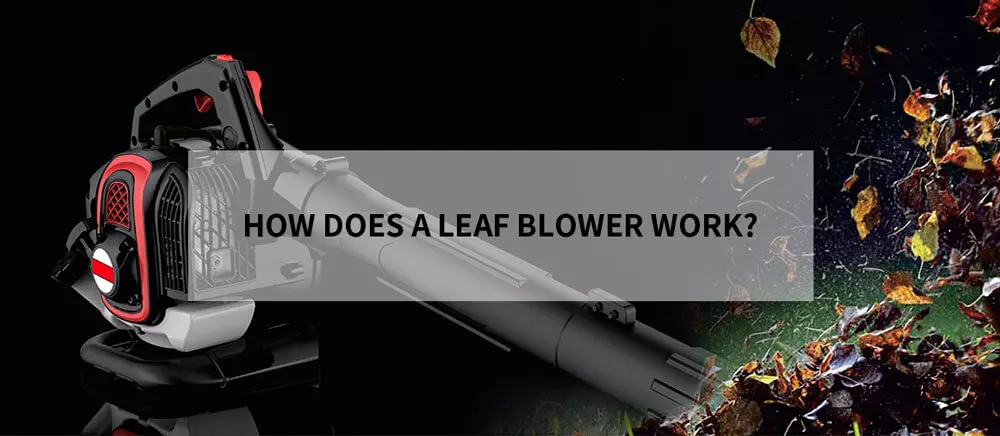
Types of leaf blowers and differences in operation
Leaf blowers come in several main types, and each affects how a leaf blower works in practice:
- Corded electric
- Plug into mains. They give steady power with low maintenance.
- Best for small yards and light debris.
- Cordless battery-powered
- Use lithium batteries. Offer quiet, low-emissions use.
- Battery capacity limits runtime and peak power.
- Gas-powered (two-stroke or four-stroke)
- Very powerful and portable. Two-stroke mixes oil with gas; four-stroke has separate oil.
- Heavier and noisier, but best for large areas.
- Backpack and handheld
- Backpack models place weight on shoulders for comfort during long use.
- Handheld units are lighter and easier for quick jobs.
How does a leaf blower work across these types? The core idea is identical: rotate a fan to move air. Differences lie in power source, weight, and practical airflow numbers (CFM and MPH).
Airflow metrics: CFM, MPH, and why both matter
Two metrics define performance and explain how a leaf blower works best for different jobs:
- CFM (cubic feet per minute)
- Measures volume of air moved. Higher CFM shifts more mass and helps clear piles.
- MPH (miles per hour)
- Measures airspeed. Higher MPH breaks surface friction and moves wet debris.
A blower with high CFM but low MPH will move many leaves slowly, good for wide areas. A blower with high MPH but low CFM creates a narrow, forceful stream for stuck debris. The best units balance both. When wondering how does a leaf blower work for your yard, compare CFM and MPH to your tasks.
Physics behind the push: simple explanation
At a simple level, how does a leaf blower work using physics? It uses energy to create a pressure and velocity difference that overcomes static friction and wind resistance acting on debris. Key ideas:
- Momentum transfer: fast-moving air exerts force on leaves, pushing them forward.
- Pressure gradients: the blower raises pressure inside the nozzle then lowers it outside, creating flow.
- Shear and lift: air flowing under and around leaves can lift them and reduce contact with the ground.
You do not need advanced math to use a blower well. Instead, think about angle, distance, and sweep speed to control paths of debris.
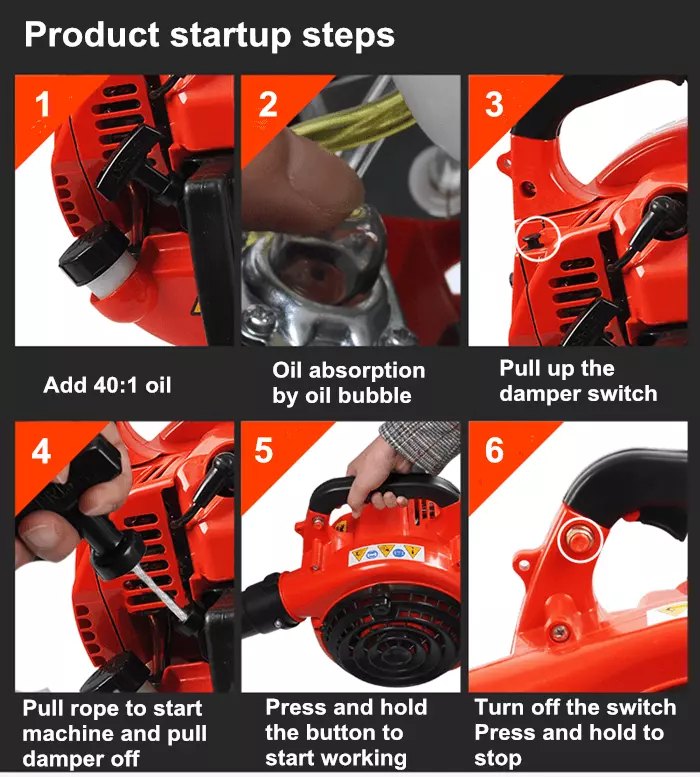
Practical use tips from experience
Over the years I’ve used many models. Here are the tips I learned the hard way:
- Use angle and distance
- Aim at a low angle and keep the nozzle a foot or two above the surface for steady control.
- Start slow, then increase power
- Move debris into manageable piles instead of blasting small bits everywhere.
- Combine tools
- A rake or collection tarp works well after blowing leaves together.
- Mind runtimes on batteries
- Keep spare batteries charged. For big yards, battery swap beats repeated charging.
These small habits show how a leaf blower works best in real life. Proper technique often matters more than raw specs.
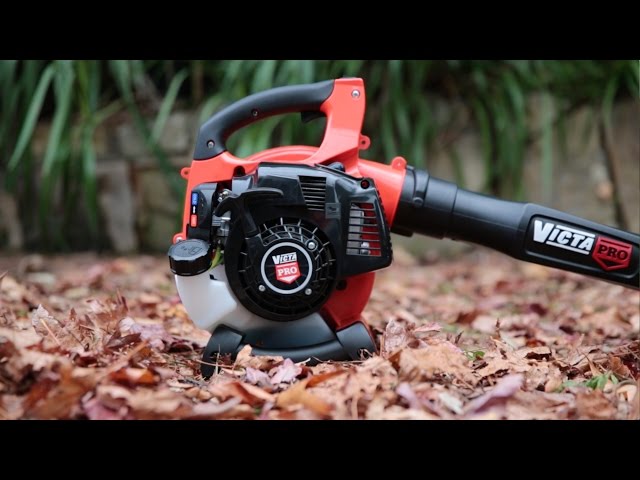
Maintenance and safety essentials
Good care keeps a blower working longer and explains how a leaf blower works reliably over years:
- Regular cleaning
- Clear the air intake and nozzle of debris. Replace or clean filters.
- Fuel and oil care for gas models
- Use fresh fuel and recommended oil. Drain fuel for winter storage.
- Battery care
- Store batteries at recommended charge levels and avoid extreme temperatures.
- Safety
- Wear eye and ear protection. Avoid pointing the nozzle at people, pets, or fragile plants.
Routine maintenance preserves airflow and power. This keeps your blower performing as you expect when wondering how a leaf blower works on any given day.
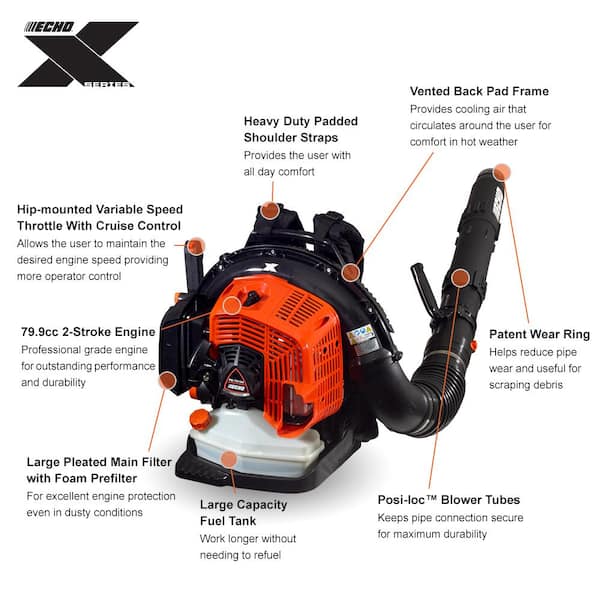
Environmental and noise considerations
When choosing how a leaf blower works for your needs, consider impacts:
- Emissions
- Gas blowers emit fumes. Electric models avoid tailpipe emissions.
- Noise
- Some areas restrict high-noise equipment. Check local rules.
- Alternatives
- Raking, mulching mowers, and vacuum-blowers can reduce noise and carbon footprint.
Balance performance with local rules and environmental goals. My experience: for small yards, an electric or cordless model is often the best blend of power and low impact.
Buying guide and choosing the right blower
Ask these quick questions to decide how a leaf blower works for your yard:
- How big is your yard?
- Small: corded electric or small cordless. Medium: mid-range cordless or handheld gas. Large: backpack gas.
- Do you need long runtime?
- Look for higher battery capacity or gas models.
- Are you in a noise-sensitive area?
- Choose low-decibel electric models.
Also consider weight, comfort, and available accessories like collection kits or vacuum attachments. These choices determine how a leaf blower works in everyday use for you.
PAA-style questions
What power source is best for a typical suburban yard?
- For most suburban yards, a mid-range cordless or small gas model gives a good mix of power and convenience. Cordless models are quieter and lower maintenance.
How do nozzle shape and length affect performance?
- Narrower nozzles increase airspeed and reach, while wider tubes move more volume. Match nozzle style to the job you do most.
Can you use a leaf blower to clean gutters?
- With care, handheld models can blow light debris out of gutters, but a specialized gutter attachment or cleaning by hand is safer and more effective.
Is a higher CFM always better?
- Not always. Higher CFM moves more debris, but you also need sufficient MPH to dislodge stuck or wet material. Balance both numbers.
How often should I service a gas blower?
- Inspect spark plugs, air filters, and fuel lines once a season or after heavy use. Replace parts based on the manufacturer's schedule and performance signs.
Frequently Asked Questions of How does a leaf blower work?
How does a leaf blower work to move wet leaves?
Wet leaves need higher airspeed and often multiple passes. Use a blower with higher MPH and angle your nozzle to pry leaves free.
How does a leaf blower work without a nozzle?
Without a nozzle, the airflow is wide and loses speed. The nozzle concentrates the airflow to increase force and reach.
How does a leaf blower work on gravel or mulch without scattering it?
Use lower speed, wider nozzle, and keep the nozzle farther away. Sweep gently to avoid tossing heavy particles.
How does a leaf blower work in cold weather?
Cold air is denser and can transfer force slightly better, but batteries may lose capacity in the cold. Gas models start more easily with proper fuel care.
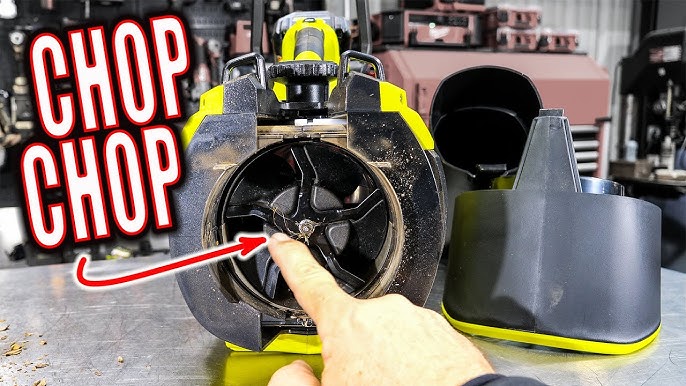
How does a leaf blower work when used as a vacuum or mulcher?
Vacuum/mulcher models reverse or redirect airflow and use a shredding mechanism to reduce leaf volume. They trade some blowing power for collection and shredding.
How does a leaf blower work to clear snow?
Leaf blowers can clear light, powdery snow but not heavy or wet snow. High airspeed and careful technique help for thin layers only.
Conclusion
You now know how a leaf blower works at the component, performance, and practical levels. The device turns rotational power into focused air that moves debris, and choices about power source, CFM, and MPH change how well it handles different jobs. Try a small test area, tune your technique, and pick a model that fits your yard size and noise limits.
Take action today: evaluate your yard, compare specs, and choose a blower that matches your needs. If this guide helped, consider sharing your results or asking for model recommendations in the comments.


2 Comments
Pingback: Leaf Blower Safety Tips For Homeowners: Quick Safety Guide - Vacuum Cleaner Tips
Pingback: How To Use A Leaf Blower Effectively: Pro Tips - Vacuum Cleaner Tips