

Use proper PPE, clear the work area, and operate at safe speeds and distances.
I’ve spent years maintaining yards and testing equipment, so I know which leaf blower safety tips for homeowners actually work. This guide lays out clear, practical steps you can use today to avoid injuries, protect property, and keep your yard work fast and low-stress. Read on to get easy-to-follow advice, expert insight, and a simple checklist you can use before every job.

Why leaf blower safety matters
Leaf blower safety tips for homeowners matter because these tools move air at high speed and can cause injury, hearing loss, and property damage if used carelessly. Even a short task can lead to a strain, eye injury, or a thrown object hitting a window or person. Safety cuts risk and helps you complete yard work faster and with less cleanup afterward.
From my experience, accidents often come from rushing, poor maintenance, or skipping basic protective gear. Treat each job like a mini project. Plan, check your equipment, and protect yourself and others before starting.
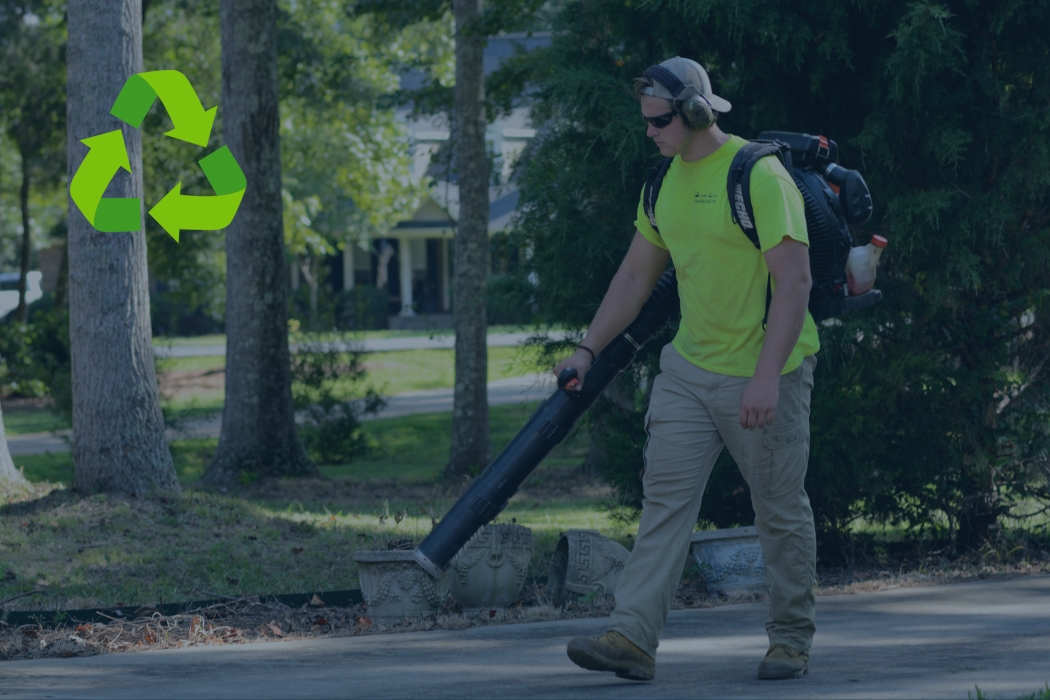
Types of leaf blowers and safety considerations
Different blowers have different risks. Know the machine before you use it.
- Electric corded blowers
- Safer for fumes and weight, but present trip and cord-cut hazards.
- Battery-powered blowers
- Quieter and portable, but can overheat if battery is damaged.
- Gas-powered blowers
- Powerful and heavy, with vibration, noise, and fuel hazards.
Match the tool to the job. Use lighter, battery models for light cleanup and reserve gas models for heavy wet leaves or large areas. Inspect the intake and nozzle for cracks or loose parts before each use. Leaf blower safety tips for homeowners include choosing the right blower for your yard size and personal strength.

Personal protective equipment (PPE) and clothing
Wearing the right gear reduces risk and keeps you comfortable.
- Eye protection
- Use snug safety glasses or a face shield to stop debris and dust.
- Hearing protection
- Use earplugs or earmuffs; many blowers exceed safe noise levels.
- Respiratory protection
- Wear a simple dust mask when working in dusty conditions or long sessions.
- Gloves
- Use durable gloves to improve grip and reduce vibration fatigue.
- Clothing and shoes
- Wear long pants, close-toed shoes with good traction, and avoid loose clothing.
I once brushed off hearing protection and noticed a ringing ear after an hour with a gas blower. Now I always wear earmuffs even for short jobs. Leaf blower safety tips for homeowners always start with PPE.

Safe operation practices
Follow these steps every time you use a blower.
- Survey the area
- Remove stones, toys, and debris that could fly. Secure pets and kids indoors.
- Check conditions
- Avoid using blowers in high winds or when visibility is low. Wet leaves are heavier; adjust technique.
- Start and stop safely
- Start the blower on stable ground and point the nozzle away from people, pets, and fragile items.
- Maintain control
- Use both hands when possible. Walk slowly and avoid overreaching or awkward postures.
- Mind the noise and timing
- Use blowers during allowed hours. Respect neighbors and local noise ordinances.
Keep a safe distance from others. A strong nozzle can hurl small projectiles far away. Remember these leaf blower safety tips for homeowners: slow, steady, and aware beats fast and careless.
Quick question: Can a leaf blower damage plants? Yes. High air speed can strip flowers or young leaves. Use a low setting near delicate plants.
Quick question: How close can I blow to a window? Keep at least several feet away and angle air parallel to the surface to avoid shattering or pushing grit into seals.
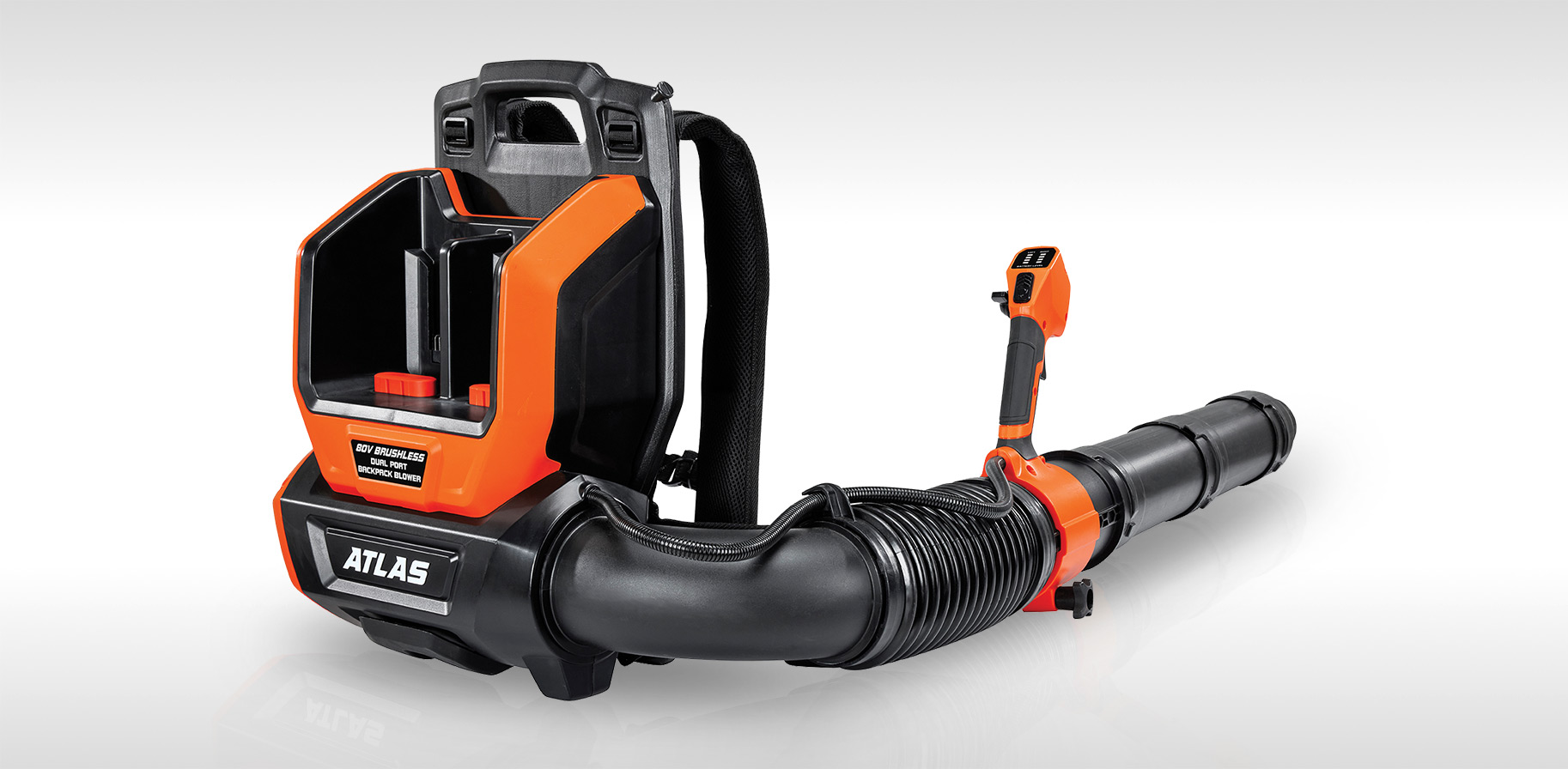
Maintenance and storage
Proper care prevents failures that cause accidents.
- Routine checks
- Inspect fasteners, guards, intake screens, and nozzles before use.
- Clean and replace parts
- Clear debris from the blower after use. Replace damaged filters and worn spark plugs.
- Fuel safety for gas models
- Store fuel in approved containers. Refuel outdoors with the engine off and cool.
- Battery care for electric models
- Charge in a dry, ventilated area and follow manufacturer rules for storage and disposal.
- Scheduled professional service
- Have gas engines serviced yearly. Vibration and wear can loosen critical parts.
I once ignored a small crack in a nozzle. It grew and caused a sudden imbalance. Regular checks would have prevented that failure. These simple leaf blower safety tips for homeowners keep machines reliable and safe.
Common hazards and how to avoid them
Anticipate hazards and reduce risk.
- Flying debris
- Wear eye protection and clear the area. Blow away from people and cars.
- Hearing damage
- Use hearing protection. Limit exposure time.
- Respiratory irritation
- Use a dust mask when dry leaves or mold are present.
- Slips, trips, and falls
- Keep work area tidy. Use proper footwear and watch footing on slopes.
- Carbon monoxide
- Never run gas blowers inside enclosed spaces like garages.
- Fire risk
- Avoid smoking around fuel. Store fuel safely.
Knowing common hazards lets you plan. My rule: if a job feels risky, stop and reassess. Sometimes using a rake or leaf vacuum is safer and quieter. Leaf blower safety tips for homeowners include choosing the right method for the job.
Leaf blower safety tips for homeowners: quick checklist
Use this checklist before you start.
- Inspect the blower for damage and loose parts.
- Wear eye, ear, respiratory, and hand protection.
- Clear the work area of people, pets, and objects.
- Choose the correct power mode and nozzle setting.
- Keep a safe distance from structures, vehicles, and landscaping.
- Follow local time and noise rules.
- Refuel or recharge safely and store equipment properly.
Print or save this checklist on your phone. I keep a laminated copy in my shed. It has stopped small mistakes and cut my cleanup time. Remember that leaf blower safety tips for homeowners are simple habits that pay off in safety and time saved.
Frequently Asked Questions of Leaf blower safety tips for homeowners
How loud are leaf blowers and do I need protection?
Leaf blowers often exceed safe hearing levels, especially gas models. Use ear protection for all sessions longer than a few minutes and always on noisy machines.
Can leaf blowers damage lawns or plants?
High-speed air can strip leaves and scatter mulch. Use lower settings near plants or switch to a rake for delicate areas.
Is a mask necessary when using a leaf blower?
A mask is recommended when dust, mold, or pollen is present, or during long tasks. A simple disposable mask helps reduce respiratory irritation.
Are electric blowers safer than gas blowers?
Electric and battery blowers reduce fumes and are lighter, which lowers some risks. Gas blowers are louder and heavier, requiring stricter safety checks.
How should I store fuel and batteries safely?
Store fuel in approved containers in a ventilated area away from heat. Keep batteries in a cool, dry place and follow manufacturer charging and disposal rules.
What is the best way to protect neighbors from noise and debris?
Operate during allowed hours and point airflow away from neighboring yards and streets. Communicate with neighbors about your schedule when possible.
Conclusion
Leaf blower safety tips for homeowners boil down to three things: preparation, protection, and proper use. Inspect gear, wear the right PPE, and operate at safe speeds and distances to avoid injuries and damage. Start using the checklist today and make yard work safer and more efficient.
Take action now: review your equipment, pack the PPE, and try the checklist on your next cleanup. Leave a comment with your own tip or a question, and consider subscribing for more practical home-safety guides.

