

A lawn sweeper collects leaves quietly and cleanly; a leaf blower moves debris fast but can scatter mess.
I’ve tested both tools on small and large yards for years. In this guide I break down lawn sweeper vs leaf blower so you can pick the right tool. I explain how each works, real-world pros and cons, costs, noise and environmental trade-offs, and practical tips from hands-on use. Read on to decide which fits your yard, budget, and cleanup style.

How lawn sweepers and leaf blowers work
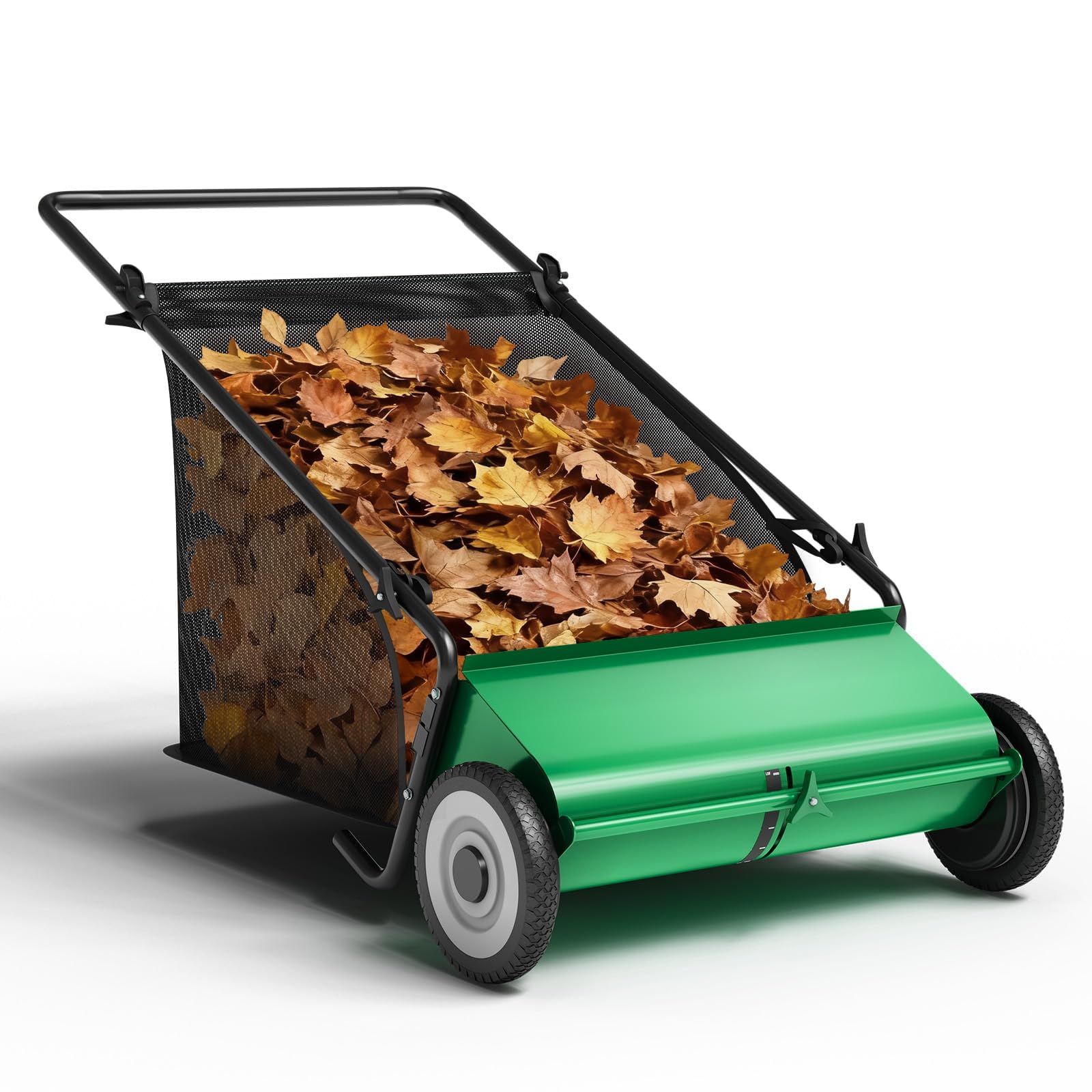
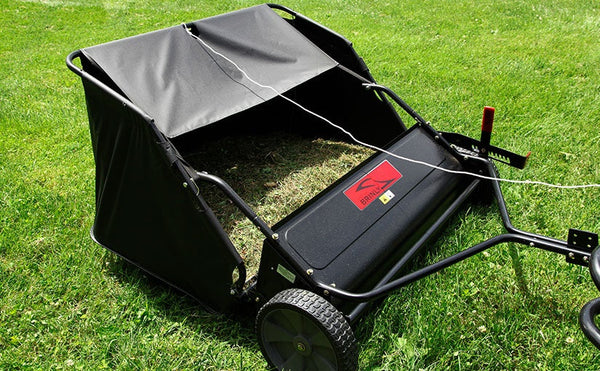
A lawn sweeper uses rotating brushes and a hopper to lift and store leaves, grass clippings, and light debris. You pull or tow it across the lawn, and the brushes sweep material into the hopper for disposal.
A leaf blower moves air at high speed to push or vacuum leaves. Handheld blowers aim piles for pickup. Backpack and walk-behind blowers add power for larger jobs.
Both tools handle leaves, but they act differently. The lawn sweeper removes and contains. The leaf blower relocates and collects or piles. Choose based on whether you want to pick up debris or move it first.
:max_bytes(150000):strip_icc()/spr-agri-fab-44-in-tow-behind-lawn-sweeper-sara-luckey-05-ae43479260514cb9b433895fe90a7894.jpeg)
Performance comparison: speed, clean-up quality, and ideal jobs
Speed
- Leaf blower: fastest for clearing large, open areas and hard surfaces. It moves leaves quickly into piles.
- Lawn sweeper: slower but picks up debris in one pass on grass.
Cleanup quality
- Lawn sweeper: removes debris from turf and reduces remaining loose material.
- Leaf blower: can leave small bits behind, especially wet leaves or debris near edges.
Ideal jobs
- Leaf blower: driveways, patios, gutters, and quick leaf moves across large yards.
- Lawn sweeper: regular lawn maintenance, collecting spent flowers, seeds, and weekly pickups.
People also ask
What works better on wet leaves?
- Wet leaves stick and clump. A lawn sweeper struggles with heavy wet material. A powerful leaf blower can move wet leaves but may scatter them. Best to rake or let leaves dry first.
Can I use both tools together?
- Yes. Use a leaf blower to pile leaves from hard surfaces and edges, then use a lawn sweeper for the lawn. This combo saves time and gives a clean finish.
How long does each tool take per 1,000 sq ft?
- A leaf blower can clear a driveway and lawn edges in 10–20 minutes. A lawn sweeper may take 20–40 minutes depending on hopper size and walking speed.

Pros and cons of lawn sweeper vs leaf blower
Lawn sweeper pros
- Cleans and contains leaves and debris in one pass.
- Quiet and neighbor-friendly.
- Low maintenance for basic models.
Lawn sweeper cons
- Slower on large yards.
- Less effective on steep slopes and wet leaves.
- Needs storage space for the hopper.
Leaf blower pros
- Fast and versatile for many surfaces.
- Good for tight spots, gutters, and hardscapes.
- Powerful models handle wet or compacted leaves.
Leaf blower cons
- Noisy and may disturb neighbors.
- Can scatter debris and dust.
- Often higher maintenance for gas models.

Cost, maintenance, and lifespan
Initial cost
- Basic manual or push lawn sweepers: low to moderate cost.
- Tow-behind or high-capacity sweepers: moderate to high cost.
- Leaf blowers: wide price range from budget electric to high-end gas backpack units.
Ongoing costs
- Lawn sweeper: minimal. Occasional brush replacement and hopper cleaning.
- Leaf blower: electric models have low running cost. Gas models need fuel, oil, and spark plugs.
Lifespan
- With care, a lawn sweeper lasts many seasons. Brushes and wheels are replaceable.
- Leaf blowers last well when maintained. Gas models need more care but can last for years.
Budget tip
- If you already have a mower with a tow hitch, a tow-behind lawn sweeper can be a cost-effective upgrade.
Environmental and noise considerations
Noise
- Lawn sweepers are quiet. They are best for noise-sensitive neighborhoods.
- Leaf blowers can be loud, especially gas models. Many areas restrict blower use by time or type.
Air quality and emissions
- Gas leaf blowers add emissions and dust. Electric blowers are cleaner.
- Lawn sweepers do not produce emissions during use.
Community rules
- Check local ordinances. Some towns ban gas leaf blowers or limit hours. A lawn sweeper may avoid restrictions.

Choosing the right tool: scenarios and decision steps
Decision factors
- Yard size: For yards under 5,000 sq ft, a leaf blower often finishes faster. For weekly maintenance of lawns, consider a lawn sweeper.
- Surface mix: If you have many hardscapes, a leaf blower helps. For mostly turf, a lawn sweeper is ideal.
- Frequency: If you clean leaves weekly, a lawn sweeper reduces repeated dust and work.
- Noise and neighbors: If quiet is important, choose a lawn sweeper or an electric blower.
Practical scenarios
- Small yard with neighbors and quiet rules: lawn sweeper or electric blower.
- Large property with trees and lots of leaves: powerful leaf blower plus periodic sweeper or vacuum mower.
- Mixed surfaces and quick cleanups: leaf blower first, sweeper second.
Quick decision list
- Want fast pile and move: choose a leaf blower.
- Want pickup and containment: choose a lawn sweeper.
- Want both: use them together for best results.

Personal experience and practical tips
I’ve used both tools across different seasons. For a suburban lawn with maples and oaks, I start with a leaf blower to move edge leaves into the grass. Then I run a lawn sweeper over the turf. This combo cut cleanup time by half and left the lawn tidy.
Lessons learned
- Don’t try to sweep when leaves are soaked after rain. Let them dry a day.
- Adjust sweeper brushes and hopper height for best pickup. Too low clogs; too high misses debris.
- For leaf blower use, work with the wind, not against it.
Tips I recommend
- Use an electric blower in close neighborhoods to reduce complaints.
- Empty the sweeper hopper often to keep pick-up efficient.
- Store both tools dry and clean the brushes and intakes each season.
Frequently Asked Questions
Which is better for large properties, a lawn sweeper vs leaf blower?
For large properties a leaf blower often clears leaves faster, especially with a backpack or walk-behind unit. Use a sweeper for final pickup or weekly lawn care.
Can a lawn sweeper handle wet leaves?
Wet leaves tend to clump and can clog a lawn sweeper. It works best on dry or slightly damp leaves after they’ve had time to dry.
Are electric leaf blowers as powerful as gas models?
Electric blowers have improved and are quieter and cleaner, but gas models still offer more raw power for heavy wet debris. For most homes, a modern electric model is sufficient.
Do lawn sweepers damage grass?
A properly adjusted lawn sweeper should not damage turf. Set brush height to avoid digging and test on a small area first.
How often should I maintain these tools?
Inspect and clean after each season. Replace brushes on a sweeper when worn. For blowers, follow the manual for spark plug, filter, and oil checks.
Conclusion
Choosing between a lawn sweeper vs leaf blower comes down to your yard size, surface types, noise limits, and how you like to clean. Use a leaf blower for speed and versatility. Use a lawn sweeper for quiet, contained pickups and a cleaner lawn finish. Often, the best solution is both tools used together.
Make a plan: assess your yard, try one tool, and add the other if needed. If you found these tips helpful, try the combo on your next cleanup and share your results or questions below.

