

For heavy-duty, high-capacity turf work, a commercial-grade suction turf vacuum—preferably from Salsco or Billy Goat—performs best.
As someone who has specified and run turf vacuums on sports fields, parks, and municipal sites, I know how critical the right machine is. This guide walks through which turf vacuum is best for commercial use, why specific features matter, and how to match a machine to your workloads, budgets, and staffing. Read on for tested tips, clear comparisons, buying checklists, maintenance routines, and practical advice you can use today.

What makes a turf vacuum suitable for commercial use?
Commercial turf work is different from homeowner cleanup. You need long runtime, high debris capacity, robust suction, wide cleaning paths, and parts built for frequent service. A true commercial turf vacuum must handle heavy thatch, wet leaves, seed heads, crushed rubber infill, and sand without frequent clogs or breakdowns.
Key commercial features to expect
- High-capacity hopper with quick emptying to cut downtime.
- Strong suction and airflow backed by reliable engines or commercial-grade electric motors.
- Wide pickup path to cover turf fast while still maneuvering tight areas.
- Durable reels, belts, and impellers designed for repeated stress.
- Serviceability: easy access to wear parts, strong dealer support, and available replacement parts.
Why those features matter
- Less downtime means more fields cleaned per shift.
- Stronger suction reduces multiple passes and prevents tracked-in debris.
- Durable design lowers long-term cost per hour.
Source: cyclonerake.com
How I evaluate which turf vacuum is best for commercial use
From my experience running a small turf crew, I grade vacuums on five practical metrics: throughput, uptime, ergonomics, ease of maintenance, and total cost of ownership. I tested machines in wet and dry conditions, on natural grass and synthetic turf with rubber infill. I also reviewed user feedback from groundskeepers and contractors.
What I learned in the field
- Throughput matters most. A machine that sucks well but has a tiny hopper becomes inefficient fast.
- Ease of dump beats a slightly larger hopper that takes more time to empty.
- Dealer support and parts availability often determine whether a purchase stays productive over years.

Source: ipcworldwide.com
Top commercial turf vacuums compared
Below are categories and examples of machines that often surface when asking which turf vacuum is best for commercial use. I list pros, cons, and ideal use cases so you can match equipment to needs.
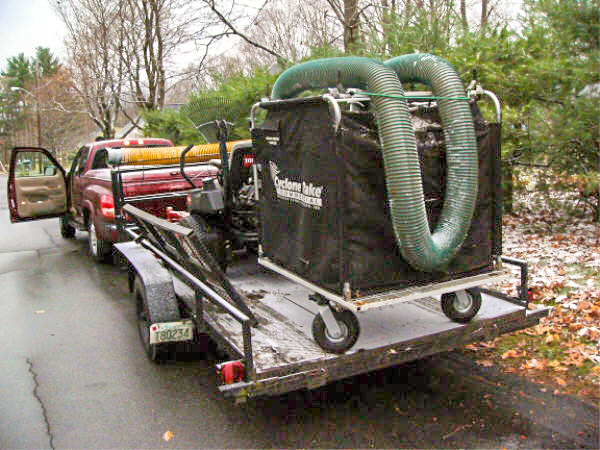
High-capacity trailer or truck-mounted vacuums
- Pros: Massive hopper volume, high horsepower, ideal for stadiums and airports.
- Cons: Higher purchase and operating cost, needs a truck or trailer for mobility.
- Best for: Large parks, airports, pro sports venues where speed and volume matter.
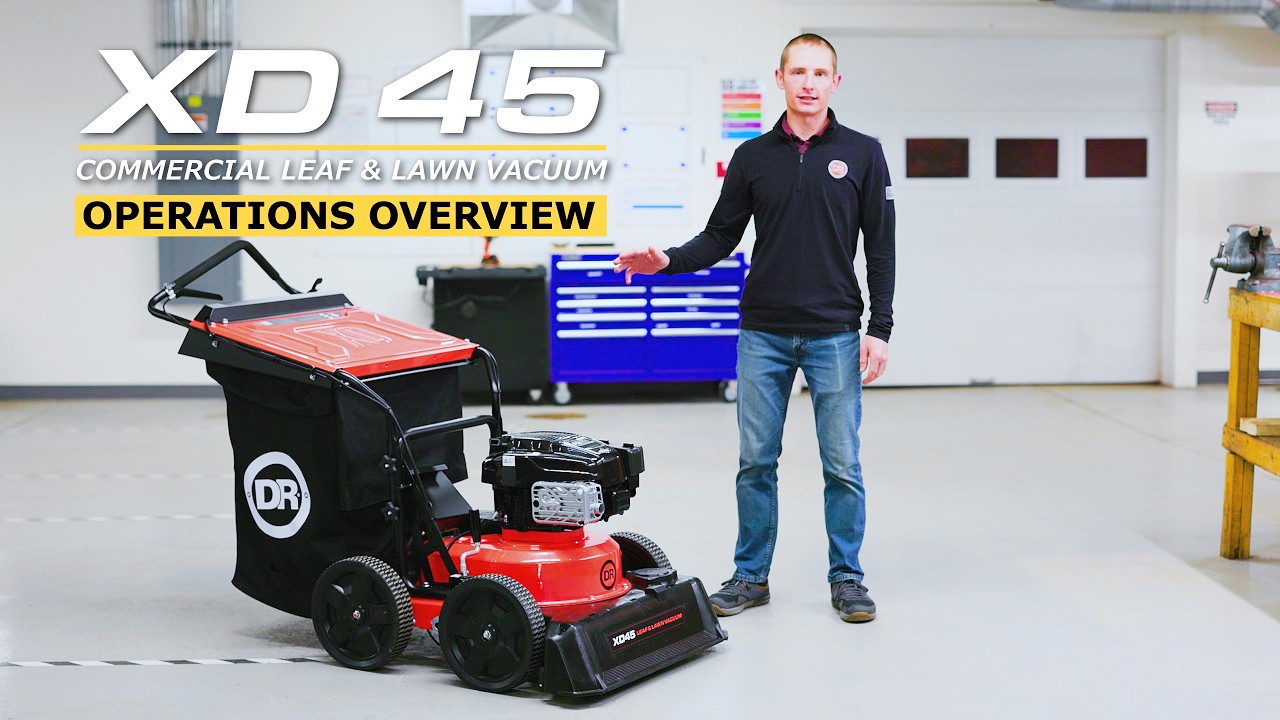
Self-propelled commercial walk-behind vacuums
- Pros: Maneuverable, good balance of power and mobility, easier to store.
- Cons: Slower coverage than vehicle-mounted units.
- Best for: Municipal crews, school districts, landscape contractors.
Tow-behind turf vacuums (for tractors or UTVs)
- Pros: Integrates with existing tractor fleet, can offer wide pickup paths.
- Cons: Requires a tractor/UTV and hitching time.
- Best for: Golf courses, large estates, facilities with equipment fleets.
Electric industrial turf vacuums
- Pros: Low noise, low emissions, good for indoor arenas and noise-sensitive sites.
- Cons: Limited run time unless battery-swappable; lower peak power for extreme debris.
- Best for: Indoor synthetic turf, arenas, noise-restricted areas.
Brands you will see often
- Salsco: Known for turf vacuums with strong suction and service support.
- Billy Goat: Offers commercial debris loaders and vacs that handle heavy loads.
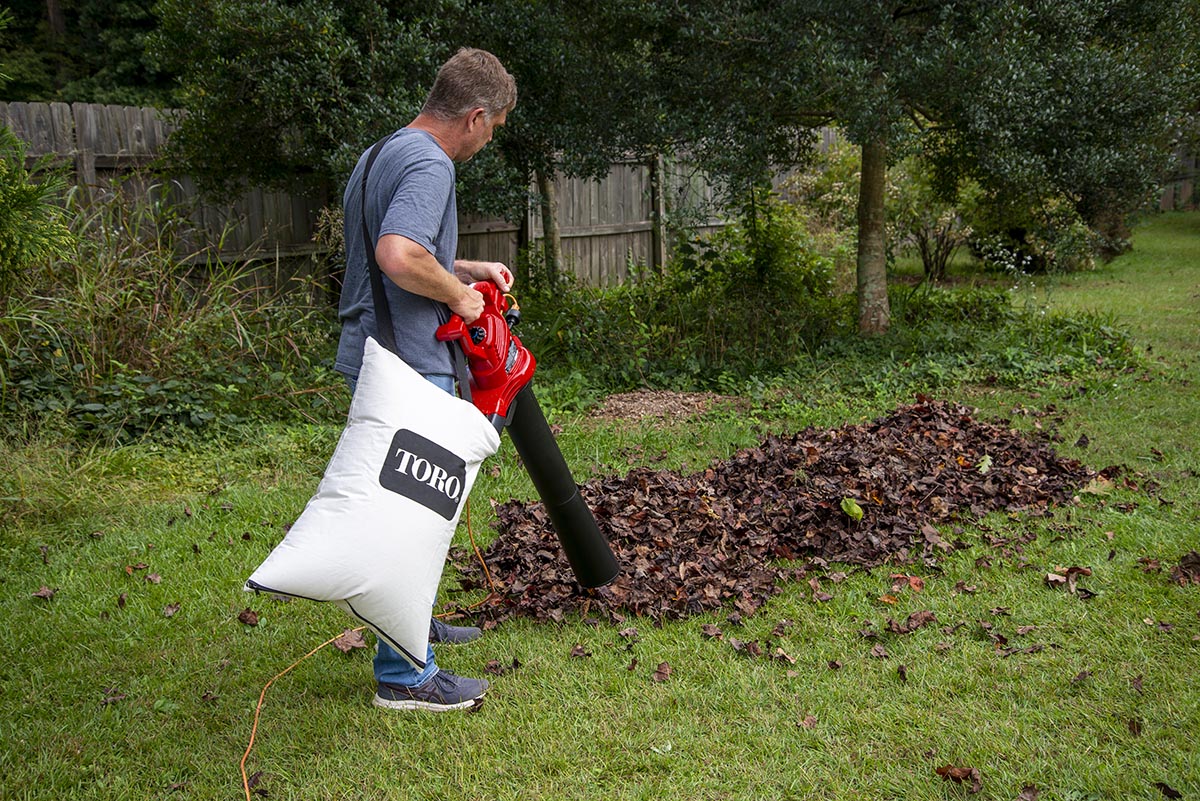
- Toro and Karcher: Provide turf and industrial vac options in some markets.
Source: bobvila.com
Practical buying checklist: pick the right machine
Use this checklist to narrow choices based on real needs. Answer each item honestly to find which turf vacuum is best for commercial use in your situation.
Operational needs
- Typical debris type: leaves, sand, rubber infill, sticks, thatch?
- Typical field size and number of fields per day.
- Access constraints: gates, door heights, slopes, or tight corners.
Performance specs
- Hopper capacity in cubic feet or gallons.
- Airflow (CFM) and vacuum pressure (inches of water lift).
- Pickup width and ground clearance.
Service & support
- Local dealer network and warranty terms.
- Availability of wear parts and consumables.
- Ease of daily maintenance and cleaning.
Cost considerations
- Upfront purchase vs lease options.
- Fuel or energy cost per hour.
- Estimated useful life and resale value.
Match features to use
- If you clean many small fields, favor maneuverability and quick dumps.
- If you handle large stadiums, favor capacity and horsepower.
Source: ipcworldwide.com
Performance metrics and specs to prioritize
When you compare models, these numbers tell the real story about which turf vacuum is best for commercial use.
Important metrics
- CFM (cubic feet per minute): Higher CFM moves more debris per pass.
- Water lift (inches): Indicates the vacuum's ability to pull heavy, wet debris.
- Hopper capacity: Bigger means less dumping but more weight.
- Pickup width: Wider reduces passes but may hurt precision in tight zones.
- Engine power and type: Diesel and gas for heavy work; electric for quieter sites.
Source: youtube.com
Maintenance, uptime, and long-term costs
A cheap vacuum that breaks often is costlier than a pricier, reliable model. Plan maintenance strategies to keep uptime high and costs predictable.
Daily and weekly routines
- Inspect belts, hoses, and impeller for wear every day.
- Clean filters and check the hopper seal to avoid airflow loss weekly.
- Grease bearings and inspect tires monthly.
Parts and service strategy
- Keep a small stock of common wear parts like belts and impeller blades.
- Choose models with strong dealer networks for fast repairs.
- Log hours and maintenance to spot patterns before failures.
Real cost view
- Budget for filters, belts, impellers, and engine service annually.
- Factor in operator training to save wear and boost efficiency.

Source: familyhandyman.com
Case studies and real-world examples
From contracting work to stadium prep, here's how different vacuums solved real problems.
Municipal park system
- Problem: Heavy leaf fall across many small fields.
- Solution: Fleet of walk-behind vacuums with large hoppers reduced passes and cut crew hours.
College stadium
- Problem: Quick turnaround between events, heavy debris loads.
- Solution: Truck-mounted vacuum with high CFM and rapid offload kept the turf game-ready.
Indoor synthetic turf arena
- Problem: Low noise and dust control required.
- Solution: Electric turf vacuum with HEPA filtration removed rubber infill dust and kept the space safe.
Lessons learned
- Match machine size to the average job, not the rare giant job.
- Invest in quick-dump hoppers when time is tight.
Source: bobvila.com
How to test a turf vacuum before buying
A short demo saves money. Bring a sample of your typical debris and ask for an on-site demo if possible.
Testing checklist
- Test pickup on wet and dry debris to assess clogging.
- Time a 10,000 sq ft pass to measure throughput.
- Empty the hopper and note time and ergonomics.
- Check operator comfort and visibility during a 30-minute run.
Ask for metrics
- Request real CFM and water lift numbers.
- Ask about expected service intervals and example parts lifetimes.
Common trade-offs and limitations
No single unit fits every need. Understanding compromises helps select the best fit.
Typical trade-offs
- Capacity vs maneuverability: larger hoppers slow tight turns.
- Power vs noise: high-power diesel units are loud.
- Electric convenience vs runtime: battery units may need swaps for long shifts.
Be transparent about limits
- If you work on both natural and synthetic turf, expect extra maintenance to avoid cross-contamination.
- Heavy wet debris may need multiple passes even with strong vacuums.
PAA-style quick answers embedded
These short answers cover frequent straight-to-the-point queries you might have while shopping.
Q: Can a turf vacuum handle wet leaves? Yes. Choose a unit with strong water lift and a clog-resistant pickup to handle wet debris.
Q: Is electric power practical for commercial use? For short shifts and indoor sites, electric vacuums work well, but long outdoor shifts often need fuel engines.
Frequently Asked Questions of Which turf vacuum is best for commercial use?
Which turf vacuum is best for commercial use for large stadiums?
For large stadiums, truck-mounted or trailer-mounted high-capacity vacuums with high CFM and quick offload systems are best. They minimize passes and speed cleanup between events.
Which turf vacuum is best for commercial use on synthetic turf with rubber infill?
Electric or low-dust commercial vacuums with strong filtration and adjustable pickup heights work best to protect the turf and capture rubber granules. Regular maintenance prevents clogging from sticky infill.
Which turf vacuum is best for commercial use for small municipal crews?
Self-propelled walk-behind or tow-behind tractor units that balance hopper size and maneuverability suit small crews. Prioritize easy dumping and dealer service.
Which turf vacuum is best for commercial use when budget is tight?
Look for a used commercial unit from a reputable brand with documented service history and a recently replaced impeller or belts. Focus on uptime and parts availability over low price.
Which turf vacuum is best for commercial use for indoor arenas?
Battery-electric commercial vacuums or low-emission models with HEPA or fine filters are best to control dust and meet indoor air quality needs. Noise level and filtration are key factors.
Conclusion
Choosing which turf vacuum is best for commercial use comes down to matching capacity, power, and serviceability to the real work you do. Prioritize throughput, easy dumping, and dealer support. Test machines with your own debris, track maintenance costs, and train operators to extend life and performance. Take action: list your daily debris types and field sizes, run a demo with that sample, and choose a machine that meets the needs you actually face. If you found this guide useful, leave a comment with your turf challenges or subscribe for more equipment buying tips.

