

If you've ever stood in the hardware store staring at a row of wet/dry vacuums, you know the first question that pops up: What tank size shop vacuum do I need? It sounds simple, but most people get it wrong. They buy a giant drum they never want to move, or a tiny tank that fills up before the job is half done.
Tank sizes run from 5 gallons to 30 gallons or more. As of 2026, manufacturer specs and buyer feedback suggest most homeowners settle into the 10 to 14-gallon range. That's the sweet spot between portability and how often you have to stop to empty the tank.
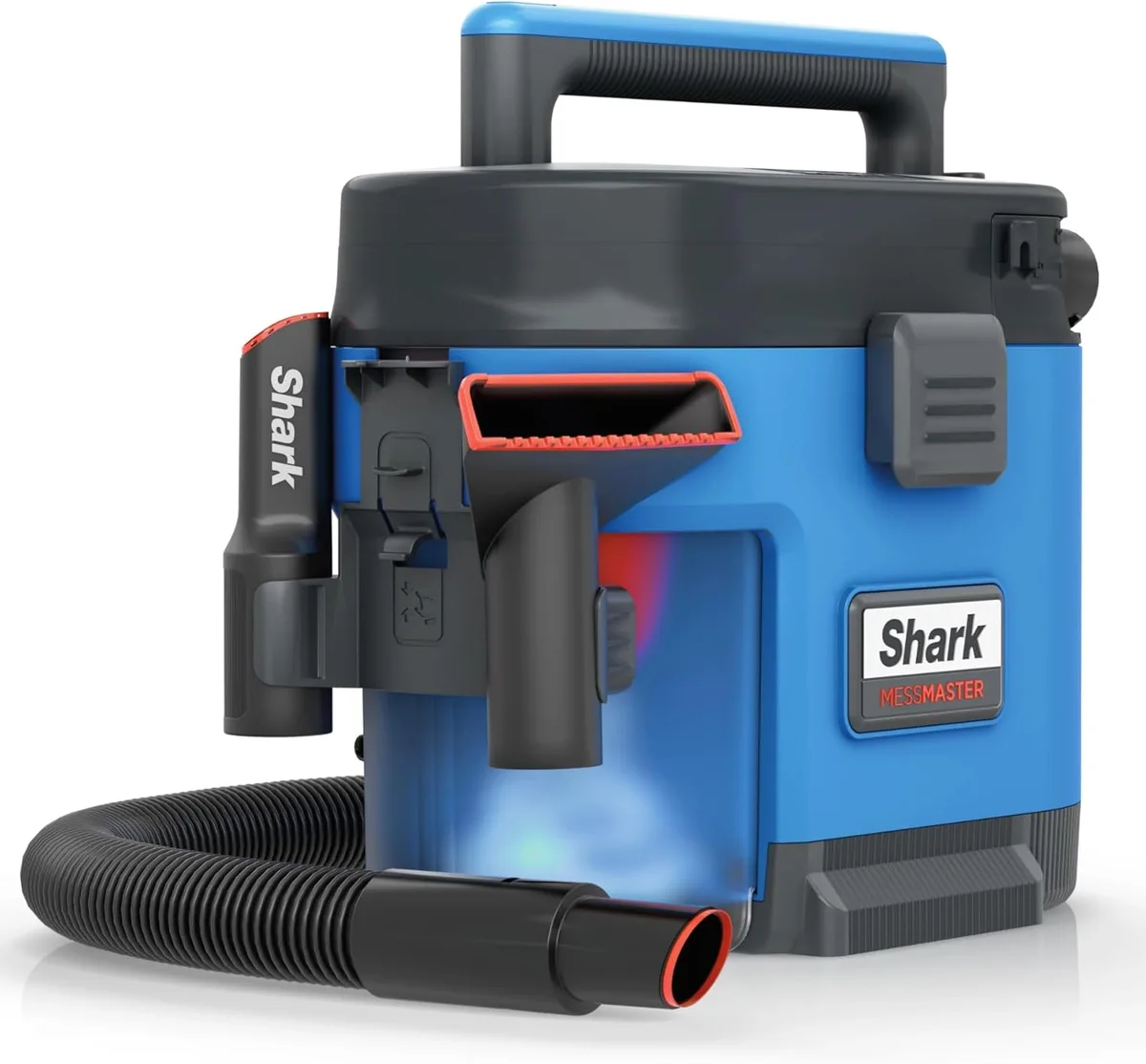
Image source: Web (Bing) / amazon.ca (Web image (fair-use with source credit))
The Real Problem: Why Most People Buy the Wrong Size
A shop vacuum, also called a wet/dry vacuum, is judged by its gallon capacity. But capacity alone doesn't tell you if it's the right tool for your garage, workshop, or home. Two failure modes show up again and again in buyer feedback.
The "Too Small" Trap
A 5 or 6-gallon shop vac is light, easy to store, and seems like enough at the register. Then you try to vacuum a car interior with wet dog hair stuck in the carpet. The tank fills fast, the filter loads up, and you're emptying it three times before you finish.
Aggregate reviews are full of people who describe the same pattern. They bought compact, saved some money, and spent the next year wishing they had more headroom. Small tanks are fine for quick pickups, not for real jobs.
The "Too Big" Burden
On the other side, there's the 30-gallon monster. It moves on casters, but it's heavy, loud, and hard to store. Dragging it up stairs is a workout.
Hauling it to a friend's house means clearing out your trunk.
For most people, a 30-gallon unit is overkill. You're paying for capacity you'll rarely use and dealing with weight you'll feel every time you pull it off the shelf.
Quick Answer / Key Insight
The Short Version: Match Tank Size to Your Mess
Most homeowners should get a 10 to 14-gallon wet/dry vacuum. It handles cars, garages, and light renovation work. It stays light enough to carry.
It fits under most workbenches.
Go with 5 to 8 gallons for quick cleanups and tight storage. Go with 16 gallons or more for flooding or contractor work. Match the tank to your worst regular mess, not the one you might have someday.
The practical insight is simple. A 10-gallon tank is still easy to carry with one hand. It also gives you enough room to finish a full car detail or a weekend DIY project without constant stops.
How Tank Size Actually Affects Real Performance
Tank size isn't just a number on a box. It changes how the vacuum behaves in three important ways.
Suction Consistency as the Tank Fills
A shop vacuum's suction drops as the tank fills with debris. Air needs open space to flow through the tank, circulate around the filter, and reach the motor. Fill the tank to the top, and the airflow path gets choked off.
With a 5-gallon tank, that loss happens fast. With a 14-gallon tank, the same physical effect takes much longer to matter. You spend less time watching the fill line and more time actually cleaning.
Weight and Portability
Weight scales with tank size. A 5-gallon plastic model might weigh 10 to 15 pounds. A 16-gallon unit with a motor and hose can land around 25 to 35 pounds.
Go bigger and you're pushing 50 pounds or more.
If your vacuum lives in one corner of a garage, weight matters less. If you carry it between rooms, up stairs, or out to the driveway, it matters a lot.
Storage and Shop Space
A 30-gallon drum is roughly the footprint of a small trash can. It won't slide under your truck seat or fit neatly on a shelf. A 10-gallon unit, by comparison, slips into closet corners and under workbenches without complaint.
Measure your storage space before you buy. That sounds obvious, but it's the detail people skip most often.
The Decision Tree: Match Tank Size to Your Work
This is where the question gets a real answer. Use the work you plan to do as your guide.
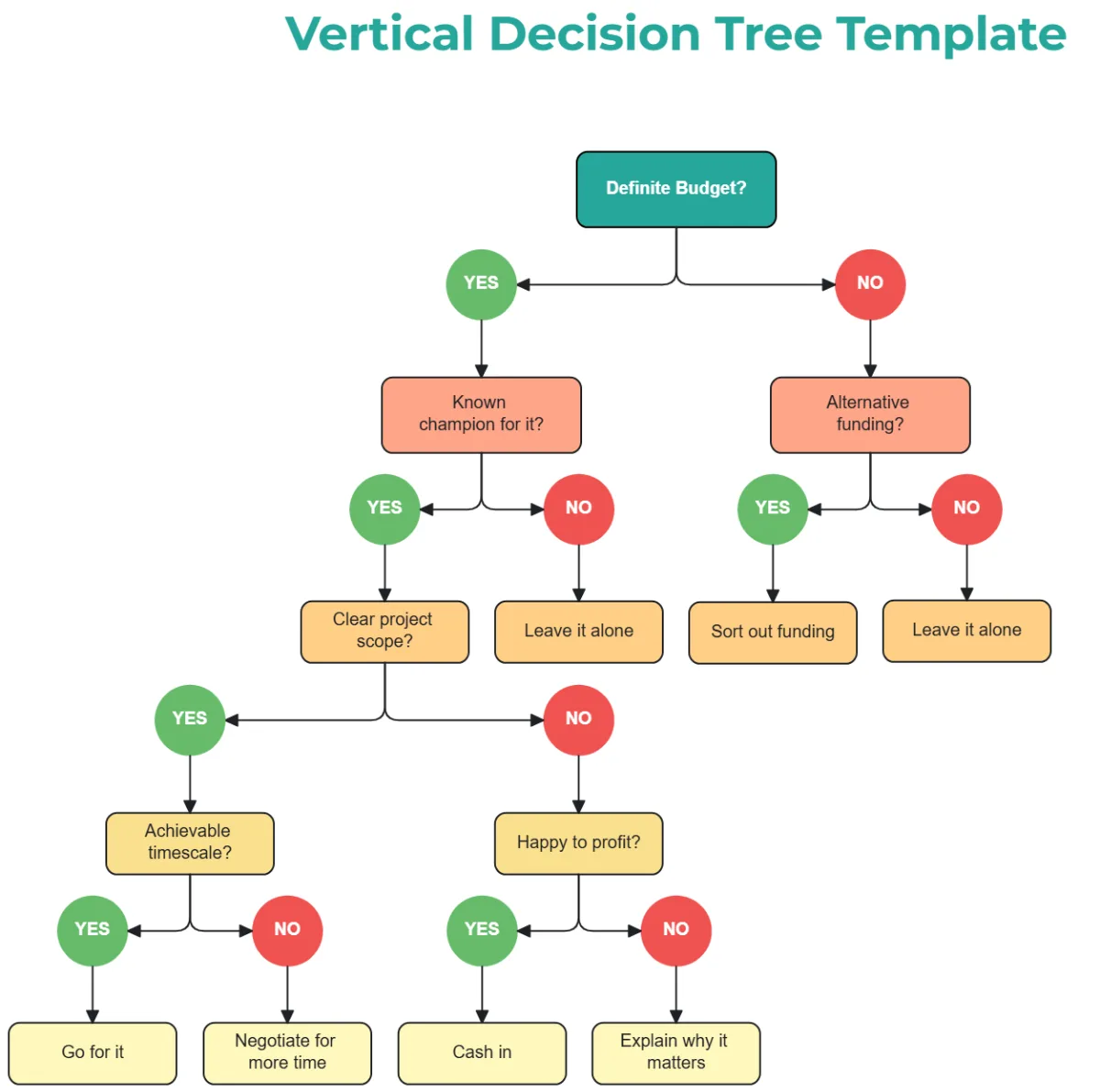
Image source: Web (Bing) / fity.club (Web image (fair-use with source credit))
Primarily Wet Pickup / Flooded Basement
Go with 16 gallons or larger. Water weighs about 8 pounds per gallon. A 10-gallon tank of water weighs 80 pounds before you even lift it.
A bigger tank also gives you more working time before you need to drain it.
Dusty Renovations and Drywall Work
A 10 to 14-gallon tank is the practical sweet spot. Renovation dust is fluffy, so it fills the tank quickly in volume but stays light. You'll still need a good filter, because drywall dust loads up standard cartridge filters fast.
Professional Contractor or Jobsite Use
Go with 16 to 20 gallons. Contractors need capacity that survives an entire cleanup without running back to the truck. Jobsite debris is also heavier, so look for a unit with strong casters and a drain port.
Woodshop and Fine Dust Extraction
A 10-gallon unit is usually enough, but filtration matters more than tank volume. If you're hooking the vacuum to a saw or sander, you need high airflow and a filter that traps fine particles. Capturing that fine dust starts with the filter, not a bigger tank.
Automotive Detailing and Interior Cleaning
A 5 to 10-gallon portable unit is ideal. Detailing jobs keep you close to the vehicle, and you don't want to drag a giant drum around the car. Look for a longer hose and a squeegee attachment for wet pickup.
General Garage, Home, and Car Care
Pick 10 to 14 gallons. This covers weekly floor cleanup, car interiors, small spills, and the occasional winter mess. It's the one-size-fits-most recommendation because it balances everything we've talked about.
| What you're cleaning | Recommended tank size | Why |
|---|---|---|
| Light garage tidy-ups | 5 to 8 gallons | Portable and easy to store |
| Car detailing | 5 to 10 gallons | Maneuverable around a vehicle |
| Weekend DIY | 10 to 14 gallons | Balances capacity and handling |
| Woodshop sawdust | 10 to 14 gallons | Filtration matters more than volume |
| Professional jobsites | 16 to 20 gallons | Fewer trips and stronger motors |
| Flooded basement | 16 gallons or more | More water capacity before draining |
Step-by-Step: The 4-Step Workflow for Choosing Tank Size
Once you know the general range, use this four-step process to land on a specific size.
Step 1: Estimate Your Typical Mess Volume
Think about the biggest regular mess you deal with. Not the one you imagine handling someday, the one that actually shows up every month. For comparison, a full bathtub holds around 40 gallons.
A large trash bag of drywall dust is maybe 10 gallons of volume.
Step 2: Take a Quick Inventory of Your Regular Tasks
List the jobs you'll actually use the vacuum for. Garage sweep, car cleanout, sawdust after cutting, maybe a wet spill twice a year. Then match those tasks to the decision tree above.
If your list is all light tasks, a small or medium tank works. If your list includes water removal or renovation dust, push the size up.
Step 3: Measure Your Storage Space and Doorways
Grab a tape measure and check the spot where the vacuum will live. Measure the height from floor to the bottom of your workbench or shelf. Measure the width of the doorway or stair turn you'll carry it through.
Also think about your vehicle. If you plan to take the vacuum to job sites, will it fit in your trunk?
Step 4: Decide How Often You're Willing to Empty the Tank
This is the final tiebreaker. Ask yourself how annoyed you get when the vacuum loses suction. If you hate emptying mid-job, buy at the top of your recommended range.
If you empty quickly and move on, a smaller tank saves weight and money.
There's no magic formula here. You're trading capacity for convenience, and convenience is personal.
Matching the Rest of the Vacuum to Your Tank Size
Tank size is the anchor, but it works with other specs. A giant tank with a wimpy motor still cleans poorly.
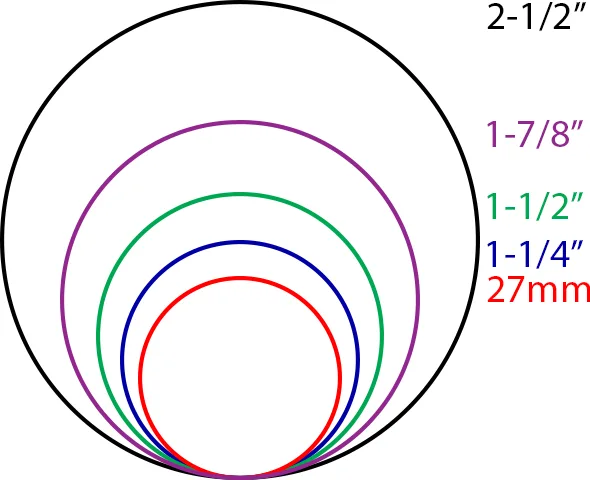
Image source: Web (Bing) / toolguyd.com (Web image (fair-use with source credit))
Hose Diameter and Reach
Most shop vacuums come with 1.25-inch, 1.5-inch, or 2.5-inch hoses. Bigger hoses carry more air and handle larger debris. Smaller hoses are easier to maneuver and fit into tight car spots.
For car interiors, a 1.25-inch hose is nimble. For renovation dust and garage floors, 1.5-inch is the practical middle. Construction users should look for 2.5-inch hoses, because they move huge volumes of air and don't clog on wood chips.
Filter Type: Cartridge, Foam, or HEPA
Your filter gets loaded regardless of tank size. Cartridge filters are standard and handle dry debris well. Foam sleeves suit wet pickup and rinse clean quickly.
HEPA filters capture fine dust.
Many brands make HEPA filters that fit standard wet/dry vacuums. You don't need a special machine to upgrade. Just verify the filter fits your model.
Motor Amperage and Airflow Benchmarks
Bigger tanks usually get bigger motors, but not always. Look for airflow figures in CFM and water lift in inches. A compact 10-gallon vac with 150 CFM beats a 16-gallon model with 90 CFM for most dry work.
Wet pickup needs water lift, which is the vertical suction force that pulls water up the hose. You want a balance, not just one big number.
Cord Length and Power Source
Typical cords run 6 to 10 feet. If you're covering a double garage, you'll need an extension cord. Battery-powered units are portable but cut runtime on larger tanks.
Weight and battery drain scale with capacity.
For that reason, most people buy corded shop vacuums. If you're regularly working near water, plug into a GFCI protected outlet.
Common Tank Size Mistakes to Avoid
A few more mistakes surface constantly in real-world buyer reports.
Buying Based on the Sale, Not the Mess
The red price tag is tempting, but it's not a spec. A 5-gallon unit at a rock-bottom price is still a 5-gallon unit. Compare it against your actual workload before you click pay.
Forgetting the Drain Port for Wet Use
If you're buying bigger for water pickup, make sure it has a drain port. Otherwise, you'll tilt a heavy wet tank to dump the water. You'll regret it instantly.
Ignoring Hose Collapse and Kinking
A thin hose can collapse under strong suction, cutting airflow completely. A sturdier hose solves it. It's the same reason your other gear loses power when the hose kinks or folds.
Not Checking the Accessory Kit
Tank size won't help you clean tight spaces without attachments. A crevice tool, a car nozzle, and a squeegee are worth more than two extra gallons.
Buying Bigger Instead of Filtering Better
This is the sneakiest mistake. Many people jump from 10 to 16 gallons hoping for more suction. The suction isn't in the tank, it's in the motor and filter.
A clogged filter will wreck suction no matter what.
Small vs Medium vs Large: A Side-by-Side Comparison
Here's how the three tiers stack up practically.
| Size tier | Typical gallons | Dry weight | Who it's best for |
|---|---|---|---|
| Small | 5 to 8 | 10 to 15 lbs | Light cleanup, car use, tight storage |
| Medium | 10 to 14 | 18 to 30 lbs | Homeowners, garage and DIY |
| Large | 16 to 20+ | 30 to 60+ lbs | Contractors, flooding, heavy use |
Medium is the most common pick for homes. The weight is manageable, the storage is workable, and the capacity handles a real job without stopping.
Realistic Price Benchmarks
As of 2026, a decent 5-gallon unit runs about $40 to $70. A 10 to 14-gallon model typically costs $80 to $150. Large units start near $150 and climb past $300.
Maintenance: Making Your Chosen Size Last Longer
What you do after a job matters as much as the size you pick.
Emptying and Rinsing After Wet Use
After wet pickup, empty the tank as soon as you finish. Rinse the tank, the foam sleeve, and the hose with clean water. Then leave everything open to dry.
If you don't, you'll learn what stale shop water smells like.
Cleaning or Replacing Filters on Schedule
Dry debris clogs cartridge filters eventually. Tap them outside or blow them clean with compressed air. Wash foam filters in mild soapy water and dry them fully.
Replace a filter when it's worn or torn.
Inspecting Hoses, Seals, and Casters
Every few months, check the hose ends for cracks and the tank seals for a solid fit. A broken seal leaks suction. Casters get clogged with string and hair, so pull them free when needed.
This simple upkeep keeps a shop vac running for years.
Safety Warnings: Tank Size and Wet Vacuuming
Wet pickup is one of the top reasons people buy a larger tank. It's also where safety gets serious.
GFCI Outlets and Water Don't Mix Without Caution
Never plug a wet/dry vacuum into a regular outlet when standing in water. Use a GFCI protected circuit. The Consumer Product Safety Commission and every manufacturer warn about this.
Never Vacuum Combustible Dust with a Standard Unit
Gasoline, solvents, aluminum dust, and some sawdusts are flammable. A standard shop vac can ignite them. Look for vacuums rated for combustible dust, and follow the rating carefully.
OSHA has specific silica dust rules for construction sites. Contractors need to know the difference between a regular shop vac and a proper dust extraction setup.
HEPA Filtration for Lead or Hazardous Debris
If you're cleaning after old paint or demolition, assume lead dust is present. Standard filters can blow it back into the air. Use a HEPA-rated wet/dry vacuum and dispose of debris according to local rules.
Real Scenarios: What Others Actually Chose
These patterns come up again and again in buyer feedback.
The Weekend DIYer
A homeowner with a two-car garage, an SUV, and occasional drywall projects. Their regular mess fits in one contractor bag. They chose a 10-gallon unit.
It cleans the car, handles renovation dust, and slides under a shelving unit.
The Live-In Renovator
Someone gutting a bathroom in their only home. They need to haul the vacuum up stairs and park it in a hallway. They chose an 8-gallon portable with a shoulder strap.
The tank is small, but the portability wins.
The Working Contractor
A floor installer with a truck full of materials. They chose an 18-gallon rolling unit with a drain port and a 2.5-inch hose. The bigger tank means fewer trips to the dumpster at the end of the day.
The Car Detailing Hobbyist
Someone who spends weekends on a coupe and a pickup. They chose a 6-gallon cordless shop vac. It never gets in the way, and the battery handles two cars.
The small tank forces them to empty often, which keeps the filter fresh.
Frequently Asked Questions
Is a 10-gallon shop vac enough for most home jobs?
Yes, for most residential jobs a 10-gallon unit is enough. It handles car interiors, garage floors, light renovation dust, and occasional wet spills. It's still light enough to carry and fits under most workbenches.
How many gallons do I need for a flooded basement?
A flooded basement calls for 16 gallons or more. Water is dense and heavy. A bigger tank means fewer trips to dump the water.
Look for a drain port so you can empty it without lifting a heavy tank.
Does a larger tank mean stronger suction?
No. Suction comes from motor amperage, airflow in CFM, and water lift. A larger tank just holds more debris before it fills.
Check the motor specs, not just the gallon rating.
Should I buy a cordless shop vacuum for a larger tank?
You can, but you'll pay for it. Battery-powered units run out faster as the tank size grows. For a 10-gallon tank or larger, corded is usually the practical choice.
Cordless makes sense for small portables and quick cleanups.
Final Verdict: The Tank Size That's Right for You
Decision Recap in 30 Seconds
Most homeowners should pick 10 to 14 gallons. Pick 5 to 8 for light car duty and tight storage. Pick 16 and up for water removal or contractor work.
The Smartest Buy for Most Homeowners
A 10-gallon wet/dry vacuum with a 1.5-inch hose, a cartridge filter, a foam sleeve for wet pickup, and a decent accessory kit. That combination covers nearly everything a normal home demands without turning your garage into storage for a giant drum.
The Only Reason to Go Big
Go big specifically for flooding. If you genuinely face water pickup a few times a year, 16 gallons or more is worth the storage space. Outside that scenario, a medium tank is lighter on your back and easier on your wallet.
Match the size to your real mess, and you'll be happy with the choice for years.

