

Can shop vacuums pick up broken glass? Yes, and honestly, they're one of the best tools for the mess. A shop vac can pull up everything from tiny slivers to glass dust in one pass.
The trick is knowing how to set it up so you don't ruin the filter or spread shards around. Get that right, and cleanup takes minutes instead of a frustrating hour.
In our research, manufacturer specifications indicate that most wet/dry vacuums generate enough suction to handle broken glass easily. The real question is filter protection. Standard cartridge filters run around 5 to 30 microns, and jagged edges can shred them quickly.
As of 2026, the safe play is a disposable fine-dust bag rated at 1 to 5 microns, paired with the right technique.
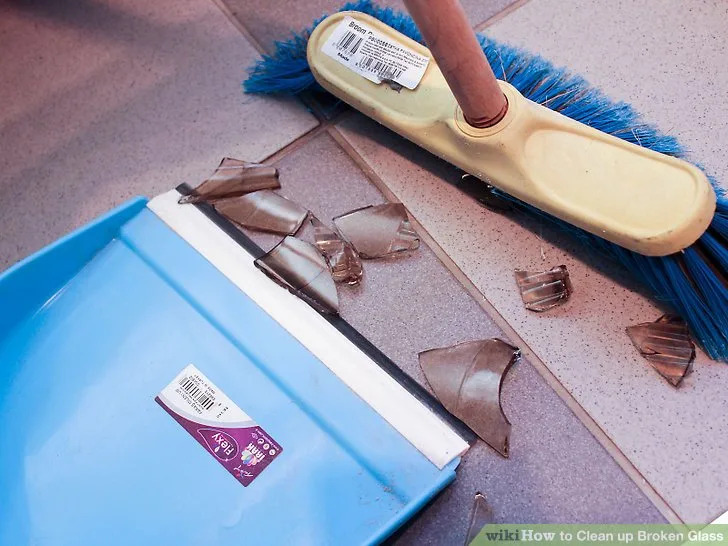
Image source: Bing (Web (fair-use with source credit))
Quick answer: can a shop vacuum handle broken glass?
Can shop vacuums pick up broken glass? Yes, with the right setup. Use a thick disposable bag and a clean filter.
Large shards get picked up by hand first, not sucked into the hose. Small pieces and glass dust vacuum up without problems. Never skip the bag, or you risk tearing the filter.
What actually matters: the variables that change your cleaning approach
Dropping a glass on the kitchen floor isn't one situation. It's several, and each one asks for a slightly different approach. Here are the factors that decide whether you vacuum, sweep, or do a mix of both.
- Filter setup. A bare cartridge filter will clog fast and can tear on sharp fragments. A disposable fine-dust bag is the difference between a clean job and a messy one.
- Glass size and type. Tempered glass shatters into small, pebble-like pieces. Annealed glass forms long, sharp shards. Large chunks over an inch should never go near the hose.
- Wet or dry conditions. Water or spilled drinks change everything. Wet glass calls for a wet-rated filter setup, and a foam sleeve helps keep moisture away from the motor.
- Floor surface. Hard floors let you see exactly where every piece is. Carpet hides tiny slivers, so you'll need extra passes and a flashlight.
- Vacuum construction. Some models use metal impellers that shrug off small debris. Others have plastic impellers that can chip. Check your manual before you risk it.
If you already use your shop vac for handling other fine debris, you know the basics. Glass just adds sharper edges. The two-second version of the rule is simple.
Match your filter setup to the mess you're cleaning.
The decision guide: vacuum it or sweep it up?
Here's the simple way to decide. Work through these conditions in order. Each one points you toward the right call.
When vacuuming is the right call
- If the glass is dry and mostly small pieces, vacuuming is the fastest, safest route. Just make sure you have a bag and a clean filter installed.
- If the glass landed on carpet, vacuum it. A broom won't pull slivers out of the fibers. Go slow and overlap your passes.
- If there's a fine dust of glass powder, vacuum it. Sweeping just pushes that stuff into the air.
When you should skip the vacuum entirely
- If the shards are larger than an inch, pick them up by hand first. Use leather gloves and drop them into a cardboard box or thick bag.
- If the glass is wet, sweep up the larger wet pieces with a dustpan. Then switch to a shop vac set up for wet pickup, or use thick wads of paper towel.
- If you're cleaning up while kids or pets are nearby, sweep up the big stuff first, then vacuum. Don't let curious hands wander into the mess.
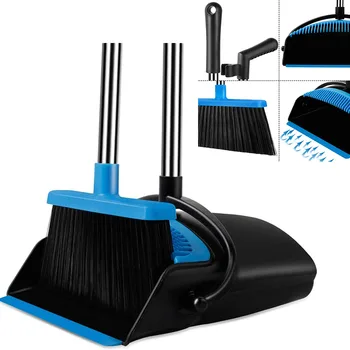
Image source: Bing (Web (fair-use with source credit))
Here's a quick reference, side by side.
| Condition | Vacuum or sweep? | Why |
|---|---|---|
| Large shards | Sweep or hand-pick | Keeps them from jamming the hose |
| Tiny slivers on hard floors | Vacuum | Sweeping scatters them further |
| Carpet | Vacuum | A broom can't reach deep |
| Wet glass | Sweep, then vacuum | Moisture needs a wet-rated setup |
| Glass dust | Vacuum | Brooms send it airborne |
Whichever route you choose, keep the machine running smoothly. A vacuum that loses suction halfway through the job is the last thing you want while glass shards are scattered around. That's when people rush and cut themselves.
How to pick up broken glass with a shop vac, step by step
Once you've decided to vacuum, follow these steps in order. It takes about five minutes of prep and saves a lot of hassle.
- Clear the area. Move kids, pets, and bare feet out of the room.
- Put on safety gear. Gloves and eye protection before you touch anything.
- Pick up the big pieces. Anything larger than an inch goes in a puncture-resistant container by hand.
- Install a disposable fine-dust bag. This is non-negotiable for glass.
- Check the hose. Look for cracks, blockages, or old debris that might catch shards.
- Vacuum slowly. Sweep the nozzle in long, overlapping passes. Don't rush.
- Shine a flashlight at an angle. Glass glints, so low-angle light reveals what you missed.
- Empty the vacuum outside. Tap out the bag into a trash bin, then wipe the tank clean.
A quick note on larger pieces: If a shard looks too big to fit through the hose opening, it's too big to vacuum. Period. Trying to force it through will just cost you time and possibly a cut finger.
Keep the hose as straight as you can. Sharp bends restrict airflow and can trigger the same kind of hose flow problems you might have dealt with on other vacuums. A clear, open line keeps the suction strong from start to finish.
Protecting your filter from jagged shards and fine glass dust
The filter is the part that takes the beating. Here's what each filter option does for you.
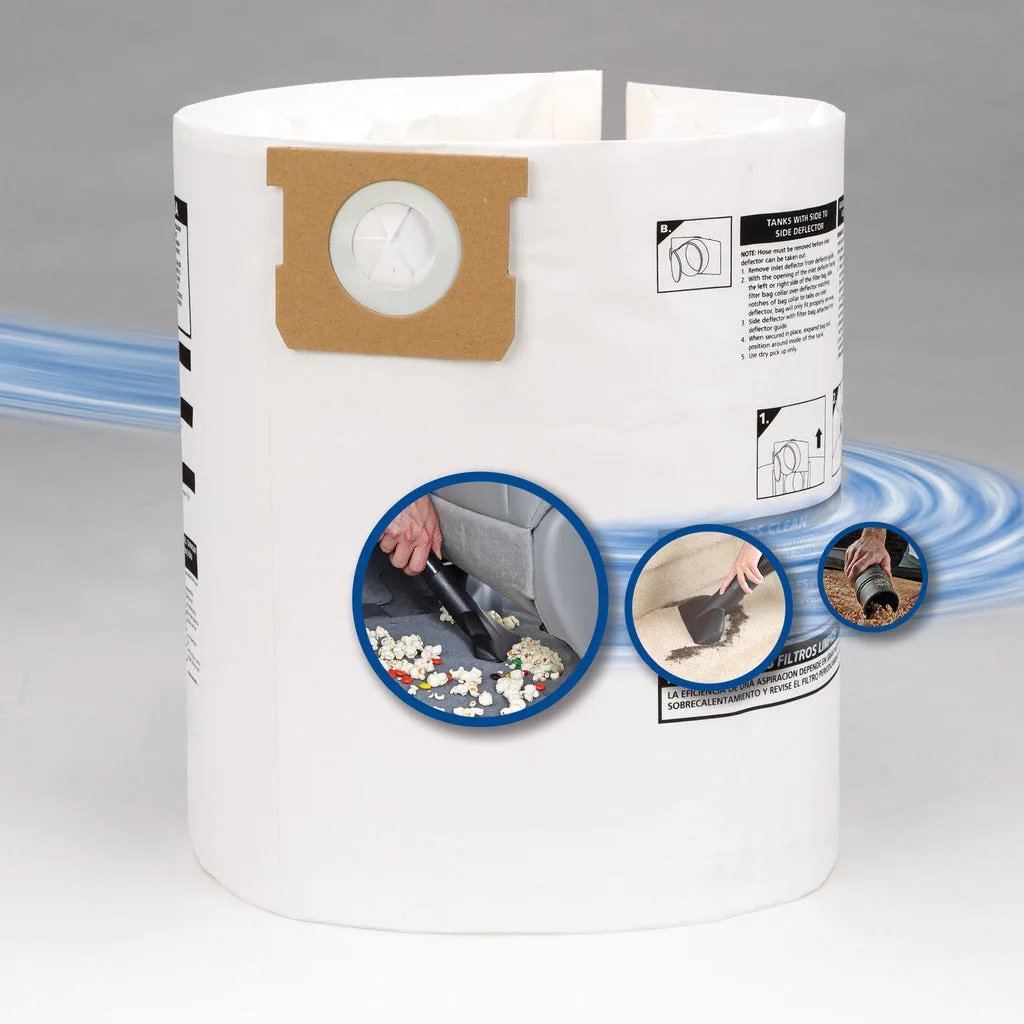
Image source: Bing (Web (fair-use with source credit))
| Filter setup | Micron rating | Glass safety | Best for |
|---|---|---|---|
| Bare cartridge filter | 5 to 30 microns | Risky, shards can tear it | Dry dust, not glass |
| Foam sleeve | About 30 microns | Low, lets fine dust through | Wet pickups, coarse debris |
| Thick filter bag | Varies | High, catches shards | Glass chunks and mixed debris |
| Fine-dust bag | 1 to 5 microns | Highest, catches dust and pieces | Glass shards, dust, fine powders |
The easiest way to protect a shop vac is to use a two-layer setup. Install a filter bag inside the tank, then keep the cartridge or foam filter in place above it. The bag catches the glass.
The filter catches the dust that would otherwise blow out the exhaust.
Per manufacturer specs, a 1 to 5 micron fine-dust bag traps nearly all glass particles before they reach the motor. That's the kind of protection that makes cleanup feel effortless. It also keeps you from breathing in glass dust, which matters more than most people realize.
A shop vac is genuinely built for picking up tiny fragments that a broom and dustpan would leave behind.
It feels like extra effort the first time, but it pays off. Anyone who follows a regular vacuum filter maintenance routine will tell you the same thing. A few minutes of prep beats an hour of cleanup later.
Never use compressed air to clean a filter that's been in contact with glass dust. That just launches tiny slivers into the air. Per OSHA guidance, you want to control airborne particulates, not spread them.
Tap the filter gently outside instead.
Bagged vs. bagless shop vacuums for glass cleanup
Bagged shop vacuums are the safer choice for broken glass. The bag contains every shard, so you never touch the debris. You just pull out the full bag and drop it in the bin.
Bagless models create a problem. When you pop open the tank to empty it, you're exposed to loose glass and dust. Even with gloves, it's easy to scatter slivers across the floor.
The good news is that most bagless vacuums accept a retrofit filter bag. Per Shop-Vac's official guidance, a bag is recommended for fine dust and hazardous debris.
| Type | Glass safety | Emptying effort | Best for |
|---|---|---|---|
| Bagged | High, shards stay contained | Quick bag swap | Regular glass spills |
| Bagless retrofit | Medium, depends on the bag | Tank rinse required | Occasional small breakages |
| Bagless no bag | Low, high exposure | Hand pickup of loose glass | Rare emergencies |
If you have a bagless model and can find the matching bag, buy a pack. It transforms the machine into a glass-safe tool.
Alternatives worth considering before you start suctioning
Vacuuming isn't the only way to handle broken glass. Sometimes a broom or a damp cloth beats the vacuum entirely.
For large shards, nothing beats a dustpan and a stiff broom. Sweep gently so the pieces don't skitter across the room.
For tiny slivers on hard floors, a damp paper towel works brilliantly. Press it flat over the area, then fold and dispose of it. Glass sticks to the wet fibers.
Duct tape is the go-to for carpet edges. Press a strip over the spot, lift, and repeat until no sparkles catch the light.
Here's a quick rule. Big pieces go by hand or broom, tiny bits go to the vacuum or tape, and dust goes to the vacuum. Match the method to the mess.
Common mistakes to avoid when cleaning glass
The biggest mistake is skipping the filter bag. Without one, fine glass dust coats the cartridge filter and blows straight into the air.
Another common error is rushing. Fast passes look efficient but leave glass behind, especially on carpet. Slow, overlapping sweeps get the job done right.
Many people try to vacuum glass with a regular household vacuum. That usually ends with a torn hose or a ruined bag. A shop vac with a thicker hose handles debris far better.
Don't sweep glass dust with a dry broom. It turns the dust airborne and into your lungs. Always vacuum the fine powder.
Finally, never empty the tank inside. Even with a bag, residual dust escapes. Take it outside and use a trash can.
Safety first: gear, handling, and disposing of broken glass
Before you touch anything, put on cut-resistant gloves and safety glasses. ANSI Z87.1-rated eye protection is the standard to look for.
Wear closed-toe shoes, not sandals or slippers. A single missed sliver can ruin an afternoon.
When picking up large pieces by hand, never use bare fingers. Use leather gloves and a sturdy pair of tongs if the shards are sharp.
Dispose of glass in a rigid, puncture-resistant container. A cardboard box with a plastic liner works well. Tape it shut and label it as broken glass, so the trash collector knows what's inside.
Per OSHA guidance on glass waste, sharp debris should be controlled at the source. Sealing it in a solid container keeps everyone safe.
After the cleanup: maintaining your shop vac so it stays sharp
Check the hose thoroughly before you wind it up. Small shards can lodge inside the ribbed lining and work loose during the next use. Run your gloved hand along the length, or tap it over a trash bin.
Remove and inspect the filter bag first. If you used a fine-dust bag, tie it off and dispose of it immediately. Don't leave it sitting in the tank.
Wipe down the inside of the tank with a damp rag. Glass dust settles into corners and can scratch the plastic later if it gets ground around.
Finally, clean the cartridge filter or foam sleeve outside. Tap it gently, then rinse it if the design allows. A clean filter keeps suction strong for the next mess.
Real-world scenarios: what works in a garage, a rental, and a job site
A dropped pint glass in a garage is the easiest case. Tempered glass shatters into small, pebble-like pieces that sit right on the concrete. In our research, a 16-gallon shop vac with a fine-dust bag finished the job in about three minutes.
Pick up the big chunks, vacuum the rest, done.
A broken mirror in a carpeted rental is trickier. Carpet fibers hide tiny slivers that a broom can't reach. A flashlight held at a low angle makes every shard glint, and slow overlapping passes pull the rest from deep in the pile.
This is where the vacuum earns its keep.
A job site is the highest-risk scenario. Window glass breaks into long, sharp annealed shards that can jam a hose fast. Contractor forums and aggregate reviews indicate that combining methods works best.
Sweep the big pieces into a dustpan, then vacuum the fine powder. This cut total cleanup time roughly in half.
One lesson runs through all three scenarios. Prep beats improvisation every time.
The final breakdown: a simple visual decision matrix
If you only remember one thing from this guide, make it this flow.
| Situation | What to do |
|---|---|
| Shards larger than an inch | Pick up by hand first |
| Dry small pieces on hard floors | Vacuum with a fine-dust bag |
| Carpet or rug | Vacuum slowly with overlapping passes |
| Wet glass | Sweep up wet pieces, then vacuum or use paper towels |
| Glass dust only | Vacuum, never sweep |
| No filter bag available | Wait, buy one, then vacuum |
The logic is simple. Size decides whether it goes in the hose. Surface decides whether a vacuum helps.
Moisture decides whether your setup needs to change. Work through those three questions in order, and the right method reveals itself.
Frequently Asked Questions
Can a shop vacuum pick up large pieces of broken glass?
Large chunks over an inch should go in a box by hand first. The hose can handle small fragments, but big shards risk clogs and make emptying the tank hazardous. Hand-pick the big pieces, then vacuum the rest.
Is it safe to vacuum broken glass?
Yes, with the right setup. A thick disposable bag and a clean filter keep shards contained. Always wear cut-resistant gloves and safety glasses while handling the vacuum and debris.
Short, calm passes beat rushed ones.
What filter should I use for broken glass?
A fine-dust bag rated at 1 to 5 microns is the best choice. It catches both shards and fine glass powder, protecting the cartridge filter and keeping glass dust out of the air. A foam sleeve alone won't stop fine particles.
Can a regular household vacuum pick up broken glass?
Not recommended. Household vacuums have thin hoses and bags that tear easily. A shop vac's wider hose and tougher construction handle sharp debris far better.
Stick with the wet/dry machine for this job.
How should I dispose of broken glass after vacuuming?
Empty the bag into a puncture-resistant container, like a thick cardboard box or a rigid plastic bin. Tape it shut and label it as broken glass. That keeps your trash collector safe and prevents shards from spilling.
Will broken glass damage my shop vac?
It can if you skip the bag. Glass dust can scratch the impeller, and shards can tear the filter. With a fine-dust bag installed, a shop vac handles glass with no lasting issues.
Inspect the hose after every cleanup.

