

If your basement just took on water, you're probably wondering: Can shop vacuums remove water from a basement? The short answer is yes, but only within limits. A wet/dry vacuum is a great first-line tool for small puddles and minor leaks.
It's not designed for true flooding or contaminated water.
Water weighs roughly 8.34 pounds per gallon, so a full 5-gallon tank adds over 40 pounds to every trip. Manufacturer specifications show most shop vacuums handle spills smoothly, but they are not endless extraction devices. As of 2026, the rule of thumb remains the same: if you're dealing with more than an inch of standing water, you need a pump.
Let's figure out which situation you're in.
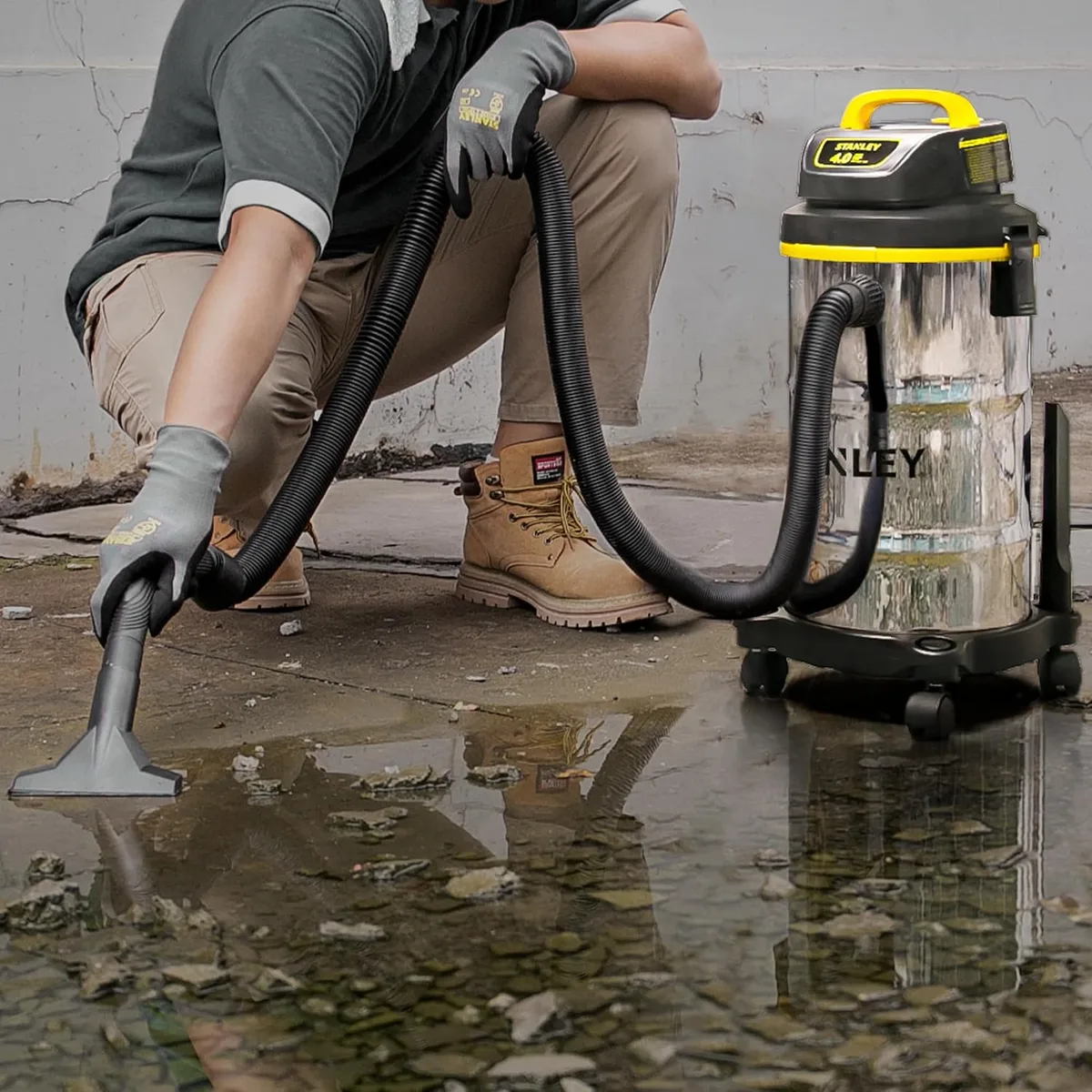
Quick Answer: Yes, But With Limits
Yes, shop vacuums can remove water from a basement. But they only work well for shallow water. A typical 6-gallon tank fills fast when water is deep.
For major flooding, you need a pump instead.
- Great for: light seepage, burst pipe drips, small puddles after a sump pump hiccup.
- Wrong for: large standing water, sewage backups, anything after a storm surge.
A shop vacuum is versatile. It's the same piece of equipment you might use for picking up sawdust in your workshop or clearing out debris from your garage. It's not a water pump, though.
The tank simply isn't big enough to handle continuous water flow.
First Step: Figure Out What Kind of Water You're Dealing With
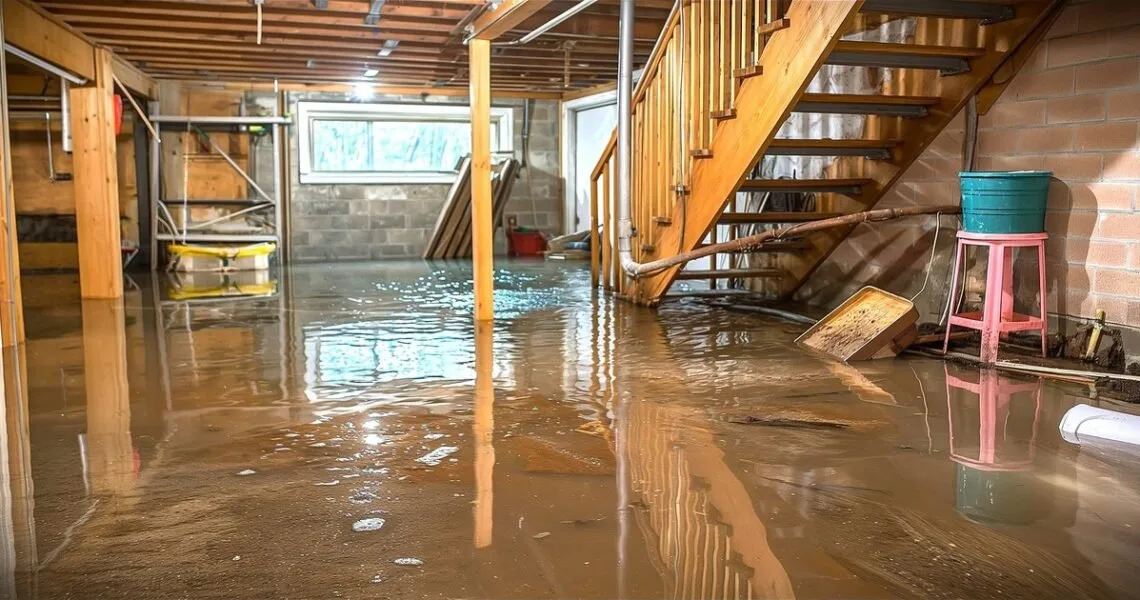
Before you plug in your shop vac, identify the water source. Clean water comes from a burst pipe, rainwater seepage, or a leaky appliance. Gray water comes from washing machines or dishwashers.
Black water is raw sewage or floodwater that may contain bacteria, chemicals, and other hazards.
| Water Type | Source | Safe to vacuum? |
|---|---|---|
| Clean | Burst pipe, rain leak | Yes, with proper safety |
| Gray | Washing machine overflow | Only with gloves and eye protection |
| Black | Sewage, flood from river/storm | No, call a professional |
If the water is black, stop here. Do not use a shop vac. The contamination risks are too high, and you might damage your vacuum permanently.
The CDC offers specific flood cleanup guidance that explains the health concerns related to contaminated water. Follow their recommendations before you start any cleanup work.
How Much Water Is Too Much for a Shop Vac?
The real limit comes down to tank capacity. Water weighs about 8.34 pounds per gallon. So a 5-gallon shop vac tank holds roughly 42 pounds of water.
Now imagine a 10×10 basement with one inch of standing water. That's about 62 gallons, or roughly 520 pounds.
| Tank Capacity | Trips to Empty for 62 Gallons |
|---|---|
| 5 gallons | 13 |
| 10 gallons | 7 |
| 16 gallons | 4 |
Those trips don't include moving furniture, changing nozzles, or dealing with awkward spaces. In practice, a shop vac works best for puddles and minor leaks less than a quarter-inch deep. If you're seeing continuous water, you need something faster.
A submersible utility pump moves hundreds of gallons per hour. That's the difference between a 10-minute job and an afternoon of back-breaking work. For larger areas, a shop vac is simply the wrong tool.
Decision Tree: Vacuum, Pump, or Call a Professional?
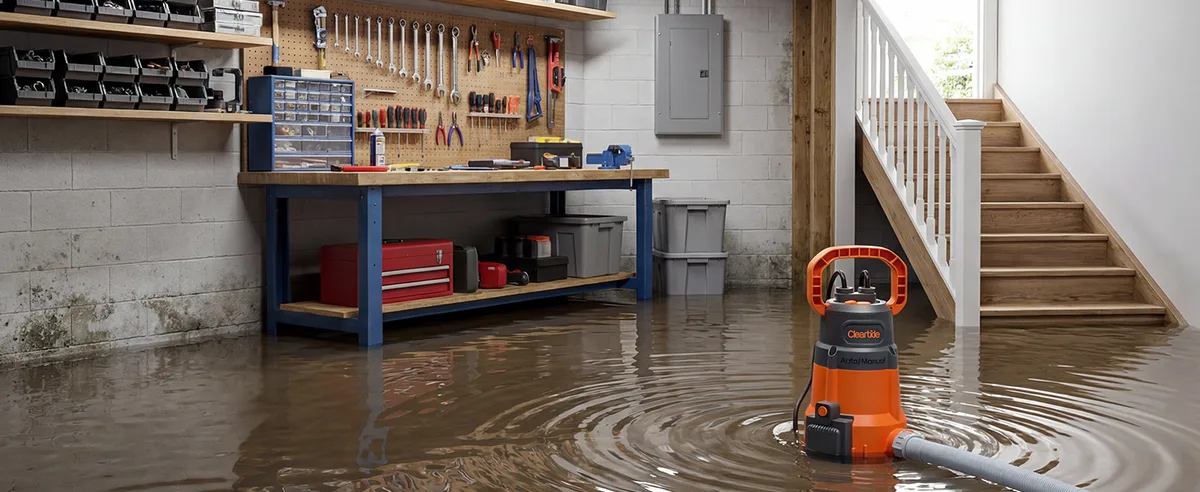
Let's make this simple. Follow the branches that match your situation.
- Branch 1: Small puddles and minor leaks. If the water is clean and less than 1/4 inch deep, go ahead and use your shop vac. You'll finish in minutes, and the cleanup is straightforward.
- Branch 2: Significant standing water. If the water covers the floor and is more than 1 inch deep, switch to a submersible utility pump. They're affordable, easy to set up, and will save you hours.
- Branch 3: Flooded basement or contaminated water. If the water is over 2 inches, or it's sewage or stormwater, call a water damage restoration pro. Do not attempt DIY cleanup in this situation.
In our research, we found that most homeowners try to overuse their shop vac. They don't realize how quickly the tank fills. If water is still rushing in, you'll be emptying that tank every five minutes.
That's a recipe for frustration.
The decision tree applies even for small leaks. If you have a burst pipe, shut off the water first. Then assess the amount.
If the leak was brief and contained, a shop vac is ideal. If the pipe ran for hours, skip straight to Branch 2.
Step-by-Step: Using a Shop Vac to Remove Basement Water Safely
You've decided your shop vac is the right tool. Now let's do it properly. Follow these steps to stay safe and get the job done without wrecking your vacuum.
- Prep the area. Shut off power at the breaker if water is near electrical outlets or appliances. Move furniture, boxes, and valuables to dry ground.
- Choose the right nozzle. A squeegee attachment or bare floor nozzle works best on concrete. A carpet tool works if you're removing water from a rug, but act quickly to avoid saturation.
- Remove the dry filter. If your vacuum has a cartridge filter or bag, take it out. Wet pickup requires the foam sleeve filter instead. Using a dry filter on wet pickup will ruin it.
- Position the vacuum on dry ground. Never stand the vacuum in the water itself. Keep it on a dry surface, with the hose reaching into the wet area.
- Plug into a GFCI outlet. Basement outlets should already be GFCI-protected per the National Electrical Code, but double-check. If no GFCI outlet is available, use a GFCI extension cord.
- Work slowly and methodically. Move the nozzle side to side, letting the vacuum pull water as you go. Don't push the nozzle faster than the water can be drawn in.
- Empty the tank before it gets full. The float valve will shut off when the tank is full. Stop and empty it outside, into a utility sink, or into the sump pit. Then continue.
After you finish, clean the tank thoroughly. Rinse it with clean water and wipe it dry. Run a little water through the hose to clear any debris.
Then let everything air dry before storing. This prevents mold and mildew from growing inside the vacuum.
One more reminder: don't vacuum up fuel, chemicals, or hot ash. That's a fire hazard plain and simple. Stick to water and mud.
DIY Alternatives Worth Knowing Before You Buy Anything
If your water situation is bigger than a puddle, you don't necessarily need a new vacuum. You need a different tool entirely. A submersible utility pump is the most popular alternative, and for good reason.
A pump sits directly in the water and pushes it out through a discharge hose. You can run it continuously without stopping to empty a tank. Most models move hundreds of gallons per hour, which makes them ideal for flooded basements.
| Method | Cost | Speed | Best For |
|---|---|---|---|
| Bucket and squeegee | $0 | Very slow | Tiny spills under 2 gallons |
| Shop vac | Already owned | Slow, tank fills fast | Puddles, leaks under 1/4 inch |
| Submersible utility pump | $50–$150 | Fast, continuous | Standing water over 1 inch |
| Water damage pro | $500+ | Fast, thorough | Contaminated water or deep flooding |
Some shop vacs offer a pump-out accessory that drains the tank without lifting it. That saves your back but doesn't change the tank size. You'll still be stopping every few gallons.
For most homeowners, a submersible pump is the smart upgrade. It's cheaper than a high-end shop vac and handles the jobs a vacuum can't touch. Keep your wet/dry vac for small spills and everyday dry messes around the house.
Common Mistakes People Make in Basement Water Cleanup
The biggest mistake is reaching for a regular household vacuum. A standard vacuum is not built for liquid. You'll ruin the motor and risk electrical shock.
Stick to a wet/dry vac or a pump.
Another common error is forgetting to remove the dry filter before wet pickup. Cartridge filters and paper bags turn to mush when wet. They clog instantly and damage the motor.
Always swap in the foam sleeve filter instead.
Vacuuming water that's already near an electrical outlet is another serious risk. Water conducts electricity. If you see outlets submerged or splashing, shut off the basement power at the breaker first.
A GFCI outlet helps, but it's not a guarantee.
People also make the mistake of leaving soaked carpet and padding in place. Wet carpet becomes a mold farm within 24 to 48 hours. If it's visibly saturated, pull it up immediately.
And don't just skim the surface, make sure you get the moisture underneath.
Finally, don't assume the job ends when the water disappears. Drying the space completely is just as important. That's where the next section comes in.
What Comes Next: Drying the Basement the Right Way
Removing the water is only half the battle. The basement will still have damp concrete, wet walls, and high humidity. If you don't dry it quickly, mold and mildew will move in.
Run fans and a dehumidifier immediately after you finish vacuuming. Point fans at the wet spots, not just into the open air. A high-capacity dehumidifier should pull out pints of moisture per day.
Keep it running for at least 48 hours.
Check the surfaces with your hand. Concrete should feel dry, not cool and clammy. If you can press a paper towel against the floor and it absorbs moisture, keep drying.
| Material | Drying Time | Action |
|---|---|---|
| Concrete floor | 24–72 hours | Fans and dehumidifier |
| Drywall | 3–5 days | Cut out if swollen or soggy |
| Carpet and pad | 1–2 days | Replace if soaked |
| Wood framing | 1–4 weeks | Monitor for warping or rot |
If water reached the baseboards, inspect the drywall. Swollen or discolored sections need to be cut out. Insulation behind the wall might be soggy too.
That's a bigger job, but leaving it traps moisture.
Aggregate reviews from restoration forums agree on one thing: speed matters. The longer the basement stays wet, the more expensive the damage becomes. That's also why you should monitor the space for a week after cleanup.
Shop Vac Maintenance After Wet Pickup
Your shop vac worked hard. Now return the favor. Clean the tank, hoses, and filter before you store it away.
Start by emptying the tank completely. Then rinse it out with fresh water. Add a drop of dish soap if you want, but avoid harsh chemicals.
Swirl it around, dump it, and let it air dry with the lid open.
Clean the foam sleeve filter with warm soapy water. Squeeze it out, don't wring it. Let it dry completely before the next use.
A dry filter won't work well if it's still damp from last time.
| Part | Cleaning Method | Dry Time |
|---|---|---|
| Tank | Rinse with water and mild soap | 24 hours |
| Hose | Flush water through, hang to dry | 12–24 hours |
| Foam filter | Wash with soapy water, squeeze out | 24–48 hours |
| Nozzles | Wipe down, scrub out debris | A few hours |
A little moisture left inside can turn into black mold. That smells terrible and blows spores back into your basement. Keeping everything dry prevents that, and it keeps the vacuum ready for the next mess.
This is the same basic principle as keeping your pool equipment in good shape. A consistent filter cleaning routine goes a long way, whether it's a shop vac or a robotic pool cleaner.
Real-Life Scenarios: Which Cleanup Approach Actually Worked
Let's look at three common situations and see what actually worked.
Scenario 1: Sump pump failure overnight. A homeowner woke up to 2 inches of water across a 20×20 basement. That's roughly 500 gallons. A 6-gallon shop vac would have required 83 trips to empty.
A submersible utility pump cleared the water in under an hour. Total cost was about $80 for the pump. The shop vac stayed in the closet.
Scenario 2: Burst pipe under the laundry sink. The water was clean, and only a few gallons pooled on the concrete floor. A shop vac handled it in about 15 minutes. The tank filled twice, both trips went to the sump pit.
Wet cleanup took another 10 minutes. No pump was needed.
Scenario 3: Rainwater seepage along the foundation wall. Water was seeping in slowly, leaving a wet strip about a foot wide. The floor had low spots with standing water. The owner used a shop vac for the puddles and then a dehumidifier for three days.
The seepage stopped once the ground outside dried out. This is a perfect example of matching the tool to the job.
These scenarios show a clear pattern. If the water is shallow and contained, a shop vac works great. If it's deep or flowing continuously, a pump saves you hours.
Always match the tool to the size of the problem.
That said, there's one more layer to consider before you start: safety rules and electrical warnings. We'll cover those next.
Safety Warnings and Electrical Rules You Shouldn't Skip
The National Electrical Code requires GFCI protection for outlets in unfinished basements. Before you start, test the outlet with a simple plug-in tester. A GFCI outlet reduces shock risk, but it's not a guarantee.
Keep the vacuum on dry ground. Wear rubber boots and dry gloves. If water has reached outlets or appliances, switch off the basement power at the breaker first.
Never vacuum flammable liquids, chemicals, or hot ash. That includes gasoline, paint thinner, and solvents. Those vapors can ignite, and the motor is a spark source.
Water and electricity mix dangerously. If you feel even a slight tingle through the hose, stop immediately and investigate. That tingle means something is wrong.
| Safety Rule | Why It Matters |
|---|---|
| Use a GFCI outlet | Cuts power if current leaks |
| Shut off power at breaker | Removes shock risk near water |
| Wear rubber boots | Insulates you from wet floors |
| Keep vacuum on dry surface | Prevents the motor from grounding |
| Never vacuum flammables | Vapors can explode |
Frequently Asked Questions
Can a regular shop vac suck up water without ruining it?
Yes, as long as it's a wet/dry vacuum and you remove the dry filter first. A standard household vacuum will be ruined immediately. Swap in the foam sleeve filter for wet pickup, then rinse and dry the tank afterward.
How long does a shop vac take to remove 10 gallons?
It depends on the tank size and airflow. A typical 5-gallon model fills in a minute or two, then you stop and empty it. Expect 10 to 15 minutes for 10 gallons, including emptying trips.
A utility pump does it in under a minute.
Can I vacuum water if my basement is still leaking?
You can, but you'll fight an uphill battle. If water is actively flowing in, a shop vac can't keep up. Fix the source first, then vacuum up what's left.
Otherwise, you'll empty the tank endlessly.
What's the cheapest way to remove standing water from a basement?
A shop vac you already own is cheapest for small spills. For water deeper than an inch, a submersible utility pump costs $50 to $100 and is the best value. Professional cleanup is the safest option for contaminated water.
Final Recommendation: Match the Tool to the Water
Here's the bottom line. If you have a puddle, grab your shop vac. If you have a flood, buy or borrow a submersible pump.
And if the water came from sewage or a storm, don't DIY.
| Water Level | Tool | Time to Cleanup |
|---|---|---|
| Puddle (under 1/4 inch) | Shop vac | 15–30 minutes |
| Shallow standing water | Submersible pump | 1–2 hours |
| Deep flooding (2+ inches) | Professional service | Varies |
| Contaminated water | Professional service | Varies |
Do a quick assessment every time. Identify the water source, check the depth, and decide accordingly. That simple habit saves you hours of wasted effort.
Keep your shop vac maintained between uses. Rinse the tank, dry the filter sleeve, and store it with the lid cracked open. A clean vacuum is a reliable one.
If you're already comfortable with this type of equipment, you might also run into suction issues over time. The same troubleshooting logic that applies to pool vacuums that lose suction applies here, check for clogs, leaks, and worn seals first.
And if you're ever unsure whether the water is safe to handle, that's the answer. Call a water damage professional. Your health and your home are worth more than the cost of a service call.

