

Yes, a wet/dry vacuum can pick up leaves, but the answer depends on how dry those leaves are and how you set up the machine. It’s a common fall question from homeowners who want to skip the raking part of yard work.
Most residential wet/dry vacs move somewhere between 100 and 200 CFM of air as of 2026. That’s plenty for loose, dry leaves. With the right nozzle and filter setup, you can clean a small yard in a single sitting.
The tricky part is wet, heavy, or matted leaves. Let’s break down what works, what clogs, and when you should park the shop vac and grab something else.
Quick Answer
Yes, a wet/dry vacuum can pick up dry leaves. Wet leaves are riskier and can clog or damage the motor. Use a wide nozzle and the correct filter for the job.
Small yards and small piles work best.
What Actually Matters in a Wet/Dry Vac for Leaf Pickup
Tank size, hose diameter, and airflow decide whether leaf duty feels easy or miserable. Each one changes how fast you finish the job.
Tank size, hose diameter, and airflow (CFM)
Leaves are bulky, so tank capacity matters. A 5-gallon shop vac fills up in minutes with dry oak leaves. A 16-gallon model gives you a much longer run before you need to empty it.
Hose diameter matters even more. A 1.25-inch hose clogs constantly with whole leaves. A 2.5-inch hose moves leaves without jamming.
That’s why outdoor leaf kits for shop vacs include a wide hose and a large pickup nozzle.
Airflow, measured in CFM, tells you how much air the vac moves. Manufacturer specifications show typical residential models range from 100 to 200 CFM, which handles leaves well. Suction pressure, or water lift, matters less here.
Leaves aren’t heavy. The real challenge is keeping airflow moving.
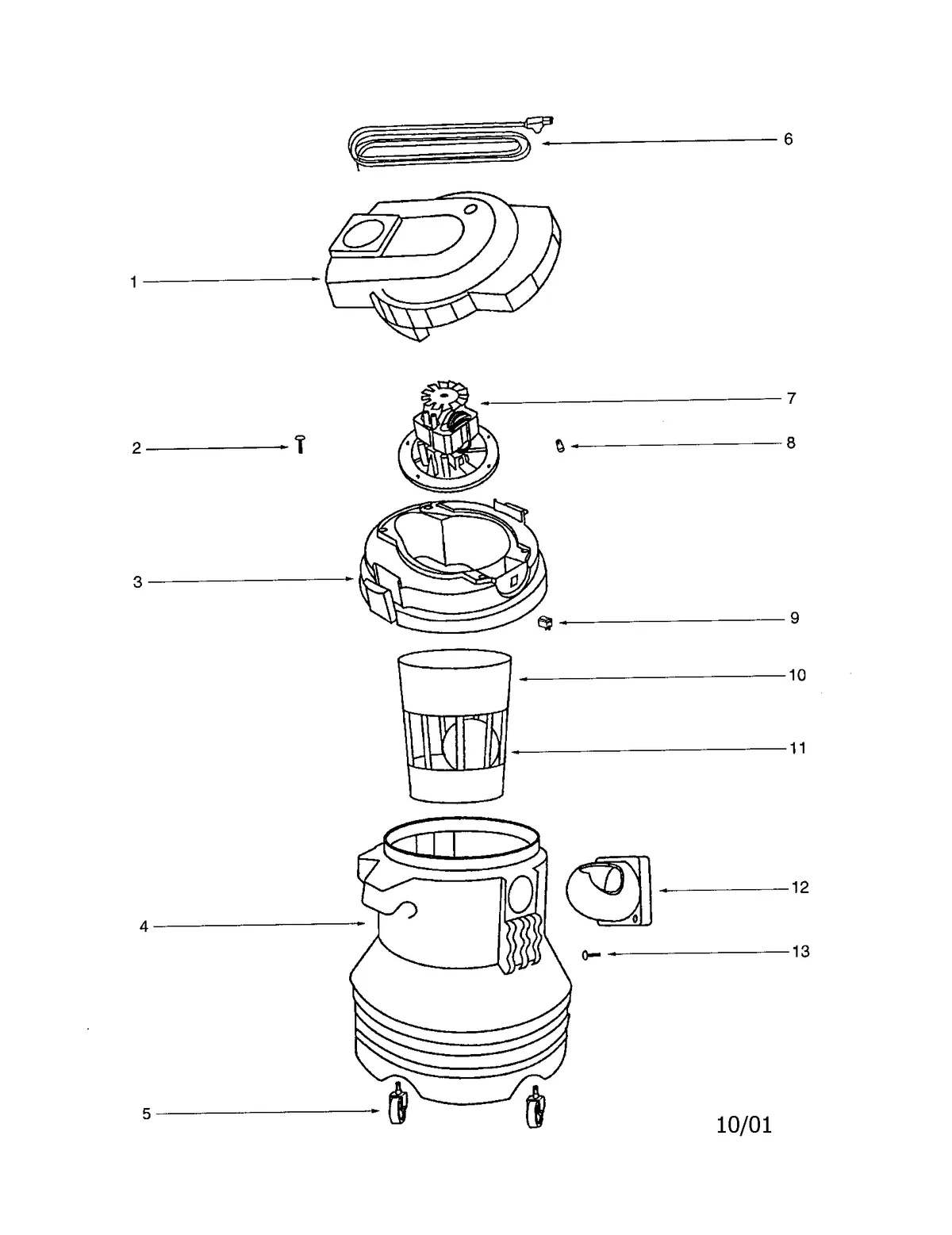
Image source: Bing (Web (fair-use with source credit))
Filter type: dry-only vs. wet-capable
Dry leaves are dusty, so you need a filter that traps fine particles. A standard pleated cartridge filter does that well. Wet leaves ruin a paper cartridge fast, because soggy debris cakes onto the pleats and blocks airflow.
For wet leaves, switch to a foam sleeve filter. It lets water pass through without clogging. Some vacs allow both filters at once, so check your owner’s manual.
The impeller and why wet leaves are risky
The impeller is the spinning blade inside the motor housing that creates suction. It is not designed to chew leaves. Dry leaves flutter through and break apart.
Wet leaves stick to the blade, build up, and slow the motor. In extreme cases, they jam the fan completely.
If you hear a rattling sound during wet leaf pickup, stop. Leaves wrap around the shaft like wet paper on a fan blade. Cleaning it out takes time and often requires opening the housing.
Dry Leaves vs. Wet Leaves: The First Big Decision
The moisture content of the leaves matters more than your vacuum brand. That one detail changes your filter, your setup, and the risk to your machine.

Image source: Bing (Web (fair-use with source credit))
Dry leaf conditions: quick, easy, and low-risk
Dry leaves are light and brittle. They break apart as they tumble through the hose, so suction stays strong and clogs are rare. The main issue is dust.
Old, broken-down leaves throw up a thick cloud of fine particles, so wear a dust mask if you have allergies.
Wet leaf conditions: why things go wrong fast
Wet leaves are heavy. A soaked maple leaf weighs far more than a dry one, and suction drops the moment they mat across the nozzle. They stick to the hose walls and form a soggy plug that starves the motor of airflow.
Wet leaves also smell after sitting in a tank for a day or two. Plan on rinsing the tank after every wet pickup session.
Mulched vs. whole leaves: how it changes the job
Mulched leaves move through the hose smoothly and pack tighter into the tank. That cuts your emptying trips in half. Whole leaves from oaks and maples are the ones that clog.
Run the mower over big piles first or use a leaf screen to protect the impeller.
Check Your Vacuum’s Setup Before You Start
Two minutes of setup saves twenty minutes of unclogging. Here is what to check before dragging the vac outside.
Choosing the right nozzle for the job
The standard utility nozzle is too narrow for leaves. It causes jams almost instantly. Use a wide pickup nozzle with a large opening instead.
Many wet/dry vacs include this as the main floor nozzle. If yours didn’t, a universal wide nozzle fits most hoses, or you can buy a dedicated leaf pickup kit from your vac’s manufacturer.
Installing the correct filter for wet or dry use
Remove any dust bag first. Bags reduce airflow and fill up too quickly with leaves. Then install the right filter: pleated cartridge for dry leaves, foam sleeve for wet leaves.
Never run the vac without a filter. Debris can destroy the impeller and burn out the motor.
Making sure your hose size matches the debris
A 2.5-inch hose is the gold standard for leaf pickup. A 1.5-inch hose works with smaller leaves but still clogs on big ones. A 1.25-inch hose will frustrate you.
If you’re stuck with a small hose, mulch the leaves before vacuuming or work in smaller handfuls.
How to Pick Up Dry Leaves Without Clogging
Follow these steps and you’ll move through the job without stopping to unclog every minute.
Working in small sections
Don’t attack a massive pile all at once. A large mound overwhelms the suction and jams the nozzle. Rake or sweep the leaves into a loose pile about the size of a beach towel, then vacuum that section down to nothing before moving on.
Run the nozzle along the base of a fence or hedge with a scraping motion. You’ll pick up leaf litter without plunging straight into the pile.
Using a leaf screen or mulch kit
A leaf screen is a mesh plate that mounts across the hose opening. It stops leaves from reaching the impeller while letting air pass through. It slows the pickup rate slightly, but it protects the motor.
A mulch kit goes further. It includes a longer hose with a shredding blade near the pickup end. Leaves get shredded into confetti before they reach the tank, which means fewer clogs and longer run time.
Check your brand’s accessory page for compatibility.
Clearing the hose before moving on
The vacuum pitch changes when a clog forms. It goes from a steady hum to a strained whine. Stop and clear the line before continuing.
Use the blower port if your vac has one. Attach the hose to the reverse-air outlet and push the plug out backward. If there’s no blower port, disconnect the hose and use a broom handle to push the clog free.
Never do this while the motor is running.
How to Pick Up Wet Leaves Without Ruining the Motor
Start with a wet pickup setup. Swap the cartridge filter for a foam sleeve filter and confirm the tank is empty. Wet leaves saturate a paper filter within minutes.
Setting up for wet pickup first
Unscrew the cartridge filter and store it somewhere dry. Slide the foam wet filter over the filter cage the same way you would for vacuuming water. Check the exhaust filter too, because a blocked exhaust filter strains the motor just like a clogged hose.
Why you need to empty the tank before it’s full
Wet leaves turn into a heavy sludge at the bottom of the tank. Once the tank gets too full, that sludge gets sucked upward into the filter cage and can damage the motor. Stop at half to two-thirds full.
You’ll empty more often, but the machine will last.
Keeping the exhaust filter dry
Moisture from wet leaves passes through the exhaust filter. If it stays wet for days, mold grows and the vac develops a musty smell. Rinse the exhaust filter after wet pickup and let it air dry completely before reinstalling it.
When a Shop Vac Is the Wrong Tool for the Job
A shop vac is a precision tool for small jobs. It stops being useful when the workload grows to a full yard. If you’re vacuuming a quarter-acre under five big trees, you’ll spend more time emptying than cleaning.
Giant piles and full-yard cleanup
A single mature oak drops enough leaves to fill a 16-gallon shop vac several times. Each dump is heavy and slow. Aggregate user reviews consistently report people abandoning shop vacs halfway through big fall cleanups.
That type of heavy leaf load calls for a blower and tarp or a walk-behind leaf vacuum, much like choosing the right tool for heavy debris in other situations.
Heavy leaves, pine needles, and stubborn debris
Pine needles weave together into a dense mat that clings to the hose walls. Waxy magnolia leaves resist breakage. If your yard has either one, a shop vac will clog repeatedly.
Sweep those problem materials aside before vacuuming.
When you’d be better off renting or buying a dedicated leaf vac
Rent a walk-behind leaf vacuum for a deep leaf layer across a whole yard. These machines shred leaves by a 10-to-1 ratio and collect them in a large bag. For a one-time seasonal job, the rental cost beats an afternoon of shop vac frustration.
Better Alternatives for Bigger Yards or Heavy Leaf Loads
Three alternatives work better than a shop vac for serious yard cleanup. Pick based on your yard size and debris type.
Leaf blower + tarp method
Blow dry leaves into a central pile, then drag a large tarp underneath and haul everything to the compost bin. This moves thousands of leaves in minutes. It fails with wet leaves, since they don’t blow well, and your arms get tired.
Dedicated leaf vacuum/mulcher
These look like oversized string trimmers with a collection bag attached. A shredder inside reduces leaf volume before it reaches the bag. They handle dry leaves and pine needles well, but they cost $150 to $400 and make plenty of noise.
Riding mower with bagger vs. shop vac
If you have a riding mower with a bagger, use that first. Mowing over leaves mulches and collects them in one pass. A shop vac with a mulch kit works well for snug spots and patio edges, but the mower wins open ground every time.
For smaller yards where a mower won’t fit, the shop vac stays useful.
Common Mistakes That Clog, Burn, or Break Your Wet/Dry Vac
These errors show up in forum threads and user reviews constantly. Avoid them and your vac will keep running for years.
Running without a filter
Some people remove a clogged filter so they can keep working. That’s a fast way to break the machine. Debris gets pulled into the impeller and can shatter the fan blade.
Always run with a filter, even if it means stopping to clean it.
Switching to wet pickup without changing the filter
Vacuuming wet leaves with a dry cartridge filter ruins it quickly. The paper pleats soak up moisture, delaminate, and lose their filtering ability. Swap filters before you start.
It takes two minutes.
Overfilling the tank past capacity
When the tank is full, wet debris reaches the motor housing and causes failure. Dry leaves might just sit there, but wet leaves always find a way up. Use the half to two-thirds rule for wet pickup and respect the manufacturer’s full line for dry pickup.
Vacuuming sticks, walnuts, or acorns
Hard yard debris wrecks impellers. A small stick can jam between the fan blade and the housing, seizing the motor. Acorns bounce around and crack plastic parts.
Sweep those aside with a broom first.
Step-by-Step: Set Up, Run, and Empty Like a Pro
Use this short checklist and your shop vac will outperform many purpose-built machines.
Quick setup checklist
- Choose the right nozzle: wide pickup for whole leaves, utility nozzle for corners.
- Install the correct filter: cartridge for dry, foam sleeve for wet.
- Check the hose diameter: 2.5 inches is best, 1.5 inches is workable.
- Make sure the blower port is sealed for maximum suction.
- Plug into a GFCI outlet if the ground is damp.
Best technique for moving through a yard
Start at the farthest corner and work backward, so you don’t walk over clean ground. Use slow, sweeping strokes with the nozzle slightly angled, like a dustpan. When the nozzle starts whistling, stop and clear the clog before continuing.
How to empty and clean out the tank properly
Unplug the vac before touching the tank. Lift the head off and set it on a dry surface. For dry leaves, tip the tank into a compost bin and shake out the debris.
For wet leaves, empty the sludge, rinse with a garden hose, and wipe dry.
Clean the inside of the hose with a long brush or a rag tied to a string. Let the filter dry completely before storage. That last step prevents mold, so the smell doesn’t greet you at your next garage cleanup.
How to Unclog a Leaf Blockage Fast
The quickest fix is the blower port. Most wet/dry vacs have a reverse-air outlet on the tank, so attach the hose and hit the switch. The air push clears most leaf plugs in seconds.
This same kind of blockage-plug frustration happens with other suction tools, and the fix is usually straightforward.
The two quick fixes that work every time
If your vac lacks a blower port, disconnect the hose and lay it straight. Push the plug through with a broom handle from the nozzle end. That takes about fifteen seconds.
When you need to open the vac and dig it out
If suction stays weak after clearing the hose, the clog is in the tank. Unplug the vac and lift the head off. Check around the float cage and filter cage, since wet leaf mats wrap tightly around the mesh.
Peel them off carefully without tearing anything.
Cleaning and Storing After Leaf Duty
Spend five minutes on cleanup and your shop vac stays ready for next fall. Skip it and you’ll deal with mold, smells, and a stuck filter.
Rinsing the tank after wet pickup
Wet leaves leave behind sap and soil. Rinse the tank with a garden hose, wipe it dry with a towel, and add a few drops of dish soap if the smell lingers.
Drying the foam filter and storing to avoid mold
Rinse the foam filter until the water runs clear, then squeeze it dry. Never store it damp. Brush the cartridge filter free of dust before storage too.
Small maintenance that keeps suction strong
Check the hose for cracks and the seals around the tank lid. A loose lid gasket leaks airflow and costs you noticeable suction on long runs.
Final Decision Guide: Should You Use It or Buy/Rent Something Else?
A wet/dry vacuum makes sense for small, dry leaf loads in tight spaces. It’s the wrong tool for a full yard with deep leaf fall.
Questions to ask yourself before starting
- How many leaves are we talking? If more than three full trash bags, think bigger.
- Are they wet or dry? Wet means extra risk and extra trips.
- What’s your hose size? 2.5 inches is ideal. 1.25 inches will clog constantly.
What the smart move is for your specific setup
Small patio or flower beds? Use the shop vac. Whole yard under big oak trees?
Rent a walk-behind leaf vacuum or grab a blower and tarp. If you do this every fall, a dedicated mulching leaf vac is the better long-term buy.
Real-world verdict: worth it for some, not for others
In our research, a shop vac handles small, dry leaf pickups extremely well. Wet leaves and whole-yard jobs turn it into a frustrating chore. Match the tool to the job and your equipment lasts longer, a lesson that applies to any gear you keep around.
Frequently Asked Questions
Can a wet/dry vacuum pick up leaves without clogging?
Yes, if the leaves are dry and the hose is wide enough. A 2.5-inch hose with a wide pickup nozzle handles whole leaves smoothly. Small 1.25-inch hoses clog quickly.
Wet leaves always risk clogging, so mulch them first or use a leaf screen.
Do I need a special filter to vacuum leaves?
Use the standard cartridge filter for dry leaves. Switch to a foam wet filter for wet leaves. Never run the vac without a filter, since debris can damage the impeller and motor.
Why did my shop vac lose suction while vacuuming leaves?
A clogged hose or a coated filter causes most suction loss. Dry leaves fill the filter with fine dust that blocks airflow quickly. Stop and clean both before restarting.
Can wet leaves damage a shop vac?
Yes, if you run the wrong filter or fill the tank too high. Wet leaves wrap around the impeller and can seize the motor. Empty the tank at half full and always use a foam wet filter.
Is a shop vac better than a leaf blower for leaves?
For small piles and tight corners, yes. The shop vac collects as it goes. A leaf blower moves leaves into piles faster but still requires pickup.
Most yards benefit from using the blower first, then the shop vac for hard-to-reach spots. The U.S. EPA recommends composting collected leaves instead of sending them to a landfill, so bag them for your compost pile when you’re done.

