

That moment when you’re ready to tackle that tough grime, and your pressure washer just… won't start. It’s frustrating, to say the least. Whether it's a gas model that refuses to roar to life or an electric one that remains stubbornly silent, there are common reasons behind the failure.
Most pressure washer startups involve a few key systems: power, fuel, water, and ignition. When any of these aren't functioning correctly, you’re left with a machine that won't perform its job. Manufacturer specifications often confirm that a stable power source, fresh fuel, and a proper water supply are fundamental to successful operation, with typical operating pressures ranging from 1,000 to 4,000 PSI.
Gas vs. Electric: What's the First Difference?
The first hurdle in troubleshooting why your pressure washer won't start is identifying its power source. Gas and electric models have distinct systems that fail in different ways. Electric pressure washers rely on an outlet or a generator, while gas models depend on fuel combustion.
If you have an electric pressure washer, the issue likely lies with the power supply itself, the cord, or an internal motor component. For gas models, the problem is usually related to the engine's fuel system, ignition, or air intake. Understanding this fundamental difference helps narrow down the potential causes significantly.
For example, a gas engine might sputter or refuse to crank, whereas an electric motor might just hum or do nothing at all. This initial distinction sets the stage for more targeted diagnosis.
Troubleshooting: No Power or Sound at All (Electric Models)
When your electric pressure washer makes no sound and shows no signs of life, it’s usually a power delivery problem. This means the electricity isn't reaching the motor. The first place to look is the power source itself, which could be a wall outlet, an extension cord, or a generator.
Checking Your Power Source
If you’ve plugged your electric pressure washer into a standard wall outlet, try plugging another device into the same outlet to confirm it’s working. If that device also fails to power on, the problem is with your home's wiring or the circuit breaker. Resetting a tripped breaker is a common fix; you’ll find the breaker panel usually in a basement, garage, or utility closet.
If the outlet works, move your attention to the power cord. Check the entire length of the cord for any visible damage, such as nicks, cuts, or melted sections. A damaged cord can interrupt the flow of electricity.
For models that use an extension cord, ensure it’s rated for the power draw of your pressure washer. Using an undersized cord can prevent the machine from getting enough power, especially during startup. Our research indicates that undersized cords can overheat and even pose a fire hazard.
Investigating the Switch and Breaker
Most electric pressure washers have an on/off switch. Make sure it’s firmly in the 'on' position. Some models also have a built-in circuit breaker, often a small red or black button on the unit itself, designed to protect the motor from overloads.
If you suspect an overload, try pressing this button firmly. If it pops out again immediately after you press it, there might be a more significant issue with the motor or pump, or you might be trying to run it with a nozzle tip that’s too restrictive. For safety, always disconnect the unit from the power source before inspecting internal components or resetting breakers.
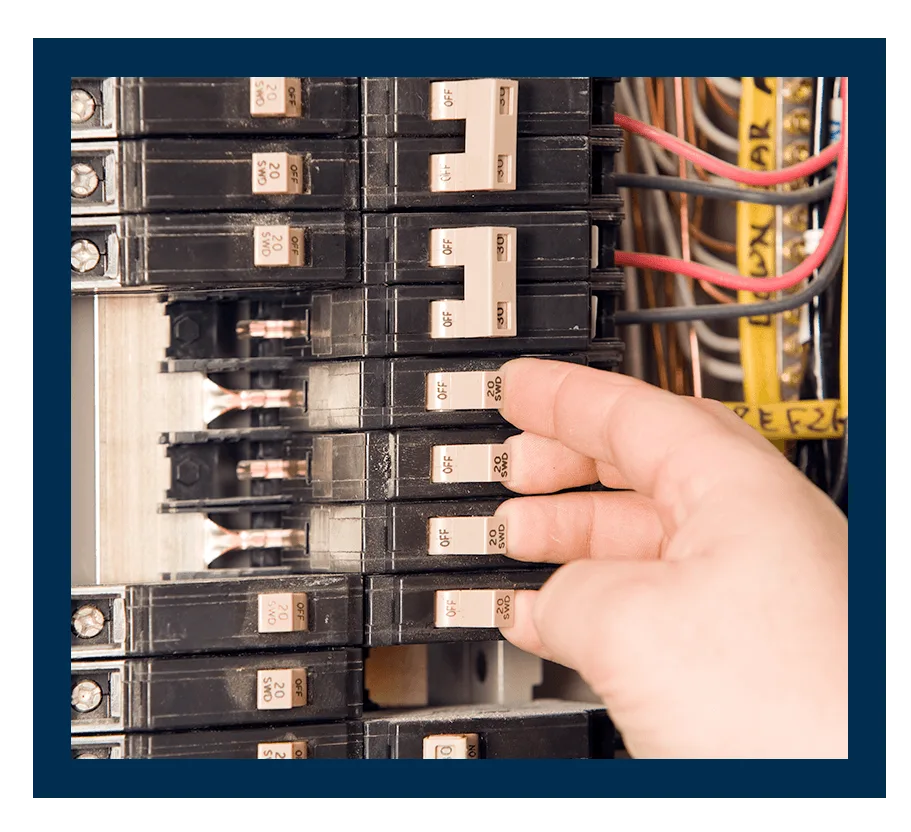
Image source: Web (Bing) / circuitdiagram.co (Web image (fair-use with source credit))
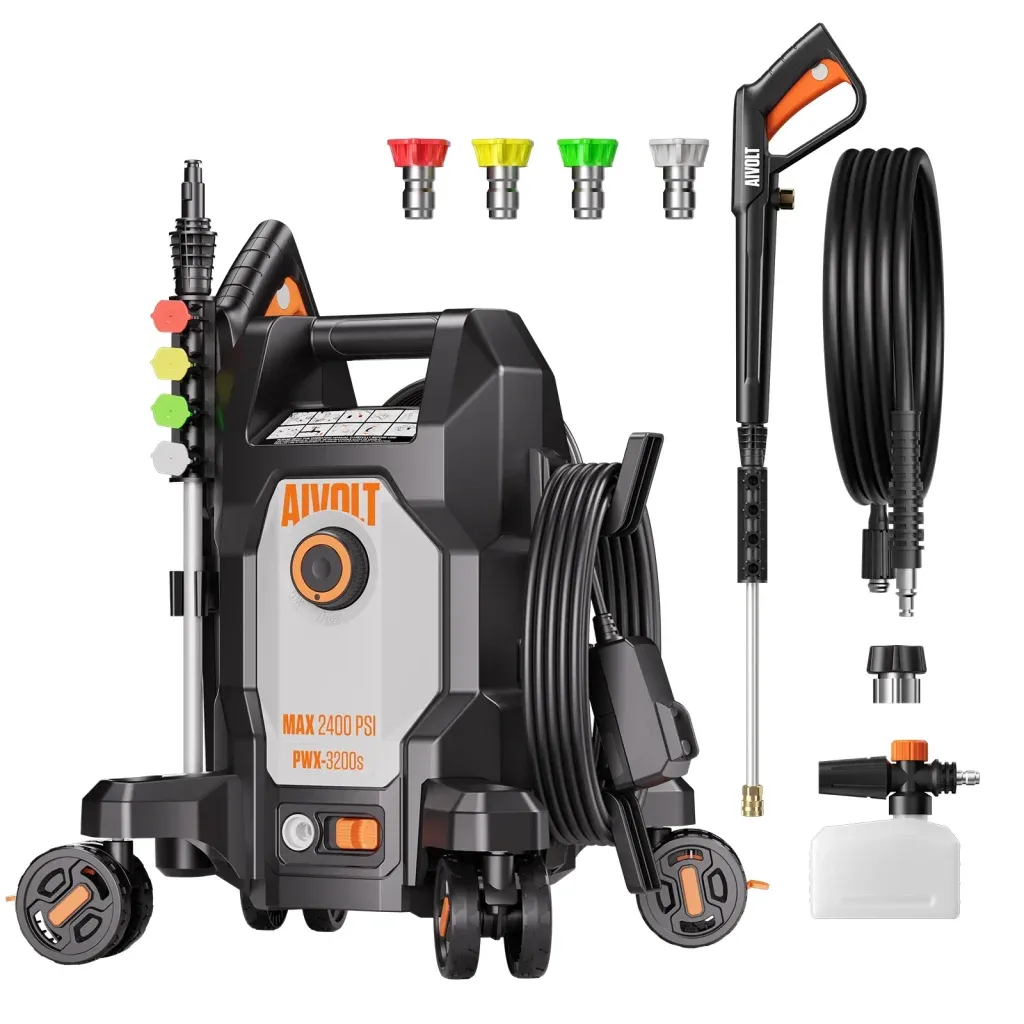
Image source: Web (Bing) / aivoltgroup.com (Web image (fair-use with source credit))
Troubleshooting: Engine Cranks But Won't Fire Up (Gas Models)
For gas-powered pressure washers, the engine needs three things to run: fuel, air, and spark. If your engine turns over (you hear it trying to start) but doesn't actually fire up and run, one or more of these essential elements is missing or compromised.
Fuel First: The Most Common Culprit
Stale fuel is arguably the most frequent reason a gas engine won't start. Gasoline degrades over time, especially when left sitting for more than 30 days, breaking down into gummy deposits that can clog the fuel lines and carburetor. If your pressure washer sat through a whole season without being properly winterized or if you’re using fuel that’s been in a gas can for a while, this is your prime suspect.
Always use fresh gasoline, ideally purchased within the last 30 days. Some manufacturer specifications suggest using a fuel stabilizer if you don't expect to use the fuel quickly. To address stale fuel, you’ll need to drain the old gas from the tank and carburetor.
You can then refill with fresh fuel. Ensure the fuel valve is open, allowing fuel to flow from the tank to the engine.
Sparking Things Up: The Ignition System
If you’ve confirmed fresh fuel, the next critical component is the spark plug. This small but vital part ignites the fuel-air mixture in the engine cylinder. A dirty, fouled, or worn-out spark plug won’t produce a strong enough spark, or any spark at all.
To check the spark plug, locate it on the side of the engine (usually threaded into the cylinder head). Carefully remove the spark plug wire. Then, using a spark plug wrench, unscrew the plug itself.
Inspect it for signs of heavy carbon buildup, oil contamination, or damage to the electrode. If it looks dirty, you can try cleaning it with a wire brush and a bit of carburetor cleaner. However, spark plugs are relatively inexpensive, and replacement is often the best course of action if it appears worn or damaged.
Many small engines use standard spark plugs that can be found at most hardware stores. Ensure you purchase the correct type for your model, as specified in your owner's manual.
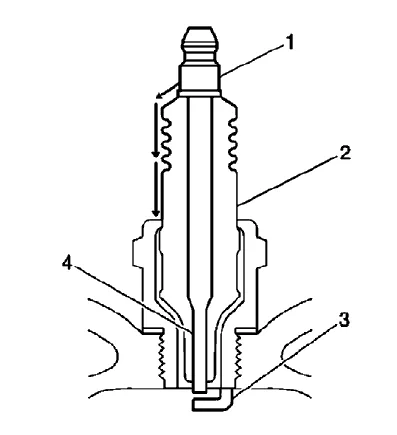
Image source: Web (Bing) / chevtrax.com (Web image (fair-use with source credit))
Troubleshooting: Water Flow Issues or No Pressure
Even if your pressure washer starts up, you might encounter problems like no water flow or a severe lack of pressure. These issues often stem from blockages in the water supply or within the unit's components.
Water Inlet and Pump Problems
The most basic check is your water supply. Ensure your garden hose is securely connected to the pressure washer's water inlet and that the water source (faucet) is fully turned on. Many pressure washers have a small filter screen on the water inlet to catch debris from your hose; this filter can become clogged.
Disconnect the hose and check if this screen is clear. A blocked inlet filter is a surprisingly common cause of poor water flow.
The pump itself is the heart of the pressure washer, responsible for pressurizing the water. If the pump is not receiving enough water, it can become damaged or simply fail to operate correctly. Some models require manual priming, especially after they've been stored or run dry.
Check your owner's manual for specific priming instructions, which usually involve running water through the pump until air is expelled. If your unit has been sitting unused, especially through winter, the pump seals could have dried out or frozen, preventing proper function.
Blocked Accessories
The high-pressure hose, trigger gun, spray wand, and nozzle tips all play a role in delivering water and maintaining pressure. A blockage in any of these components can drastically reduce or stop water flow. Start by ensuring the trigger gun isn't stuck in the "on" position, which can sometimes cause starting issues on certain models.
The nozzle tip is especially prone to clogging, particularly if there was any debris in your water supply. Try removing the nozzle tip and running the machine briefly to see if water flows freely. If it does, the nozzle is likely clogged and needs cleaning or replacement.
You can often clear a clogged nozzle with a small wire or a cleaning needle. High-pressure hose issues are less common for starting problems but can manifest as leaks or kinks that restrict flow.
Mistakes That Prevent Starting
Beyond mechanical or electrical faults, user errors are common culprits when a pressure washer refuses to start. Understanding these pitfalls can save you a lot of time and frustration.
- Forgetting the Water: Many gas pressure washer engines have a safety feature that prevents them from running without water flowing through the pump. Running a pressure washer dry can quickly damage the pump. Always ensure your water supply is connected and turned on before you attempt to start the engine.
- Choke Misuse (Gas Models): Gas engines typically have a choke lever. When the engine is cold, you need to engage the choke to enrich the fuel-air mixture for starting. Once the engine warms up, you must disengage the choke. Starting with the choke fully off on a cold engine, or leaving it on when the engine is warm, can prevent it from running.
- Incorrect Fuel: Using old fuel, mixing oil incorrectly for 2-stroke engines (though most pressure washers are 4-stroke and don't require pre-mixing), or using the wrong type of fuel can all lead to starting issues. Always use fresh, unleaded gasoline for 4-stroke engines.
- Safety Lock Engaged: Many trigger guns have a safety lock to prevent accidental spraying. Make sure this lock is disengaged before you try to start the unit, as some systems might be interlinked.
- Assembly Errors: Improperly attached hoses or components can sometimes interfere with the starting mechanism or create air leaks in the fuel or water systems. Double-check that all parts are securely fastened according to the manufacturer's instructions.
When to Call a Pro or Seek Further Help
While many pressure washer starting issues can be resolved with basic troubleshooting, some problems go beyond simple fixes. If you've exhausted the common checks, fresh fuel, clear spark plug, working power source, unobstructed water flow, and reset breakers, it might be time to consult a professional.
Internal engine problems, such as a seized motor or a damaged carburetor that can't be cleaned effectively, often require specialized tools and expertise. Similarly, if you suspect a major electrical fault in an electric model or a serious mechanical issue with the pump or engine in a gas unit, it's safer and more cost-effective to have it diagnosed by a qualified small engine or pressure washer repair technician. Manufacturer websites sometimes offer detailed diagnostic guides or lists of authorized service centers, which can be a valuable resource.
For instance, checking a manual for an engine like a Honda GX series, known for its reliability, will outline specific troubleshooting steps for common issues.
Frequently Asked Questions About Pressure Washer Starting Issues
Why does my electric pressure washer only hum when I try to start it?
A humming sound usually indicates that the motor is receiving power but is unable to turn. This can be caused by a seized pump, a blocked impeller, or an internal motor issue. Disconnect power and check for any obstructions in the pump or shaft.
My gas pressure washer won't start even with fresh fuel. What else could it be?
If fresh fuel isn't the issue, check the air filter for blockages. A clogged air filter starves the engine of the air it needs to combust. Also, verify the spark plug is clean and gapped correctly, and that the spark plug wire is firmly attached.
Can cold weather prevent my pressure washer from starting?
Yes, extremely cold temperatures can cause issues. Water in the pump or hoses can freeze, preventing flow. Gas lines can also be affected.
For gas engines, cold can make starting harder, requiring more choke. Always follow manufacturer guidelines for cold-weather operation or storage.
What's the difference between a gas and electric pressure washer's starting system?
Electric models rely on a motor powered by an outlet or generator, with issues typically involving power delivery or the motor itself. Gas models use an internal combustion engine that requires fuel, air, and spark; problems often relate to the carburetor, spark plug, fuel lines, or starting mechanisms like a primer bulb or choke.
How often should I change the oil in my gas pressure washer engine?
Consult your owner's manual for the exact recommendation, but typically, oil changes are recommended after every 20-40 hours of operation, or at least once per year. Using the correct type and amount of oil is crucial for engine longevity.


